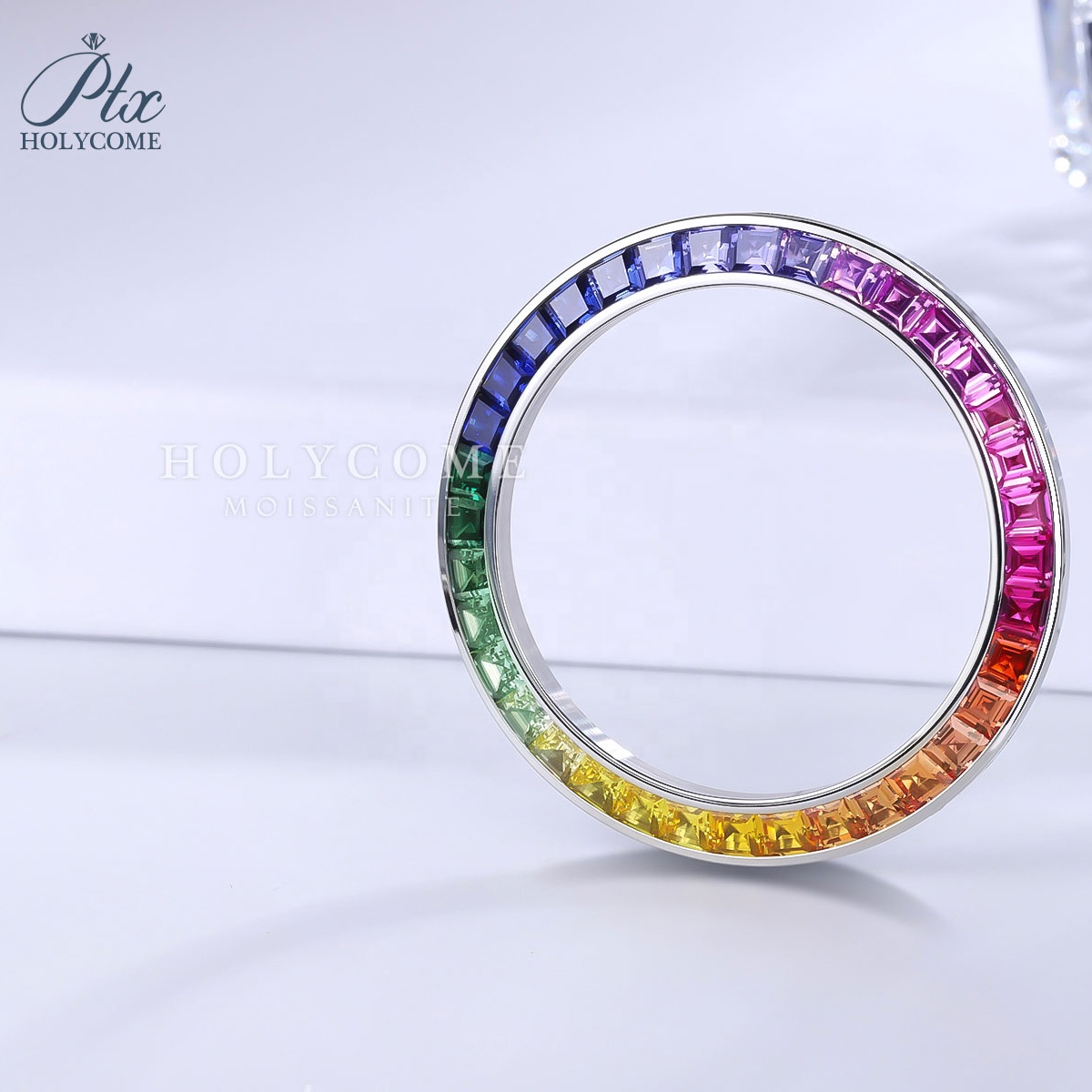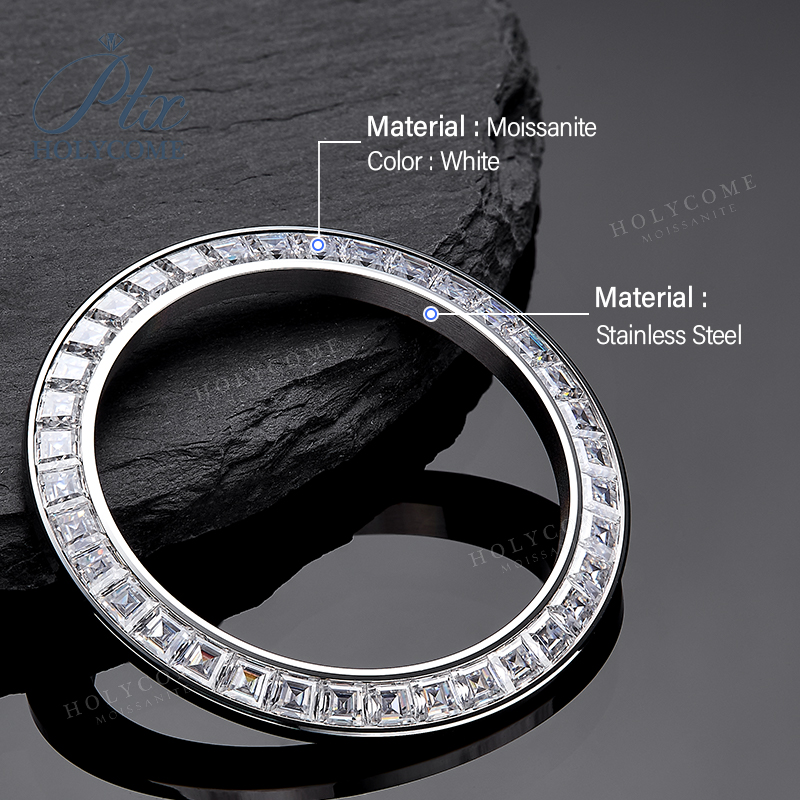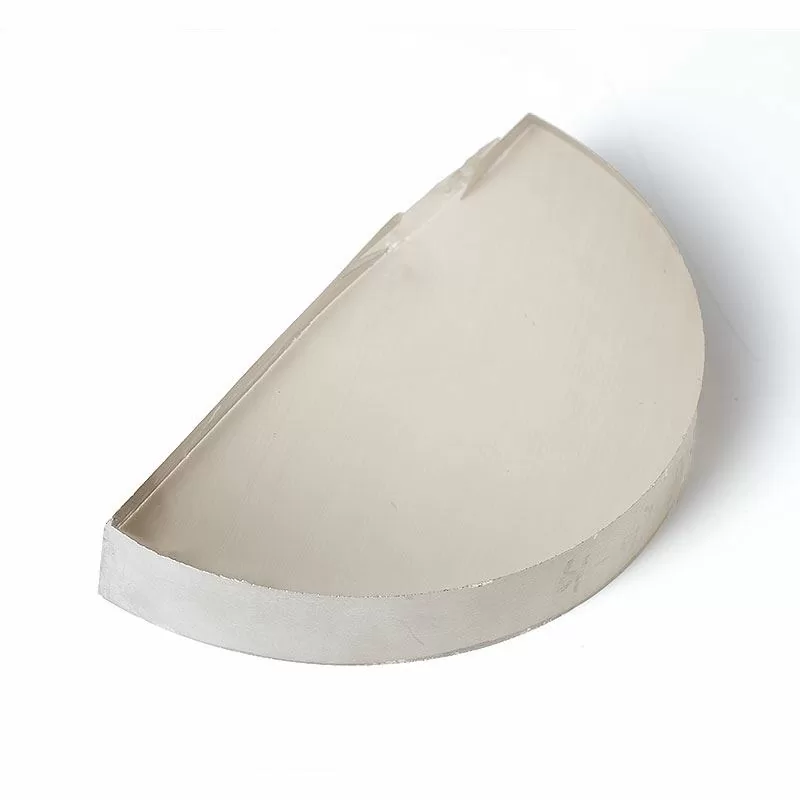
When shoppers want a clear, colorless stone without the diamond price, two names usually come up: moissanite and white sapphire. Both are diamonds alternatives, but they feel completely different on the finger. One is known for a soft, matte, understated whiteness; the other for vivid, almost electric sparkle. Choosing between them is really a choice about what the customer wants the stone to do.
What each stone actually is
White sapphire is the colorless variety of corundum, the same mineral family as blue sapphire and ruby. It is a natural gemstone, typically heat-treated, and it carries the romance of being a mined stone. Moissanite, by contrast, is a lab-created silicon carbide. It is not a diamond simulant in the cheap sense; it is a durable, independently graded gem. We cover its origin in how moissanite is made in the lab.
Brilliance: the biggest visible difference
This is where the two diverge most clearly. Moissanite has a high refractive index and strong light dispersion, meaning it returns lots of white light and throws colorful flashes, or fire. It looks bright and lively, sometimes almost too bright to an eye used to diamonds. White sapphire is quieter. It returns light more softly, with far less fire, and many people describe it as looking slightly milky or grayish compared to diamond. It is elegant and understated rather than dazzling.
If a customer wants a stone that reads obviously sparkly, moissanite wins instantly. If they want a subtle, matte, natural look that does not flash, white sapphire is the better emotional fit. See how moissanite behaves in real conditions in moissanite fire and brilliance explained.
Hardness and everyday wear
On durability, both are strong. White sapphire scores 9 on the Mohs scale, right below diamond. Moissanite sits around 9.25. Both are more than hard enough for daily engagement-ring wear. The practical difference is toughness, not hardness. Sapphire can chip under a sharp blow, and moissanite can too, though moissanite is considered slightly more resistant to chipping in everyday contact. For the full scale context, read the Mohs scale guide.
Neither stone scratches easily with normal hand use. The engagement ring buyer wearing either will get years of reliable wear.
Price and value
Here moissanite is usually the stronger value. Because it is lab-created, larger sizes are affordable and consistent, and a one-carat moissanite in 925 silver costs a fraction of a mined white sapphire of the same size. White sapphire, being natural and mined, costs more per carat and often comes with visible inclusions that keep it from looking perfectly clear. Moissanite, when well graded, is near colorless and clean. We cover the grading terms in moissanite color, clarity, cut, and carat.
Which customer buys which
- Moissanite buyer wants maximum sparkle, a near-colorless clean stone, and the lowest price per carat. She often posts photos and wants the ring to pop.
- White sapphire buyer wants a natural, mined stone with a subtle, non-flashy look and is drawn to the romance of a genuine gem.
If your store serves a value-focused, style-forward customer, moissanite is the easier inventory bet. If you cater to buyers who insist on a natural gem and prefer a muted look, offer white sapphire alongside it. Compare both against the classic option in moissanite versus sapphire engagement rings before you commit.
The bottom line
There is no universally better stone. There is the right stone for the right customer. Stock moissanite for the buyer who wants brilliance on a budget, and keep white sapphire in mind for the customer who wants natural and quiet. The sellers who explain the visual difference honestly, rather than pushing one, build trust and fewer returns.
Setting and maintenance differences
The two stones also demand slightly different care. Moissanite is easiest to clean because it resists buildup and stays bright with a quick wipe. White sapphire can collect lotion and soap in its surface more visibly, so customers should rinse and dry it regularly to keep it looking clear. In a setting, both work beautifully in 925 sterling silver, and both take rhodium plating for a uniform white finish. The decision between them rarely comes down to upkeep; it comes down to the look the customer wants. Offer both as part of your diamond-alternative range, describe the visual difference honestly, and let the customer choose the stone that matches their taste rather than the one you personally prefer. That honest comparison is what turns a browsing customer into a confident buyer.
How to talk about both without confusing the buyer
If you carry both stones, keep the explanation to one clear contrast: moissanite is brighter and more affordable, white sapphire is natural and more understated. Show both side by side in natural light and let the customer react. Most will immediately know which look they prefer. Avoid long technical tangles; the shopper cares about appearance and price, not a lecture on refractive index. A single honest comparison builds trust, and whether they pick moissanite or white sapphire, they leave feeling understood rather than sold to. That is the reputation that brings referrals.
Gemstone grading terminology used here follows the Gemological Institute of America’s gem encyclopedia.
Related reading: Moissanite vs Lab-Grown Diamonds: Which Should You Stock?, Lab-Grown Diamond vs Moissanite on Silver: Which One Should You Stock?, Moissanite vs. Sapphire: Choosing the Right Center Stone.
Frequently Asked Questions
Is moissanite a good diamond alternative for retail buyers?
Yes for price-sensitive customers who want brilliance and hardness. Moissanite ranks 9.25 on the Mohs scale, holds up to daily wear and costs a fraction of a natural diamond of the same size, so it resells fast in bridal and fashion lines.
What is the minimum order for wholesale moissanite?
MOQ starts at 50 pieces per design for stock items. Custom cuts and private-label settings usually start at 100–300 pieces depending on the mold.
Do you provide certificates with moissanite stones?
Yes. Every parcel ships with GRA or IGI documentation listing carat weight, color grade and cut. We recommend passing the certificate to your end customer for trust.
How long does sample and bulk production take?
Samples ship in 3–5 days. Bulk runs take 15–20 days under 500 pieces, and 25–30 days for custom work.