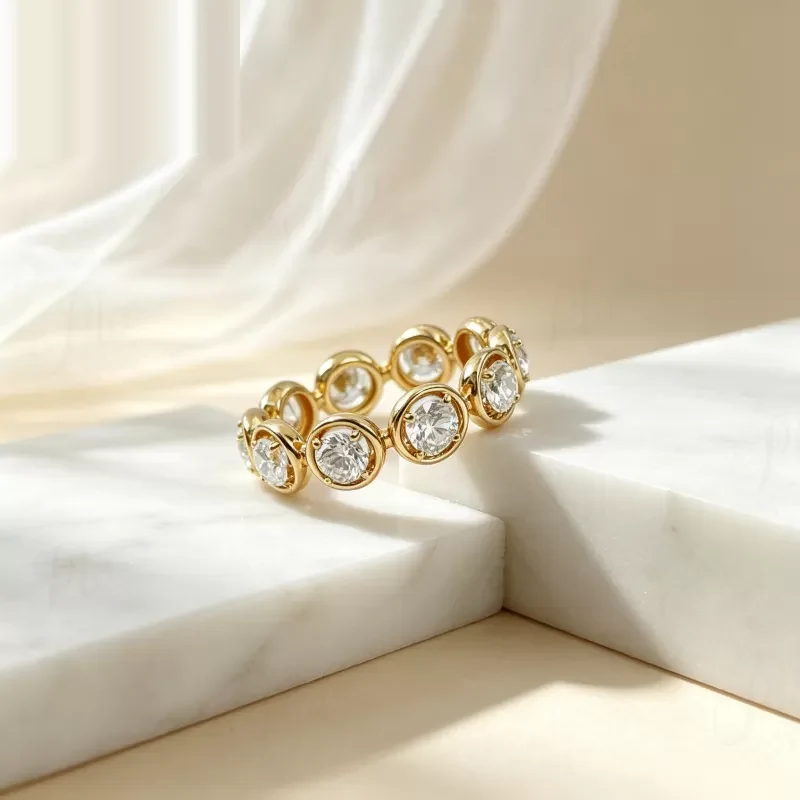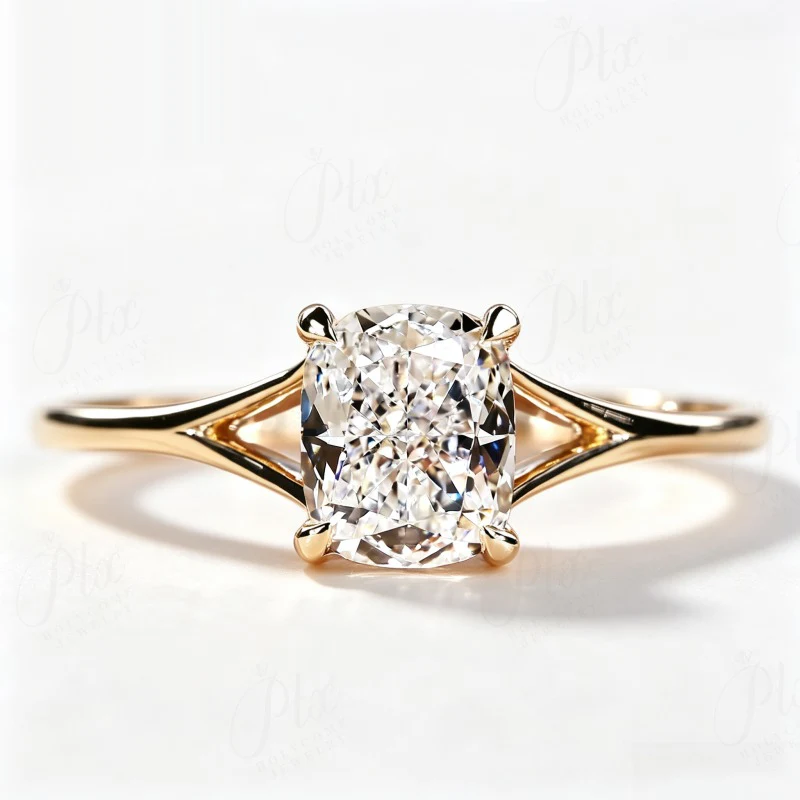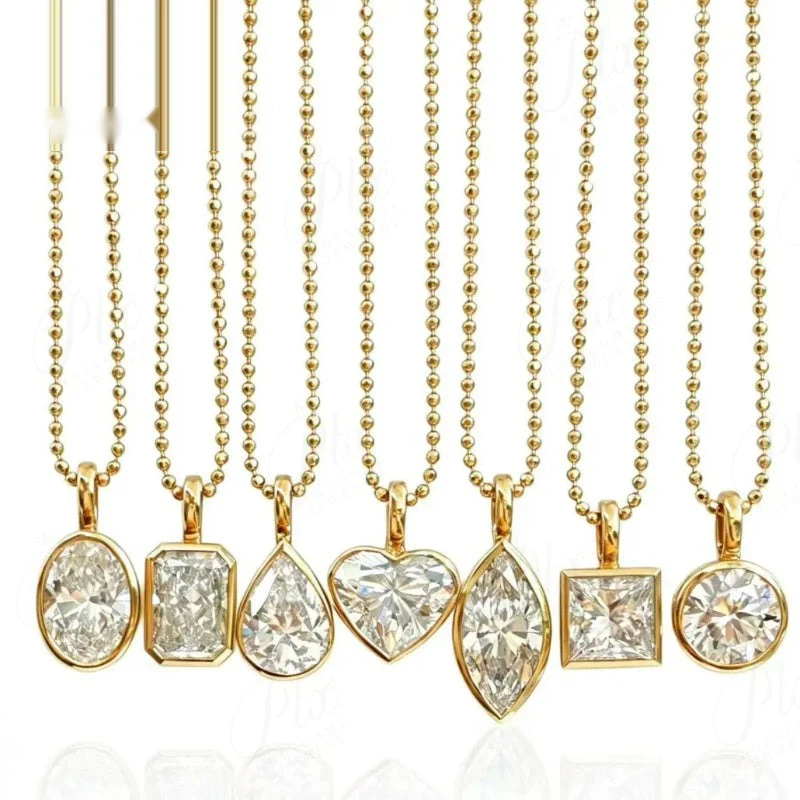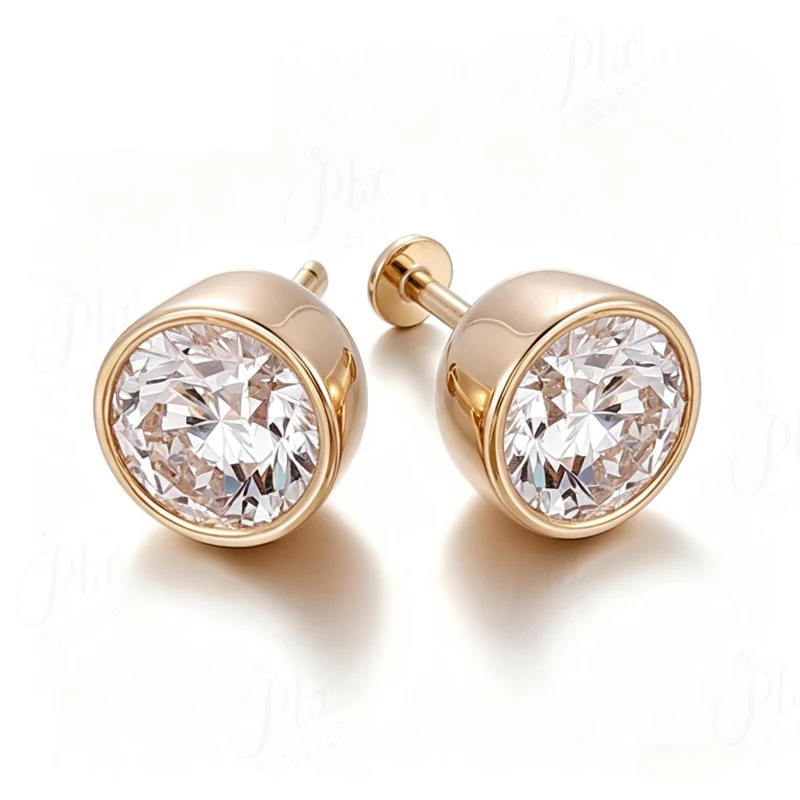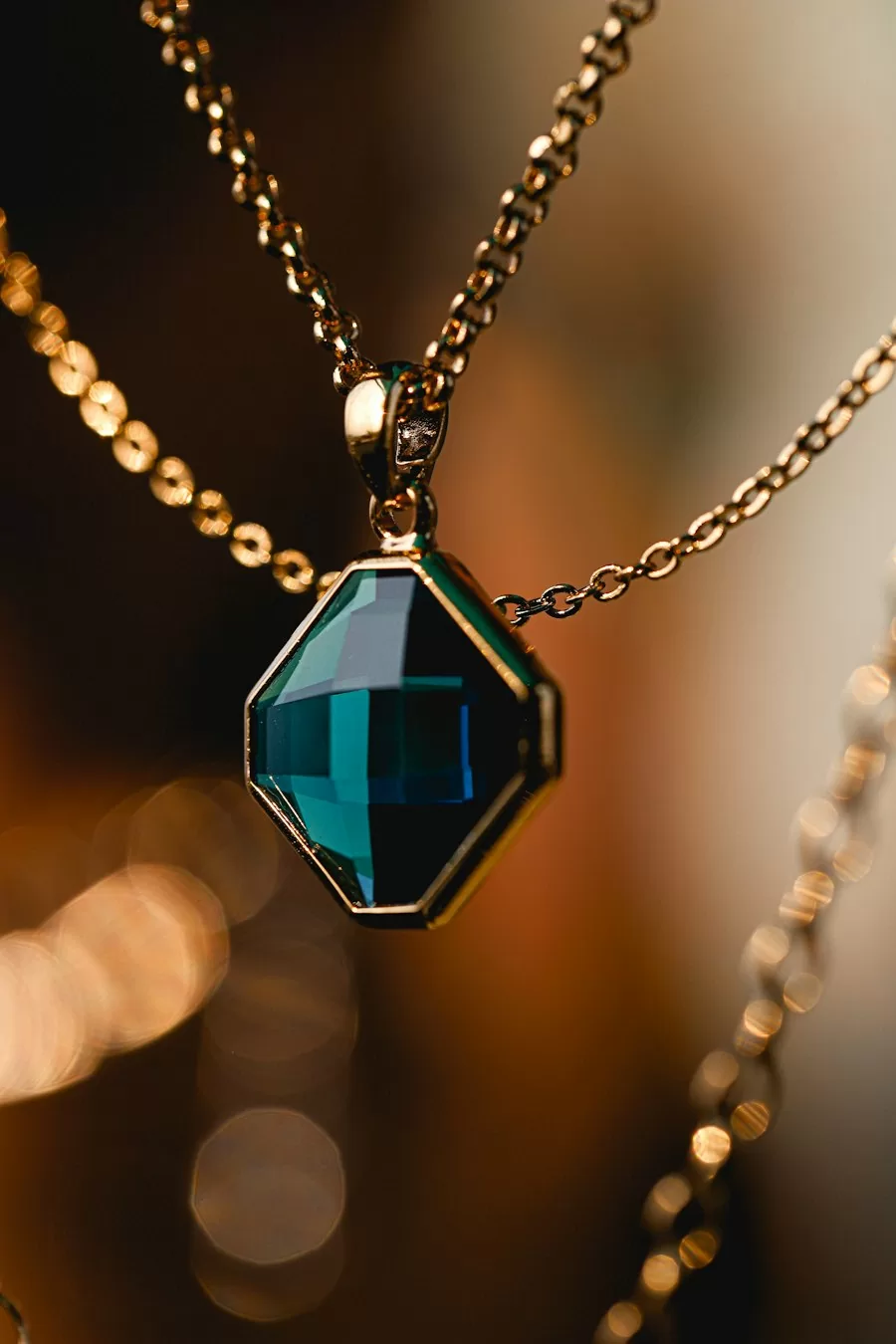
When customers budget for a center stone, the conversation has shifted. They are no longer choosing only between mined diamonds and nothing. The real decision today often sits between two lab-created options: moissanite and lab-grown diamonds. Both cost a fraction of a mined stone, both sparkle, and both carry an ethical, low-impact story. But they are different products with different strengths, and stocking the wrong one for your audience leaves money on the table.
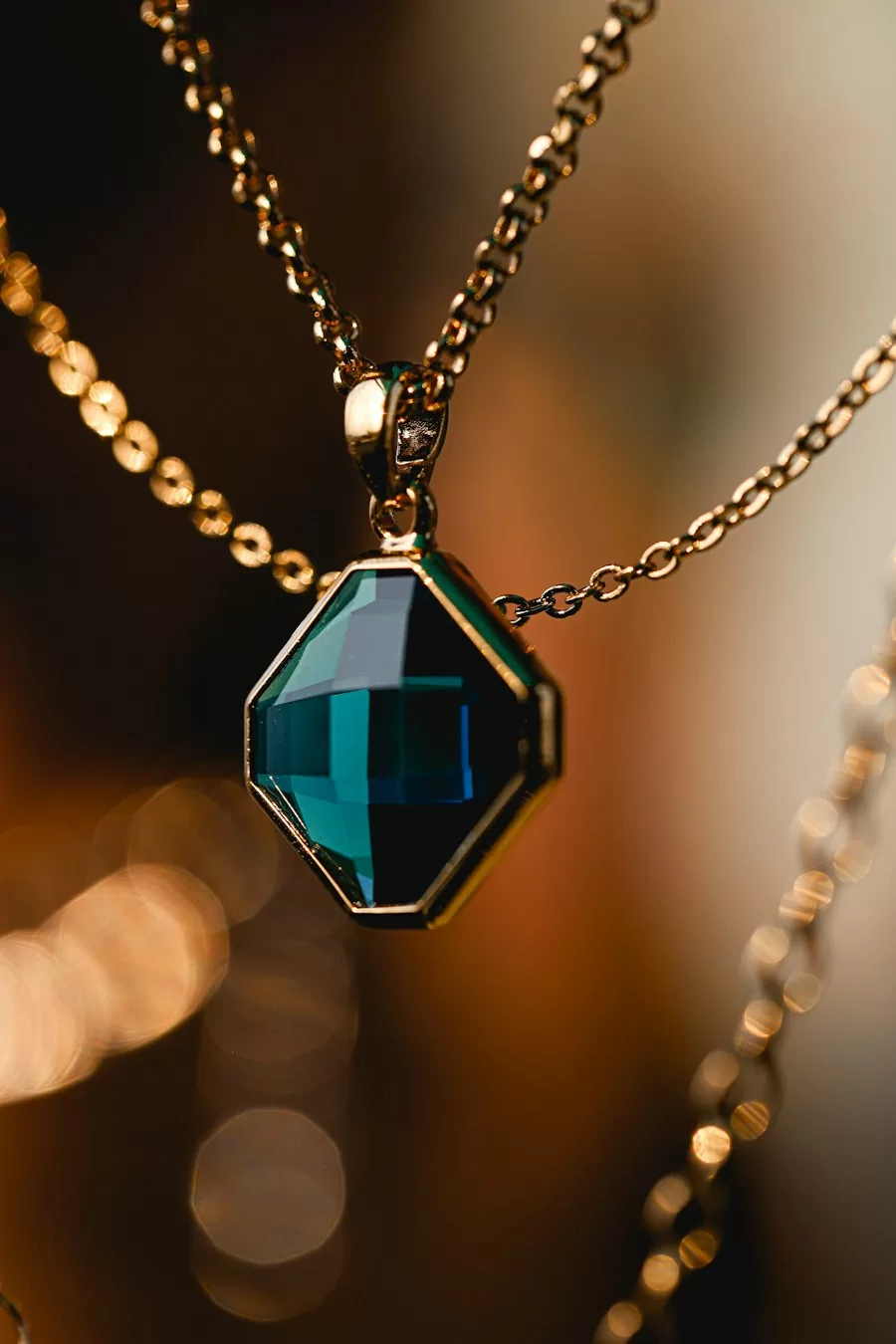
This comparison is built for retailers and resellers who need to explain the choice clearly, without the hype that surrounds both categories online.
What each stone actually is
Lab-grown diamonds are chemically, physically, and optically identical to mined diamonds—pure carbon crystals grown in a controlled environment. They register on standard diamond testers and come with the familiar 4C grading framework. Moissanite, by contrast, is silicon carbide, a different mineral entirely. It is extremely rare in nature and almost always manufactured for jewelry.
The difference matters when a customer asks, "Is this a real diamond?" A lab-grown diamond passes that question honestly. Moissanite looks like a diamond but is a distinct, durable gem. We cover this identity gap in more detail in our guide to what moissanite is.
Hardness and everyday wear
On the Mohs scale, diamonds—lab-grown included—sit at 10, the hardest known natural substance. Moissanite scores between 9 and 9.25, which is still exceptionally hard and perfectly suitable for an everyday ring, but it is a full point below diamond. In practice, that means a moissanite ring will shrug off normal hand-washing, scratching against desks, and daily wear for years. Over decades, a moissanite center is slightly more likely to show abrasion than a diamond of the same cut.
For fashion and promise rings that rotate through a customer's wardrobe, that difference rarely matters. For an heirloom engagement ring worn 24/7 for life, some buyers prefer diamond-level hardness.
Brilliance, fire, and the look customers notice
This is where the two stones genuinely diverge. Moissanite has a higher refractive index and more light dispersion than diamond, which translates into extra rainbow flashes—the "fire" people photograph. In bright sunlight, a moissanite can look almost disco-bright, while a diamond reads as cleaner and whiter. Customers who love a lot of sparkle tend to prefer moissanite; customers who want the classic, subtle white flash lean diamond.
Color is another talking point. Most commercial moissanite ranges toward near-colorless, and the D-to-F color grading shoppers ask about does not map one-to-one onto moissanite the way it does for diamonds.
Price: the honest gap
Here the numbers favor moissanite decisively. A one-carat equivalent moissanite in a sterling-silver setting typically retails for a small fraction of a comparable lab-grown diamond. Lab-grown diamond prices have dropped sharply but still sit well above moissanite at similar visual weight. For a retailer working in 925 silver—a metal chosen for affordability and approachability—moissanite keeps the whole price point coherent. A $200 silver-and-moissanite ring tells one story; a silver setting holding a lab diamond starts to feel mismatched.
Resale and certification
Neither stone has a strong resale market the way a branded mined diamond once did. Lab-grown diamonds come with IGI or similar reports, which lend credibility at the point of sale. Moissanite commonly ships with a GRA-style certificate rather than a major gemological lab report, which is why educating the customer before purchase prevents returns. We break this down in our certification guide.
Which should you stock?
If your customer shops on a budget, wants maximum sparkle per dollar, and buys fashion, promise, or bridal-adjacent pieces in silver, moissanite is the natural fit. If your customer specifically wants a diamond identity, is comparing against mined engagement rings, and expects diamond grading reports, lab-grown diamonds are the honest recommendation. Most independent silver jewelry retailers win by leading with moissanite and offering lab-grown diamond options as an upgrade path.
Ethics and story: what customers ask about
Both stones are marketed on ethics, but the stories differ. Lab-grown diamonds appeal to customers who want a diamond identity without the mining footprint of a mined stone. Moissanite appeals to shoppers who want maximum sparkle for the money and a genuinely different, durable gem. Neither is "better"—they answer different questions. Your job as a retailer is to figure out which question your customer is actually asking rather than pushing the stone you personally prefer.
It also helps to know the common objections. Some customers worry moissanite looks "too fake" because of its strong fire; others worry lab-grown diamonds lack romance. Both concerns are addressable with honest talk and good photos in natural light—see our notes on how moissanite looks in daylight. Set expectations clearly and the right buyer self-selects.
Independent background on moissanite — how its hardness and refractive index compare with diamond — is documented in the Wikipedia article on moissanite.
Frequently Asked Questions
Is moissanite a good diamond alternative for retail buyers?
Yes for price-sensitive customers who want brilliance and hardness. Moissanite ranks 9.25 on the Mohs scale, holds up to daily wear and costs a fraction of a natural diamond of the same size, so it resells fast in bridal and fashion lines.
What is the minimum order for wholesale moissanite?
MOQ starts at 50 pieces per design for stock items. Custom cuts and private-label settings usually start at 100–300 pieces depending on the mold.
Do you provide certificates with moissanite stones?
Yes. Every parcel ships with GRA or IGI documentation listing carat weight, color grade and cut. We recommend passing the certificate to your end customer for trust.
How long does sample and bulk production take?
Samples ship in 3–5 days. Bulk runs take 15–20 days under 500 pieces, and 25–30 days for custom work.