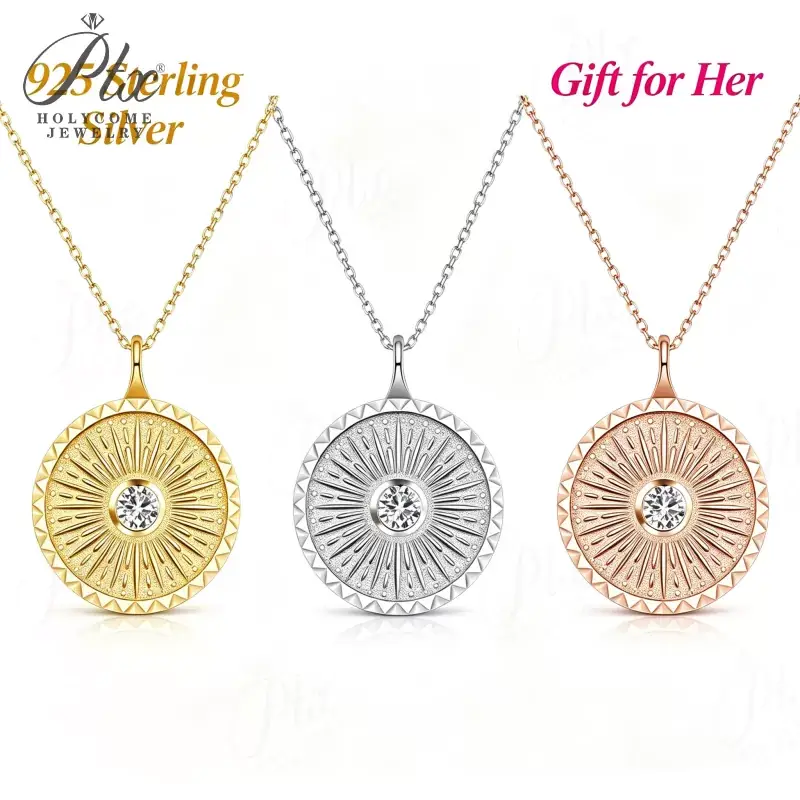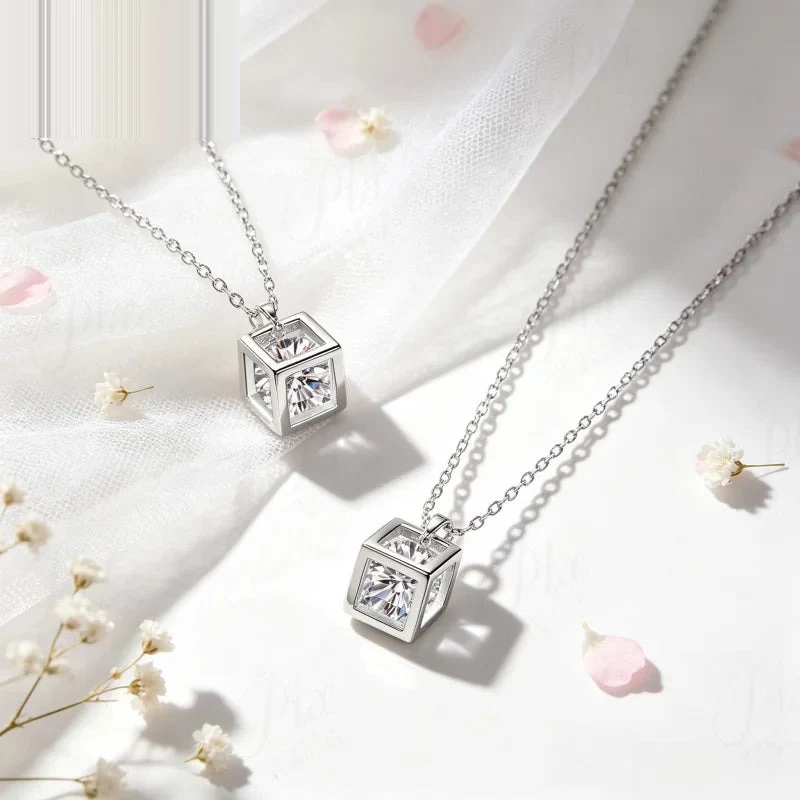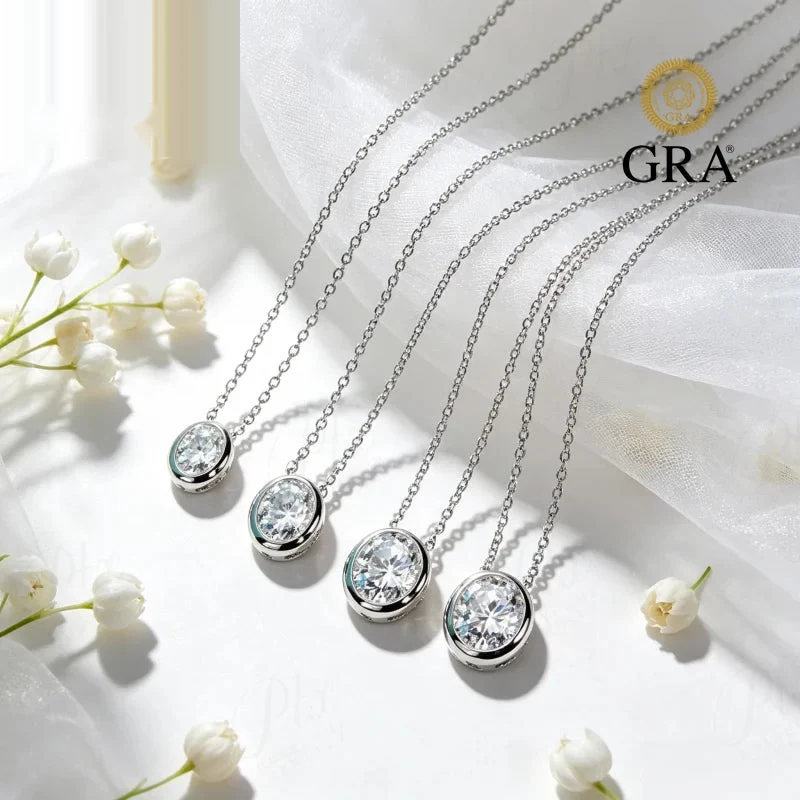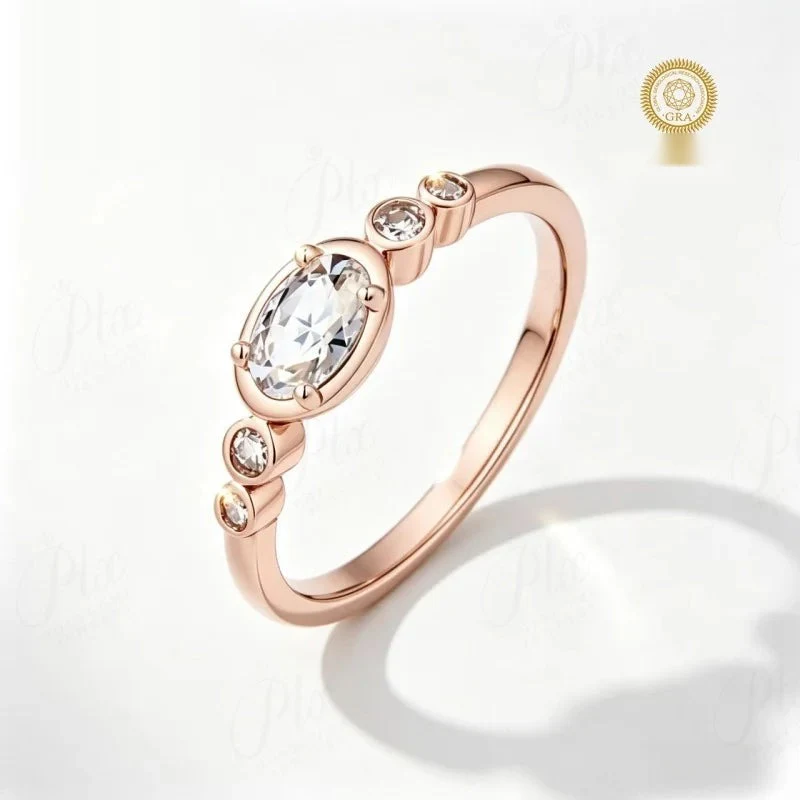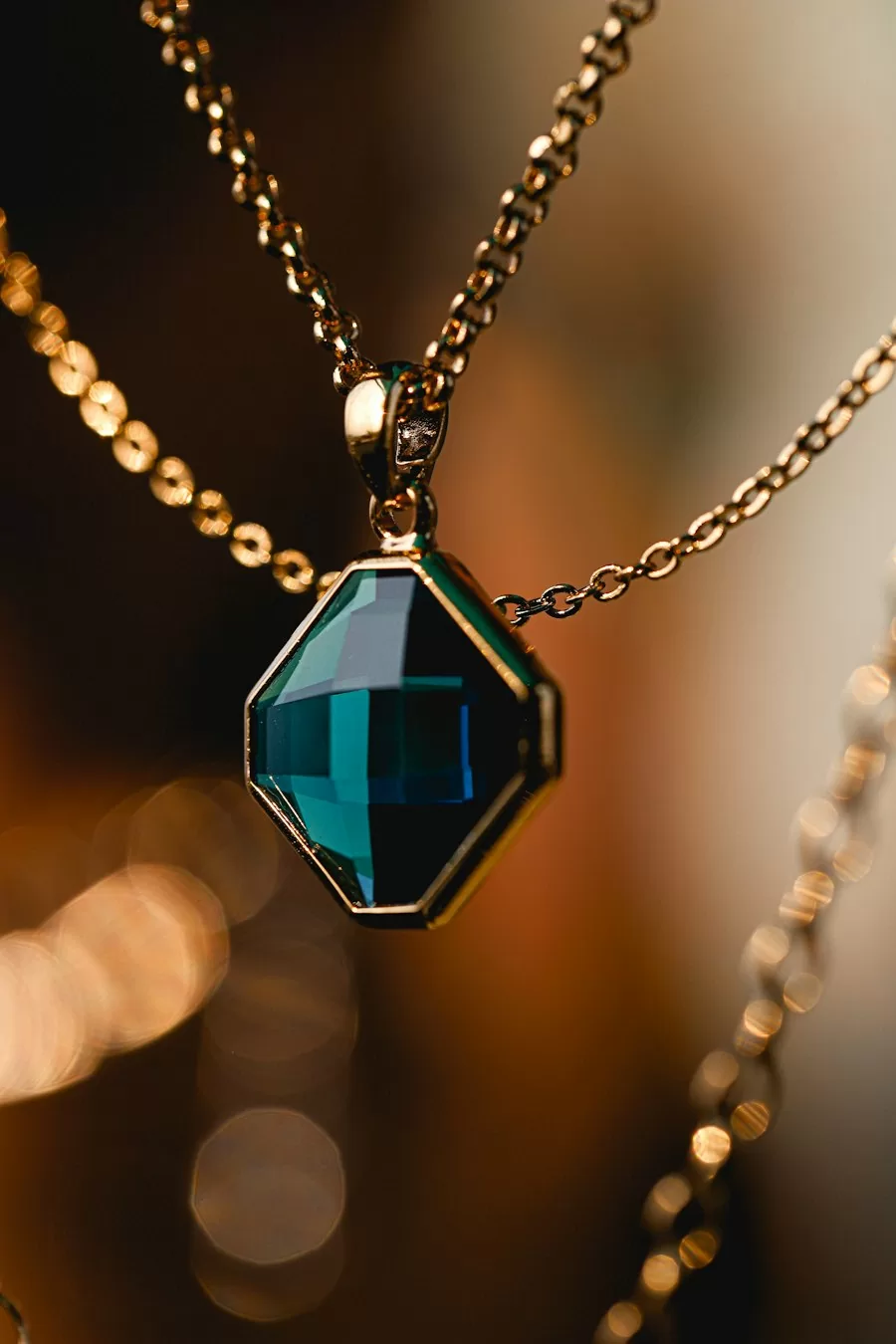
When buyers move away from a mined diamond, two names come up more than any others: moissanite and sapphire. Both are beautiful, durable, and kinder to a budget. But they solve different problems, and confusing them leads to returns, disappointment, and rings that do not match the person wearing them. This guide lays the two side by side so the choice becomes obvious.
What each stone actually is
Moissanite is lab-created silicon carbide, first discovered in a meteorite and now grown in controlled environments. It is near-colorless or colored on demand and engineered for brilliance. Sapphire, by contrast, is a corundum gem. The famous blue is classic, but sapphire also comes in pink, yellow, padparadscha, and, in its non-red form, a clear white. Natural sapphire is mined; lab-grown sapphire is chemically identical without the mining footprint.
Durability: both are built for daily wear
On the Mohs scale, sapphire sits at 9, just below diamond's 10. Moissanite lands around 9.25. Both are far tougher than quartz and more than capable of handling a lifetime of handwashing, typing, and grocery runs. A sterling silver band is a fine partner for either stone, though a higher-contact ring can justify a more solid setting style. The practical difference in durability is small; buyers should not choose between them on toughness alone.
Look and sparkle: where they diverge
This is the real decision. Moissanite is famous for its fire, meaning the rainbow flashes it throws. In daylight it reads bright, almost electric, and its facet pattern spreads light like a diamond with extra color. If a buyer wants a stone that clearly sparkles and reads "white diamond adjacent," moissanite delivers it at a fraction of the price. We break the optical science down further in moissanite fire and brilliance explained.
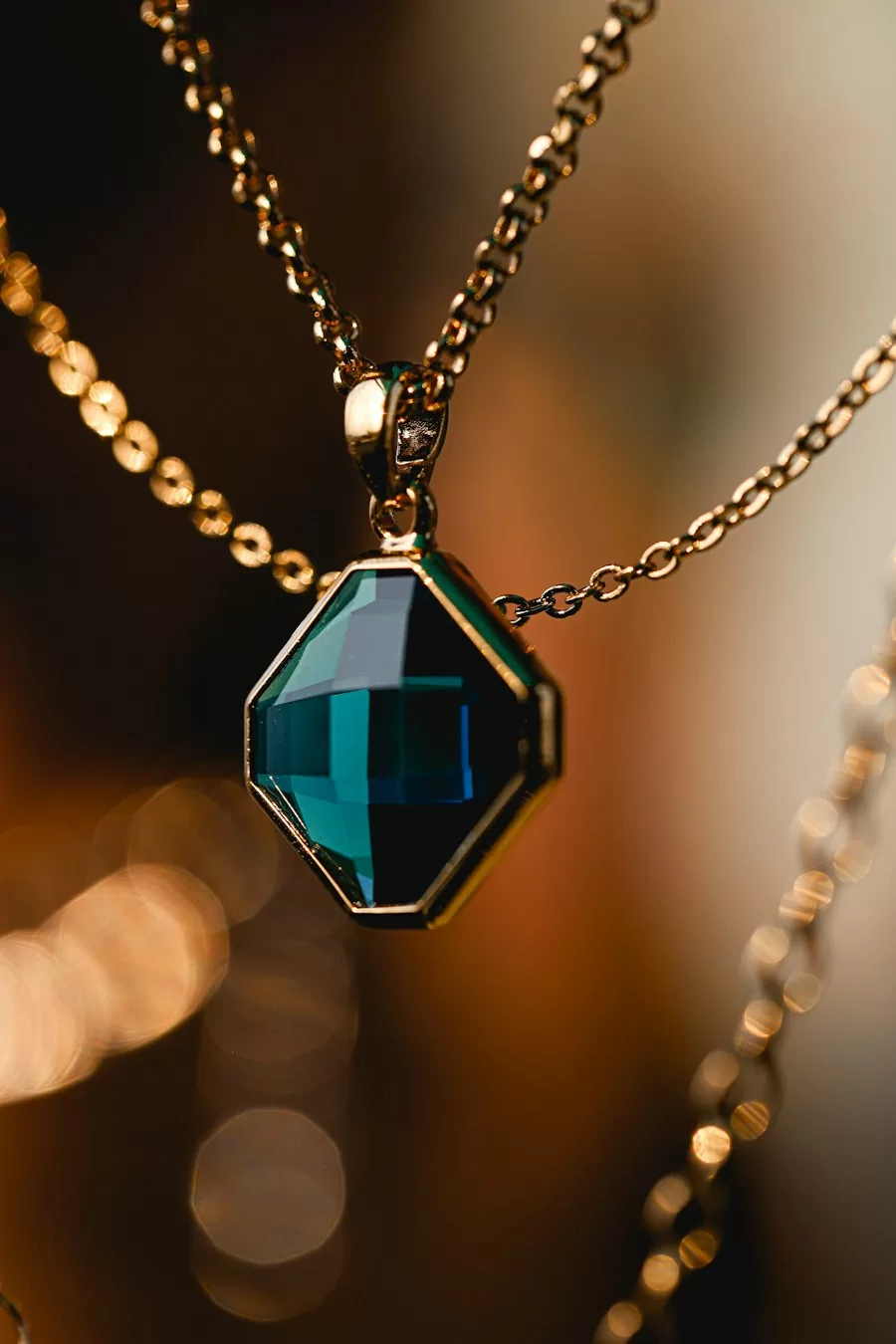
Sapphire is the opposite pleasure. Its allure comes from color and depth, not rainbow flicker. A blue sapphire absorbs light and gives back a saturated, moody glow; a white sapphire is quieter and less fiery than moissanite. Buyers who want a stone that reads as a rich color, or who prefer understated elegance, usually land on sapphire. Those who want maximum sparkle on a small budget land on moissanite.
Price and value
Here moissanite is decisive. A well-cut moissanite center stone in a 925 silver setting costs a small fraction of a comparable-looking natural sapphire. Lab-grown sapphire closes the gap but still usually costs more than moissanite at comparable size. For retailers, moissanite opens engagement-ring pricing to customers who could never otherwise buy a 1-carat-looking center stone, which is why the category has grown so fast. Compare the full trade-offs in moissanite vs diamond.
Ethics and story
Both options outperform a typical mined diamond on origin clarity. Lab moissanite has a fully traceable creation story, and lab sapphire shares the same advantage. A natural sapphire carries a different romance, often mined and rarely cheap. Decide which story you want to tell: the modern, sustainable, maximum-sparkle story of moissanite, or the colored, heirloom, natural-material story of sapphire.
How to choose in practice
Ask three questions. Does the buyer want color or sparkle? Sapphire for color, moissanite for fire. What is the budget? Moissanite stretches a dollar further. What metal and setting? Both pair beautifully with sterling silver, but a moissanite solitaire in a bright bezel shows off its fire best, while a sapphire blooms in a vintage-style halo. Read more in the 4Cs of moissanite.
Care and everyday upkeep
Both stones are hard enough to clean with warm, soapy water and a soft brush, and both sit comfortably in sterling silver settings. The one practical watch-out is moissanite's tendency to read differently under various light sources; some buyers notice it looks more colorful in bright daylight and calmer indoors. Sapphire is far more consistent. If your customer is sensitive to a stone that "changes personality," a blue or white sapphire may feel calmer to live with. Either way, avoid harsh chemical dips on the silver itself, and follow the gentle cleaning habits in our care guides.
What resellers should stock
For a retailer, the choice often comes down to margin and audience. Moissanite opens the engagement ring category to first-time buyers who want a big, bright center stone at an accessible price, which drives higher average orders. Sapphire serves the buyer who wants color, story, and a more traditional fine-gem feel. Many smart shops stock both and let the customer's taste decide, because the two rarely compete for the same buyer.
Neither stone is the "right" one in the abstract. They are right for different people. When in doubt, ask the wearer whether they are drawn to color and depth or to sparkle and fire, and the answer usually settles it. Match the stone to the wearer's taste, and the ring will be worn every day instead of saved for special occasions.
For third-party reference, the Wikipedia article on moissanite details moissanite’s discovery, optical properties and use in jewellery.
Frequently Asked Questions
Is moissanite a good diamond alternative for retail buyers?
Yes for price-sensitive customers who want brilliance and hardness. Moissanite ranks 9.25 on the Mohs scale, holds up to daily wear and costs a fraction of a natural diamond of the same size, so it resells fast in bridal and fashion lines.
What is the minimum order for wholesale moissanite?
MOQ starts at 50 pieces per design for stock items. Custom cuts and private-label settings usually start at 100–300 pieces depending on the mold.
Do you provide certificates with moissanite stones?
Yes. Every parcel ships with GRA or IGI documentation listing carat weight, color grade and cut. We recommend passing the certificate to your end customer for trust.
How long does sample and bulk production take?
Samples ship in 3–5 days. Bulk runs take 15–20 days under 500 pieces, and 25–30 days for custom work.