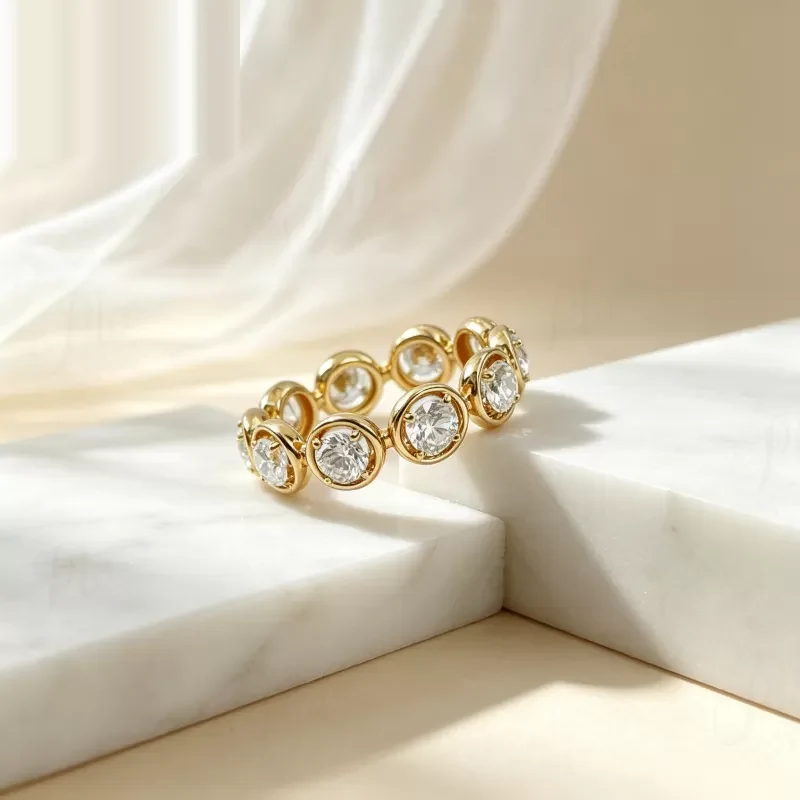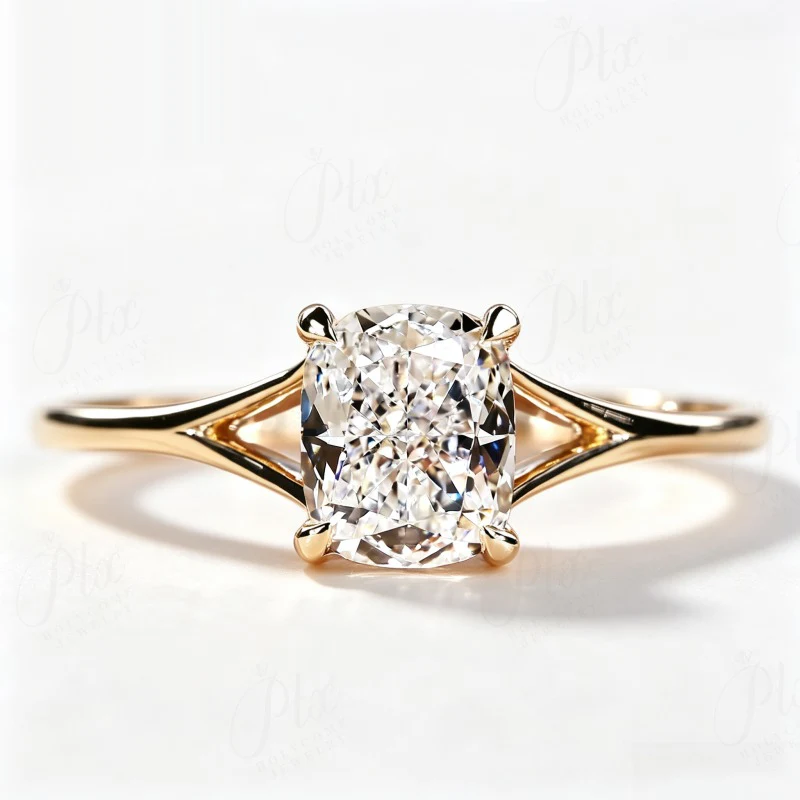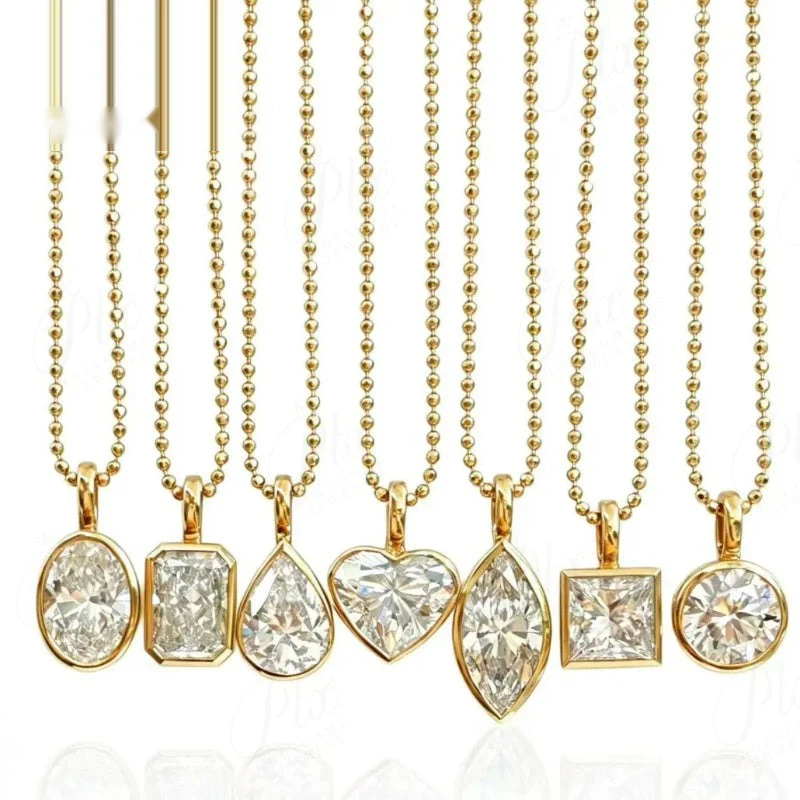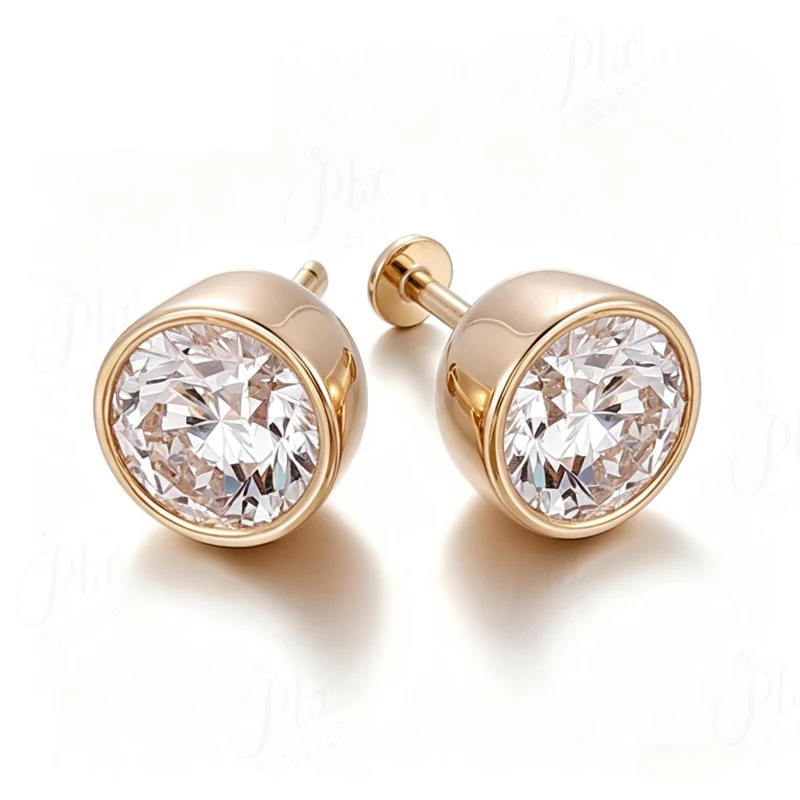
Once shoppers move past mined diamonds, they usually land on one of two modern options: lab-grown diamonds or moissanite. Both deliver a bright, white, diamond-style look at a fraction of a mined diamond's price, which is exactly why they dominate affordable engagement and fashion jewelry. But they are not the same stone, and the difference matters once you set one in 925 sterling silver. Here is a clear comparison of the two, aimed at buyers and retailers trying to decide what to stock.
What each stone actually is
A lab-grown diamond is chemically, optically, and physically a real diamond. It is grown in a controlled environment rather than mined, and it tests as diamond on standard equipment. Moissanite, by contrast, is its own gemstone, silicon carbide, which happens to look diamond-like. It is not a fake diamond and it is not a diamond substitute in the cheap sense. Our overview of what moissanite is explains that distinction. This is the first thing customers ask, so being able to say it plainly builds trust.
Appearance: sparkle versus fire
This is where the two diverge most visibly. Lab-grown diamonds reflect light like mined diamonds, with a balanced white sparkle. Moissanite produces more rainbow fire because of its double refraction, meaning it throws flashes of color. Some shoppers love that extra fire; others prefer the subtler white flash of a diamond. On a simple silver solitaire, both look brilliant. The preference is genuinely taste-driven, which is why our natural light guide recommends looking at the stone outdoors before deciding.
Durability on a silver band
Both stones are hard enough for daily wear. Diamonds, lab-grown or not, are the hardest known material. Moissanite is slightly lower but still near the top of the Mohs scale, far harder than most fashion gems. See the comparison in our Mohs scale guide. The practical takeaway: set either in solid 925 silver and both will hold up. The band matters more than the stone, which is why we emphasize stamped sterling rather than plated base metal.
Price and value
Here the economics flip in a way many buyers do not expect. Lab-grown diamonds cost more than moissanite, though still far less than mined diamonds. Their prices have fallen as production scaled, but they remain a step above moissanite. Moissanite is the budget king: you can choose a much larger stone for the same money. On resale, both are weak compared with mined diamonds, but moissanite especially is bought for beauty rather than investment. Compare this reasoning in our moissanite versus diamond guide.
What sells best on silver
For fashion and promise rings on a 925 silver band, moissanite usually wins on value-to-sparkle. It gives customers the big, fiery look they want at a price they do not have to think twice about. Lab-grown diamonds attract shoppers who specifically want a real diamond without the mined-diamond price tag, and who are willing to pay a little more for that identity. Stocking both covers both mindsets. Pair either with a clean silver setting like the ones in our ring settings guide.
The honest bottom line
Choose a lab-grown diamond when the customer wants the real-diamond identity and is comfortable paying a bit more. Choose moissanite when the customer wants maximum visible sparkle, the most stone per dollar, and does not care about diamond status. Both are legitimate, durable, and well suited to sterling silver. The right answer depends on what your customer actually wants, not which stone is objectively better.
How to talk about the difference to customers
Shoppers often confuse the two, and confusion kills sales. Keep your explanation simple and honest. Say that a lab-grown diamond is a real diamond made in a factory, while moissanite is a separate gemstone that looks diamond-like and throws more fire. Do not pretend one is identical to the other, and do not sell moissanite as a fake diamond. Customers respect honesty, and they remember the store that explained things clearly instead of overselling. That trust is worth more than a quick commission.
Offer both and let the customer self-select. If someone comes in wanting a real diamond identity at a lower price, show the lab-grown options. If they want the biggest, brightest stone for the money and do not care about the diamond label, show the moissanite. Having both on the shelf means you never lose a sale because your assortment was too narrow. On a 925 silver band, both categories look premium, durable, and wearable every day, which is the promise you can stand behind no matter which one they choose.
Lab-grown diamonds and moissanite both deliver diamond-style beauty at accessible prices, but they are different gems. Diamonds give white sparkle and real-diamond identity; moissanite gives vivid fire and the biggest stone per dollar. On a quality 925 silver band, both wear beautifully. Know your customer, stock both mindsets, and let taste, not marketing, make the call.
The 92.5% silver composition and properties of sterling silver are described in the Wikipedia entry on sterling silver.
Frequently Asked Questions
Is moissanite a good diamond alternative for retail buyers?
Yes for price-sensitive customers who want brilliance and hardness. Moissanite ranks 9.25 on the Mohs scale, holds up to daily wear and costs a fraction of a natural diamond of the same size, so it resells fast in bridal and fashion lines.
What is the minimum order for wholesale moissanite?
MOQ starts at 50 pieces per design for stock items. Custom cuts and private-label settings usually start at 100–300 pieces depending on the mold.
Do you provide certificates with moissanite stones?
Yes. Every parcel ships with GRA or IGI documentation listing carat weight, color grade and cut. We recommend passing the certificate to your end customer for trust.
How long does sample and bulk production take?
Samples ship in 3–5 days. Bulk runs take 15–20 days under 500 pieces, and 25–30 days for custom work.