A buyer in Chicago sent back a halo six months after delivery: four of the pave side stones were missing, two on the outer edge of the halo and two under the gallery where the ring catches on a desk. The center stone was fine. That return is the single most common post-wear complaint on a custom moissanite halo, and it almost always comes down to how the micro-pave was built, not to the center stone. Below is the build spec we adopted after a 2022 batch came back with the same problem.
Micro-pave versus prong-set side stones
There are three ways to set a halo: bead (micro-pave), prong, and channel. Bead setting pushes a small rim of metal over the girdle of each stone; prong setting uses individual claws. Bead setting reads cleaner from the top but fails when the beads are too small or the stones are placed where the ring takes impact. We use bead pave only on flat, protected surfaces - the top face of the halo and the shoulders - and switch to 1.0 mm bead or micro-prong on edges and gallery surfaces where the piece contacts other objects. A prong setting is easier to repair later, which is why we use it on any surface that takes knuckle or desk contact.
Stone size, bead count and why tiny stones fail
The smallest pave stones we set regularly are 1.0 mm; below that, the bead has to be so fine that it opens after months of wear. Most retail halos use 1.0 to 1.3 mm round moissanite. A 7 mm center halo typically carries 22 to 30 side stones; an 8 mm center halo carries 30 to 40. Each stone sits in a drilled seat with a minimum of two beads, and we spec that the beads cover at least 10% of the girdle - not the table, not the crown. A bead that touches the crown is a chip waiting to happen.
For the center stone's optical reference we point buyers to IGI's lab-grown diamond and moissanite grading pages; the same cut geometry applies to halo center stones even though we sell moissanite rather than lab diamond.
Where pave actually fails
Our repair log shows four failure hotspots, in order:
- Outer edge of the halo - the stones closest to the finger knuckle take impact when the hand closes. We deepen the seat by 0.1 mm on this row and use a slightly larger bead.
- Underside gallery - where the ring contacts a desk or steering wheel. We do not pave the gallery; we leave it plain metal.
- Shoulders - the transition between halo and band. We use a channel or micro-prong here rather than bead.
- Pave that runs around a curved band - stones rotated to follow the curve lose bead coverage on the inside edge; we use 1.3 mm stones on curves, not 1.0 mm.
Our pre-shipment QC checklist includes a prong-tightness pass on every pave row before the piece leaves the bench.
The build spec we ship
When a buyer asks for a custom halo, we quote to a fixed spec: 1.2 mm round moissanite on flat top surfaces, 1.3 mm on curved shoulders, two beads per stone, a 0.1 mm deeper seat on the outer halo row, no pave on the gallery underside, and a post-setting point test where each bead is probed with a dental pick. We also photograph the pave rows under 10x magnification and include the photo in the sign-off email. That step alone cut pave return complaints by about 60% in the year after we introduced it.
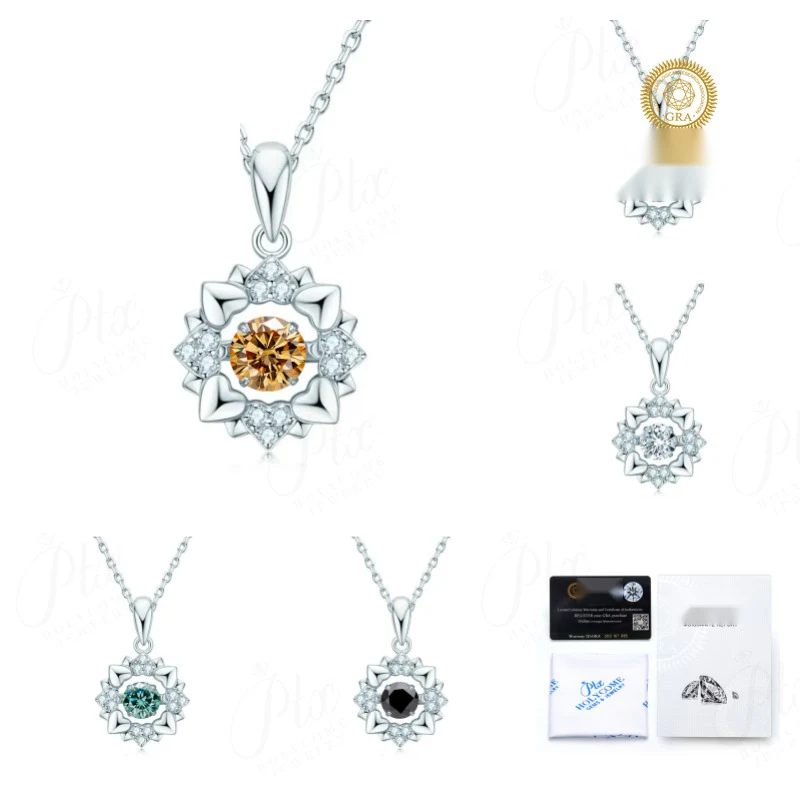
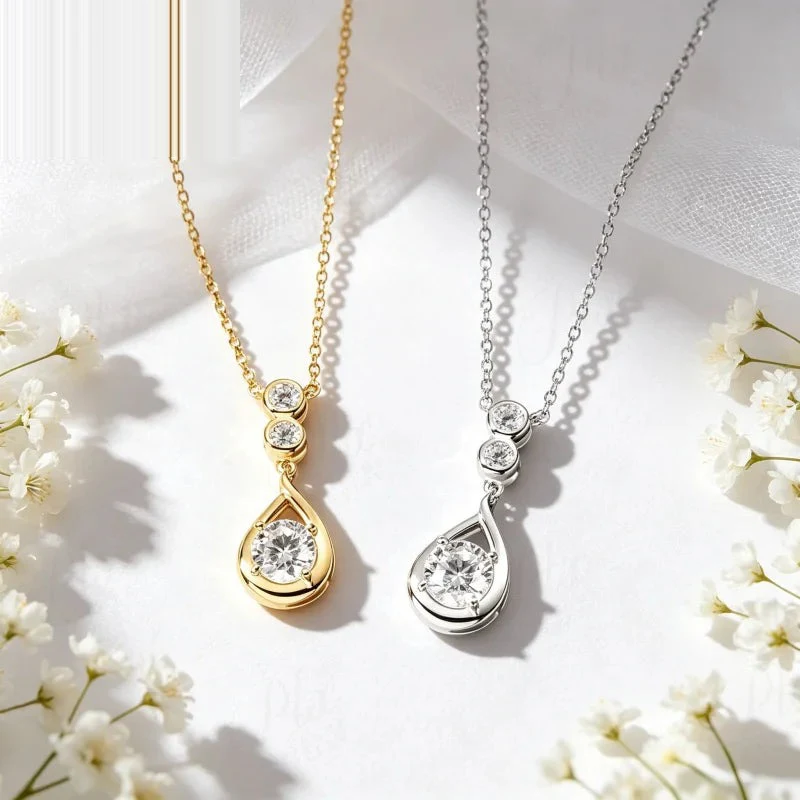
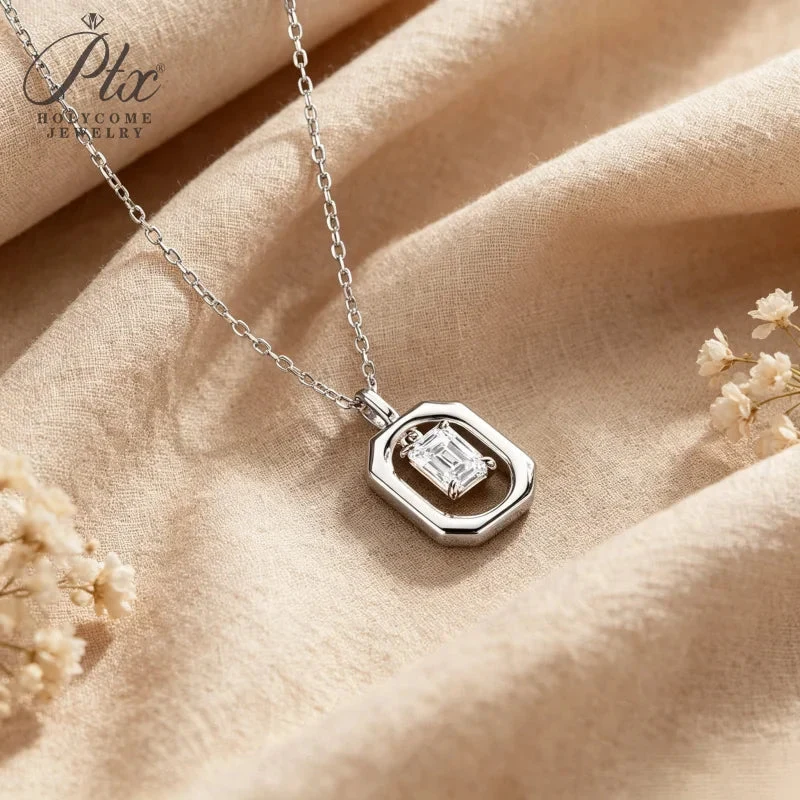
For a necklace or pendant version of the same design, the same rules apply; see our chain and bail guide for how a halo pendant sits on a neck.
How small can pave stones be?
We set 1.0 mm as the production minimum. Below that, the beads are too fine to survive daily wear and we quote a micro-prong instead.
Do micro-pave stones fall out easily?
Not when they are set on flat surfaces with two beads per stone. The failures we repair are almost always on edges, curves or gallery surfaces where bead setting was used by mistake.
How many stones are in a typical halo?
A 7 mm center halo runs 22 to 30 side stones; an 8 mm center halo runs 30 to 40. The count changes with the halo width the buyer chooses.
Can pave be re-tipped after stones fall out?
Yes. We offer a fixed repair rate for re-beading and re-seating, and most repairs take three to five working days. Buyers who order at MOQ 5 units get one free repair window per batch.
How much does a halo add to the price?
A 1.2 mm pave halo adds roughly 25% to 35% to the solitaire price, depending on stone count. The small-batch MOQ guide shows how the per-unit price drops at 5- and 20-unit batches.
Send us the center-stone mm size and the halo width you want. We will return a CAD render with the pave row spec and a firm quote within three working days. Order your custom moissanite halo today.
For background on how lab-grown diamonds are produced, the Wikipedia article on synthetic diamonds explains the HPHT and CVD growth methods.
Frequently Asked Questions
Is moissanite a good diamond alternative for retail buyers?
Yes for price-sensitive customers who want brilliance and hardness. Moissanite ranks 9.25 on the Mohs scale, holds up to daily wear and costs a fraction of a natural diamond of the same size, so it resells fast in bridal and fashion lines.
What is the minimum order for wholesale moissanite?
MOQ starts at 50 pieces per design for stock items. Custom cuts and private-label settings usually start at 100–300 pieces depending on the mold.
Do you provide certificates with moissanite stones?
Yes. Every parcel ships with GRA or IGI documentation listing carat weight, color grade and cut. We recommend passing the certificate to your end customer for trust.
How long does sample and bulk production take?
Samples ship in 3–5 days. Bulk runs take 15–20 days under 500 pieces, and 25–30 days for custom work.