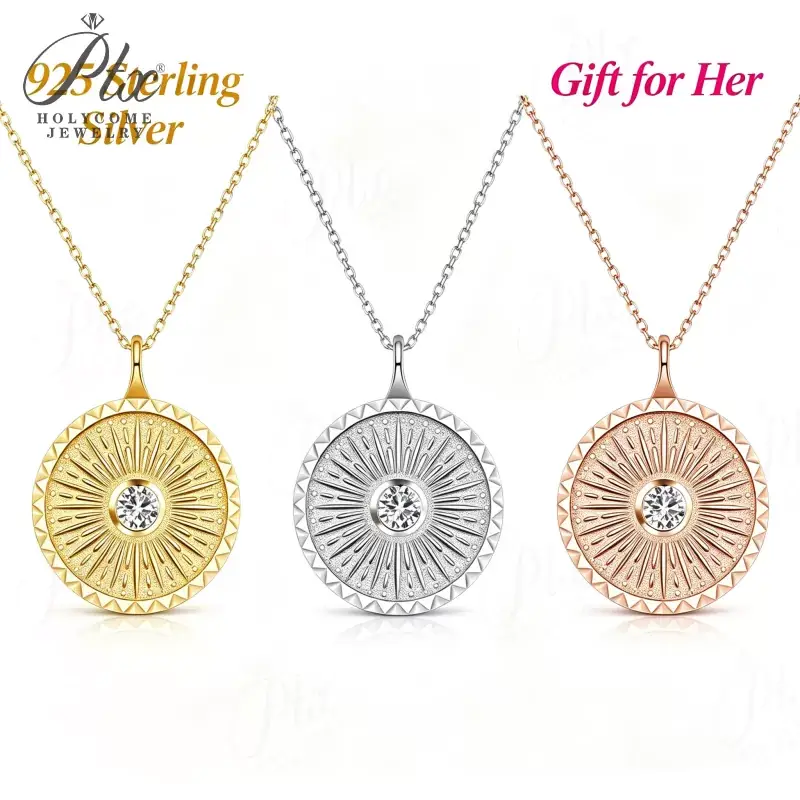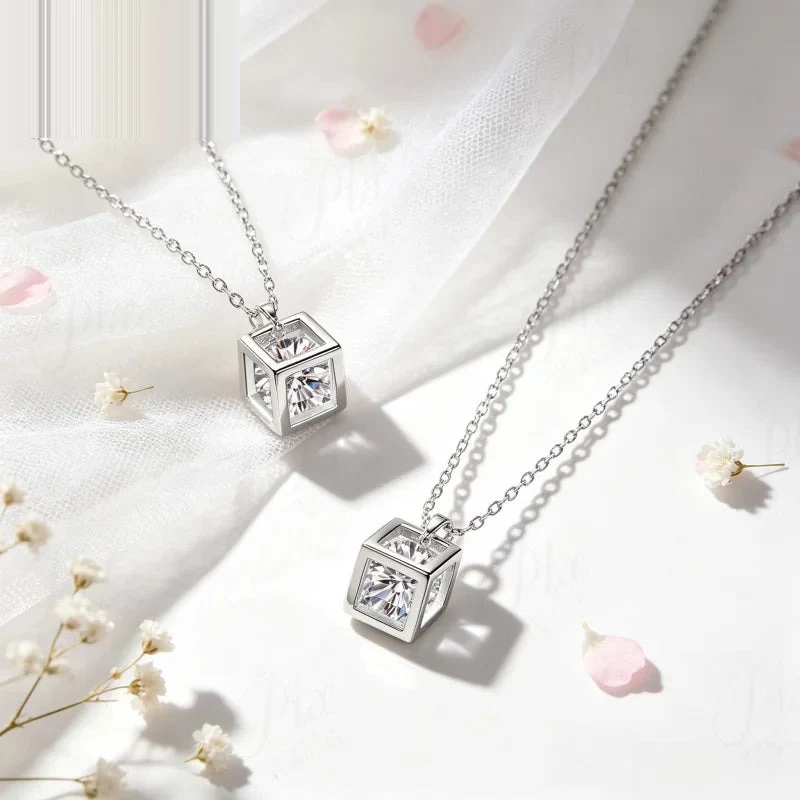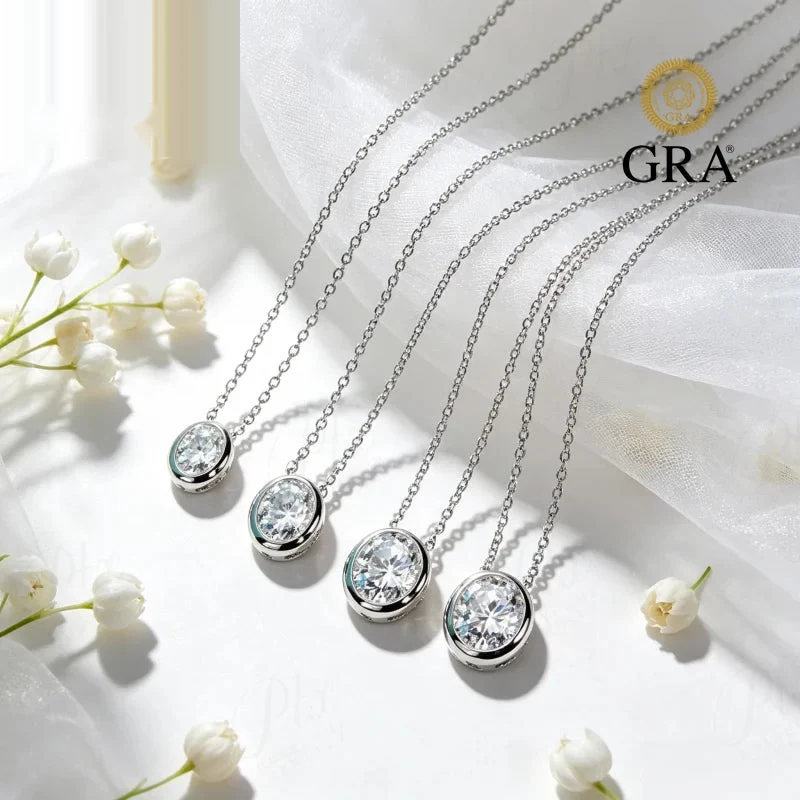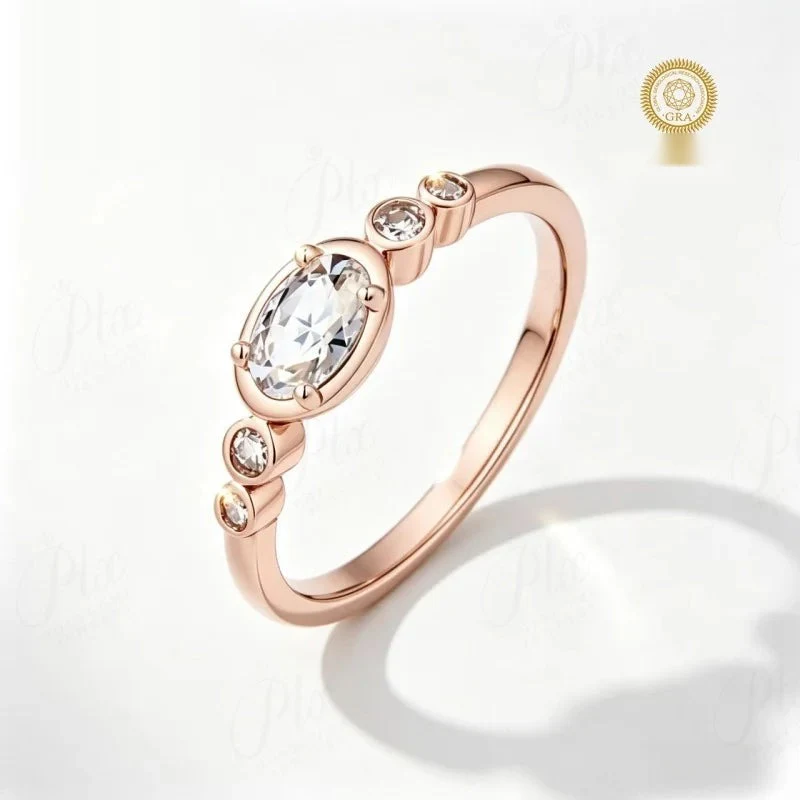
A custom piece leaves our workshop only after it passes a 14-point QC checklist. We built that checklist the hard way, after a 2022 batch of 40 rings came back with three that had prong tips too short to tension-set the stone, two with the wrong finger size, and one with an engraving typo. Each failure traced back to a single step that had not been measured. This article is the checklist we now run on every custom order, so buyers know what to expect and what to push back on if a piece arrives wrong.
The first pass: casting and dimensions
Before any stone is set, we measure the ring on a calibrated mandrel to confirm the finger size is within +/- 0.3 mm of target. We measure the band width at the shoulder and the base, and the head seat to the nearest 0.05 mm against the measured stone. If the seat is too small the stone will not drop in; if it is too large the stone will rattle. Casting porosity is inspected under 10x magnification; any pit larger than 0.2 mm is repaired before polishing.
The second pass: stone setting
The moissanite is set and checked on four axes. We measure the table-to-baseline height to confirm the stone sits at the correct off-finger height. We check each prong with a dental point: a properly tensioned prong will not move under light pressure. We inspect the girdle for any chip introduced during setting. We compare the set stone against the reference photo the buyer approved in CAD. Any visible deviation triggers a reset. The prong-tension check matters more on a prong setting than on a bezel, which is why the prong pass is weighted more heavily in our scoring.
The third pass: finish and plating
Polish is inspected under a 3000K LED strip at 20 cm distance. Scratches deeper than 0.05 mm are re-polished. Rhodium plating thickness on white-metal pieces is measured by XRF to a target of 0.5 to 1.0 micron. Under-plating looks dull after six weeks of wear; over-plating hides the engraving. We also check that the engraving legibility is at least 0.8 mm character height and that the metal stamp (14K, 925, PT950) is opposite the engraving line.
What the 2022 defects taught us
Looking back at that batch of 40 rings, the three prong-tip failures all traced to the same root cause: the setter had seated the stone on a Friday afternoon and flagged the tips as short, but no one re-tipped them before the weekend. The wrong finger size traced to a typo in the PO that no one cross-checked against the CAD. The engraving typo traced to us taking the character string from a Slack message rather than a written order. Each of those root causes is now a forced gate: prong tips are measured with a digital caliper, finger size is read back to the buyer in writing before casting, and the engraving string only enters the laser after a signed PDF proof. We publish these gates on the QC checklist so a buyer walking the workshop can see them being run.
The fourth pass: documentation and certification
Every loose moissanite we set is shipped with its own certificate from IGI, stating the carat equivalent, cut and dimensions. We cross-check the certificate against the measured stone on arrival. The material must be described as moissanite, not diamond, on the certificate and on the invoice, per FTC Jewelry Guides. For buyers shipping into China, we also supply the NGTC certificate if requested.
The fifth pass: final photo and pack-out
We photograph the finished piece on a grey card, email the photos to the buyer for sign-off, and pack it in a tamper-evident pouch with the certificate, the polishing cloth and the care card. Shipments are insured to full value. The buyer has 7 days after delivery to flag any issue; we cover repair or remake within that window.
What is your defect rate on custom orders?
Our measured first-pass defect rate is under 2%, down from about 8% in 2022. The most common defect is a prong that needs re-tipping; the rarest is a stone-setting chip, which we have not had in 18 months.
Do you share the QC photos before shipment?
Yes. Every order ships with a photo pack. Buyers who want a video call to inspect the piece live can book a 15-minute slot before pack-out.
What happens if a piece arrives damaged?
We ship fully insured. If the piece arrives damaged, the buyer files a claim with the courier and we remake the piece at no cost. The replacement ships in 14 to 18 days because the CAD file is already archived.
How is the moissanite graded?
We ship only eye-clean, colorless (D-E-F equivalent) moissanite, graded by IGI. We do not stock included or near-colorless stone for custom orders, because the return rate on those is materially higher.
Can I audit the QC process myself?
Yes. We welcome buyers who want to visit the workshop and run the checklist alongside our QC team. We also ship sample packs so buyers can feel the finish before placing a batch order.
Send us your next custom order. We will return the 14-point QC photo pack before shipment and ship the piece insured worldwide. The QC gates described here run on every unit, whether it is a one-off solitaire commission or a repeat batch. Place a quality-checked custom order.
The Wikipedia article on rhodium explains why rhodium plating is applied to white gold and silver jewellery.
Frequently Asked Questions
Is moissanite a good diamond alternative for retail buyers?
Yes for price-sensitive customers who want brilliance and hardness. Moissanite ranks 9.25 on the Mohs scale, holds up to daily wear and costs a fraction of a natural diamond of the same size, so it resells fast in bridal and fashion lines.
What is the minimum order for wholesale moissanite?
MOQ starts at 50 pieces per design for stock items. Custom cuts and private-label settings usually start at 100–300 pieces depending on the mold.
Do you provide certificates with moissanite stones?
Yes. Every parcel ships with GRA or IGI documentation listing carat weight, color grade and cut. We recommend passing the certificate to your end customer for trust.
How long does sample and bulk production take?
Samples ship in 3–5 days. Bulk runs take 15–20 days under 500 pieces, and 25–30 days for custom work.