The setting is the part of a ring that holds the stone, and it does far more than grip a gem. It decides how much light enters the stone, how easily the ring catches on clothing, how safe the stone feels on the hand, and how elegant the silhouette reads from across a room. In 925 sterling silver, settings are lighter and more affordable than in platinum, but the same structural rules apply. Whether you are buying wholesale silver rings or advising a customer, understanding the three most common settings helps you stock with confidence.
Why the Setting Matters More Than the Stone
A beautifully cut moissanite or cubic zirconia can look ordinary in a clumsy setting, while a modest stone can look expensive in a well-proportioned one. Silver settings are designed to keep weight low so the ring sits comfortably on the finger all day, and to protect the stone from knocks. The right setting also changes maintenance: a raised solitaire traps less lotion, but a pavé band catches more lint. Knowing these trade-offs lets you match the ring to the wearer's lifestyle rather than to a trend.

Solitaire Settings: The Classic That Never Ages
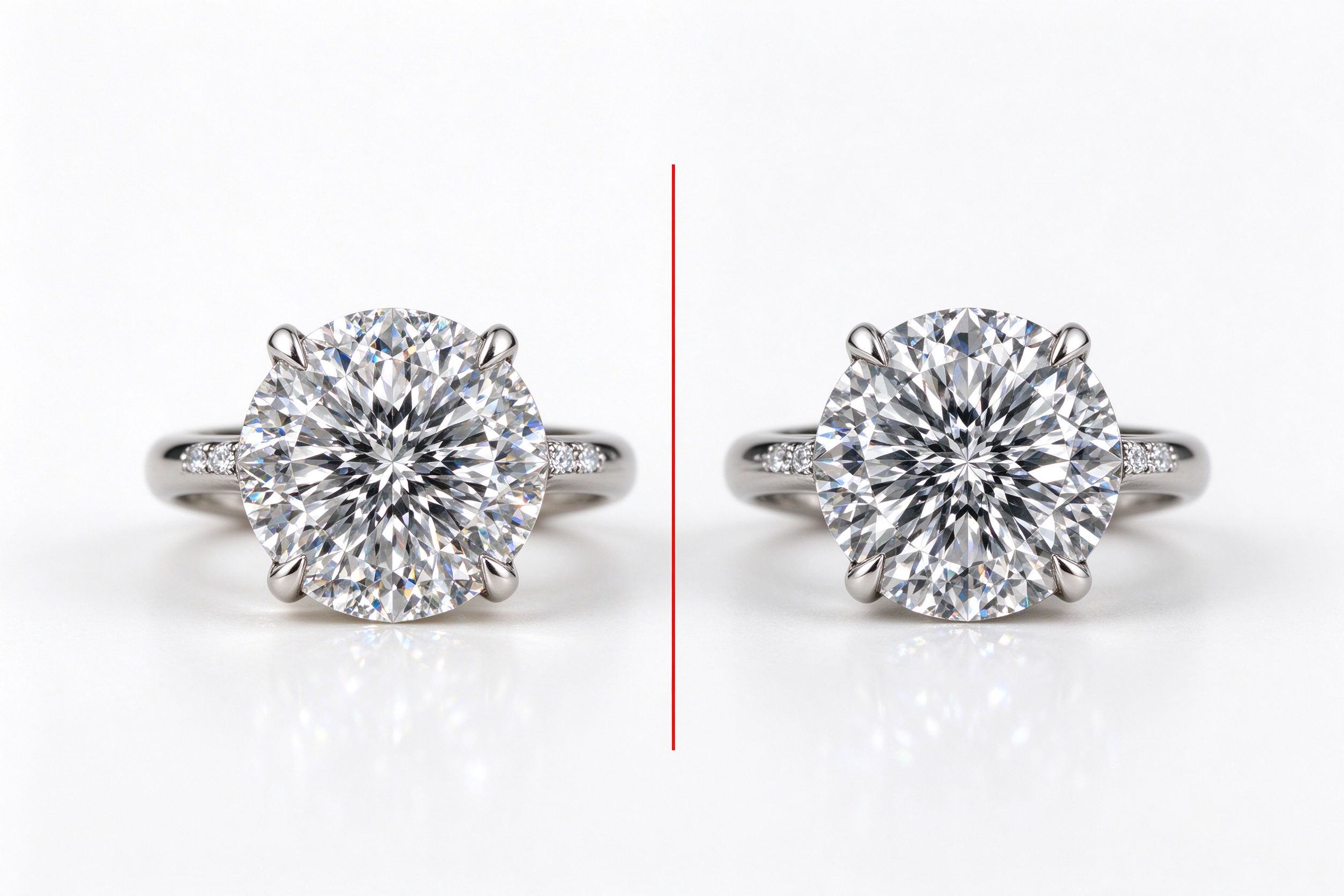
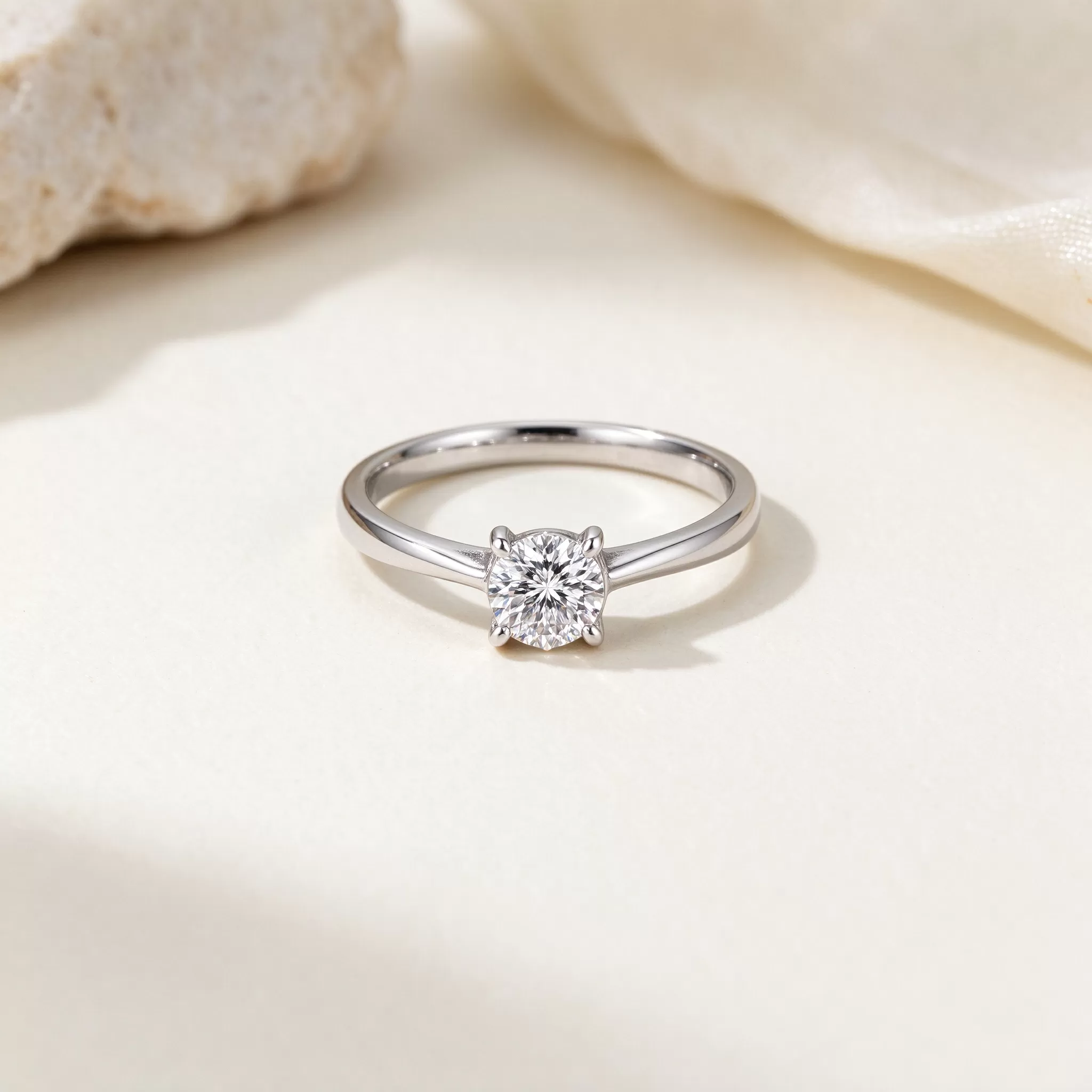
A solitaire uses a single center stone held by prongs, a bezel, or a tension-style grip. It is the default for engagement and promise rings because it puts all attention on the stone. In sterling silver, solitaire rings are popular for entry-level proposal pieces and fashion rings alike.
- Four prongs let the most light in and look sleek, but offer slightly less hold than six.
- Six prongs wrap around the stone for a secure, rounded look that suits active wearers.
- Basket setting adds a lattice under the stone to support it and stop it from rocking.
The trade-off with prongs is that they can catch on hairbrushes and gloves over years of wear. A quality supplier rounds the prong tips so they are smooth to the touch. For customers who work with their hands, a bezel or a lower-profile solitaire is the safer recommendation. You can read more about choosing stones in our guide to moissanite versus CZ in silver.
Bezel Settings: Sleek, Modern and Durable
A bezel wraps a thin rim of silver around the stone's edge instead of using prongs. It is the most protective setting on this list: the stone sits almost flush with the band, so there is nothing to catch on sweaters, gloves, or office equipment. Bezel rings also read as modern and minimalist, which makes them a strong seller for younger buyers and people who want a ring they never have to think about.
Because silver is soft, a bezel needs to be a reasonable thickness to stay closed over time. Thin bezels on cheap plated rings can open and drop stones, which is why solid 925 silver always outlasts plated alternatives for daily wear. A half-bezel covers two sides of the stone, leaving the other edges open to light; it is a middle ground between protection and sparkle.
Pavé and Channel Settings: Sparkle Across the Band
Pavé (pronounced "pah-vay") sets many tiny stones into the band, held by tiny silver beads so the surface looks paved with sparkle. It is the setting behind eternity rings, stackable bands, and halo designs. Channel setting tucks small stones between two rails of metal, which is smoother and safer than pavé because no bead can snag.
- Pavé = maximum sparkle, slightly more care needed to avoid bent beads.
- Channel = smoother, flatter surface, great for stacking next to other rings.
- Halo = a center stone ringed by small stones to make it look larger.
When stocking pavé rings in silver, inspect the beads under magnification before shipment. A loose bead means a lost stone within weeks. Our quality guide explains how to care for silver rings so customers keep these settings bright for years.
How to Recommend a Setting by Lifestyle
Match the setting to how the person actually lives, not just to what looks best in a photo.
- Active hands, manual work: bezel or low solitaire with six prongs.
- Office, elegant style: solitaire or halo for maximum presence.
- Stacker and layering fans: channel or smooth pavé that won't catch neighbors.
- Minimalist everyday: slim bezel or a plain band with one flush stone.
Common Questions
Which silver setting holds the stone most securely?
A well-made bezel is the most protective, followed by a six-prong solitaire. Pavé looks glamorous but the tiny beads are the weakest point, so it is better for occasional or formal wear than heavy daily use.
Can a silver ring setting be resized?
Plain and solitaire bands resize easily. Pavé and eternity rings are much harder to resize because adding or removing metal disturbs the stones, so advise customers to confirm their size carefully. Our measuring guides cover taking accurate ring and wrist sizes.
Does silver scratch a stone's girdle?
When polished correctly, the silver rim in a bezel sits smoothly and won't damage the stone. Cheap settings with rough edges can wear a groove, which is another reason to buy solid 925 silver from a verified maker rather than plated costume jewelry.
Settings are where design and engineering meet. By explaining the difference between solitaire, bezel and pavé in plain language, you help customers pick rings they will actually wear for years, and that builds repeat business for your store. Browse our wholesale silver jewelry guides for more buying and merchandising advice.