"Does it look real?" is the first question every moissanite buyer asks. The honest answer is: moissanite looks like a brilliant, eye-clean gem that sparkles more than most diamonds. It is not a cheap-looking stone, but it does have its own optical personality. Understanding how it behaves in daylight, indoor light, and sunlight helps you set realistic expectations and explain the stone's charm to customers.
Brilliance and Fire: What Sets Moissanite Apart
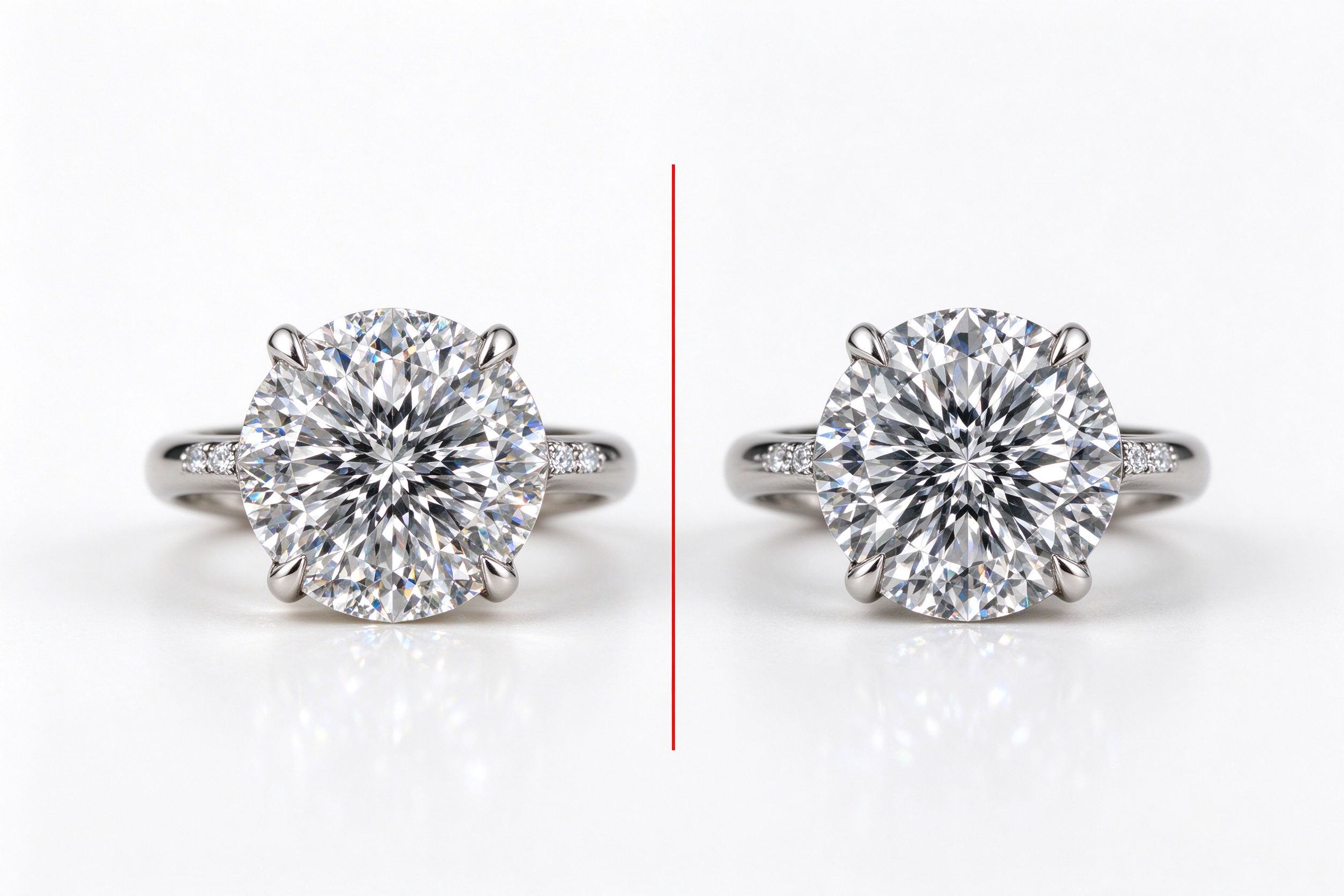
Brilliance is the white sparkle reflecting from a stone's surface. Fire is the dispersion of light into rainbow colors. Moissanite has both in abundance—in fact, it refracts light more strongly than diamond, which is why it can look extra colorful and lively under bright light. This is the reason people choose it: it catches attention and reads as "premium" in any silver or gold setting.
The Gray-Green Tone in Certain Light
Moissanite has a subtle inherent gray-green undertone that appears in certain conditions, especially when the stone is held face-down or viewed in low side light. This is a natural property of the material, not a flaw. In bright, direct light, the rainbow fire overwhelms it and the stone looks white and brilliant. In dim restaurants, it may show a faint gray-green cast. Many wearers never notice; others love it as a sign of authenticity. Setting expectations upfront prevents disappointment.
How It Looks in Different Settings
The setting changes how the stone reads.
- Bright polished silver / white gold: maximizes whiteness and fire; the stone looks brightest.
- Yellow gold: warms the tone and softens the gray-green cast; a popular vintage look.
- Halo settings: surrounding small stones increase total sparkle and distract from any body color.
- Bezel settings: frame the stone and reduce side-on gray-green views.
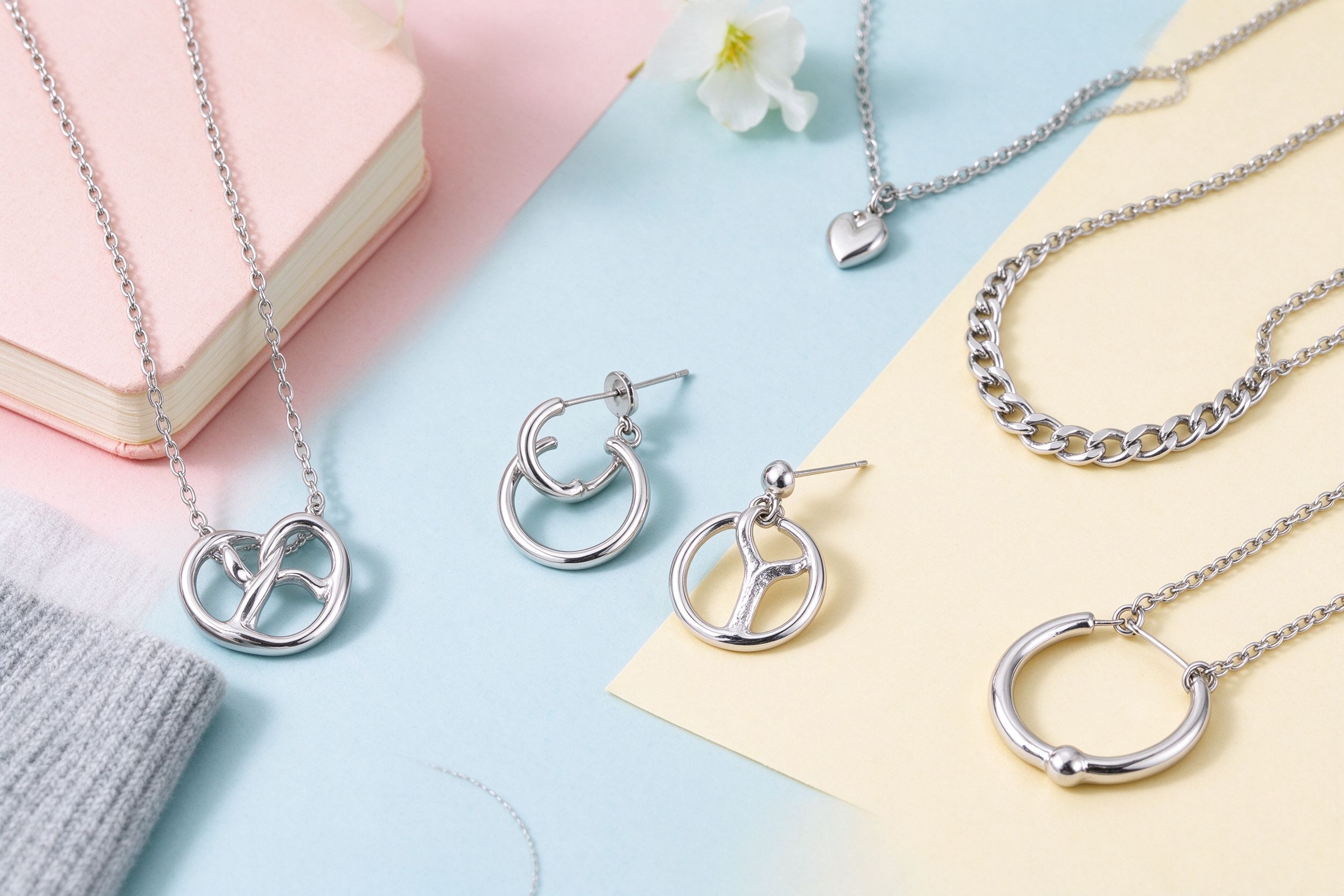
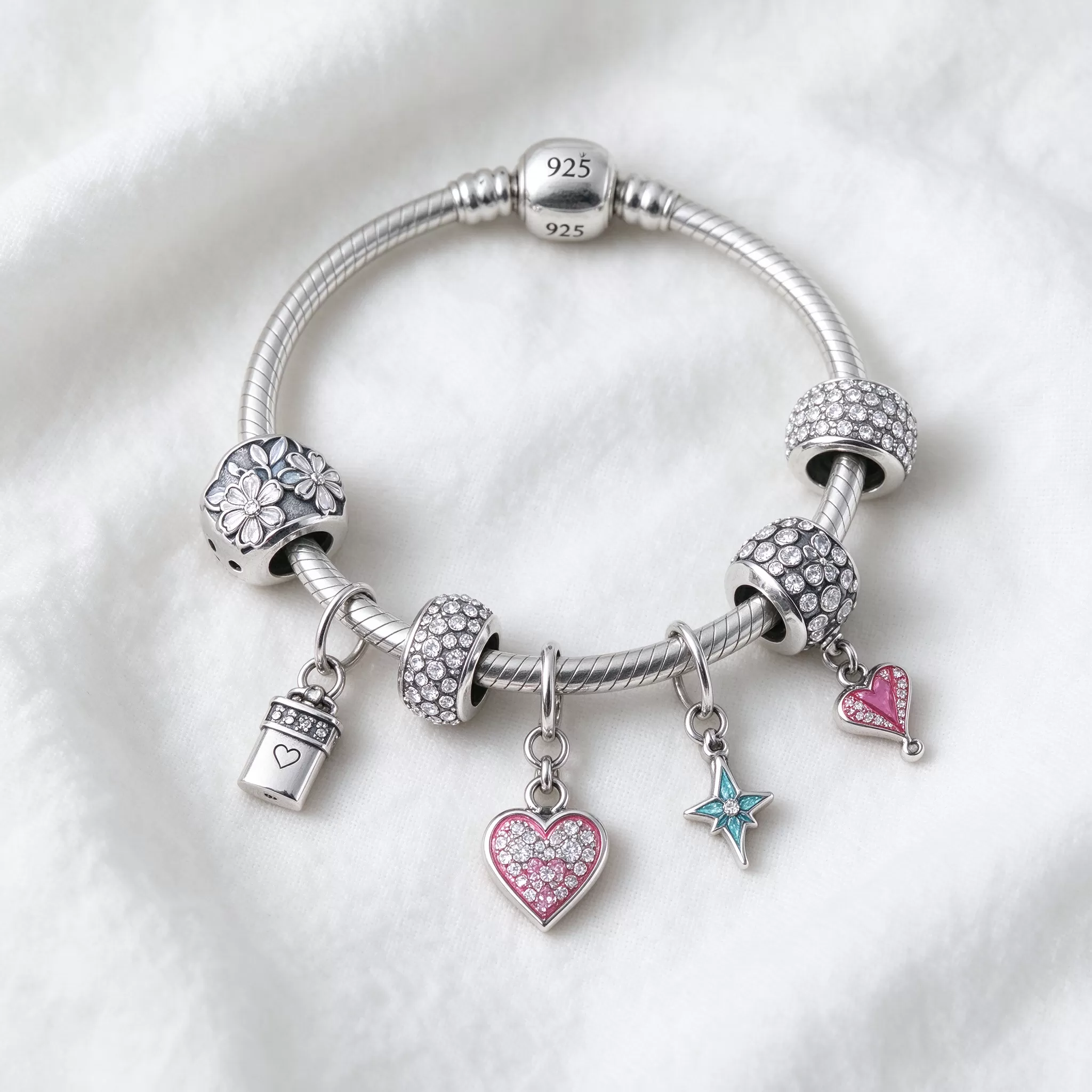
Our ring settings guide covers how each setting changes the look. For silver jewelry, bright settings make moissanite look its best, as shown in our affordable luxury range.
Why It Reads as Real to Most People
To the naked eye, a well-cut D/E moissanite looks like a clean, bright white stone. Most onlookers cannot tell it apart from a diamond at a normal viewing distance. It is eye-clean (no visible inclusions), beautifully faceted, and set in real metal. The "real" question is really about quality of cut and grade, not about the material itself.
- Choose D/E color and a good cut for the brightest look.
- Set it in bright silver or white-toned metal.
- Size it appropriately for the setting.
Addressing Common Doubts
Customers sometimes worry moissanite "looks fake." The most reassuring response is to show it next to a cubic zirconia. CZ is glassy, flat, and quickly dulls. Moissanite has life, fire, and durability. Our moissanite versus CZ comparison makes this difference concrete.
Common Questions
Will people notice my moissanite is not a diamond?
Almost no one at a normal distance. A trained jeweler or someone examining with a loupe may, but the stone looks like a brilliant, clean white gem. The goal is beauty, not deception.
Why does my moissanite look gray indoors?
A faint gray-green cast in dim side light is normal. Brighten the lighting or view it face-up and the fire returns. This is material behavior, not a defect.
Does moissanite hold its looks over time?
Yes. Moissanite is hard (9.25 on Mohs) and won't cloud or scratch like CZ. With simple cleaning, it stays bright for decades. See our hardness and durability guide.
Moissanite looks real because it is real—a durable, brilliant lab-grown gem. Set expectations about its fire and tone, choose bright silver settings, and customers get a stone they're proud to wear. Explore our moissanite guides for more.
Photographing Moissanite Accurately
Because moissanite sparkles so strongly, product photos can either flatter it or misrepresent it. Photograph in natural daylight near a window, where the fire shows naturally, rather than under harsh direct flash that blows out the stone. Show one close-up of the stone on skin and one in soft indoor light so buyers understand how it reads in different settings. Avoid over-editing the color to look artificially white. Customers who see realistic photos before buying are more satisfied when the piece arrives. Honest imagery also reduces returns, because what they ordered is what they receive.
Setting Expectations With Customers
The best way to handle the "does it look real?" question is honest education. Explain that moissanite is a genuine lab-grown gem, not a copy of anything, and that its fire is a feature customers choose on purpose. Show the piece in both bright light and soft indoor light so the buyer sees the full range. When expectations are set upfront, buyers love the stone and wear it confidently. Overpromising a "just like diamond" look leads to disappointment; describing the rainbow fire and subtle tone honestly leads to satisfaction. This honesty is what builds repeat buyers.