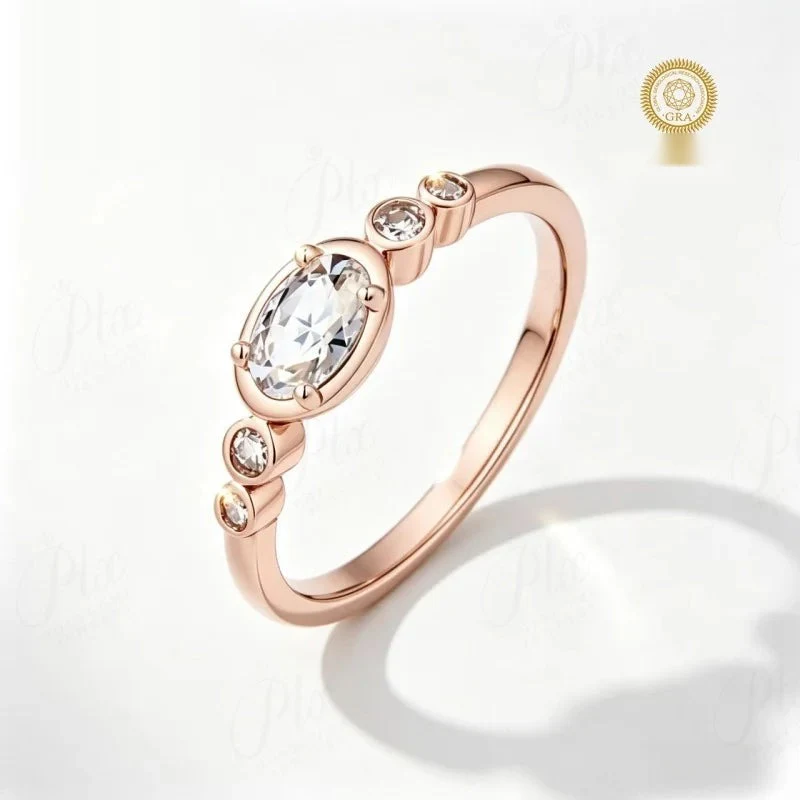
A buyer shipped a custom moissanite bridal set to a client, and the parcel went missing in transit. The buyer filed a claim, but the shipping insurer asked for a valuation listing, stone measurements and metal weight. The buyer had only a packing slip. The claim was delayed six weeks while the numbers were reconstructed. Insuring a custom moissanite order is not a box on the checkout; it is an appraisal file that has to travel with the parcel, and the two fields claims always ask for are the ones buyers forget.
Below is the appraisal file we supply with every custom order, with the transit and retail coverage numbers buyers should ask for.
The appraisal file contents
We supply a one-page appraisal listing: stone type (moissanite), measurements in millimetres, carat equivalent, colour and cut grade, metal fineness, total piece weight in grams, and a manufacturer's photo. That file is what a home-insurance policy and a shipping insurer both accept. The shipment coverage side is detailed in our shipment insurance write-up, and retail appraisal value in our jewellery insurance appraisal guide.
The two fields claims always ask for
Stone measurements and total weight. A claim on a missing parcel is settled on the listed value, and the insurer cross-checks the measurements against the stone type. We list measurements in millimetres, not carat equivalent alone, because moissanite is sold by spread and insurers now ask for mm. Moissanite's status as a lab-created simulant is documented in the moissanite entry, and the appraisal names it correctly so the claim is not rejected for misdescription.
Transit insurance: value declared
We recommend buyers declare the retail replacement value on the shipping form, not the cost. A parcel declared at cost is settled at cost, which leaves the buyer's margin uninsured. We supply the declared value on the proforma. Production timeline and the rush window, which affects transit dates, are covered in our rush order guide.
Retail appraisal for the end client
The end client insures the piece under a home jewellery rider. Our appraisal lists the retail replacement value so the rider covers the right amount. Buyers should not ask the client to insure at cost; the rider covers replacement. Quality checks that support the appraisal, including the stamp and weight, are listed in our custom order quality checks guide. Marking follows FTC 16 CFR 23 marking rules, so the karat stamp on the band matches the appraisal metal.
What we do not insure
We do not insure the client's personal jewellery, and we do not cover loss after delivery. The buyer's shipping policy covers transit; the client's rider covers at home. Buyers who assume the factory covers the piece after the courier scans it out are mistaken. The handover point is delivery.
What does an appraisal need to cover a claim?
Stone type, mm measurements, metal fineness, total gram weight and a photo. Carat equivalent alone is not enough; insurers now ask for millimetres.
What value should I declare for shipping?
Retail replacement value, not cost. Declaring at cost settles at cost and leaves your margin uninsured.
Does the end client need their own insurance?
Yes, a home jewellery rider. Our transit coverage ends on delivery; the client's rider covers at home.
Is moissanite accepted by insurers?
Yes, when the appraisal names it as moissanite with mm measurements. Misdescribing it as diamond risks the claim being rejected.
Why the appraisal names moissanite, not diamond
Insurers settle on the listed gem type. A piece listed as diamond but sold as moissanite is either under-insured (moissanite costs less to replace) or flagged for misdescription at claim time. We list the stone as moissanite with mm measurements, which is the honest and insurable description. The lab-grown status of moissanite is documented in the moissanite entry, and the appraisal names it exactly that way. For the end client, the home rider covers replacement at the listed retail value, not at what the retailer paid. Buyers who want the rider to cover a specific replacement figure should ask us to list that number on the appraisal. Transit coverage is separate: our shipping insurance covers the parcel from our door to the client's, and the client's rider covers from delivery onward.
Appraisal timing in the order
We attach the appraisal file to the parcel rather than waiting for the buyer to ask. It travels with the packing slip so the parcel is insurable the moment it leaves our door. For the end client, we also supply a retail replacement value on the file so the home rider can be written the same week the piece arrives. Buyers who need a named-beneficiary rider or a specific declared value should tell us before production, so the appraisal prints the right figure.
Send us the order and destination. We return the appraisal file, declared shipping value and retail replacement listing with the parcel. Ask us for the appraisal file on your next custom moissanite order.
Frequently Asked Questions
Is moissanite a good diamond alternative for retail buyers?
Yes for price-sensitive customers who want brilliance and hardness. Moissanite ranks 9.25 on the Mohs scale, holds up to daily wear and costs a fraction of a natural diamond of the same size, so it resells fast in bridal and fashion lines.
What is the minimum order for wholesale moissanite?
MOQ starts at 50 pieces per design for stock items. Custom cuts and private-label settings usually start at 100–300 pieces depending on the mold.
Do you provide certificates with moissanite stones?
Yes. Every parcel ships with GRA or IGI documentation listing carat weight, color grade and cut. We recommend passing the certificate to your end customer for trust.
How long does sample and bulk production take?
Samples ship in 3–5 days. Bulk runs take 15–20 days under 500 pieces, and 25–30 days for custom work.