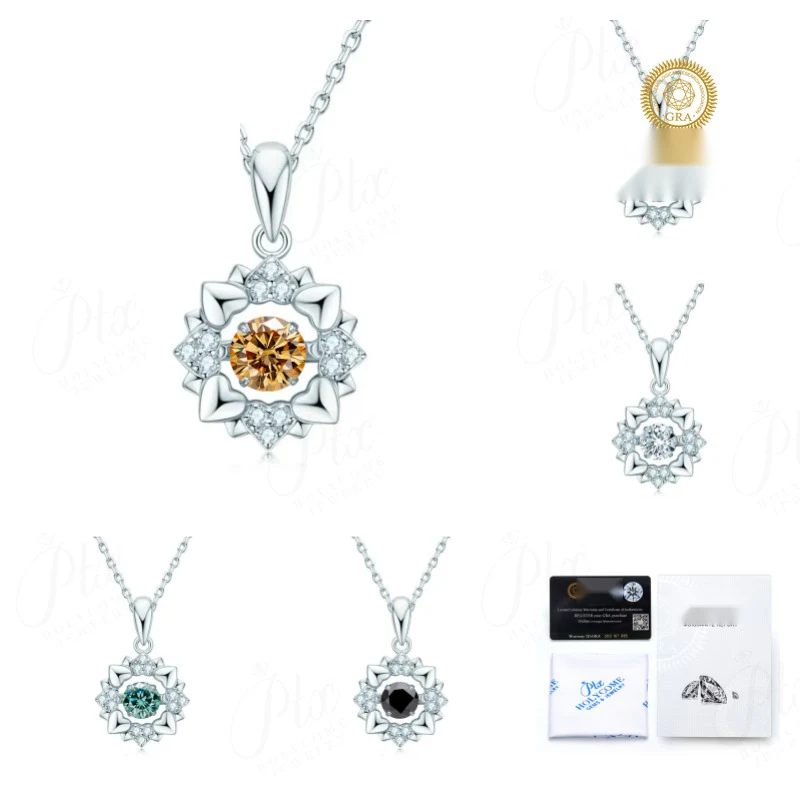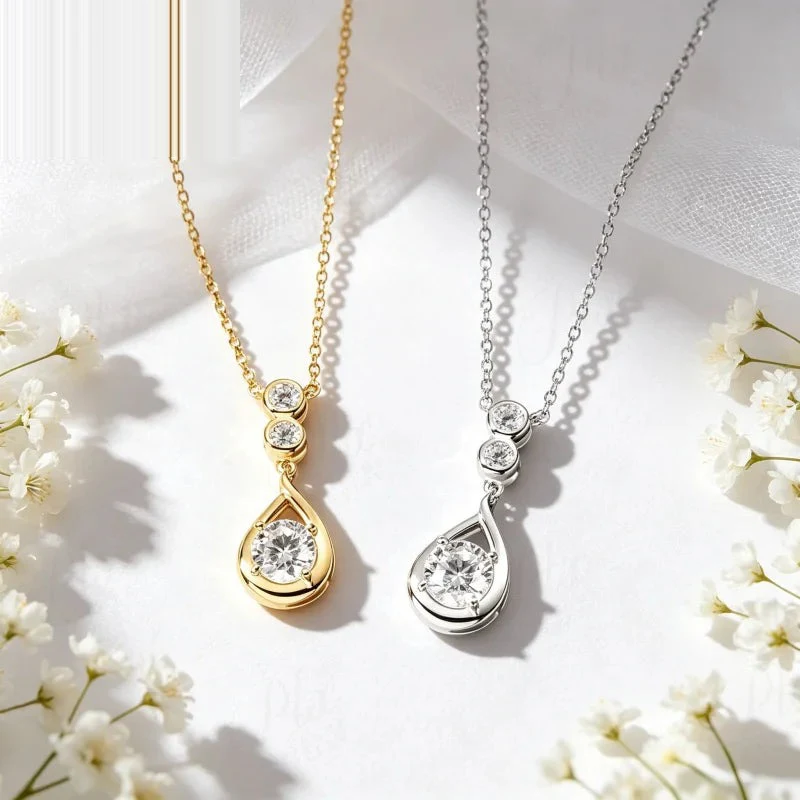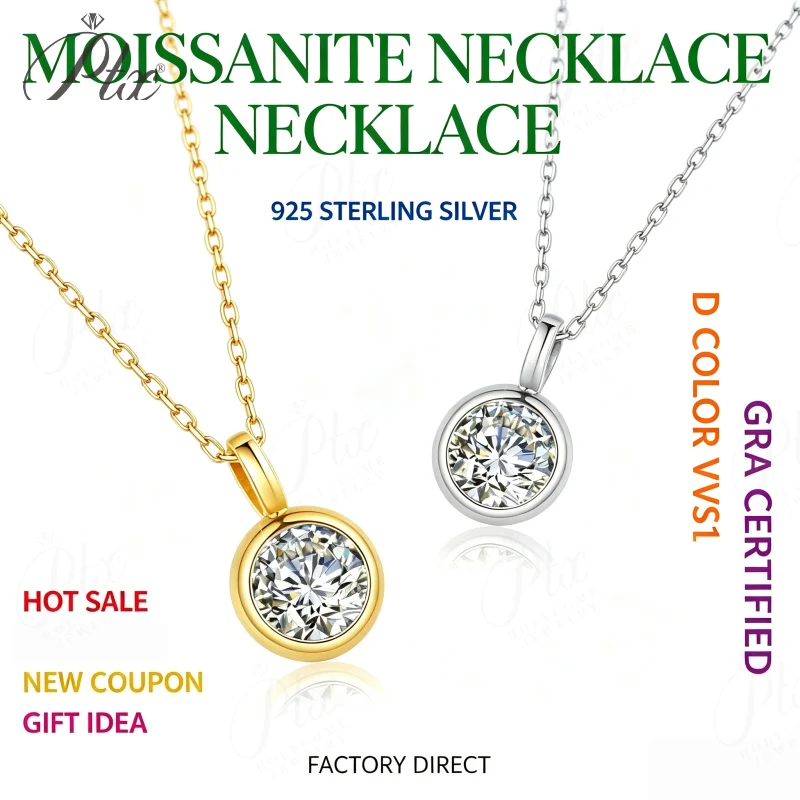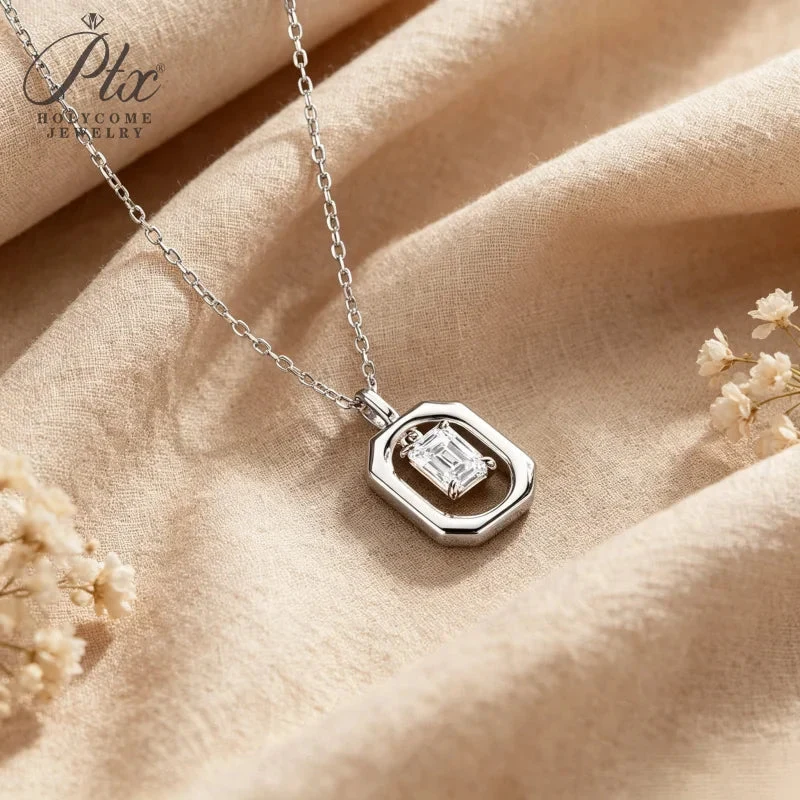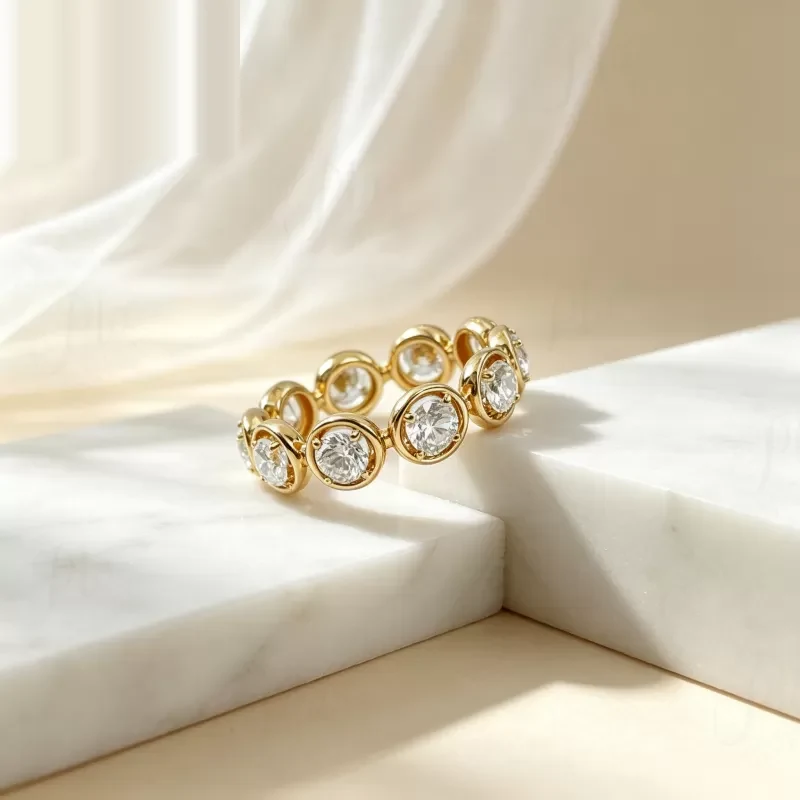
A retailer in Seattle came to us with a client who wanted a design that was half solitaire, half band statement. The center stone had not been chosen yet, and that omission mattered more than the setting: the shape dictates the head, the prongs, the band width and the perceived finger length. Picking the shape last is why half of custom designs come back for a remake. This article breaks down the seven commercial moissanite shapes, their mm-to-carat equivalents, the settings they suit, and the face-up size buyers should expect.
The mm-to-carat reference every buyer should memorize
Moissanite is sold by millimeter across the longest dimension, not by carat weight, because loose moissanite is calibrated to standard head sizes. The widely accepted equivalents are: 5.0 mm ~ 0.5 ct, 5.5 mm ~ 0.7 ct, 6.0 mm ~ 0.9 ct, 6.5 mm ~ 1.0 ct, 7.0 mm ~ 1.25 ct, 8.0 mm ~ 2.0 ct, 9.0 mm ~ 3.0 ct. The GIA 4Cs describe the grading logic, but on a moissanite order you negotiate in millimeters. Fancy shapes face up 10 to 20% larger than a round of the same carat weight, which is why an 8.0 mm oval reads bigger than an 8.0 mm round.
Round: the safe default
Round brilliant is the most light-efficient cut and the most compatible with off-the-shelf heads. It is the shape we recommend for buyers who carry stock in multiple finger sizes, because the head is interchangeable. Expect a depth of 59 to 63% and a table of 54 to 60% on a well-cut stone.
Oval: the size-per-money pick
Ovals face up large and slim the finger. The length-to-width ratio that sells best on a custom order is 1.35 to 1.50. Anything below 1.30 reads round; above 1.60 reads skinny and risks a visible bow-tie. Ovals pair beautifully with a solitaire prong head and a slim tapered band.
Pear and marquise: the statement shapes
Pears and marquises carry the most finger-slimming effect but also the most risk: both show a bow-tie window when cut shallow. We specify a table under 60% and a depth over 62% on custom pear orders. Pears are the default pendant shape because the point hangs naturally; marquises are usually paired with a matching pair design for earrings.
Emerald and asscher: the step-cut look
Step-cut moissanite shows broad, open reflections rather than the sparkle of a round. Because moissanite is already eye-clean, the step cut reads as a calm, modern line. Emerald cuts suit wide bands and bezel settings; asscher cuts suit square halos. Specify a 1.00 to 1.05 length-to-width ratio on asscher.
Cushion and radiant: the middle ground
Cushion (rounded corners, chunky facets) and radiant (square corners, mixed facets) are the two shapes that sit between a round and an emerald. Cushion is the shape most often chosen for vintage-style custom rings; radiant is the shape chosen for modern halos. Both hide minor inclusions better than emerald cuts because of the faceting pattern.
Color and clarity expectations by shape
All of our custom moissanite ships at the D-to-F equivalent color grade and is eye-clean. That said, the step-cut shapes (emerald, asscher) show tone differences more readily than brilliant shapes because their large open facets leave fewer reflections to break up a faint yellow tint. If a buyer is choosing a near-colorless stone for cost reasons, it should go into a round, oval or cushion where the tint is disguised; step cuts need the whiter grade. Clarity is less of a buyer decision because calibrated moissanite is virtually always eye-clean, but under 10x loupe the larger step-cut windows make a cloud in the pavilion more visible than it would be in a round.
Which moissanite shape looks largest?
Per carat equivalent, pear and marquise face up the largest, followed by oval. Round face up the smallest per carat, which is one reason rounds are priced lower on a per-mm basis.
Which shape is best for wide bands?
Emerald, asscher and cushion. Their squared outline balances a 4 mm-plus band better than a round, which tends to look lost on a wide shank.
Does shape affect the price per millimeter?
Yes. Rounds are the lowest price per mm because they are produced in the highest volume. Ovals, pears and cushions command a 10 to 20% premium; marquise and heart shapes carry a 20 to 30% premium because they are produced in shorter runs.
Can a custom design switch shape after CAD is approved?
Not without rebuilding the head. The seat is cut to the measured girth, so a shape change after CAD sign-off restarts modeling and adds 3 to 4 days. Lock the shape before CAD.
What shape pairs best with a custom pendant?
Pear and oval are the two best sellers. Both hang vertically and draw the eye downward. See our pendant design guide for chain and bail sizing.
Send us the finger size, the band width and two reference shapes you like. We will send measured stone options in 6.0 to 9.0 mm and a CAD render within three days. Choose your shape and request a quote.
Frequently Asked Questions
Is moissanite a good diamond alternative for retail buyers?
Yes for price-sensitive customers who want brilliance and hardness. Moissanite ranks 9.25 on the Mohs scale, holds up to daily wear and costs a fraction of a natural diamond of the same size, so it resells fast in bridal and fashion lines.
What is the minimum order for wholesale moissanite?
MOQ starts at 50 pieces per design for stock items. Custom cuts and private-label settings usually start at 100–300 pieces depending on the mold.
Do you provide certificates with moissanite stones?
Yes. Every parcel ships with GRA or IGI documentation listing carat weight, color grade and cut. We recommend passing the certificate to your end customer for trust.
How long does sample and bulk production take?
Samples ship in 3–5 days. Bulk runs take 15–20 days under 500 pieces, and 25–30 days for custom work.