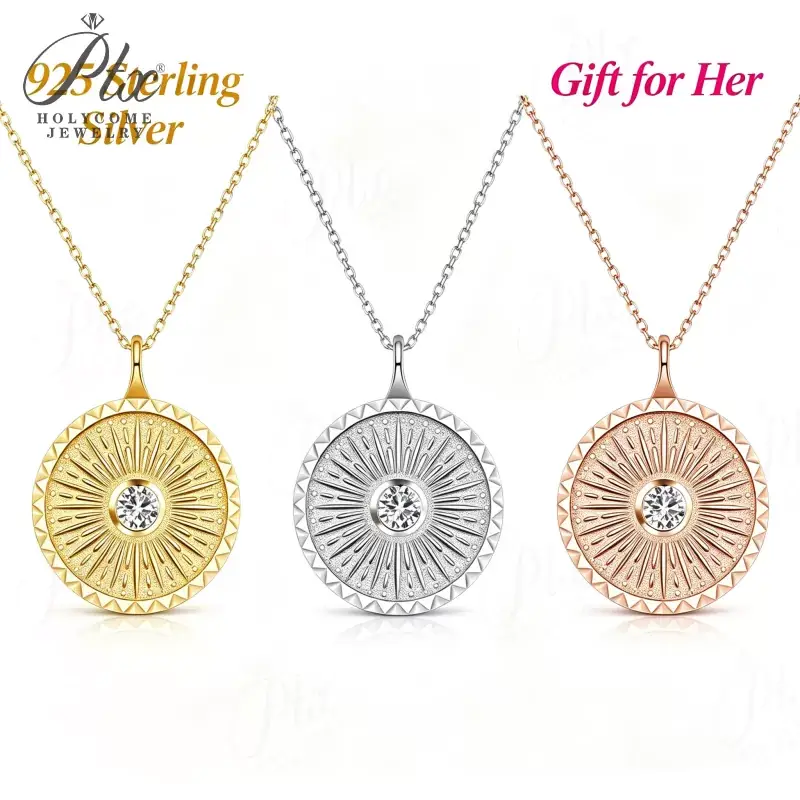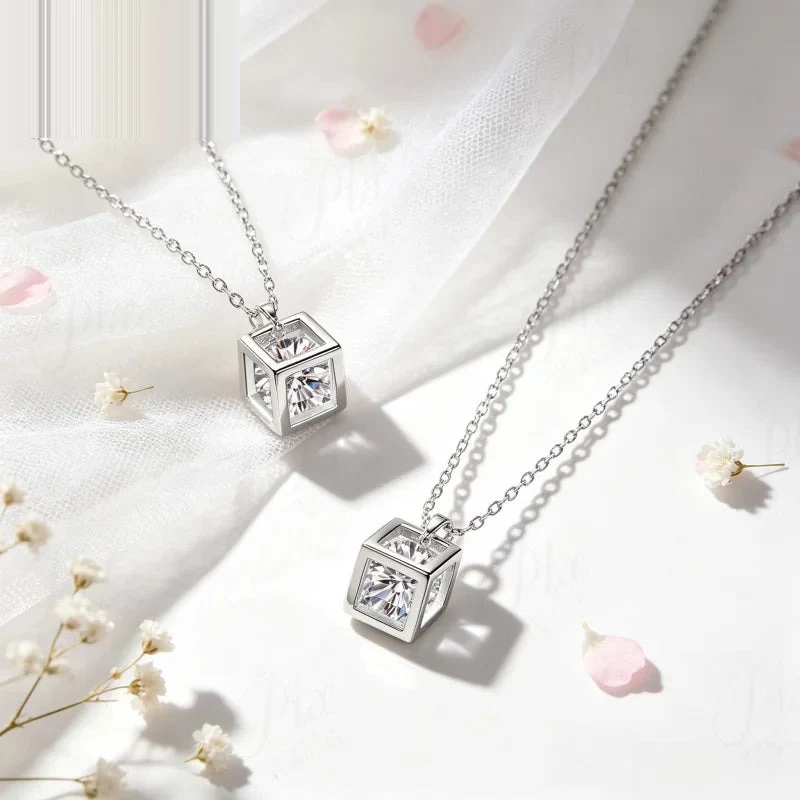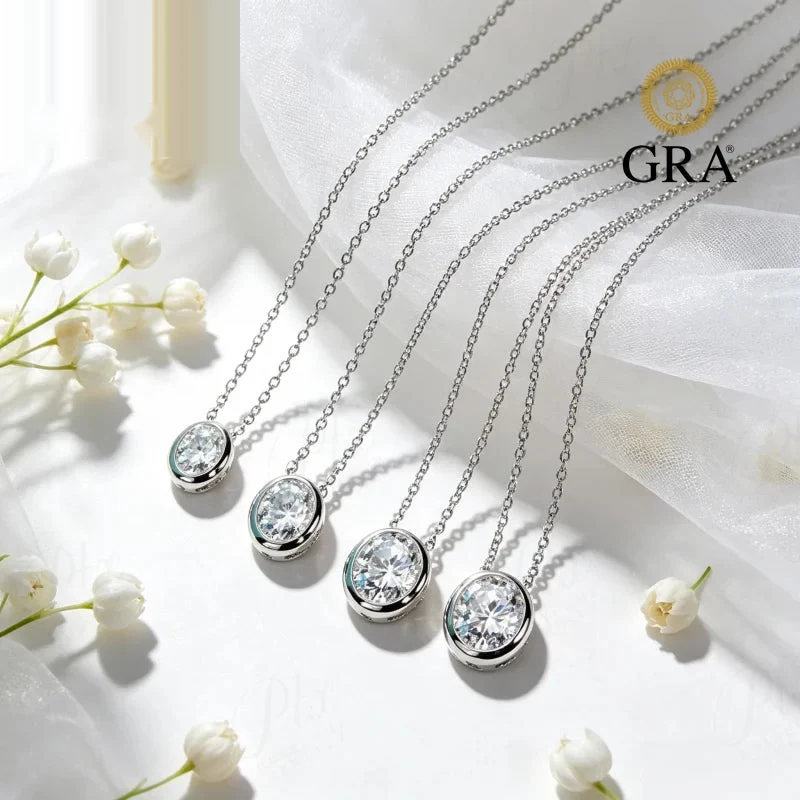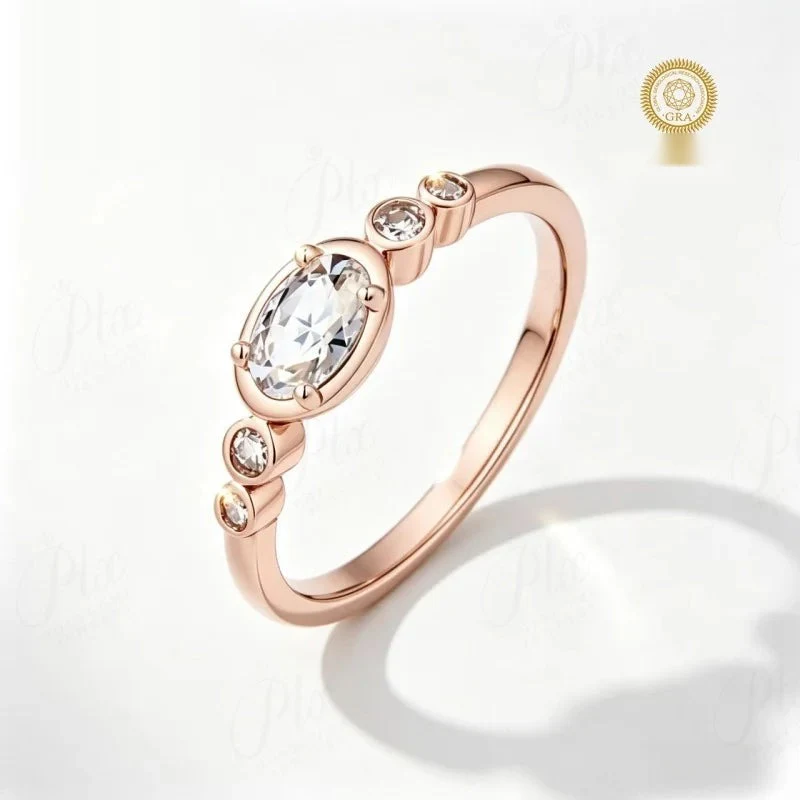
Photography gets a shopper to click. The product description is what gets them to buy. Too many jewelry pages read like a spec sheet—"925 silver, round cut, rhodium plated"—and leave the shopper still wondering whether the piece will fit, tarnish, or make a good gift. Writing better descriptions is the lowest-cost conversion upgrade most stores never make. This is a repeatable structure you can apply to every listing.
Start with the feeling, not the metal
The first two lines should answer one question: who is this for and when will they wear it? A reader should immediately picture themselves at a coffee date, a wedding, or an anniversary dinner. Instead of "Moissanite solitaire ring, 6.5 mm," open with "The ring you reach for on mornings when jeans feel too plain." Then follow with the facts. People buy the occasion first and justify it with the specs.
Answer the five questions every buyer asks
- What size is it? Give the band width, stone size in millimeters, and the ring's approximate face dimensions. "6.5 mm center stone" tells more than "1 ct equivalent."
- What is it made of? State 925 sterling silver, rhodium plating, and stone type explicitly. Vague words like "fine silver" cost trust.
- Will it last? Mention tarnish resistance, prong type, and whether it is safe for sensitive skin—especially important given the demand for hypoallergenic silver rings.
- What occasion fits? Say whether it works for everyday wear, office dress codes, gifting, or stacking.
- How should I care for it? One short line on cleaning saves returns and signals quality. Our customer care guide can be referenced.
Use measurable detail instead of adjectives
"Beautiful," "stunning," and "elegant" do no work. Replace them with specifics: "The chain sits 18 inches, ending at the collarbone," or "The band is 2 mm wide, thin enough to stack under a wedding band." Specifics lower doubt, and doubt is what kills checkout. Pair the copy with strong visuals—our guide to jewelry product photography explains how to show scale with a coin or finger shot.
Write for the gift buyer, not just the wearer
A huge share of jewelry purchases are gifts. A description should make it easy for a partner or parent to say yes: mention that it arrives in a gift box, that a handwritten note can be added, and which occasions it suits. If you sell gift jewelry sets, say so in the copy—it signals the purchase is a wrapped experience, not just a product.
Keep search engines in mind
Descriptions should read like a real human wrote them, but they still need the phrases buyers type. Work in natural variants: "sterling silver moissanite ring," "hypoallergenic stud earrings," "stackable silver band." Avoid stuffing—a single well-placed phrase per paragraph is enough. Our broader notes on SEO for jewelry websites cover the on-page basics.
A template you can reuse
- Opening hook: One sentence on the feeling or occasion.
- Description paragraph: The design story, what makes it special, and how it sits on the body.
- Spec block: Metal, stamp, stone size, band width, chain length, weight.
- Care line: One sentence on tarnish and cleaning.
- Gift line: Packaging and occasion note.
- Size guidance: How to choose ring size or chain length.
Pricing context helps, too
Buyers want to feel they made a smart choice. A short line on why silver moissanite costs less than mined diamond—without sounding cheap—justifies the price and frames the piece as intentional. Read our piece on pricing strategy for how to anchor value on the page.
Write the way a knowledgeable friend would talk
Customers can smell brochure language. Phrases like "exquisite craftsmanship" and "timeless elegance" have been used so often that they register as noise. Instead, describe the piece as you would to a friend over coffee: "The band is slim enough that you barely notice it, but it catches light when your hand moves." Conversational copy builds trust, and trust is what turns a browser into a buyer. Read your copy out loud—if you would not say it to someone in person, rewrite it.
Handle objections before they are asked
Every product has a doubt attached. Is it too thin? Will it tarnish? Will it fit? Address each one directly in the description rather than waiting for the customer service inbox. "This chain is 1.2 mm, which is delicate but strong for everyday wear—avoid pulling it on clothing." That single line prevents a return and reassures a hesitant shopper. The more objections you answer on the page, the fewer drop off at checkout.
Keep paragraphs short and scannable
Mobile shoppers skim. Use short paragraphs, bold the key specs, and break the page with bullet lists. A wall of elegant prose looks impressive on a desktop and gets closed on a phone. Put the most important facts—size, material, occasion—in the first screenful, then let the story follow below.
A great description costs nothing to write and improves every ad click. Stop writing spec sheets. Start writing the moment the customer puts the piece on, and the add-to-cart button will do more of the work.
The 92.5% silver composition and properties of sterling silver are described in the Wikipedia entry on sterling silver.
Frequently Asked Questions
How do I verify a factory before placing a bulk order?
Request a production video, business license, export records and a paid sample run. A factory that accepts a 50-piece test order is usually a real manufacturer.
What payment terms do you offer?
30% T/T deposit with the balance against the bill of lading. This protects both sides on first orders and can move to net terms after a track record.
What is your normal reject rate?
3–5% under 10x loupe inspection for cast and set pieces. Defective units are replaced free in the next shipment.
Where is the factory located?
Wuzhou, Guangxi, China—the core lab-grown and moissanite manufacturing cluster. Shipments go via Guangzhou or Shenzhen ports.