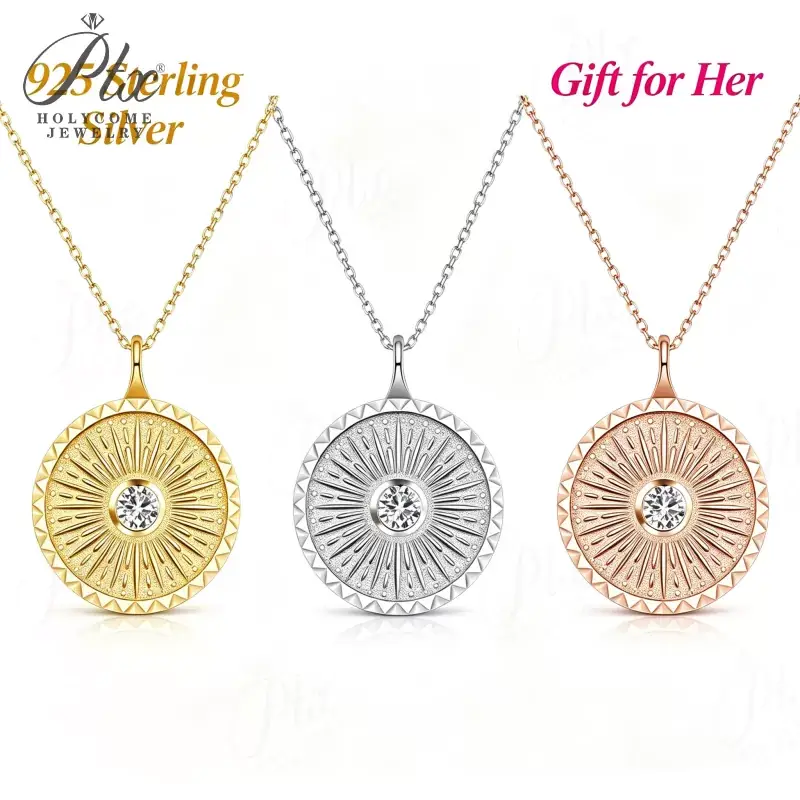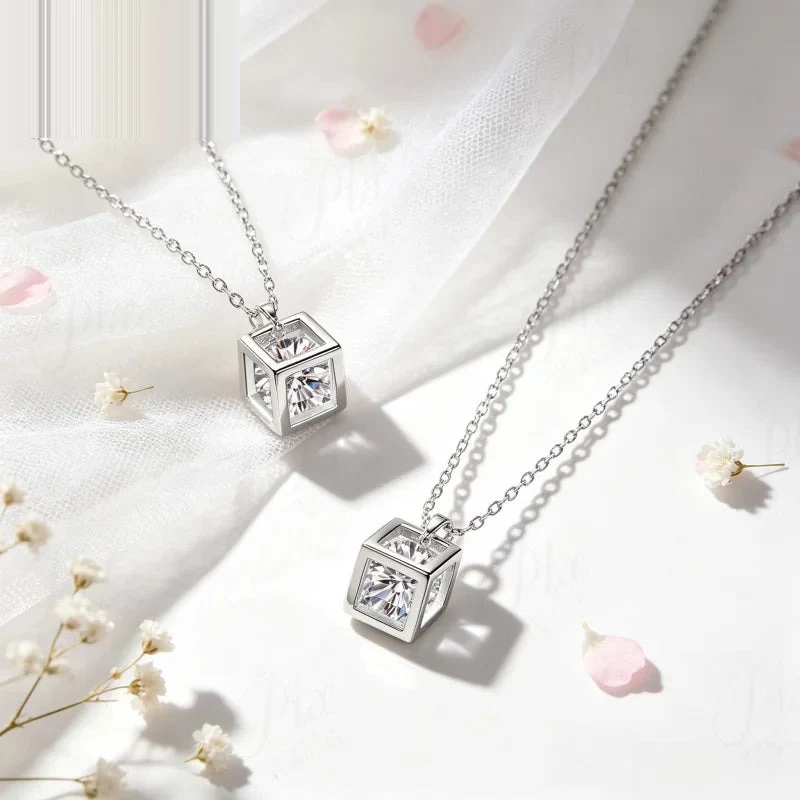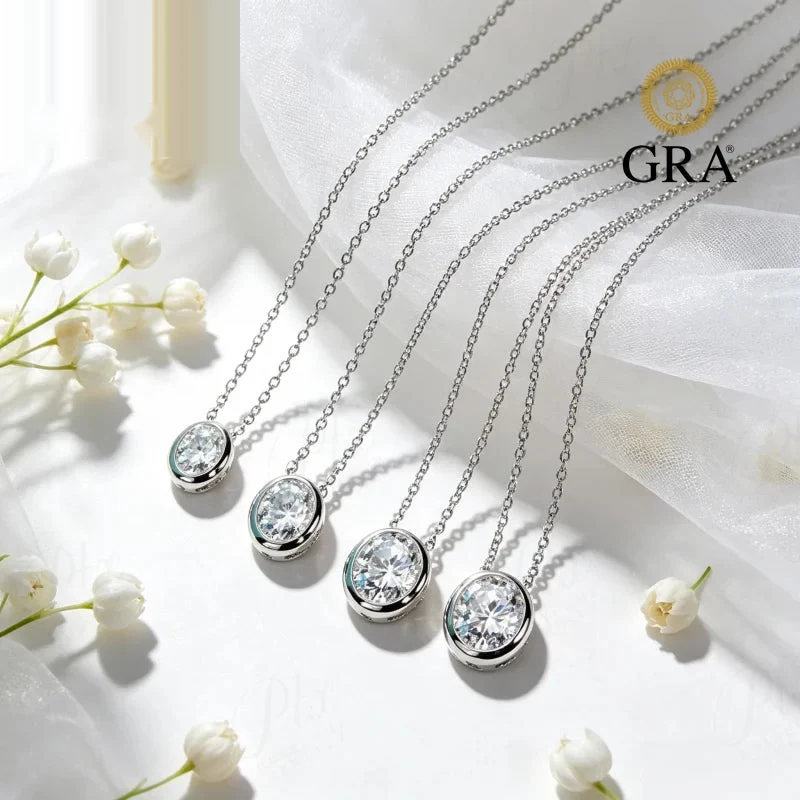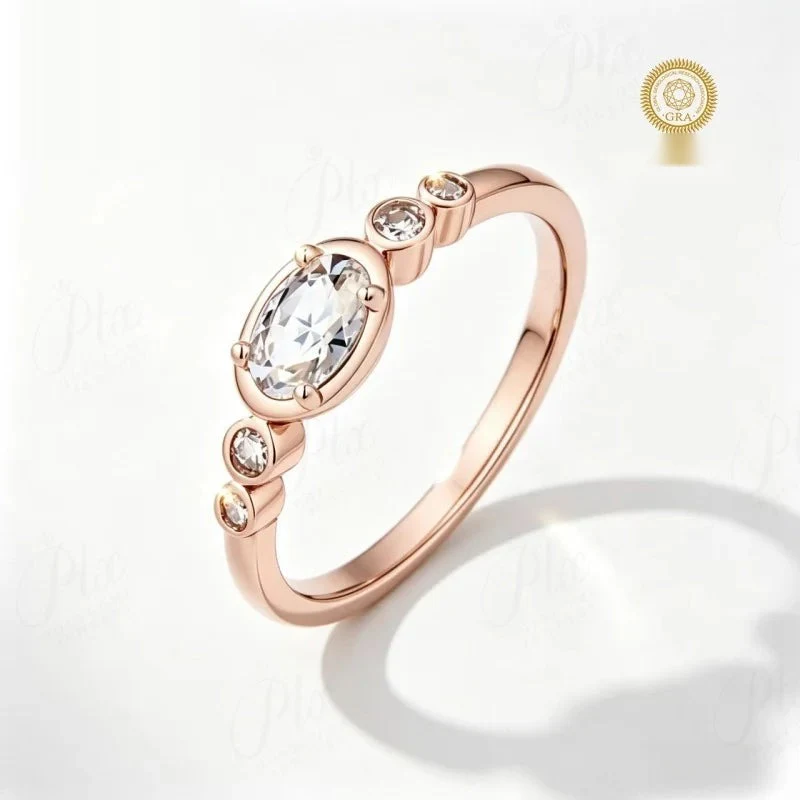
Silver is the hardest common jewelry metal to shoot well. Photograph gold and the metal does half the work for you. Photograph polished sterling silver and you suddenly own a mirror that reflects your face, your light stands, and every smudge on its surface. Sellers who learn to control that reflection earn more clicks, more add-to-carts, and fewer returns from buyers who misread the color or size of a piece.
You do not need a professional studio. You need repeatable rules. The workflow below is the one most small silver sellers settle on after enough frustrating shoots.
Start with light, not camera
The single biggest upgrade you can make is moving away from direct, harsh light. A bare bulb or a phone flash creates one bright hotspot and a wall of shadow on a polished ring or chain. Instead, diffuse everything. Shoot near a north-facing window with a white sheet or thin curtain acting as a softbox, or build a two-light setup with cheap diffusers. Soft, even light turns a shiny surface into a readable, premium-looking one rather than a blown-out mess.
Silver also shifts color temperature depending on the light source. Under warm light it reads almost gold; under cool daylight it can look like pewter. Set a manual white balance using a grey card or a plain white sheet, and use the same setting for your whole catalog so a bracelet on Monday looks like the same metal as a necklace on Friday. Consistency builds trust, and trust builds the search rankings covered in our guide to SEO for jewelry websites.
Control what the silver reflects
Because silver is reflective, what sits around the piece matters as much as the piece itself. A seamless white or light-grey acrylic sweep removes distracting backgrounds. More importantly, manage the reflection: wear dark clothing so your arms do not show up as bright stripes on a ring band, and frame shots so your camera is the only dark shape the metal catches. Many sellers build a simple light tent out of a cardboard box and white tissue paper purely to tame these reflections.
Get close enough to sell the detail
Buyers online cannot touch your work, so they lean on detail. Use macro or close-up focus to show the clasp on a chain, the texture of a hammered band, or the setting prongs holding a stone. This is also where moissanite earns its keep: a well-lit close-up that catches the stone's sparkle communicates value far better than a distant full-body lifestyle shot. Shoot the whole piece, then three or four detail crops, and give every listing at least one of each.
Show scale honestly
"It looked smaller in person" is a top complaint category for jewelry returns. Fix it in the photos. Drop a coin, a ruler, or a hand into one reference frame so the buyer can judge width and length instantly. A ring on a finger, a bracelet on a wrist, and a necklace on a neck do more for conversion than any amount of retouching. Real scale shots also cut down on customer messages.
Keep styling consistent but alive
A flat white-background shot is essential for the catalog grid. But listing pages that convert usually pair those clean shots with one or two styled lifestyle images. Add a folded linen sleeve, a ceramic dish, or a small prop that suggests how the piece is worn. Keep props muted so they never compete with the silver. Rotate props seasonally and your shop feels refreshed without you restocking a thing.
Retouch lightly and honestly
Brightening exposure and removing a stray dust fiber is fair game. Changing the color of the metal, erasing a genuine tool mark, or smoothing away a handmade texture crosses into return territory. Buyers appreciate knowing exactly what tarnish level, finish, and weight to expect, which ties back to the care habits we cover in how to clean sterling silver rings. Honest photos reduce refunds and build reviews that sell the next piece.
Price the time you spend shooting
Photography is work, and work should be priced into the margin. When you build a catalog shooting process, it becomes a fixed cost you can fold into the numbers in pricing your silver jewelry for maximum profit. Batch shoots by category, build a reusable prop set, and template your angles. The first session will take a full day. The tenth will take an afternoon, and your whole store will look like it belongs to one polished brand.
Treat your photos as the first salesperson a buyer meets. Most will never touch the silver before they click buy, so the light, the reflection, and the scale in that first frame are doing the entire job of convincing them. Get those three things right and the rest of your marketing becomes far easier.
The 92.5% silver composition and properties of sterling silver are described in the Wikipedia entry on sterling silver.
Frequently Asked Questions
How do I prevent sterling silver from tarnishing in storage?
Use anti-tarnish bags with a sulfur absorber, keep humidity under 60% and avoid paper wrapping. Rhodium plating adds a further barrier on high-turn SKUs.
Is rhodium plating worth the added cost?
Yes for display and gift lines. It resists tarnish for 12–18 months and keeps shelf pieces bright, which reduces markdowns.
What purity do you supply?
925 sterling silver, stamped and hallmarked. Fine silver (.999) is available for beads and bullion-style pieces.
What is the MOQ and lead time?
50 pieces per design, samples 3–5 days, bulk 15–20 days.