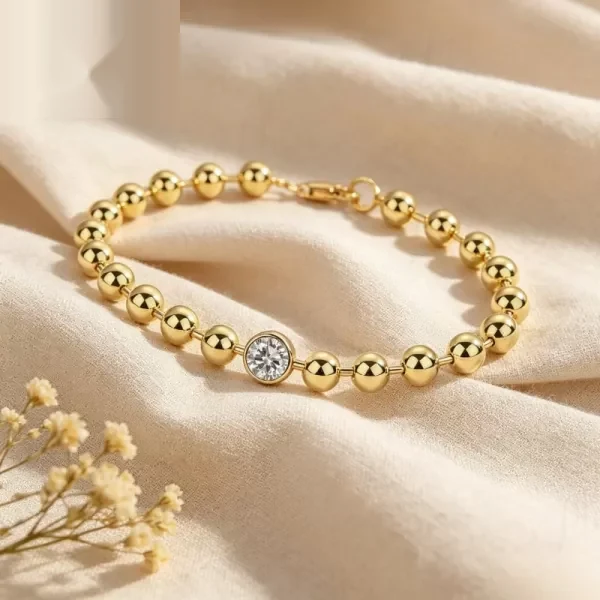
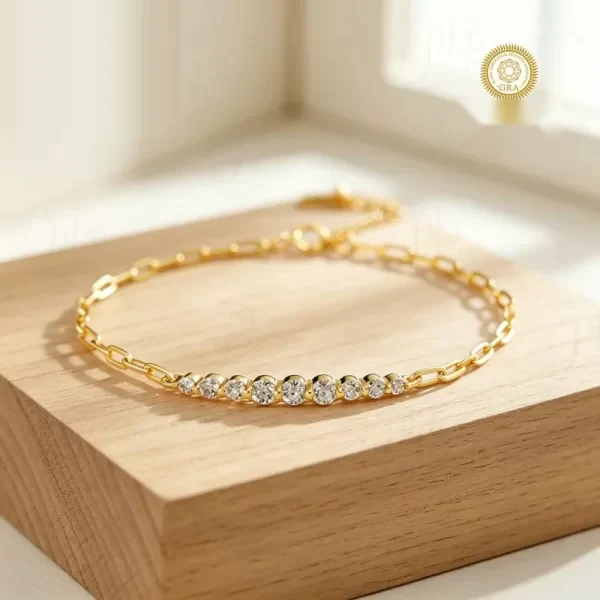
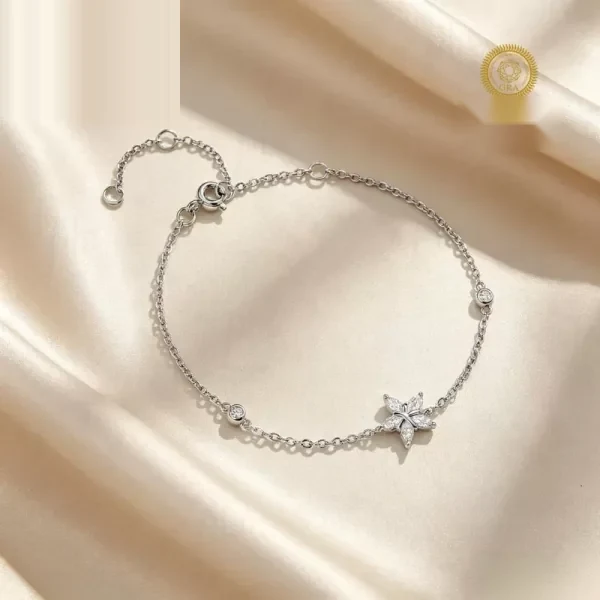
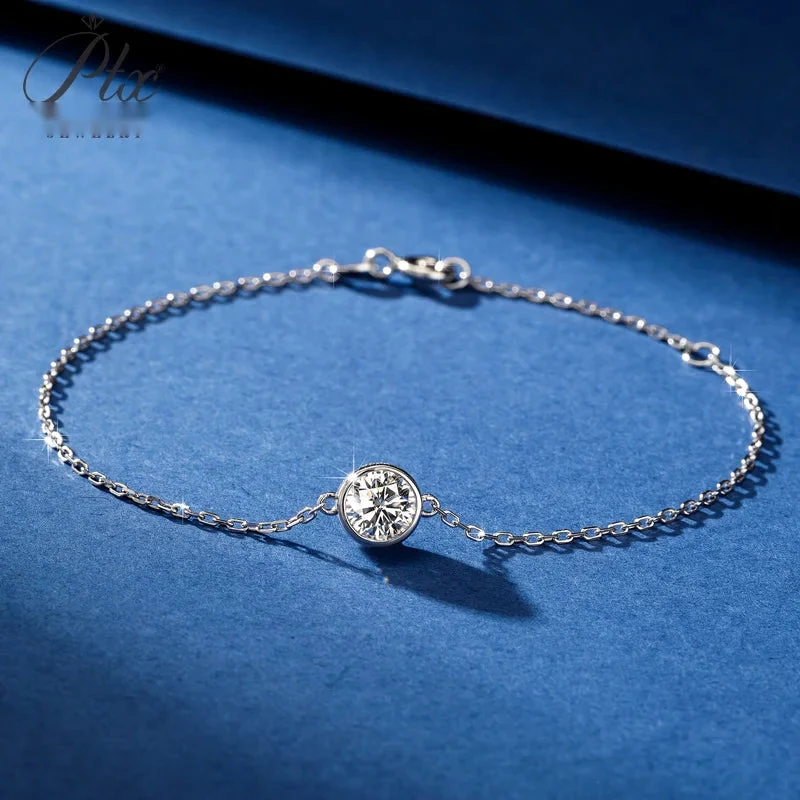
A charm bracelet is one of the few pieces of jewelry that is designed to be incomplete. You start with a blank band, then add a charm for a trip, a birthday, a first job, a pet, or a person. Years later, the bracelet is a record, and its value has nothing to do with resale. That emotional weight is why charm bracelets survive trends and why they drive steady repeat purchases for the retailers who get them right.
Start with the right base bracelet
The base decides everything. Two common systems dominate: the European bead bracelet, where beads thread onto a snake-style chain and screw or clip in place, and the traditional charm bracelet, where dangle charms attach via a small ring or clasp. Pick one system and stay with it, because charms do not transfer cleanly between them. We compare the structures in European charm beads vs dangling charms.
Choose a base bracelet that fits loosely enough to add charms over time. Charms add bulk, so a bracelet that fits perfectly empty will feel tight after ten beads. Leave room. Our Leave room. Our sizing and clasps guide walks through the slack to build in. walks through the slack to build in.
Pick a meaningful first charm
The first charm sets the tone. It should represent the person's current life, not a generic symbol. A graduate might start with a cap charm; a new parent with a baby bottle; a traveler with a suitcase. Giving a blank bracelet plus one thoughtful first charm is a far better gift than a preloaded bracelet, because it hands the recipient the pen for the rest of the story. This approach is exactly why birthstone and initial charms build repeat sales.
Build themes, not clutter
After a few years, a bracelet can look random if charms are added without any rhythm. Encourage collectors to balance themes: a couple of travel beads, one family bead, one seasonal treat, one keepsake. Themed shelves, like the ideas in Themed collection ideas, like the themes retailers publish, keep the finished piece cohesive rather than crowded., keep the finished piece cohesive rather than crowded.
Most bracelets comfortably hold ten to fifteen charms before they look full and heavy. At that point, a collector may start a second bracelet for a new chapter, which is a whole new sale.
Know how charms attach
Dangle charms usually clip or loop onto the chain, and wearers can swap them freely. Threaded European beads screw onto a cord or chain and stay put. If a collector wants flexibility, dangle charms on a traditional bangle let them rearrange easily. For everyday security, threaded beads and clips hold up better against bumps. The mechanics are detailed in how charms attach to links and lobster clasps.
Gifting across milestones
Charm bracelets are a relationship business. The first bracelet is a gift, then every birthday, holiday, and achievement becomes a small follow-up purchase. That turns one buyer into a yearly customer. Keep a starter selection in stock: a few neutral base bracelets, a spread of affordable first charms, and clear messaging that the bracelet grows with the wearer.
Care as the collection grows
More charms mean more places for tarnish and tangles to hide. Encourage collectors to store the bracelet flat in a pouch, clean it gently with a soft cloth, and avoid spraying perfume directly onto it. A well-kept silver charm bracelet stays bright for decades, which is the whole point of building a collection meant to last.
How many charms is the right number
New collectors often overfill the bracelet at once, loading it with every charm they love before the story has had time to develop. Resist that. A bracelet that grows one charm at a time, tied to real moments, stays meaningful. A bracelet bought fully loaded looks like an accessory, not a diary. When you sell starter sets, include one or two charms and message that the rest arrives with time. That framing encourages repeat visits instead of a single big purchase.
Choosing charms that will not date
Some charms are timeless and some are tied to a moment. A tiny heart, a birthstone, or an initial works for any age and any decade. A fad-shaped charm tied to a viral moment may feel embarrassing in five years. Encourage collectors to choose mostly timeless foundations with an occasional playful seasonal charm. The mix keeps the bracelet personal without cluttering it with references that will fade.
Refurbishing an old silver charm bracelet
Sterling silver charm bracelets are often heirlooms passed between generations. An older bracelet that has tarnished and stiffened can be restored: a gentle silver polish, a new clasp, and rethreading where needed brings it back to wear. That restoration angle is a service worth mentioning, because it positions your brand as caring for pieces long after the first sale. A customer who trusts you to refresh grandmother's bracelet will buy new charms from you for life.
The starter bracelet is not the finished product. It is the beginning of a story, and that is why customers keep coming back to add the next chapter.
For third-party reference, the Wikipedia article on moissanite details moissanite’s discovery, optical properties and use in jewellery.
Frequently Asked Questions
What bracelet materials sell best for wholesale?
316L stainless steel and 925 sterling silver. Steel is price-stable and tarnish-resistant; silver captures the gift segment at a higher ticket.
Do you offer mixed-material stacking sets?
Yes. Stacking sets of two to five bands are assembled and packed as a single SKU, which raises average order value without extra inventory.
How do I handle sizing for bracelets?
Bracelet sizing is forgiving: 7 inch fits most women and 8 inch most men. Offer both and note the measurement in your listing.
What is the MOQ and lead time?
50 pieces per design, samples 3–5 days, bulk 15–20 days.