Shoppers hunting for a diamond alternative usually discover moissanite first, then stumble onto white sapphire second. Both stones are colorless, both are far cheaper than a diamond, and both have been used in engagement rings for decades. That is where the similarity ends. Moissanite and white sapphire behave so differently under light and over time that confusing them is one of the more common — and more disappointing — mistakes buyers make.
The two stones answer to different buyers. Once you understand what each one actually looks like, the choice usually clarifies itself, and the sale stops being about price and starts being about the look the couple actually wants to live with.
Brilliance: the most visible difference
Moissanite is one of the most brilliant gemstones on earth. Its refractive index sits well above diamond, which means it bends and releases light dramatically, producing the flashes of rainbow color the trade calls fire. In a well-cut moissanite, the stone seems to glow from within even in a dim room. Our piece on moissanite fire and brilliance explains the optics behind that effect and why it reads differently from diamond sparkle.
White sapphire is quieter. It is brilliant in its own right, but it does not throw the same rainbow flashes. In daylight it looks clear and softly glowing; in low light it can read a little flat. Buyers who expect a diamond-level sparkle from white sapphire are often let down. Buyers who want a calmer, more organic-looking stone usually prefer it, and the subtlety is exactly what they are shopping for.
Hardness and everyday wear
Hardness decides whether a stone survives a lifetime of hand-washing, door-opening, and accidental bumps. On the Mohs scale, moissanite ranks around 9.25, just below diamond and well above most other gems. White sapphire, a corundum, also sits at 9, so both are genuinely durable and suitable for an everyday ring. Neither scratches easily, and both can be worn daily with normal care. For the wider context, our Mohs scale guide compares the common engagement stones and what their ratings mean in real life.
The real difference in wear is appearance over years. Moissanite keeps its fire indefinitely. White sapphire can develop a slightly frosted look on its facet edges after years of abrasion, and it never sparkles as strongly when new. Neither chips easily, but the moissanite ages more gracefully for a buyer who never wants to think about the ring again. If you have not already, our moissanite vs sapphire piece covers the blue variety in more detail.
Color and clarity expectations
Moissanite sold at the consumer level is consistently near-colorless, with modern grades sitting in the D-to-F range and almost no visible tint. White sapphire is more variable. Many stones read as a soft, milky gray-white rather than a brilliant clear, and some carry a faint warm cast under indoor light. That is not a flaw — it is the character of a natural stone — but a buyer expecting the icy clarity of moissanite will be surprised. Ask to see the sapphire under both natural daylight and warm store lighting before deciding, because the same stone looks different in each. For more on what to expect from moissanite color, our moissanite color grades guide sets the baseline.
Price and sourcing
Both stones cost a fraction of a comparable diamond, but moissanite is typically the more affordable of the two at equivalent visual size, especially in sterling silver settings. White sapphire, as a natural stone, carries a wider price range depending on origin and clarity, and untreated white sapphires sometimes show subtle warmth or silk-like inclusions that moissanite never will. For buyers who specifically want a natural mineral rather than a lab-grown stone, white sapphire wins on principle — moissanite, outside of rare natural fragments, is laboratory grown. That philosophical preference is often the deciding factor once the sparkle question is settled.
Which buyer chooses which
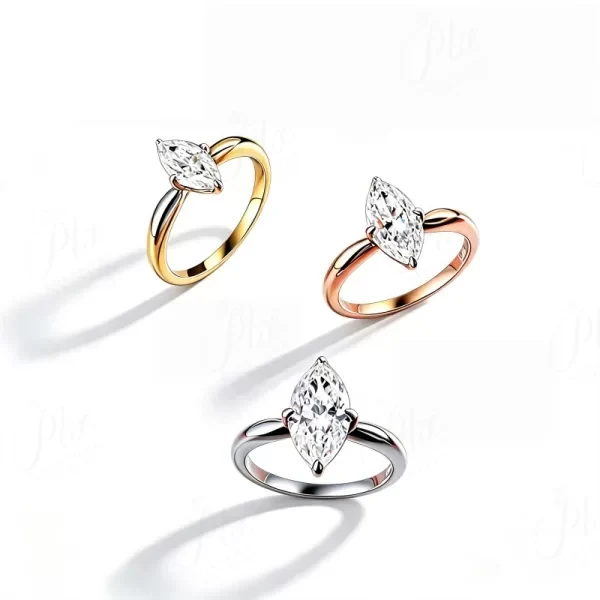
Whichever stone wins, set it in sterling silver rather than a plated band. Both alternatives are already chosen for their value, and pairing them with a hypoallergenic, durable silver setting keeps the whole ring comfortable for daily wear and avoids the one compromise that would undermine the choice. The band is where a budget engagement ring quietly disappoints, so do not save money there.
Pick moissanite if the priority is maximum sparkle, consistent clarity, and modern lab-grown value. Pick white sapphire if the buyer wants a softer, more understated, natural stone with a quieter glow. The comparison that usually settles it is a side-by-side under store lighting: once a buyer sees the two stones next to each other, the difference in fire is unmistakable, and their preference tends to be immediate. For a broader view of alternatives, our moissanite vs cubic zirconia comparison covers the other common contender and why it rarely belongs in an engagement setting.
Independent background on moissanite — how its hardness and refractive index compare with diamond — is documented in the Wikipedia article on moissanite.
Frequently Asked Questions
Is moissanite a good diamond alternative for retail buyers?
Yes for price-sensitive customers who want brilliance and hardness. Moissanite ranks 9.25 on the Mohs scale, holds up to daily wear and costs a fraction of a natural diamond of the same size, so it resells fast in bridal and fashion lines.
What is the minimum order for wholesale moissanite?
MOQ starts at 50 pieces per design for stock items. Custom cuts and private-label settings usually start at 100–300 pieces depending on the mold.
Do you provide certificates with moissanite stones?
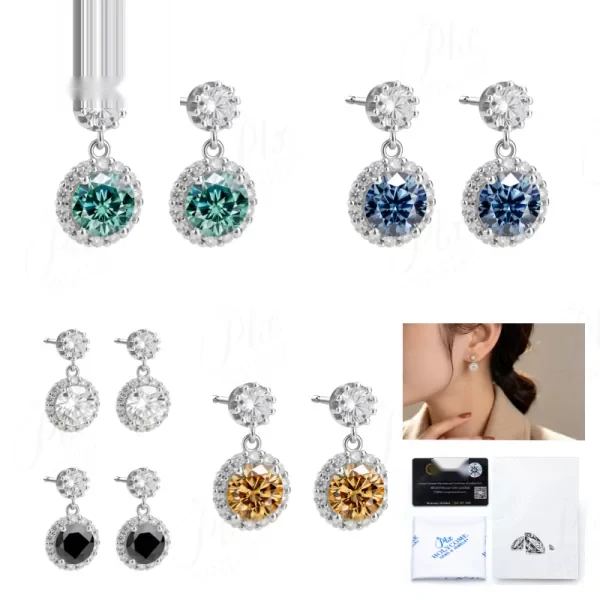
Yes. Every parcel ships with GRA or IGI documentation listing carat weight, color grade and cut. We recommend passing the certificate to your end customer for trust.
How long does sample and bulk production take?
Samples ship in 3–5 days. Bulk runs take 15–20 days under 500 pieces, and 25–30 days for custom work.