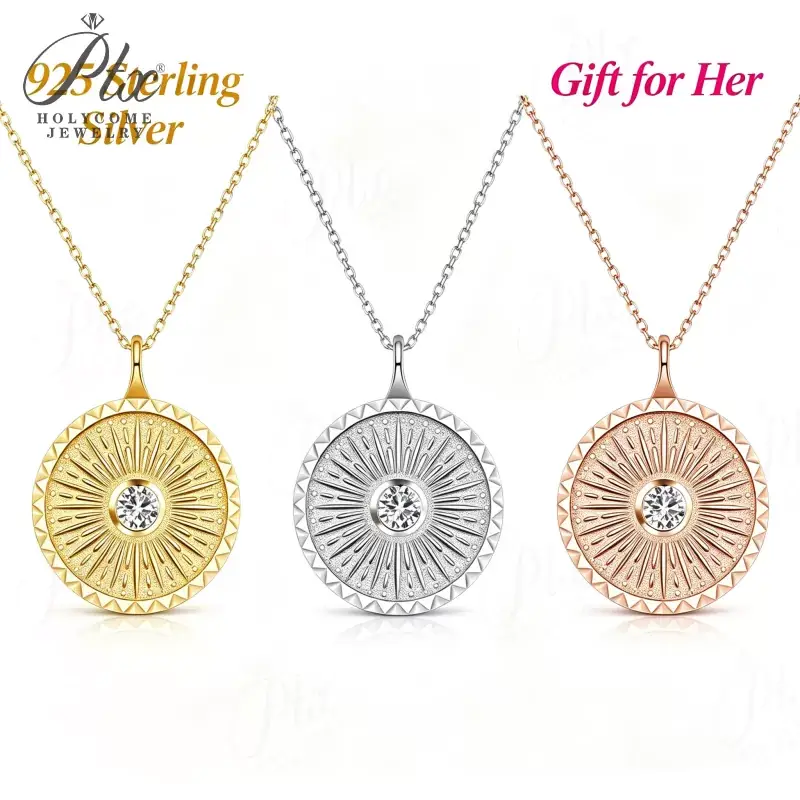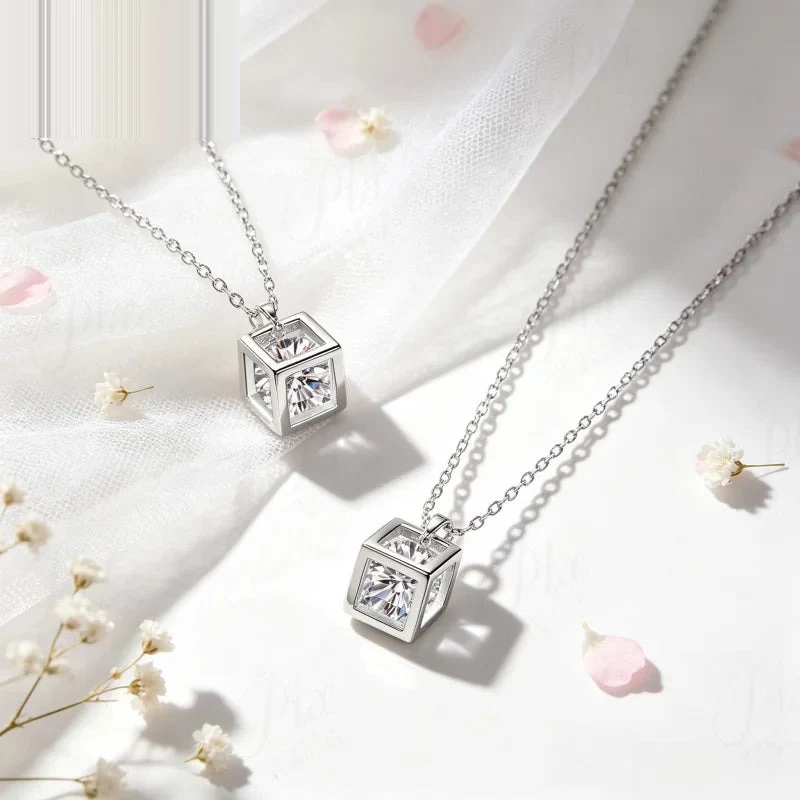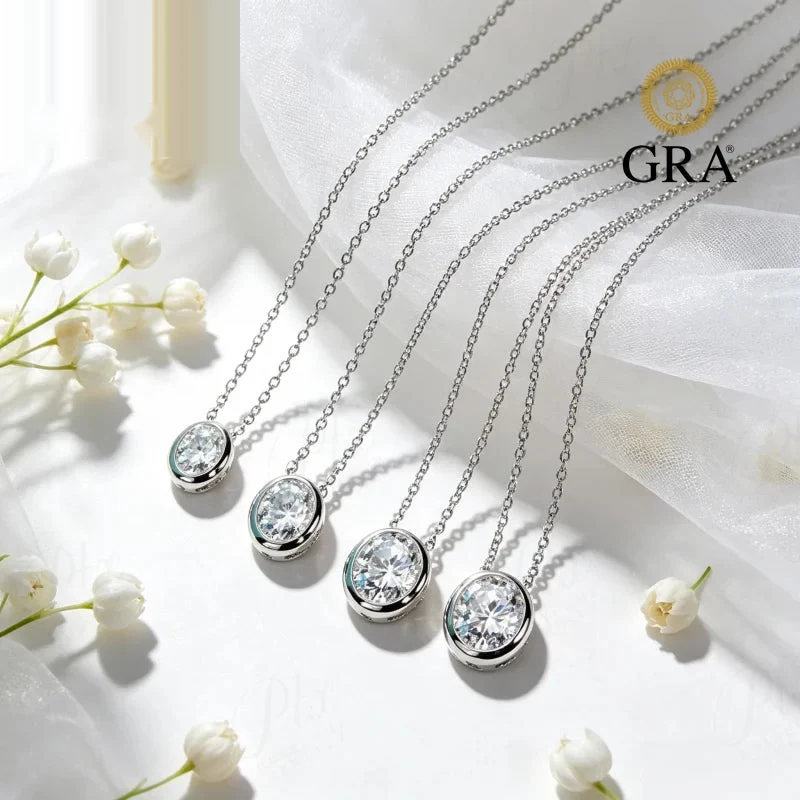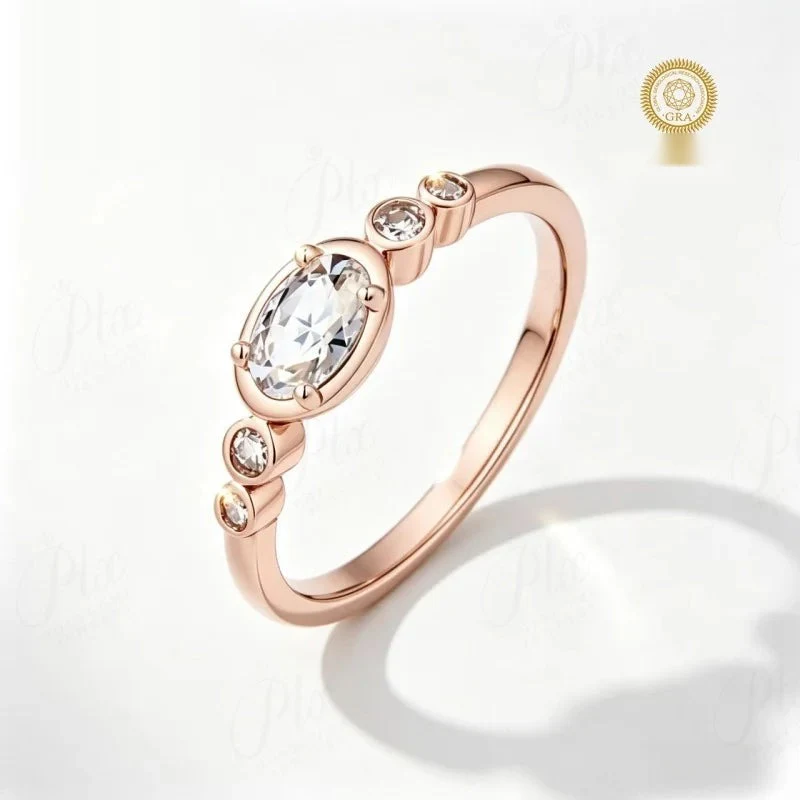
For decades, a ring on the ring finger was a signal: engaged, married, spoken for. The right-hand ring blows that up. It is a ring a person buys for their own hand, on their own timeline, to mark a promotion, a divorce, a new apartment, or simply a Tuesday that felt worth celebrating. It is the most emotionally flexible category in jewelry, and it happens to pair beautifully with moissanite set in sterling silver.
The right-hand ring movement is not new, but it keeps returning because it taps into self-purchase, which is now a huge share of fine and fashion jewelry spending. Buyers do not need a partner, a budget committee, or a match to an engagement ring. They want something that looks intentional on their hand. That freedom means the design rules loosen up: asymmetrical stones, stacked bands, open shapes, and colored stones all get a pass. If you have watched chunky silver rings trend take off, you are watching the same energy applied to the right hand.

Moissanite fits the trend for three practical reasons. First, it delivers visible brilliance at a self-treat price point, so the ring feels like a splurge without a hangover. Second, it reads as diamond-adjacent to an onlooker but costs a fraction, which suits a ring meant to be worn daily, not locked in a safe. Third, because moissanite and diamond behave differently under light, the stone has its own sparkle personality rather than trying to impersonate something it is not. Set in rhodium-plated 925 silver, the ring holds up to real life, which is exactly what a self-purchased daily piece needs.
Right-hand rings also sidestep the sizing pressure of engagement jewelry. A buyer does not need to guess a partner's size; they know their own. This reduces returns and makes the purchase feel instant. Merchants can lean into that by showing rings on the right hand in photography and by pairing them with a wedding band on the left to demonstrate how the two hands can live together. Stacking a right-hand piece with existing bands is the look that drives band width and proportion conversations, so detail shots matter.
The marketing angle is the soft sell. This is not a gift for someone else; it is a reward, a milestone, a "me moment." Copy that speaks to confidence, independence, and treating yourself converts better than "pretty ring available now." Avoid tying it to romantic milestones, because the whole point is that no occasion is required. Short, relatable captions about promotions, paydays, and quiet wins tend to resonate hardest on social feeds.
For stocking, think breadth over depth. The right-hand buyer is not looking for one perfect ring; they are browsing for the ring that feels like them. Carry a mix of solitaires, bypass designs, and thin bands that can stack, in a few stone colors, and price them so a customer can afford two. Cross-sell a simple stacking band at checkout. When a buyer loves one right-hand ring, the second and third are usually not far behind.
Which finger, and which stone color? The right ring finger is the classic, but the index and middle fingers work beautifully for bolder designs, while the thumb finger suits wide, sculptural bands. Clear or near-colorless moissanite is the safe everyday choice, but the colored moissanite range, in soft greens, yellows, and muted pinks, is where self-purchasers express personality. A colored stone on the right hand reads as a deliberate style choice rather than an engagement lookalike, which is exactly what the trend is about. Stock a few colored solitaires alongside the clear ones for buyers who want something no one else is wearing.
Pricing it right matters for self-purchase. This is not a seven-hundred-dollar emotional buy; it is a seventy-to-one-hundred-and-fifty-dollar treat a customer talks themselves into over a coffee. Price the entry solitaires to impulse and the sculptural designs to desire. Free returns, a clear sizing guide, and a reassuring care guide all lower the friction on a purchase that has no partner to approve it. When the buyer is both the decision-maker and the wearer, remove every possible reason to hesitate.
The right-hand ring also sidesteps one of jewelry's most awkward moments: the "what does this mean?" stare. Because the piece sits on the right hand, it never triggers assumptions about relationship status, so a customer can wear a bold stone to work without a single misread. That freedom is why the trend keeps returning, and why it deserves a dedicated display rather than a few random rings tucked into the engagement case.
The category is durable because it does not depend on the calendar. There is no seasonal rush, no wedding window, no holiday spike. A right-hand ring can be bought on any ordinary Wednesday, which is precisely why it deserves a permanent place in a silver jewelry assortment rather than a one-off promotion.
Sterling silver terminology used in this guide follows the Wikipedia entry on sterling silver.
Frequently Asked Questions
Is moissanite a good diamond alternative for retail buyers?
Yes for price-sensitive customers who want brilliance and hardness. Moissanite ranks 9.25 on the Mohs scale, holds up to daily wear and costs a fraction of a natural diamond of the same size, so it resells fast in bridal and fashion lines.
What is the minimum order for wholesale moissanite?
MOQ starts at 50 pieces per design for stock items. Custom cuts and private-label settings usually start at 100–300 pieces depending on the mold.
Do you provide certificates with moissanite stones?
Yes. Every parcel ships with GRA or IGI documentation listing carat weight, color grade and cut. We recommend passing the certificate to your end customer for trust.
How long does sample and bulk production take?
Samples ship in 3–5 days. Bulk runs take 15–20 days under 500 pieces, and 25–30 days for custom work.