Minimalist Silver Jewelry
In a world of loud logos and fast trends, minimalist silver has become the quiet rebellion. A thin band, a smooth pendant, a pair of small studs: these understated pieces say more than an armful of trend jewelry ever could. Minimalism in silver is not about buying less. It is about buying better pieces that work together for years, and that do not scream for attention. This guide covers the philosophy, the essential pieces and the capsule wardrobe approach to minimalist silver, so you can build a jewelry collection that lasts rather than one that feels dated next season.
The Philosophy of Minimalist Silver
Minimalist jewelry is defined by what it removes. No logos, no charms, no elaborate settings, no competing textures. What remains is the shape, the finish and the metal itself. A minimalist silver piece is recognizable by its clean lines: a flat bar, a smooth circle, a simple sphere, a straight rectangle. It is meant to be worn daily, not saved for occasions, and it should feel like an extension of the body rather than an accessory on top of it. The test of a minimalist piece is whether you forget you are wearing it; if it catches your attention, it is too much.
The philosophy behind this is longevity. Fast fashion jewelry is designed to be worn a few times and replaced. Minimalist sterling silver is designed to be worn for decades and passed down. A 925 silver band can be polished, resized and re-finished. It does not go out of style because it was never in a style cycle to begin with. Our affordable luxury overview explains how this philosophy aligns with how modern shoppers want to buy: fewer pieces, better made, worn for longer.
Minimalism is also a reaction against jewelry that demands attention. In a culture of logomania, where brand symbols are the message, a plain silver circle pendant makes a quieter statement. It says you trust your own taste rather than a logo. This is why minimalist silver resonates with architects, writers, designers and other people who make their living by shaping objects with intention. The jewelry is not the message; the person wearing it is.
Essential Pieces Every Wardrobe Needs
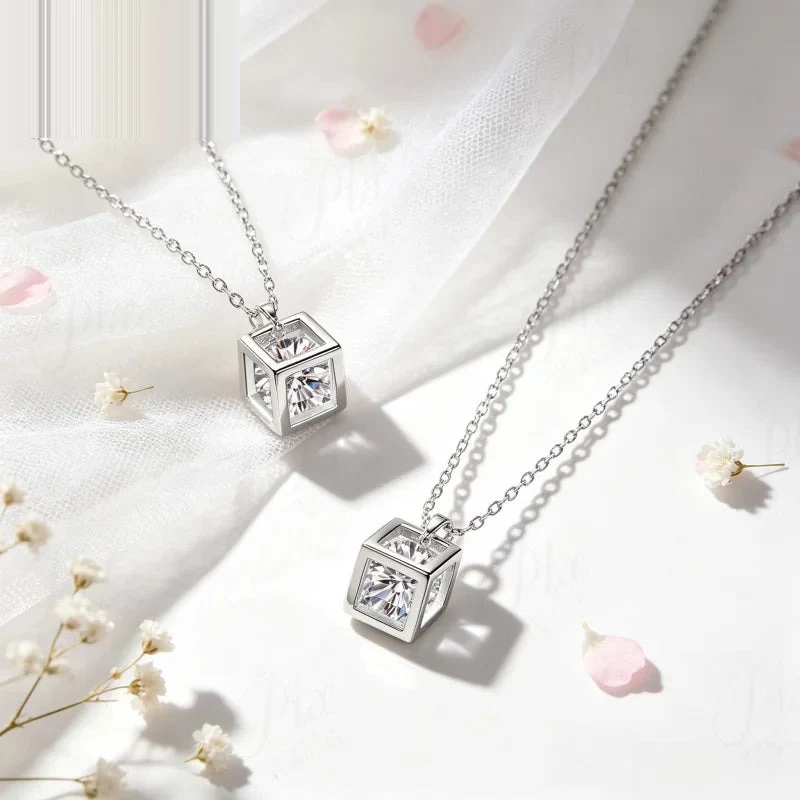
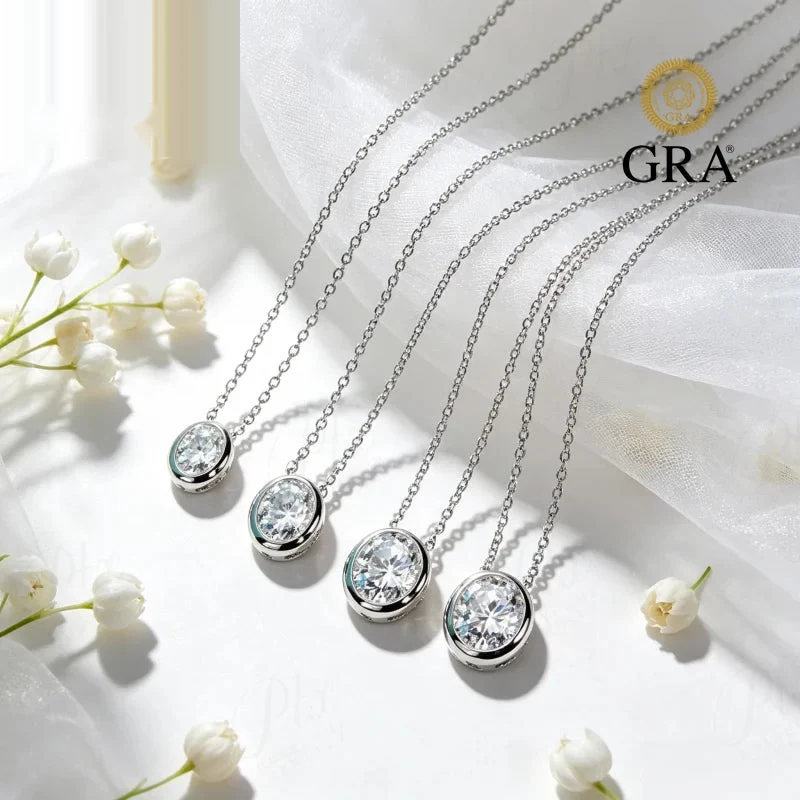
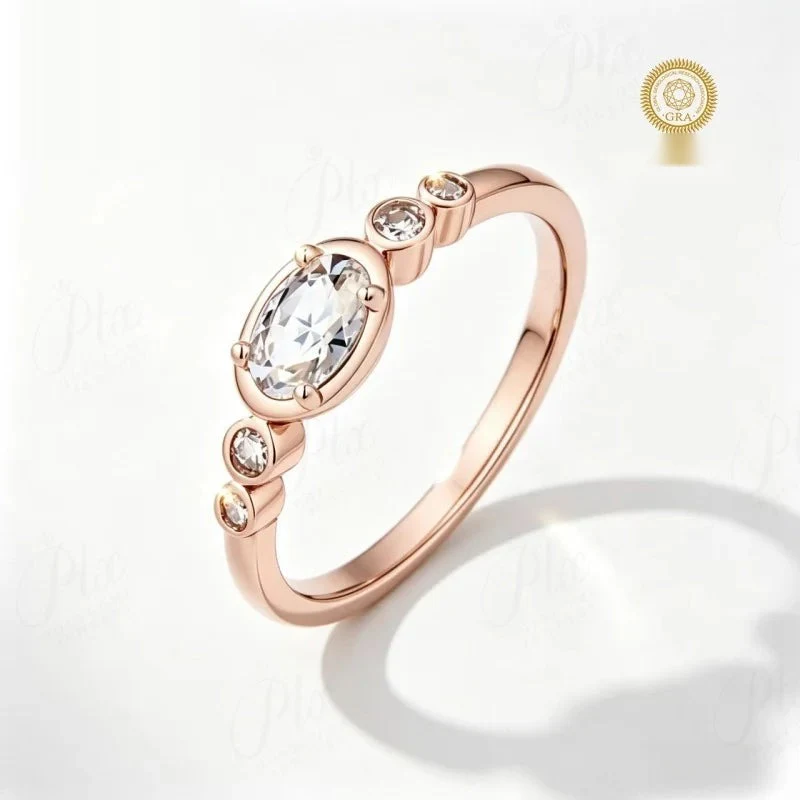
A minimalist silver wardrobe needs about six pieces, not sixty. Start with a pair of small stud earrings: 3 to 5mm round, either plain silver or with a tiny moissanite. Add a thin chain necklace at 16 or 18 inches with a small pendant: a circle, a bar or nothing at all. Choose one everyday ring: a thin 2mm band or a simple signet. Add a bracelet: either a thin cable chain or a smooth bangle. That is the core. Everything else is optional. The point is that these six pieces work with every outfit, every occasion and every mood, so you never stand in front of the jewelry box wondering what to wear.
| Piece | Spec | Why It Works |
|---|---|---|
| Studs | 3-5 mm round | Worn every day, with everything |
| Chain necklace | 16-18 in, 1 mm | Base layer for any outfit |
| Pendant | Small circle or bar | Quiet focal point |
| Everyday ring | 2 mm band | Never removed |
| Bracelet | Thin cable or bangle | Wrist subtlety |
| Optional watch | Silver case, simple face | Replaces other wrist clutter |
The order of acquisition matters. Buy the studs first, because they are the most-worn piece. Then the chain. Then the ring. The bracelet comes last, because it is the easiest to live without. Resist the urge to buy everything at once. Wear each piece for months before adding the next, so you know whether you actually use it.
Metal Finishes That Define Minimalism
Finish matters more than design in minimalist silver. A high-polish band reads as sleek and modern. A brushed finish reads as architectural and quiet. A matte finish reads as soft and contemporary. The most minimalist pieces use one consistent finish across the entire wardrobe: if you choose brushed, choose brushed studs, brushed chains and brushed rings. Mixed finishes can work, but they require a trained eye, and for most people a single finish reads as more intentional.
Oxidation is usually avoided in pure minimalism because it adds contrast and character. But a subtle oxidized groove on an otherwise polished ring can add depth without decoration. Our metal finishes guide compares polished, brushed, matte and hammered surfaces so you can choose deliberately. The most popular minimalist finish right now is brushed, because it hides scratches and reads as less flashy than high polish. High polish is making a comeback for evening pieces, but for daily wear, brushed is the quiet default.
The Geometry of Thin Bands and Simple Chains
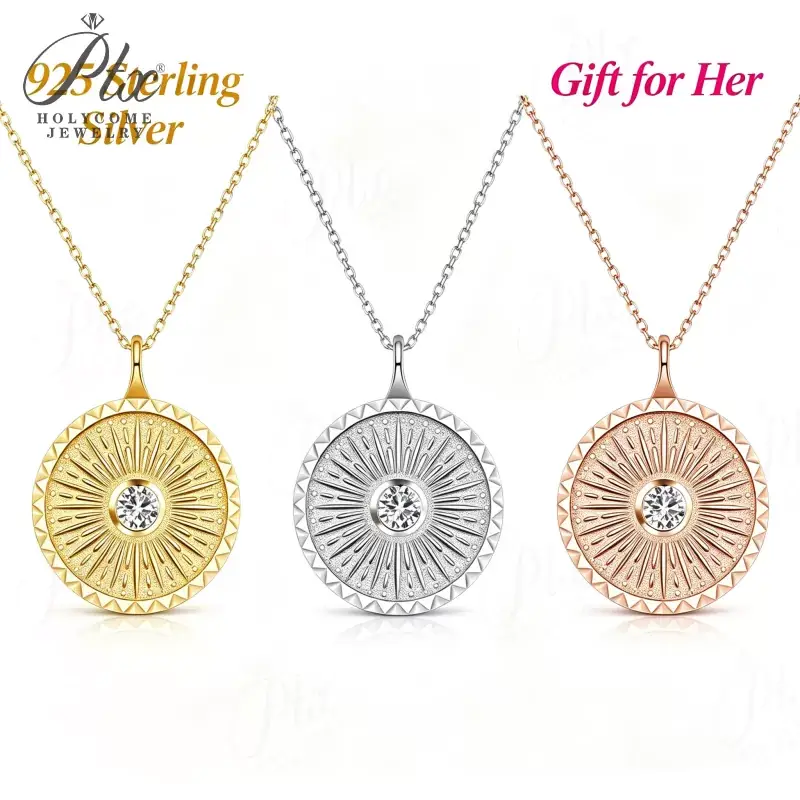
Minimalist jewelry is geometry made wearable. The circle appears as a pendant, an earring, a bangle. The line appears as a bar necklace, a straight ring, a straight bracelet. The sphere appears as a bead, a stud, a charm. These shapes are universal and timeless, which is why they never look dated. A thin silver circle pendant in 2026 would have looked at home in 1956, and it will look at home in 2056. That is the promise of minimalist design: it does not depend on a trend cycle.
The magic is in the proportions. A pendant that is too large overwhelms a minimalist neckline; too small and it disappears. A 12mm circle on a 1mm chain is the sweet spot. A ring band that is too wide reads as statement; too thin and it bends. A 2mm comfort-fit band is the daily sweet spot. Our ring sizing guide covers how thin bands should fit, including why a 2mm band needs a slightly different size than a 6mm band on the same finger.
Negative space is also part of minimalist geometry. An open bangle, a ring with a cutout, a necklace shaped like an incomplete circle: these pieces use emptiness as design. The eye fills in the gap, which makes the piece feel lighter and more thoughtful than a solid shape. This is why open geometric rings and cuffs have become minimalist staples; they read as intentional without adding visual weight.
How Minimalist Pieces Stack and Layer
Minimalism does not mean one piece per body part. It means the pieces you do wear are simple enough to layer. A minimalist wardrobe layers beautifully: one thin chain, one slightly longer chain with a small bar, one thin ring on the index finger, one on the middle. The total effect is sparse but intentional. The key is that every piece in the layer is itself simple, so the sum does not become busy.
The rule for minimalist layering is no more than three pieces per zone: three chains, three rings, two bracelets. Beyond that, the look stops reading as minimal and starts reading as stacked. The necklace layering guide and the ring stacking guide both assume minimalist starting points, so the techniques transfer directly. The difference is that minimalist stacks use fewer pieces and more empty space, which is what keeps the look quiet.
Why Sterling Silver Is the Minimalist Metal
Minimalists choose sterling silver over gold for three reasons. First, silver is neutral: it reads as cool, neutral and non-committal in a way that gold does not. It pairs with both warm and cool clothing tones without fighting. Second, silver is honest about wear. It tarnishes, it develops patina, it shows the passage of time in a way that feels real rather than maintained. Third, silver is accessible, so minimalist pieces can be bought and replaced without anxiety. If a silver thin chain breaks, the replacement cost is small enough that it does not become a decision.
For people with metal sensitivity, 925 sterling silver is also one of the safest mainstream jewelry metals. The small copper content is usually well-tolerated, and rhodium plating can add an extra hypoallergenic layer. Our hypoallergenic silver guide covers skin sensitivity in detail, including which alloy combinations to avoid if you have reactive skin. The rhodium plating guide explains how plating adds both brightness and a hypoallergenic barrier.
Building a Capsule Jewelry Collection
A capsule jewelry collection is built over years, not bought in one trip. Start with the studs and the chain. Wear them every day for six months. When you are ready, add the ring. Six months later, add the bracelet. Each addition should earn its place by being worn repeatedly. If a piece sits in a box, it was not worth buying. The capsule is the opposite of a jewelry drawer full of unworn trend pieces; it is a small set of objects that are actually used.
Resist the urge to buy themed pieces. A Christmas necklace, a vacation bracelet, a birthday ring: these are occasion pieces, not capsule pieces. The capsule is for the pieces you would wear on an ordinary Tuesday. When a minimalist capsule works, you do not think about your jewelry; it is just there, quietly complete. The pendant necklace guide helps choose the one pendant that earns a permanent place, rather than a rotation of pendants that get swapped out weekly.
Budgeting for a capsule is also different from buying trend jewelry. Instead of buying ten cheap fashion pieces, buy two well-made sterling pieces. The per-year cost of a silver piece you wear daily for ten years is lower than a cheap piece you wear twice. This is the quiet luxury argument: spend more, buy less, keep longer.
Minimalist Silver for Men
Minimalist silver is as popular with men as it is with women, because the aesthetic aligns with how men want to dress: understated, well-made, not loud. The men minimalist silver wardrobe is even smaller than the women: a thin chain, a signet or band ring, and a simple bracelet. No studs, no pendants, no stacking. The pieces should be slightly heavier and wider than the womenswear equivalent, so they do not look lost on a larger hand. A 3mm band reads as delicate on a woman finger but right-sized on a man.
Matte and brushed finishes are preferred for men, because high polish reads as dressy. A brushed silver chain at 2mm, worn over a t-shirt or under a button-down, is the default men minimalist look. The men silver jewelry guide covers the specific widths and chain lengths that sell for male customers, who often know less about jewelry and need clearer guidance than women who have been accessorizing for years.
Building a Workwear Jewelry Uniform
Minimalist silver is the natural workwear jewelry. It does not clatter on a keyboard, it does not catch on blouses, and it reads as professional rather than decorative. The workwear uniform is: small stud earrings, a thin chain under the shirt collar, a simple band ring, and a watch or a thin bracelet. This combination works in offices, courtrooms, classrooms and meetings. It says you pay attention to detail without saying you spent a lot of time getting dressed.
The key is that the jewelry should not be noticed by others unless they are looking. A thin silver chain visible at the collar is fine; a dangling necklace that swings when you nod is not. Workwear silver should sit flat, lie close to the body, and make no noise. The sizing guide covers why comfort-fit bands are essential for workwear, because a band that digs in by lunch is a band you will take off and leave at home.
The Anti-Trend Argument
Minimalist silver is the ultimate anti-trend purchase. When chunky rings, big hoops and layered necklaces cycle out of fashion, a thin silver band and a simple chain still look correct. This is the argument for buying fewer, better pieces: they do not depreciate in style. A customer who buys a thirty-dollar minimalist chain in 2026 will still be wearing it in 2036, whereas a customer who buys a two-hundred-dollar trend piece in 2026 will have put it in a drawer by 2028.
This anti-trend quality is why minimalist silver is often recommended as a first jewelry purchase. It teaches the habit of wearing jewelry daily, without the pressure of choosing a trendy shape that might not suit. It also builds the foundation for a collection: once a customer has the core minimalist pieces, they can add trend pieces around them as they evolve. The affordable luxury guide explains how this mindset is reshaping how people buy jewelry, away from impulse trend purchases and toward considered capsule building.
Minimalist Silver for Sensitive Skin
Minimalist pieces sit against the skin all day, which makes metal choice critical. Sterling silver is one of the safest metals for daily wear, but the standard 925 alloy contains 7.5 percent copper, which occasionally discolors sensitive skin. For most people this is a cosmetic issue, not an allergy, and it washes off. For people with true copper sensitivity, fine silver at 99.9 percent purity is an option, though it is softer and less durable. Rhodium-plated sterling is the practical middle ground: the rhodium barrier prevents skin contact with the copper.
The minimalist approach helps here. Fewer pieces against the skin means fewer chances for reaction. A single thin chain is less likely to cause issues than a heavy charm bracelet that traps moisture. The sensitive ears guide covers earring-specific considerations, and the hypoallergenic rings guide covers which ring styles are best for reactive fingers. The rhodium guide explains how the plating wears and when to reapply.
How to Transition from Trendy to Minimalist
Many customers arrive at minimalist silver after years of buying trend jewelry that ended up unworn. The transition is usually sparked by a jewelry drawer full of pieces that tarnished, turned skin green, or felt too loud. The solution is not to throw everything out, but to slowly replace the trend pieces with minimalist staples. Keep the pieces you actually wear, and donate or recycle the ones you do not. Over a year, the drawer becomes a small set of pieces you reach for every morning.
The transition works best when each new minimalist piece replaces a trend piece. If you have three trendy necklaces you never wear, replace them with one silver chain you will wear daily. The per-year cost is lower, and the daily pleasure is higher. The affordable luxury guide explains this mindset shift, and the care guide covers how to decide which old pieces are worth keeping and which should be recycled.
Frequently Asked Minimalist Silver Questions
Shoppers new to minimalist silver ask consistent questions. How much jewelry is too much? For a minimalist, three pieces per zone is the limit. Can I wear a watch and bracelets together? Yes, but keep the bracelets thin on the watch wrist. What is the best first minimalist piece? A pair of small silver studs. Is minimalist jewelry boring? No, because the interest comes from the materials, finishes and how the pieces are worn together rather than decoration. How often should I replace minimalist pieces? Solid 925 pieces last decades; replace them when they wear out, not when trends change.
The most common question is how minimalist differs from plain. The answer is that minimalist pieces are designed with intention: the right weight, the right finish, the right proportion. A cheap plain chain is not minimalist; it is just cheap. A well-made thin silver chain with a smooth clasp and a consistent finish is minimalist. The finishes guide explains the difference, and the 925 guide covers why material matters. The quality guide tells you how to tell.
Starting Your Minimalist Wardrobe
If you are building a minimalist silver wardrobe, buy the studs first. They are the most-worn piece and the easiest to wear. Next, add the thin chain. Wear both every day for three months. When you cannot remember the last time you took them off, add the ring. Each piece should earn its place. If you buy a piece and find yourself not wearing it, return it or exchange it. The capsule is about what you actually use, not what you think you should own. Over a year, you will end up with a small set of pieces that go with everything.
The minimalist approach also saves money in the long run. Instead of buying ten cheap fashion pieces that tarnish in months, you buy two well-made sterling pieces that last years. The per-year cost is lower, and the daily pleasure is higher. Minimalism in jewelry is not about deprivation; it is about choosing quality over quantity. The result is a jewelry drawer that contains only pieces you love, worn on rotation, rather than a pile of items you bought on impulse and never touch.
This capsule approach is particularly resonant for people who work in creative fields, where a calm personal aesthetic is more valuable than a loud statement. A writer, an architect, a designer, a teacher: these are people who think about objects all day, and they want their jewelry to support rather than compete with their work. Minimalist silver does that. It is present but quiet. It is well-made but not flashy. It is the jewelry equivalent of a good notebook: something you use every day, that does its job without demanding attention.
The best minimalist silver pieces are the ones you stop noticing. They become part of your daily uniform, like your watch or your glasses. You do not coordinate them with your outfit; they are simply there. That invisibility is the goal. When a stranger glances at your hand and sees a clean silver band, they do not think about the jewelry; they think about you. Minimalist jewelry recedes so the person wearing it can come forward. In a culture that constantly demands attention, that quiet confidence is the most modern statement of all.
Gift-Giving with Minimalist Silver
Minimalist silver is the easiest gift to give because it is hard to get wrong. A small pair of silver studs, a thin initial necklace, a simple band ring: these fit nearly every style and age. They are also gifts that keep giving, because the recipient will wear them daily and think of the giver. For weddings, bridesmaid gifts and birthdays, minimalist silver beats statement jewelry because it does not compete with the recipient existing style. It is a gift that fits into a wardrobe rather than demanding a new one.
Engraving adds personalization without breaking the minimalist aesthetic. A tiny date inside a band, a single initial on a pendant, coordinates on a bar necklace: these details are invisible from a distance but meaningful up close. The initial necklace guide and the gift buying guide cover how to choose these pieces for others, including sizing tips and which engravings age best. The best minimalist gifts are the ones the recipient will still be wearing decades from now, when the trend jewelry they received in other years has long since tarnished and been discarded.
Related Articles
Sterling silver terminology used in this guide follows the Wikipedia entry on sterling silver.
Frequently Asked Questions
How do I prevent sterling silver from tarnishing in storage?
Use anti-tarnish bags with a sulfur absorber, keep humidity under 60% and avoid paper wrapping. Rhodium plating adds a further barrier on high-turn SKUs.
Is rhodium plating worth the added cost?
Yes for display and gift lines. It resists tarnish for 12–18 months and keeps shelf pieces bright, which reduces markdowns.
What purity do you supply?
925 sterling silver, stamped and hallmarked. Fine silver (.999) is available for beads and bullion-style pieces.
What is the MOQ and lead time?
50 pieces per design, samples 3–5 days, bulk 15–20 days.