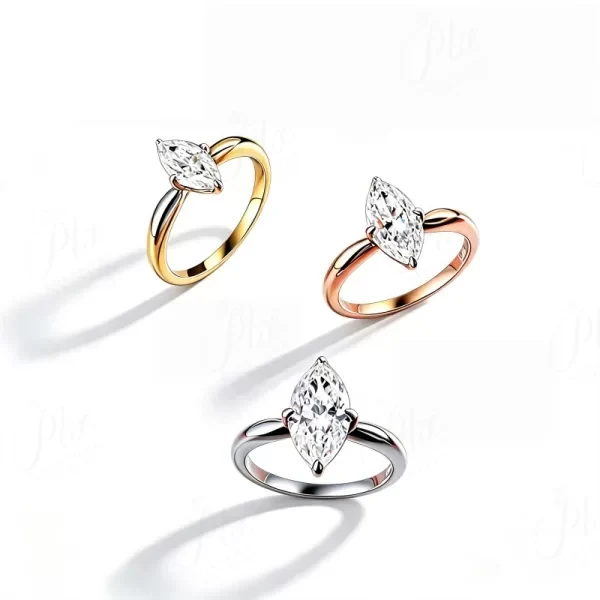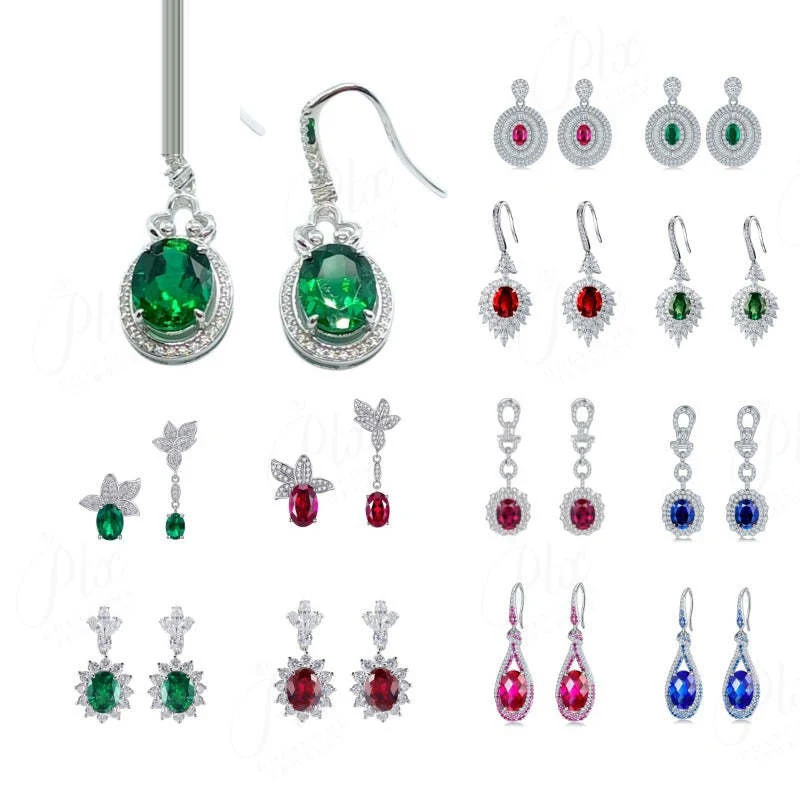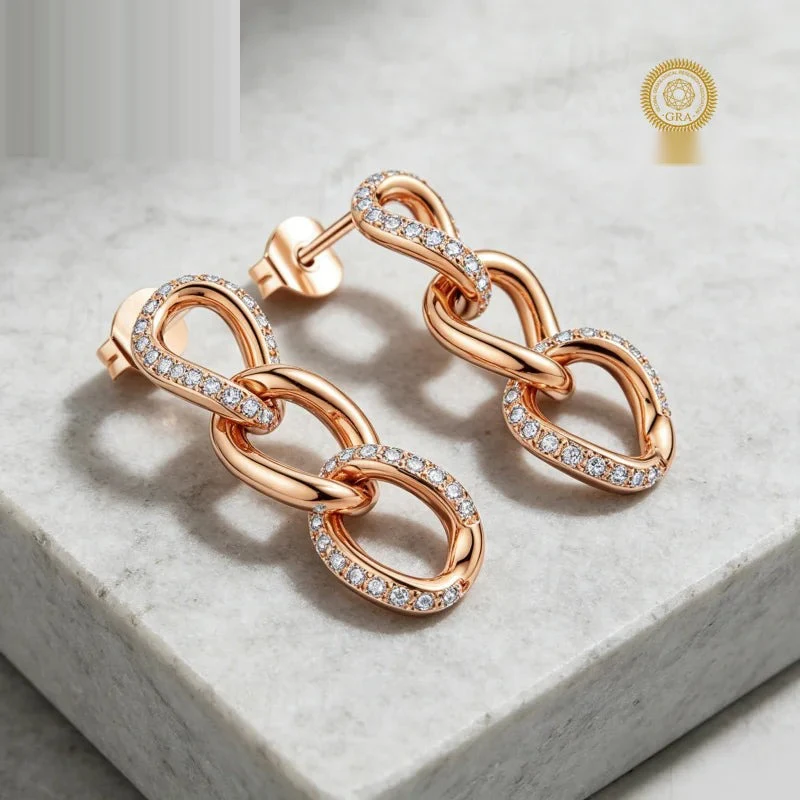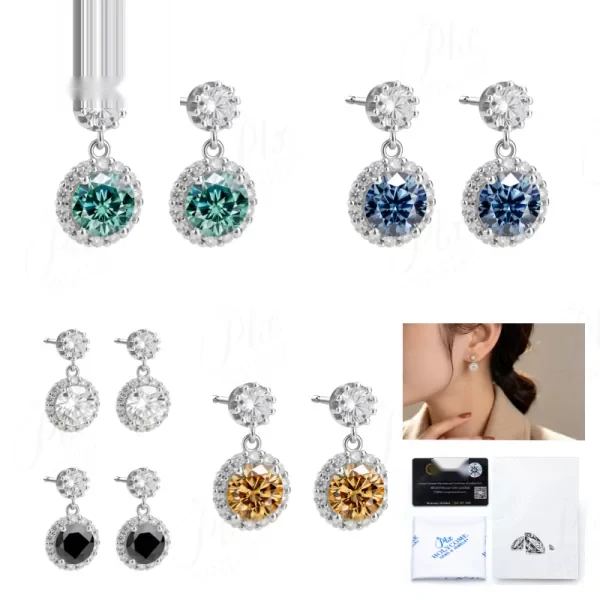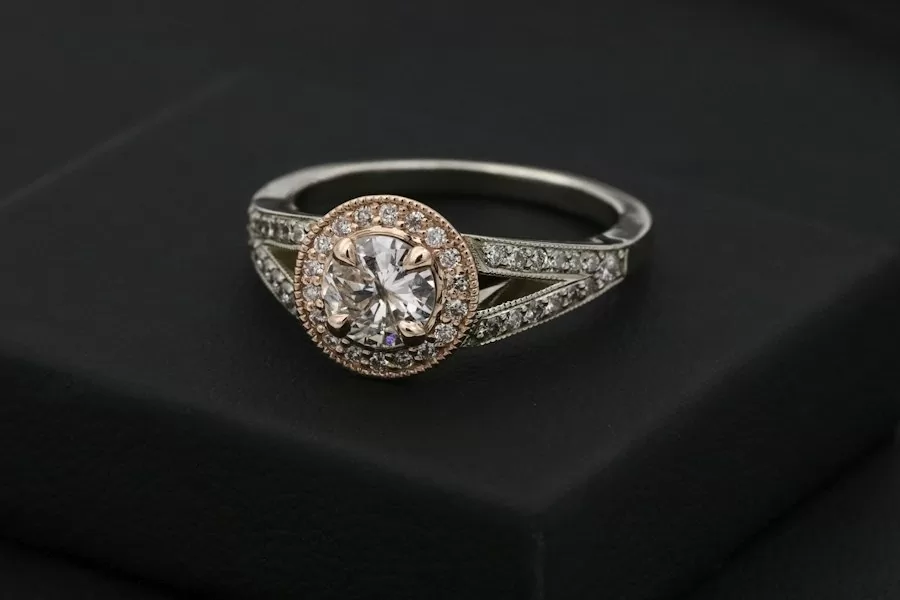
A halo engagement ring is one of the most recognizable bridal designs in jewelry: a center stone surrounded by a circle of smaller stones that adds sparkle, width, and visual weight. When that center stone is moissanite and the band is 925 (ISO 925 sterling silver standard) sterling silver, you get a ring that reads far more expensive than its price tag. That combination has made silver-and-moissanite halos a favorite among budget-conscious couples who want the look without the mined-diamond bill.
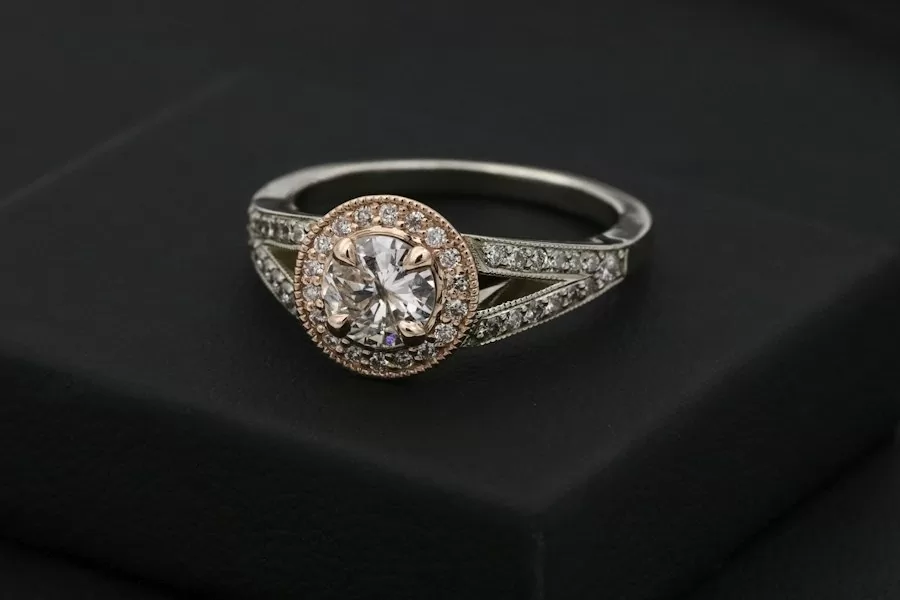
This guide covers how the halo works, what to look for in quality, and how to help customers choose one with confidence.
What a halo actually does
The halo serves two purposes. Visually, the ring of smaller stones makes the center stone look larger than its actual carat weight—a one-carat-equivalent center in a halo can read as closer to one and a half carats. Optically, the surrounding stones bounce extra light back at the center, increasing overall brilliance. Because moissanite already has strong fire, pairing it with a halo amplifies the sparkle rather than competing with it.
If you are new to the structural side, our breakdown of ring settings explains solitaire, bezel, and pave constructions that often appear alongside halo designs.
Why sterling silver works for this look
Sterling silver is a practical, affordable base for a fashion-forward or budget bridal ring. It takes a bright polish and holds small pavé stones securely when set properly. For couples who want an engagement look without committing to platinum or 14k gold pricing, silver plus moissanite delivers the silhouette they recognize. We cover the broader category in our guide to silver moissanite engagement rings.
One honest caveat: silver is softer than gold and will tarnish over time, so a daily-wear engagement ring in silver benefits from a protective rhodium finish and regular care—covered in our ring care guide.
Choosing the halo shape
Halos follow the center stone's outline. Round halos are the most classic and brightest. Cushion and oval halos elongate the finger and feel modern. Pear and marquise halos are dramatic but need a well-made basket so the stones sit evenly. Double halos—two concentric rings of stones—maximize the look but add cost and a bit of width, so they suit longer fingers well.
Match the halo shape to the customer's style: timeless and traditional points to a round halo; fashion-forward and romantic leans toward cushion or oval.
Quality checks before you sell
Inspect the pavé stones under magnification. Each small stone should sit flush, with no wobbly or tilted stones and no visible glue bleeding over the edges. The prongs holding the center stone should be smooth and well-finished. The band should be thick enough to resize comfortably—an extremely thin halo band will flex and loosen stones. Ask about stone security: a well-set moissanite halo should hold up to daily wear, but the tiny pavé stones are always the first point of wear, so set expectations honestly.
Styling with a wedding band
Because halos have a built-up profile, not every wedding band sits flush against them. A curved or contoured band designed to tuck under the halo is the most comfortable pairing. Customers planning to wear both rings every day should choose them together. This is also a natural upsell: once a customer buys the halo, a matching eternity band completes the set.
The business case
For retailers, halo rings are a strong margin SKU: the design reads luxurious, the materials stay affordable, and the style photos extremely well. Customers who would never justify a mined diamond engagement ring are comfortable buying a silver moissanite halo as a promise ring, a right-hand ring, or a budget bridal piece. Stock a few center shapes and let the halo's built-in sparkle do the selling.
Choosing the center stone weight
Because the halo already boosts apparent size, you do not need a huge center stone to get a big look. A smaller center with a well-proportioned halo often reads more elegant than an oversized center that overwhelms the finger. Work with the customer's finger size and budget: the halo does the visual lifting, so spend on setting quality rather than chasing a big carat number. Our moissanite silver ring buying guide covers how center weights translate to appearance.
Who this ring suits best
The halo is inherently romantic and glamorous, so it leans toward customers who want a clearly bridal look rather than an understated one. It pairs well with a budget bridal mood: couples who love the idea of a traditional engagement silhouette but not the traditional price. Be honest that a silver band is a softer, more affordable base than gold or platinum—customers who understand that tradeoff love the result, and those who want a lifetime metal upgrade can start in silver and revisit later.
Frequently Asked Questions
Is moissanite a good diamond alternative for retail buyers?
Yes for price-sensitive customers who want brilliance and hardness. Moissanite ranks 9.25 on the Mohs scale, holds up to daily wear and costs a fraction of a natural diamond of the same size, so it resells fast in bridal and fashion lines.
What is the minimum order for wholesale moissanite?
MOQ starts at 50 pieces per design for stock items. Custom cuts and private-label settings usually start at 100–300 pieces depending on the mold.
Do you provide certificates with moissanite stones?
Yes. Every parcel ships with GRA or IGI documentation listing carat weight, color grade and cut. We recommend passing the certificate to your end customer for trust.
How long does sample and bulk production take?
Samples ship in 3–5 days. Bulk runs take 15–20 days under 500 pieces, and 25–30 days for custom work.