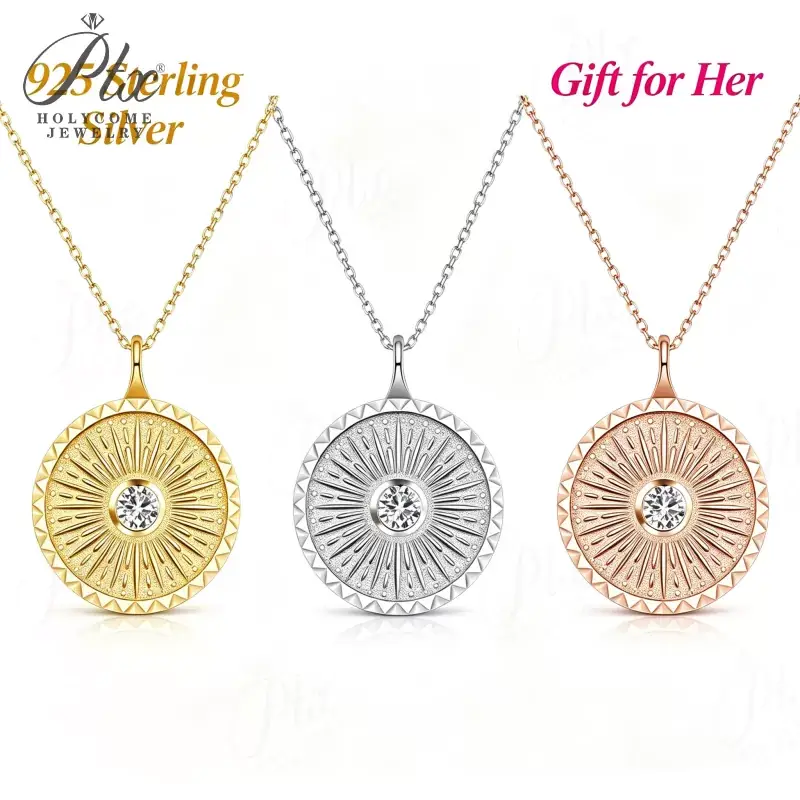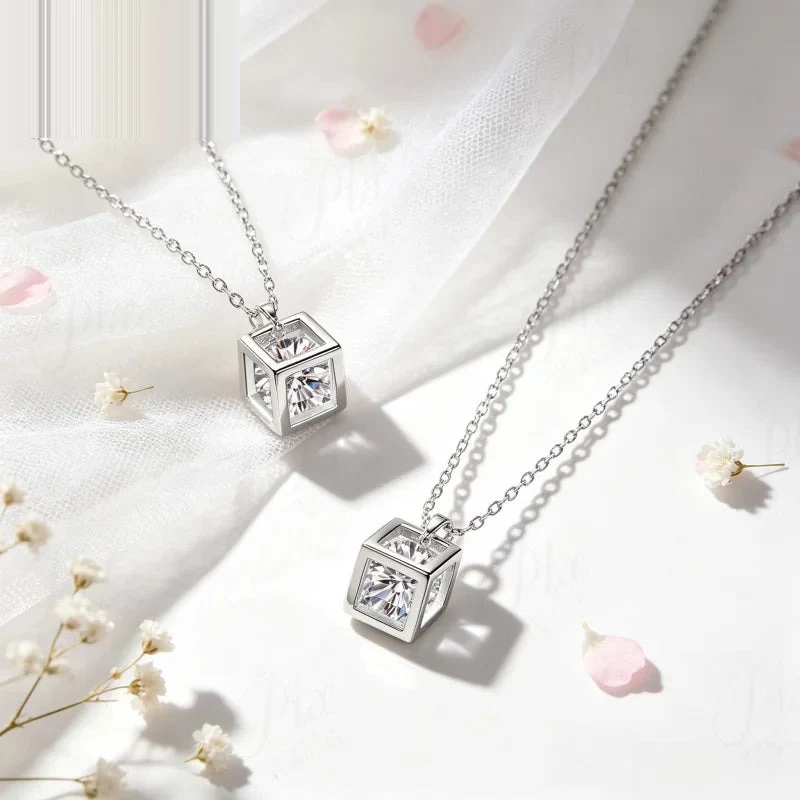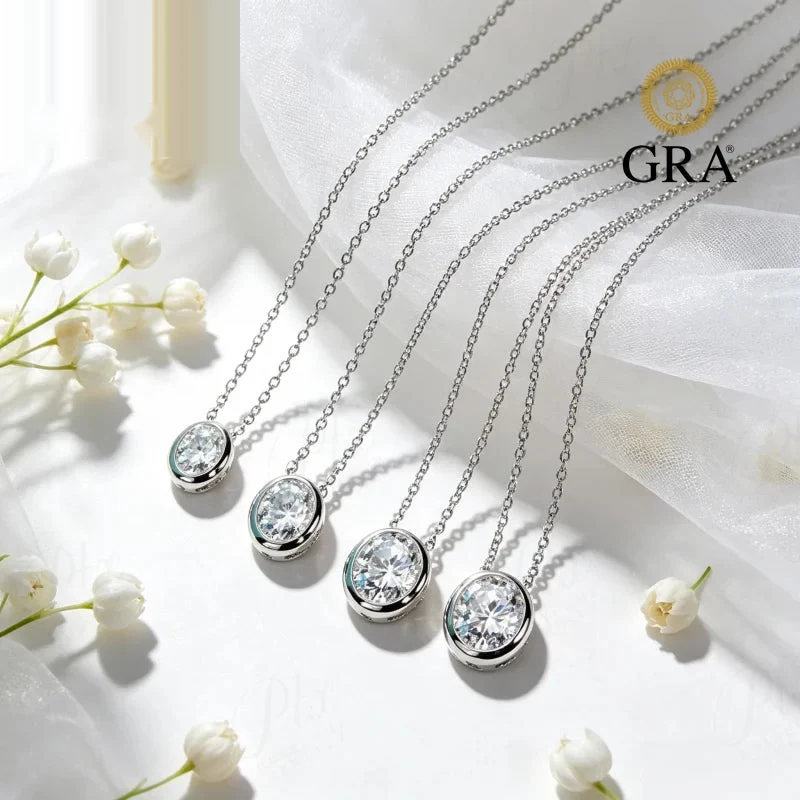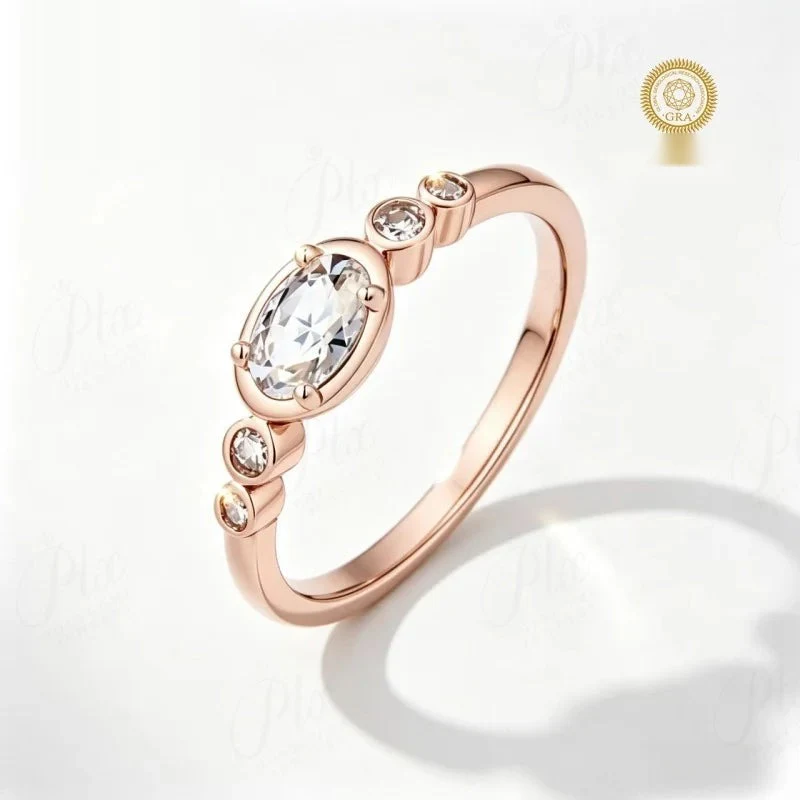
An eternity band is a ring set in a continuous loop of small stones, meant to symbolize a love or commitment that has no beginning and no end. In moissanite set in 925 (ISO 925 sterling silver standard) sterling silver, it becomes one of the most affordable ways to own a full circle of sparkle without the cost of a diamond eternity ring. But buyers who skip the details often end up with a band that cannot be resized, or that wears unevenly after a year. This guide walks through the choices that matter.
Full eternity vs half eternity
A full eternity band wraps stones all the way around the finger. It looks stunning from every angle, which is the whole appeal. The tradeoff is structural: stones along the bottom of the ring take the brunt of daily wear against desks and doorframes, and a fully set band usually cannot be resized later. Once your finger size shifts, the ring cannot easily be opened.
A half eternity band sets stones only along the top, visible arc, leaving the lower band plain metal. It is more durable, easier to resize, and usually less expensive. For most everyday wearers, the half eternity is the practical choice, and most onlookers never notice the difference.
Prong vs shared settings
Stones can be held with individual prongs or set into a shared channel or shared-prong design. Individual prongs let more light into each stone and maximize sparkle, but prongs can catch on hair and fabric over years of wear. A channel or shared setting protects the stones and gives a smoother, lower profile that wears comfortably next to another ring.
If the band will sit flush against an engagement ring, a lower-profile shared setting reduces rubbing. If it will stand alone, prong-set stones deliver more fire. Read more about these structures in our breakdown of silver ring settings.
Why 925 silver with rhodium plating works
Sterling silver is 92.5 percent silver alloyed for strength, and it takes a bright, polishable finish. Because an eternity band has dozens of tiny stones held by tiny prongs, the metal needs to be sturdy enough to grip them. Most retail moissanite silver eternity bands are finished with a thin rhodium plating that mimics white gold, adds scratch resistance, and prevents the natural tarnishing silver is prone to. The plating is not permanent, and knowing how to care for it keeps the band bright longer. Our silver jewelry care guide covers the routine.
Sizing before you buy
Because full eternity bands are hard to resize, get the size right up front. If you are unsure, a half eternity gives you room to adjust later. Consider the finger you will wear it on: a stacking finger often runs half a size different from your usual ring finger. Measure in the evening when fingers are warm, and measure over a few days rather than once in the morning cold.
Stacking and styling
Eternity bands are built to stack. Pair a thin half-eternity with a plain wide band for contrast, or stack two thin eternity bands in mixed widths for a modern look. Keep total stack height comfortable under gloves and cuffs. A band that is too tall will dig and turn the ring into something you stop wearing.
Who it is for
Beyond anniversaries, eternity bands make thoughtful push presents, milestone birthday gifts, and promise rings. Because moissanite costs a fraction of diamond, it is also a popular choice for a first "real" stone that a young buyer can own outright. The value comparison versus mined diamond is the main reason this style has grown so fast.
Budgeting for a silver eternity band
Because moissanite is lab-grown and set in sterling silver rather than platinum or 18k gold, an eternity band costs a fraction of a diamond eternity ring. That price gap is what makes it accessible as a first milestone piece or as an everyday band worn alongside a more formal engagement ring. Set a budget that leaves room for occasional re-plating later, since the rhodium finish on silver will thin over years of wear. Factoring in that one cheap refresh keeps the band looking new long-term.
Layering with an engagement ring
If you plan to wear the eternity band with a solitaire, check that the two sit flush. A mismatched gap between rings can catch and wear both settings. A curved or contour band is designed to hug a solitaire, while a straight band works best when the engagement ring has a low profile. Try the combinations on together if you can, or order from a retailer that will exchange if the fit is not right. The band should feel like it belongs with the ring, not against it.
The right eternity band is the one you will actually wear daily. Choose half over full unless you have a specific reason not to, protect the stones with a sensible setting, and confirm your size before checkout.
Frequently Asked Questions
Is moissanite a good diamond alternative for retail buyers?
Yes for price-sensitive customers who want brilliance and hardness. Moissanite ranks 9.25 on the Mohs scale, holds up to daily wear and costs a fraction of a natural diamond of the same size, so it resells fast in bridal and fashion lines.
What is the minimum order for wholesale moissanite?
MOQ starts at 50 pieces per design for stock items. Custom cuts and private-label settings usually start at 100–300 pieces depending on the mold.
Do you provide certificates with moissanite stones?
Yes. Every parcel ships with GRA or IGI documentation listing carat weight, color grade and cut. We recommend passing the certificate to your end customer for trust.
How long does sample and bulk production take?
Samples ship in 3–5 days. Bulk runs take 15–20 days under 500 pieces, and 25–30 days for custom work.