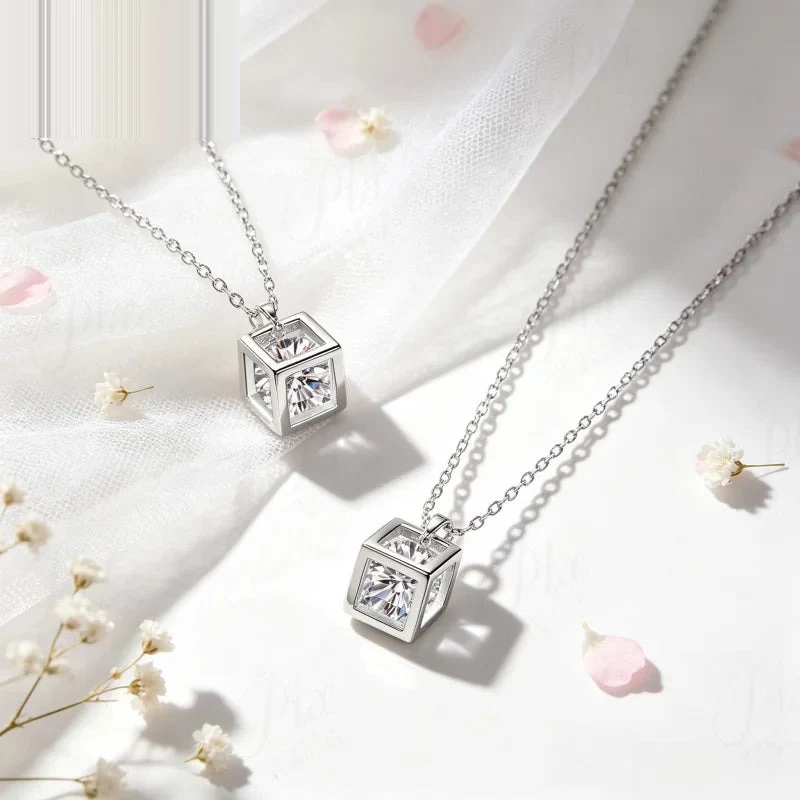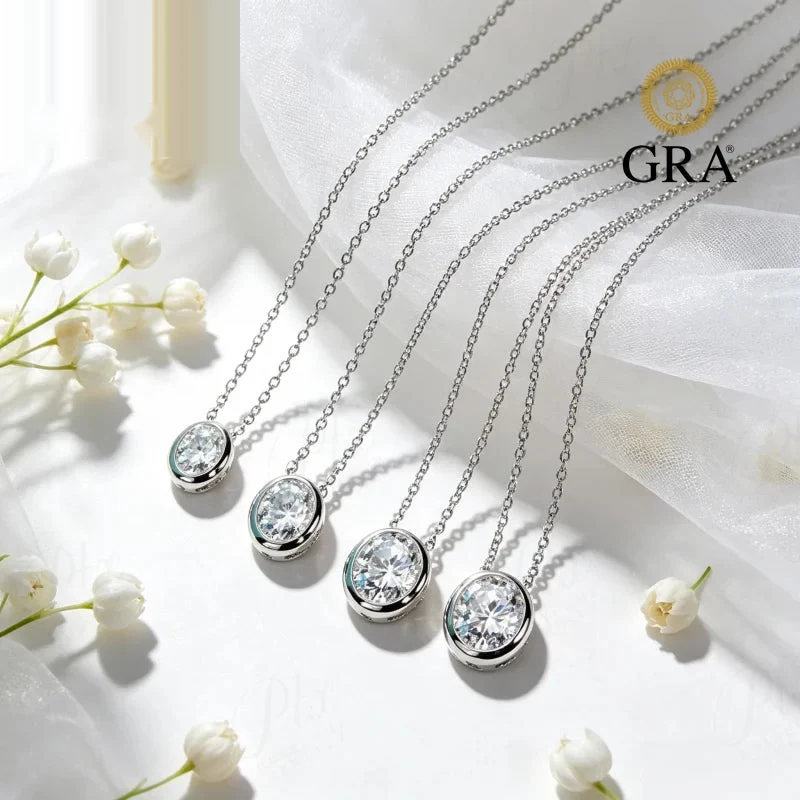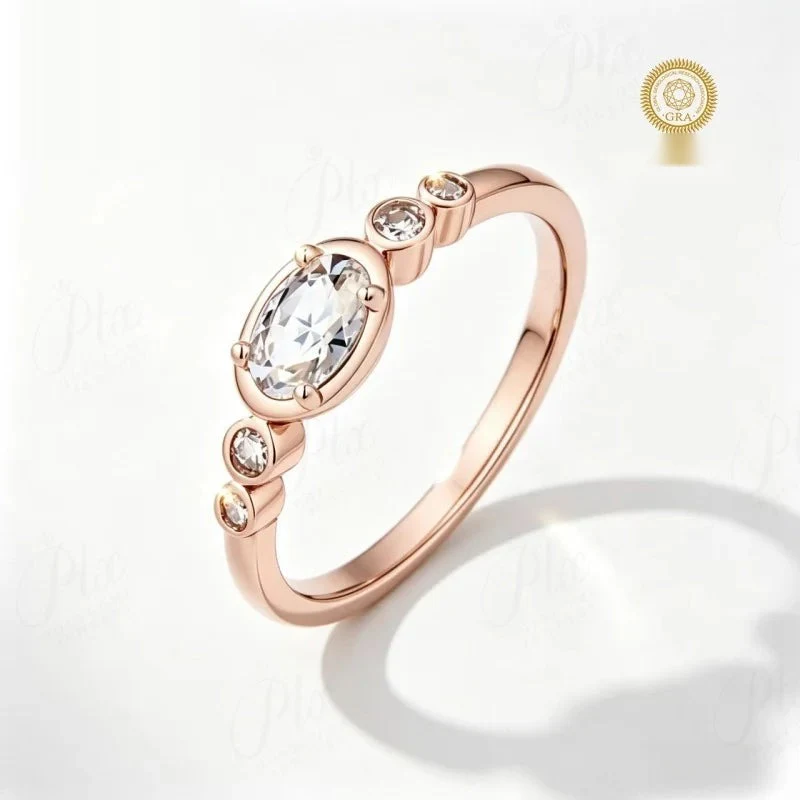
There is a difference between scrolling a supplier catalog online and standing in front of a tray of samples at a trade show. Online you compare prices. At a show you feel the weight of a chain, check the depth of a rhodium finish, watch how a moissanite stone fires under real lights, and shake the hand of the person who will actually handle your orders. That difference is why serious jewelry buyers still walk the floor every season.
Prepare before you walk in
The buyers who get the most out of a show are the ones who did homework. Before you go, pull your last two quarters of sales and note which silver pieces actually moved. That tells you what to reorder and what categories to test. Set a rough budget split before the show: sixty percent proven sellers, thirty percent new tests, ten percent wildcards. Walking in without a plan is how you leave with a box of pretty pieces your customers never asked for.
Make a hit list of vendors. Use the show directory to shortlist booths that match your price band and MOQ, and read our guide to choosing jewelry suppliers first. Print a one-page company brief to hand out: your store name, your monthly order volume, your market, and what you are looking for. Suppliers remember serious buyers.
Walk the floor twice
Smart buyers do not buy on the first pass. The first lap is reconnaissance: take photos of booths, note prices, and compare finishes across vendors. The second lap is where you actually place orders. This prevents the common mistake of falling for the first pretty display and overpaying because you had nothing to compare it to. Spend time at the back of the floor too, where smaller manufacturers often offer better pricing than the big branded booths.
When you inspect samples, check the things a photo never shows. Feel the weight of a chain, check that a clasp clicks firmly, look at the back of a setting for clean workmanship, and ask whether the 925 stamp is applied to the piece or just the packaging. Test a moissanite stone under the booth lights and in the aisle light, because fire behaves differently in each.
Negotiate with leverage
A trade show is one of the few places where real negotiation happens. Bring numbers. If you can commit to a repeat order over the season, ask for a better unit price or waived setup on custom pieces. Ask about display stands, packaging inclusion, and sample terms. Suppliers often reserve their best show-only pricing for buyers who ask, and low-MOQ terms are more flexible on the floor than on a website.
Do not be afraid to walk away. If a vendor pushes a minimum that feels too high for a first test, propose a smaller trial order and a second reorder clause. Most manufacturers would rather start with a small order and grow with you than lose the contact. Our guide to negotiating with suppliers covers the language that works.
Vet the moissanite and silver claims
Not every stone on the floor is what it claims. Ask for the certification. Reputable moissanite suppliers will show GRA certificates and explain the color grade they stock. For silver, ask to see the hallmark and whether the piece is solid sterling over a brass core or fully solid 925. Rhodium plating thickness affects how long the finish stays bright, so ask how it is applied. A supplier who answers these without hesitation is usually one you can build on.
The follow-up makes the show
The booth visit is only half the work. Within a week, email every vendor you shortlisted, confirm the quotes, request photos of production samples, and place a small pilot order before committing to a full season. File each supplier's lead times, reorder terms and contact details in one place. The relationship you build at the show pays off across the year: faster samples, priority production, and early access to new designs.
Avoid the rookie mistakes
Do not over-order on emotion. Do not skip the inspection because a sample looks perfect. Do not forget to ask about shipping and customs costs, which can quietly erase your margin. And do not stop at one show a year: returning builds the vendor relationships that become your competitive edge.
Budgeting for the show itself
Buyers forget that the show costs money beyond the orders. Travel, hotel, meals and booth parking add up, and a first-time attendee can spend as much getting there as on a sample order. Factor those costs into the season's buying budget, and book travel early. Set a firm order ceiling for the floor so the excitement of the hall does not push you into inventory you cannot store. A disciplined buyer walks out with the right stock and still has margin left to market it when it arrives.
Trade shows are where a jewelry business stops guessing and starts knowing. Prepare a hit list, inspect every sample, negotiate with numbers, and follow up fast. Done that way, a single show can set your inventory for the whole season.
For third-party reference, the Wikipedia article on moissanite details moissanite’s discovery, optical properties and use in jewellery.
Related reading: How to Navigate Jewelry Wholesale Trade Shows Without Wasting Your Bud, Jewelry Trade Shows for Sterling Silver Brands: What to Do Before, Dur, The Jewelry Trade Show Buying Checklist Every Wholesaler Needs.
Frequently Asked Questions
How do I verify a factory before placing a bulk order?
Request a production video, business license, export records and a paid sample run. A factory that accepts a 50-piece test order is usually a real manufacturer.
What payment terms do you offer?
30% T/T deposit with the balance against the bill of lading. This protects both sides on first orders and can move to net terms after a track record.
What is your normal reject rate?
3–5% under 10x loupe inspection for cast and set pieces. Defective units are replaced free in the next shipment.
Where is the factory located?
Wuzhou, Guangxi, China—the core lab-grown and moissanite manufacturing cluster. Shipments go via Guangzhou or Shenzhen ports.