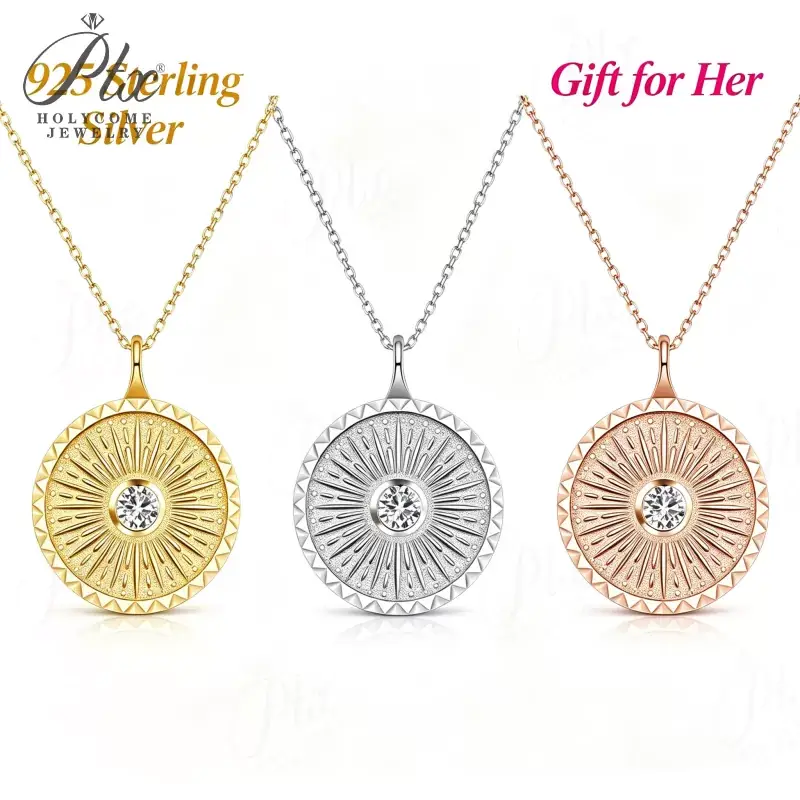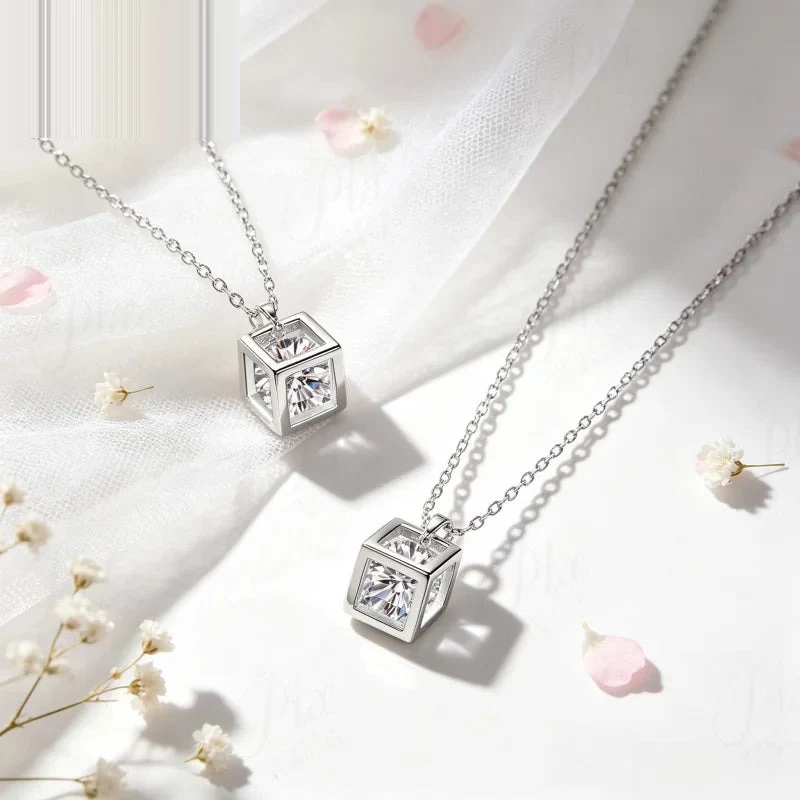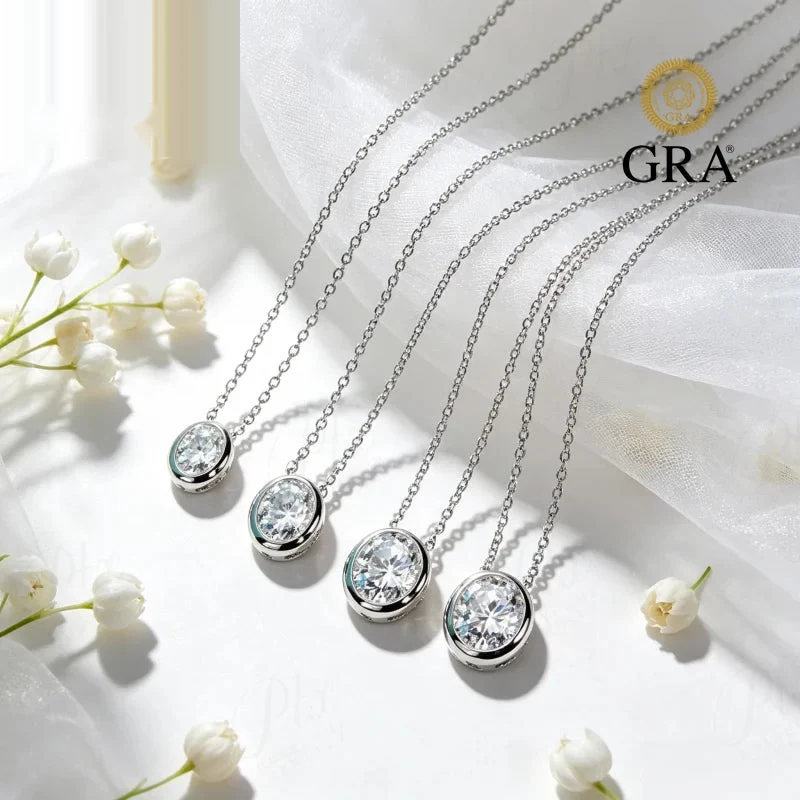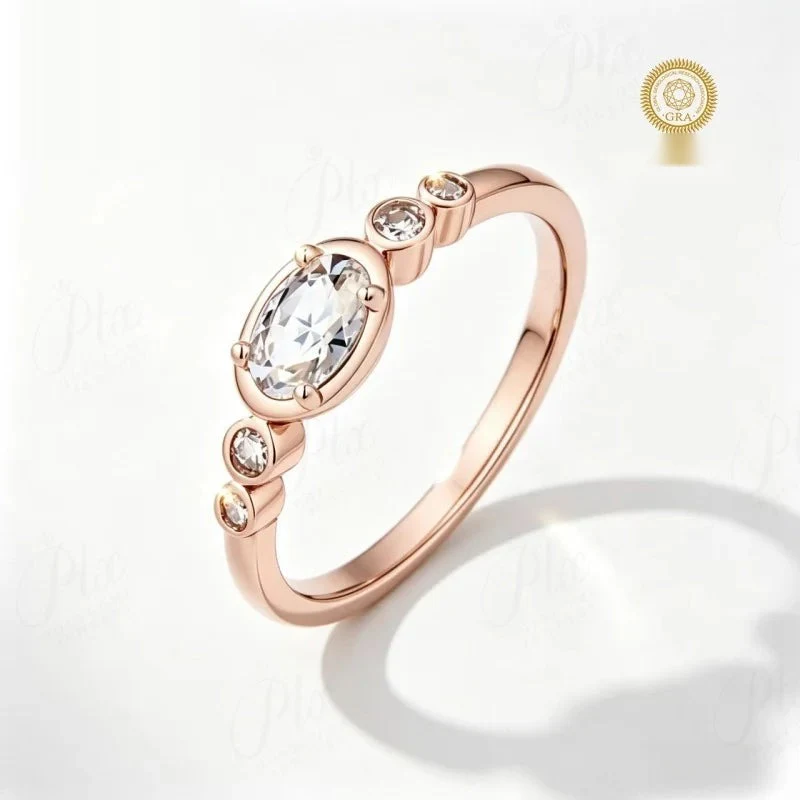
There is a particular buzz the first time you walk the aisles of a jewelry wholesale show. Rows of cases glowing under task lighting, reps handing you cards, buyers comparing notes in the coffee line. It feels like the center of the industry, and it can be, if you arrive with a plan. Without one, you come home with a suitcase full of brochures and a credit card you cannot recognize. This is how small silver and moissanite retailers get the first kind of trip.
Before you book: know why you are going
Trade shows serve several jobs at once. You might be scouting new suppliers, benchmarking pricing, watching trends, or writing reorders for proven winners. Most first-timers try to do all four and do none well. Pick one primary goal. If you are sourcing a fresh silver collection, your job is to walk every relevant booth, compare workmanship, and collect samples. If you are auditing existing vendors, your job is to sit down with them and negotiate. Dress the part, bring comfortable shoes, and leave the family at home.
Set a budget before the floor opens
Show floors are engineered for impulse. A booth rep will quote you a number that feels impossible to beat, and by the third booth it is easy to stack order after order. Decide your open-to-buy number in advance, split it by category (rings, necklaces, bracelets, earrings), and write it on your phone. When a category budget hits zero, you walk. This one habit saves more retailers than any negotiation trick.
Remember that MOQs, shipping, and duties sit on top of the quoted unit price. A piece that looks cheap at the booth can be expensive by the time it clears customs. Our guide to minimum order quantities and shipping and customs should be read before you go, not after.
Walk the floor in the right order
Resist the urge to start at booth one. Walk the entire show once on the first day without buying. Mark the booths that match your aesthetic. On the second pass, stop and talk. This keeps you from locking into the first acceptable supplier when a better one is three aisles over. Spend extra time in the booths of vendors you already buy from; relationship value compounds, and a rep who knows your shop will prioritize your reorders later.
Judge the jewelry, not the pitch
Booths are theatrical. Focus on what survives under a loupe: solder finish, prong tension, chain gauge, hallmark stamps, and whether stones sit level. Ask for a sample piece you can take home and wear for a month. Most serious vendors will send one. Compare plating thickness and ask whether rhodium or gold plating is included or a surcharge. For sensitive-skin customers, confirm the base metal is solid 925 rather than plated alloy. Our piece on identifying solid silver versus plated is the checklist to bring along.
Plan travel and sample costs before you go
Tickets, hotel, and meals add up fast, and they quietly erase the margin on a good order. Book early, share a room with another small retailer if you can, and eat one meal away from the convention center. Treat the trip as a business expense with a budget, not a vacation. Set aside a small cash float for samples, because the pieces you take home are more valuable than the brochures. A vendor who lets you test a chain for a month will tell you more than any catalog ever will.
Write orders you can actually receive
A signed order means nothing if your cash flow cannot cover it on delivery. Ask about net terms, deposit percentages, and production lead times. Get everything in writing: sizes, colors, packaging, and the date by which stock ships. Ask what happens if a piece arrives tarnished or a stone is loose. The vendor who answers clearly today is the one who will answer clearly in March when you need them.
The follow-up is where the money is
Most buyers file their cards and lose the advantage. Within a week, send a short email to the three vendors you want to test. Reorder the styles that sold through quickly in a small pilot before committing to a big season. Treat the show as a first date, not a marriage. Reordering winners beats chasing novelty every quarter.
Keep a simple notebook of what you saw. Note which booths had long lines, which customers flagged you down asking about, and which price points felt crowded versus empty. That observational data is worth more than any trend report, because it tells you what your own shoppers are already reacting to. Bring it back to your shelves and test one or two of those ideas before the next show rolls around.
Wholesale shows reward preparation. Walk in with a budget, a list, and a loupe, and the industry suddenly becomes a supply chain you can actually steer.
For HS classification of jewellery in customs and export documentation, the WCO Harmonized System nomenclature is the authoritative nomenclature.
Authoritative References
For buyers who need to verify the technical and regulatory basis of this guide, the following independent institutions publish authoritative reference data:
- eCFR Title 19 - U.S. Customs regulations for tariff classification and import documentation.
- European Commission - EU customs, tariffs and trade compliance resources.
Frequently Asked Questions
How do I verify a factory before placing a bulk order?
Request a production video, business license, export records and a paid sample run. A factory that accepts a 50-piece test order is usually a real manufacturer.
What payment terms do you offer?
30% T/T deposit with the balance against the bill of lading. This protects both sides on first orders and can move to net terms after a track record.
What is your normal reject rate?
3–5% under 10x loupe inspection for cast and set pieces. Defective units are replaced free in the next shipment.
Where is the factory located?
Wuzhou, Guangxi, China—the core lab-grown and moissanite manufacturing cluster. Shipments go via Guangzhou or Shenzhen ports.