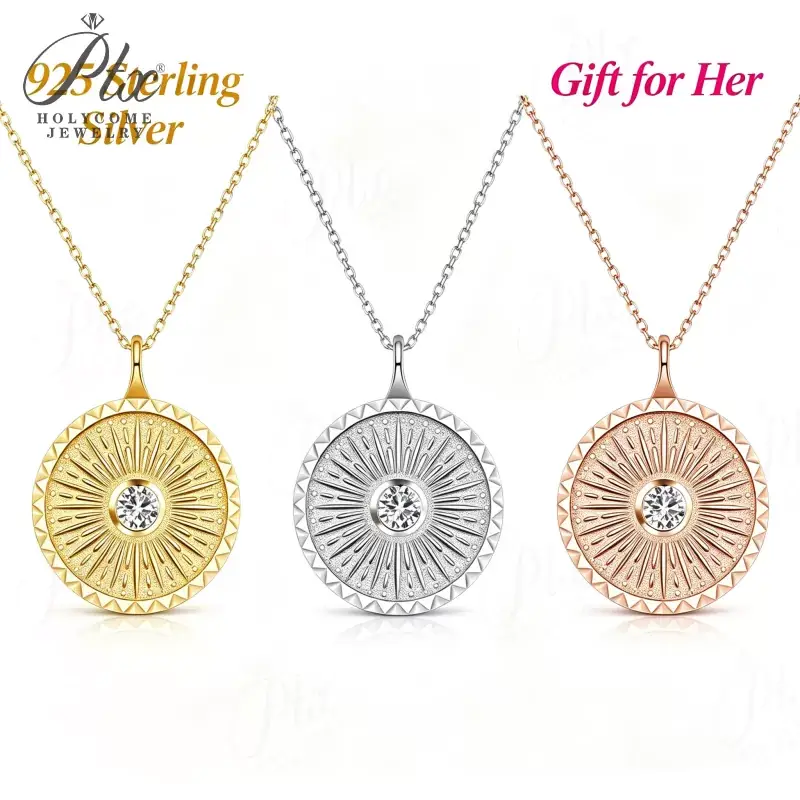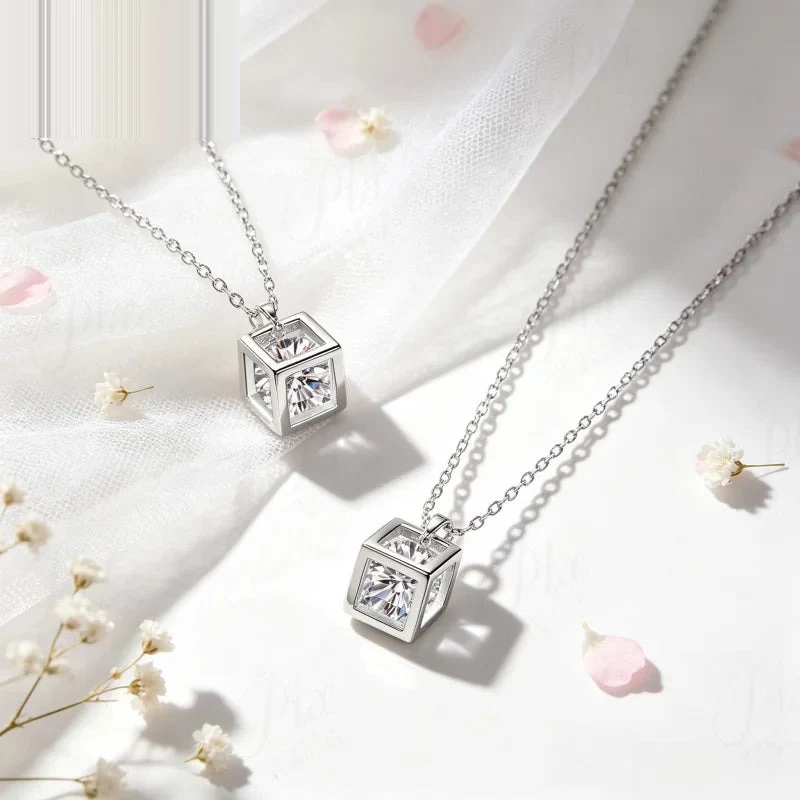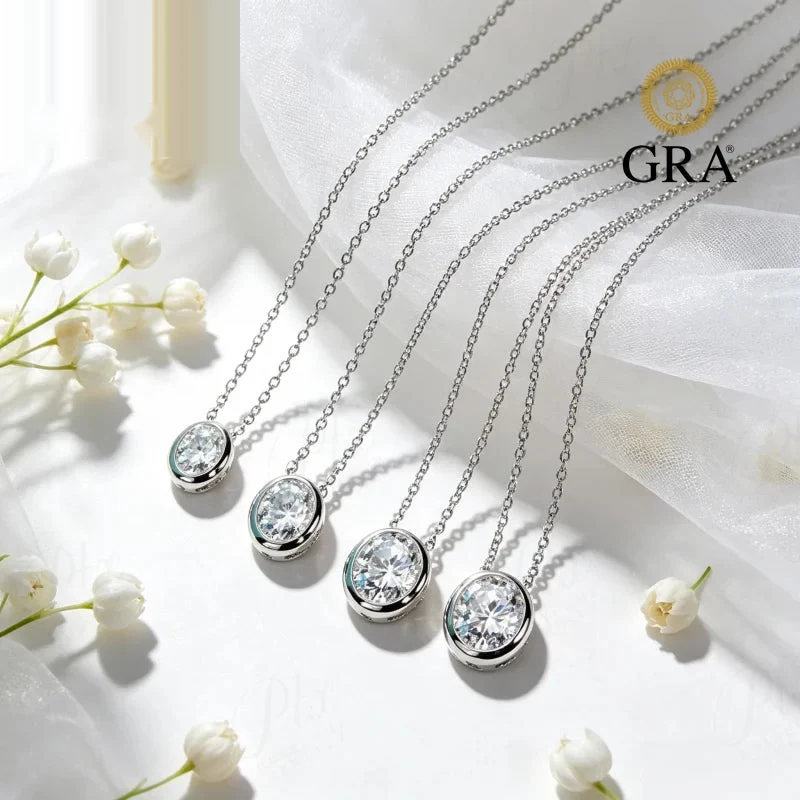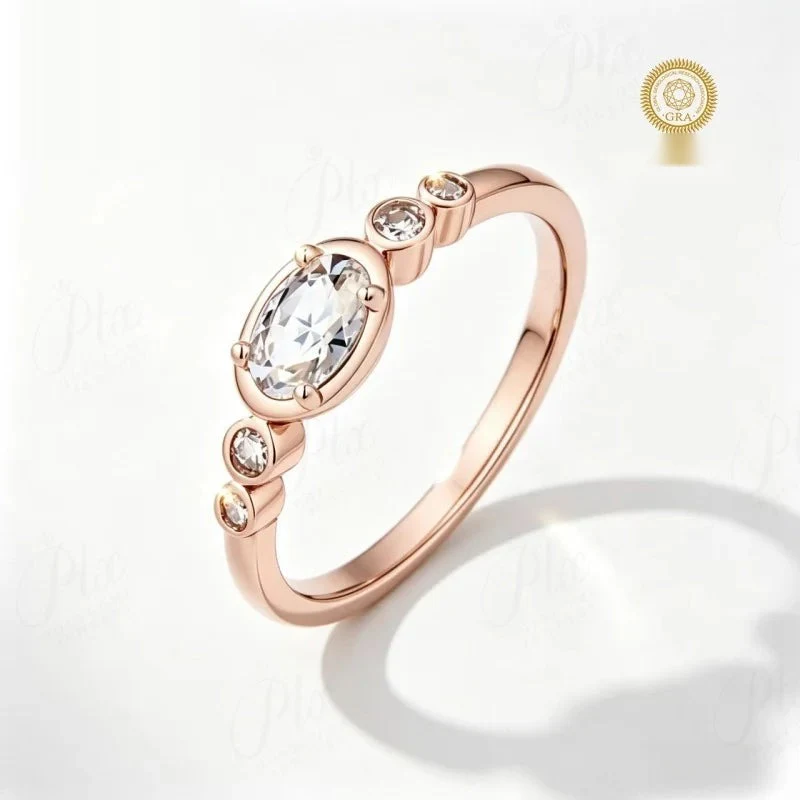
Trade shows are overwhelming by design. Rows of glittering displays, eager sales reps, and limited-time discounts push buyers toward emotion. The vendors who walk out profitable are the ones who treated the show like a procurement trip, not a shopping trip. Whether you source moissanite or 925 sterling silver, a disciplined checklist keeps you from buying pretty stock that sits on your shelves.
Before the show: know your numbers
Do not walk the floor empty-handed. Bring your sell-through data from the last two quarters. Which categories reorder? What died on the shelf? You already read jewelry inventory management tips, so use that knowledge. Set a total budget before you arrive and split it across categories. Most importantly, know your target markup. Our breakdown of jewelry pricing and markup strategy tells you the landed cost you need to hit before you can even quote a retail price.
At the booth: inspect before you fall in love
The first thing to do at any booth is not admire the display. Pull pieces apart and check construction.
- Metal stamp. Look for the 925 mark. Real sterling silver carries it; plated silver often does not. This is exactly the authentication step in how to spot fake 925 silver.
- Stones and settings. For moissanite, ask whether the stones are certified and request to see a sample report. Check that prongs are neat and stones sit flush.
- Clasps and chains. Open and close clasps ten times. A weak clasp in the booth becomes a returned order at home. Tennis and charm pieces need safety clasps.
- Finish and plating. Rub a high-contact edge. Rhodium plating should be even, not streaky.
Negotiate the terms, not just the price
The unit price matters less than the total deal. Ask about minimum order quantities, because understanding MOQ in jewelry wholesale decides whether a supplier is even workable for a small store. Push on reorder flexibility, lead times, and shipping costs. Read up on negotiating with jewelry suppliers before the show so your asks are specific. A slightly higher unit price with a low MOQ and fast reorders often beats the cheapest bulk deal you cannot actually move.
Watch the trap of show-only discounts
Limited-time booth discounts are designed to close you on the spot. If a deal requires an immediate yes, take a beat. Ask whether the same price applies if you order later from the catalog. Many discounts are real, but plenty are manufactured urgency. A disciplined buyer places the order once back at a desk, with the numbers in front of them, not while standing under a booth light.
Sample and verify before a big commitment
Never place a large opening order based on a booth sample. Buy a small test order first, photograph the pieces yourself, check them under magnification, and confirm the stones match the sample. This mirrors the quality-control habits in what to inspect on jewelry orders. A small pilot order protects you from a container that looks nothing like the booth display.
After the show: organize while it is fresh
Within 48 hours, catalog every booth you liked, note pricing and lead times, and file the samples. Follow up on quotes while vendors remember you. Mark the pieces that tested poorly so you never repeat them. Shows are expensive; the buyers who profit are the ones who turn a weekend of walking into a documented, repeatable sourcing system.
Know your customer before you order
The biggest mistake at a show is buying pieces you love instead of pieces your customers will buy. Before you walk the floor, write down who your store serves: the quiet-luxury professional, the bridal couple, the teen building a charm bracelet, the man buying his first silver piece. Then only evaluate booths that fit those buyers. A stunning display that misses your demographic is a dead-stock risk waiting to happen. Overstock is the silent killer of small jewelry businesses, so the discipline of buying to a defined customer, not to your own taste, protects margin all year. Combine that focus with the inspection and negotiation steps above, and the trade show becomes a planned, repeatable sourcing channel rather than an expensive shopping trip.
Protect yourself on shipping and customs
The floor price is not the landed cost. Before you commit, add shipping, insurance, and any customs or duty fees to the math, because a cheap unit price can disappear once freight arrives. Confirm the Incoterms with the supplier and ask how previous orders shipped to your area. This is the same landed-cost thinking in shipping wholesale jewelry. Factor lead times too: a supplier that delivers in two weeks beats the cheapest option that takes two months when your season is already starting. Build those logistics numbers into your show budget on day one so no booth discount tempts you into a deal that does not pencil out.
Sterling silver terminology used in this guide follows the Wikipedia entry on sterling silver.
Related reading: Buying at Jewelry Trade Shows: A Buyer's Field Guide, Jewelry Trade Show Preparation Guide, Wholesale Sterling Silver Jewelry: MOQ, Budget and Supplier Checklist.
Frequently Asked Questions
How do I verify a factory before placing a bulk order?
Request a production video, business license, export records and a paid sample run. A factory that accepts a 50-piece test order is usually a real manufacturer.
What payment terms do you offer?
30% T/T deposit with the balance against the bill of lading. This protects both sides on first orders and can move to net terms after a track record.
What is your normal reject rate?
3–5% under 10x loupe inspection for cast and set pieces. Defective units are replaced free in the next shipment.
Where is the factory located?
Wuzhou, Guangxi, China—the core lab-grown and moissanite manufacturing cluster. Shipments go via Guangzhou or Shenzhen ports.