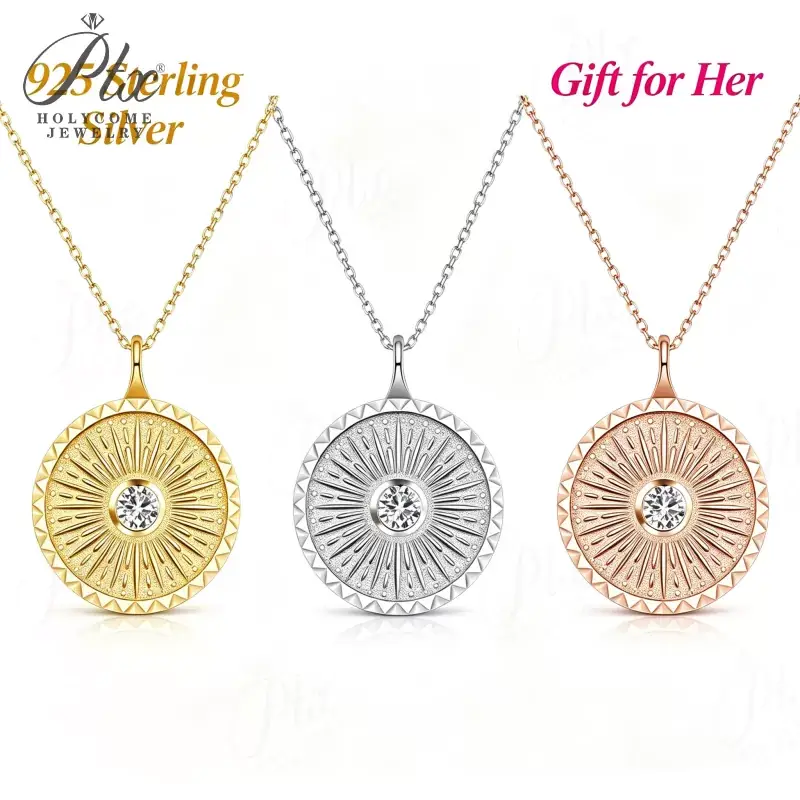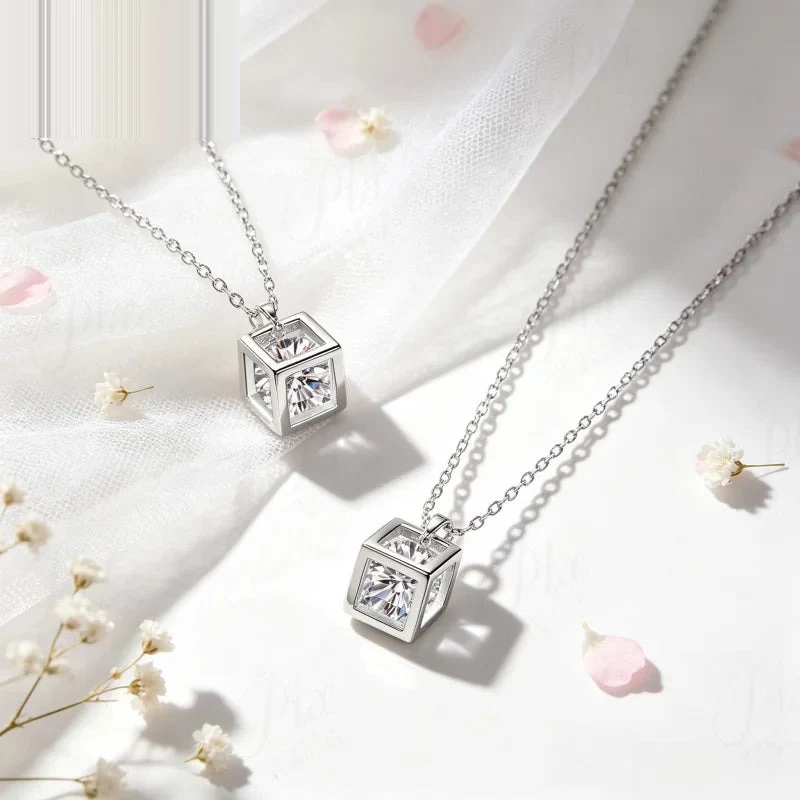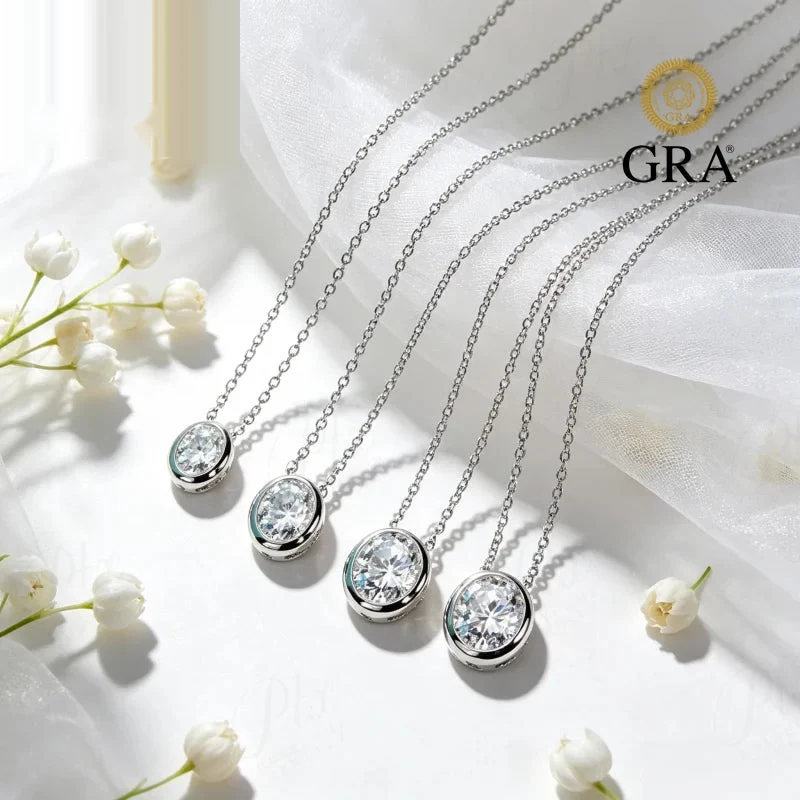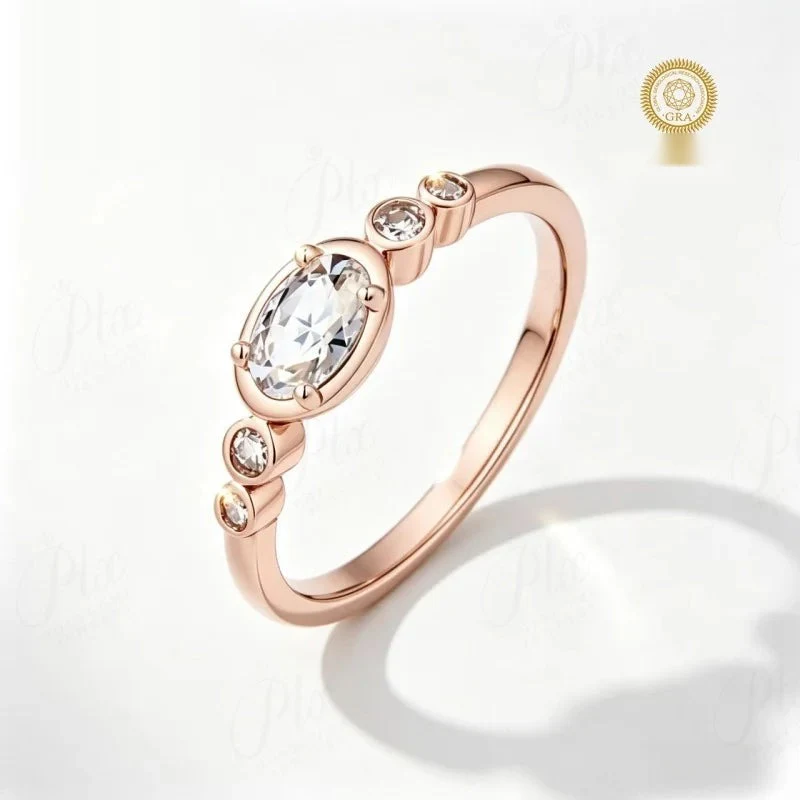
A beautiful piece in a messy case looks like a cheap piece. A decent piece in a clean, layered case looks like a treasure. This is why visual merchandising is the fastest upgrade a store can make, and it costs far less than new inventory. Most boutiques open with whatever trays the supplier shipped, arrange things in rows, and never touch the display again. That is a missed opportunity, because the way jewelry sits in front of a shopper decides whether she picks it up, and picking it up is the step that precedes almost every sale.

The goal of a display is not to show everything. It is to guide the eye to three or four hero pieces, then let the rest feel like a discovery. A shopper who sees two hundred pieces at once sees none of them.
Use depth, not density
Flat, flat, flat is the enemy of a good jewelry display. Ring trees, velvet risers and small wooden blocks give pieces height so a ring in the back is not hidden behind a ring in front. Leave breathing room between groups; a half-empty case feels curated and expensive, while a stuffed case feels like a market stall, no matter how nice the jewelry is. For charm and bracelet walls, our notes on merchandising charm bracelets show how to group by theme rather than by color alone, which is the difference between a wall shoppers browse and one they gloss over.
Group by story, not by type
The default arrangement is all rings here, all necklaces there. Better merchandising groups by use: a gift-under-$40 zone, a workday jewelry zone, a promise and engagement zone. Shoppers shop by occasion, not by category. When a display answers the question what do I buy for my sister's birthday, the sale happens faster because you have already done the thinking for them. A small handwritten sign above the zone does the selling, and it reduces the number of awkward questions staff have to answer on a busy Saturday.
Light the stones, not just the case
Moissanite lives on its sparkle, and sparkle needs directional light. Slightly cool LED light inside the case makes a center stone flash; wash it out with even ambient light and the sparkle vanishes, which makes the stone look duller than it is. Keep the case glass spotlessly clean, because fingerprints on the front make the customer's own reflection the thing she sees instead of your jewelry. Same color-temperature logic we use in product photography: the case is a stage, and the light is what the audience notices first.
Props should be quiet
A small vase, a folded linen, a single dried stem adds context and warmth. Ten props compete and read as clutter. Keep props monochrome, in stone, linen and light wood, so the silver stays the loudest thing in the case. A common mistake is colorful backdrops that make silver look dull and fight the jewelry for attention. The backdrop should disappear; the piece should be the only thing with contrast against it.
The entry point and the exit path
Where you place the first piece a shopper sees matters as much as anything inside the case. Put your most approachable, lowest-price grouping right at the front, so a browser who is nervous about being sold to can touch something small and feel welcome. Reserve the higher-ticket engagement and statement pieces for the back case, where the customer has already decided she likes the store by the time she reaches them. This is the classic retail funnel, and jewelry responds to it especially well because the browse-to-buy gap is wide. Make sure there is a clear path through the display rather than a single crowded counter, because a shopper who can step closer and lean in will pick up a piece; a shopper who has to reach across another customer usually will not. Test the path yourself at opening hour, before the room fills, and rearrange anything that forces a visitor to squeeze past a counter.
Price and story tags, then refresh
Small, uniform price tags build trust. Hidden prices force shoppers to ask, and asking feels like a risk many will not take. Add a one-line story tag where it helps, like made from recycled sterling or GRA-certified moissanite, because these signals justify the price and answer objections before they are voiced. Read more on pricing silver jewelry to set tiers the display can support. Finally, change it monthly: a case that never changes teaches regulars to stop looking, while fresh windows bring back lapsed customers who thought they had seen it all. You do not need a design degree to merchandise well. You need restraint, good light, and the discipline to take half the pieces out of the case before you open.
For third-party reference, the Wikipedia article on moissanite details moissanite’s discovery, optical properties and use in jewellery.
Frequently Asked Questions
How do I verify a factory before placing a bulk order?
Request a production video, business license, export records and a paid sample run. A factory that accepts a 50-piece test order is usually a real manufacturer.
What payment terms do you offer?
30% T/T deposit with the balance against the bill of lading. This protects both sides on first orders and can move to net terms after a track record.
What is your normal reject rate?
3–5% under 10x loupe inspection for cast and set pieces. Defective units are replaced free in the next shipment.
Where is the factory located?
Wuzhou, Guangxi, China—the core lab-grown and moissanite manufacturing cluster. Shipments go via Guangzhou or Shenzhen ports.