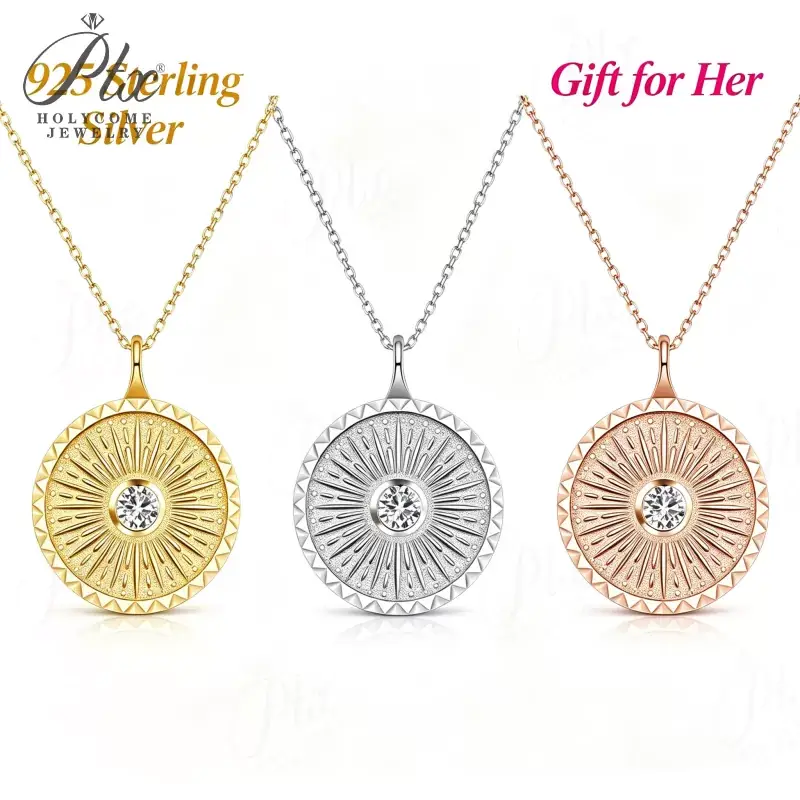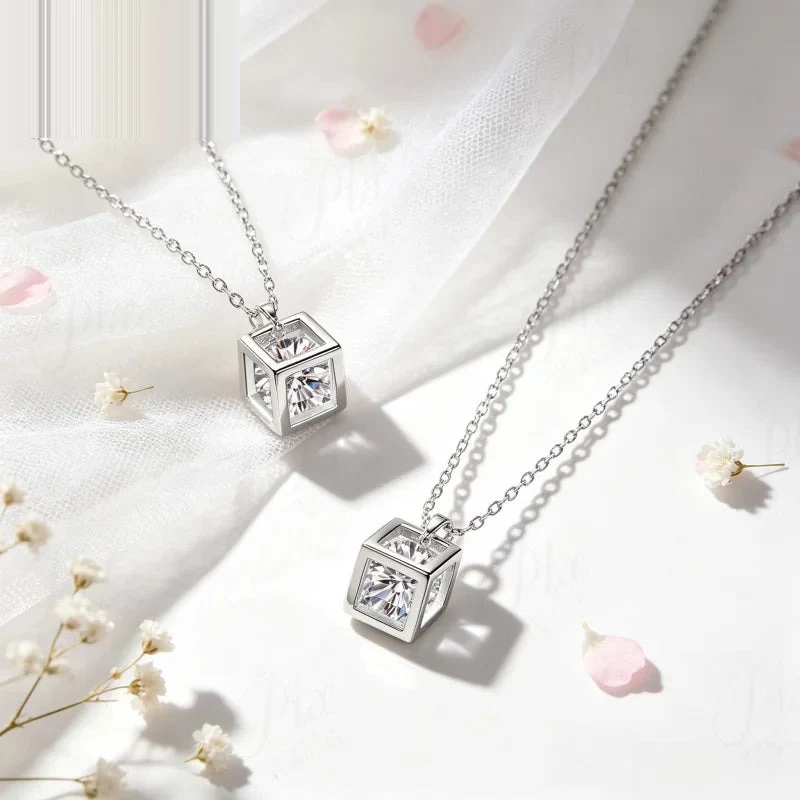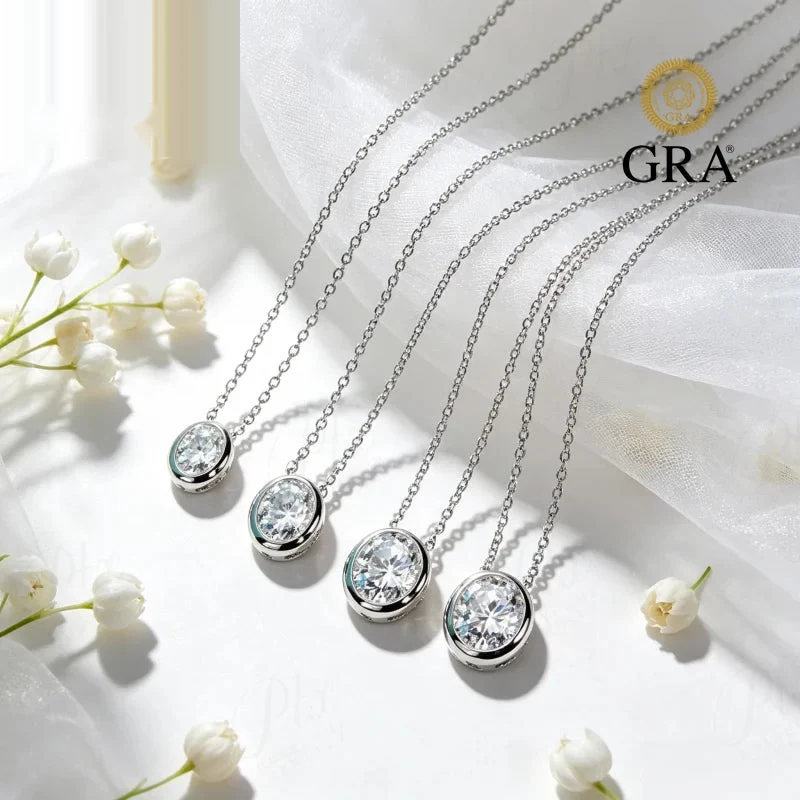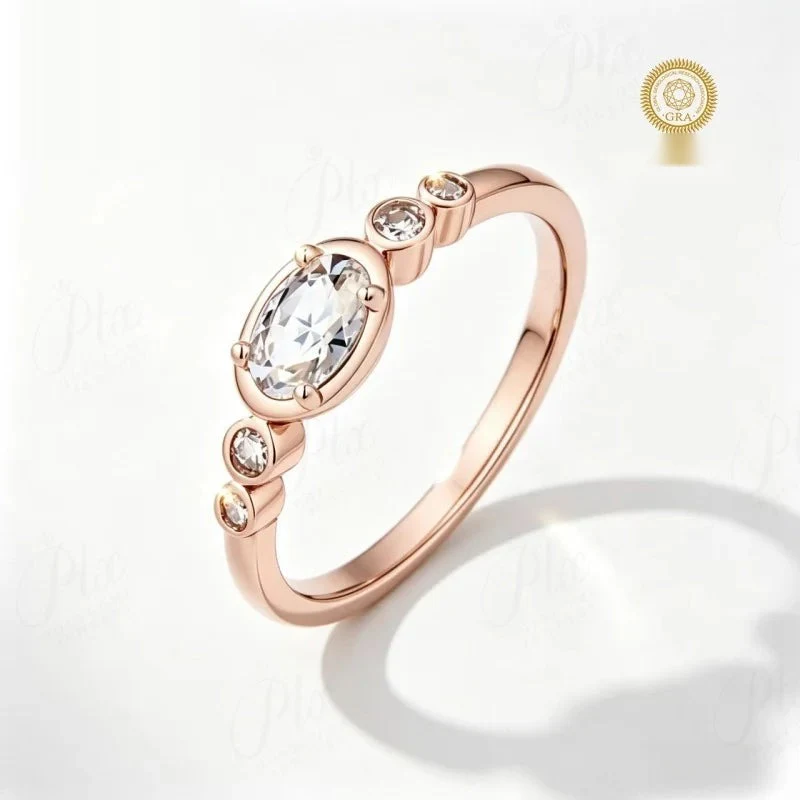
Every few seasons the sky comes back to jewelry: crescent moons, five-point stars, half-suns, and tiny constellations reappear on pendants, studs, and rings. Unlike loud fads that burn out in months, celestial motifs drift in and out of fashion softly, because they are symbols people actually connect with. For silver sellers, that means a trend you can stock with confidence rather than a bet you have to guess.
Why moon and star designs keep returning
Celestial pieces carry meaning that does not date. A crescent moon can stand for growth, intuition, or a quiet personal talisman. A star reads as guidance, luck, or ambition. That layered symbolism is why the motif survives across decades and aesthetics, overlapping with the personalization boom covered in personalized silver jewelry. Buyers buy them as much for the feeling as for the look.
Which celestial pieces actually move
The everyday winners are the subtle ones. A thin crescent moon on a fine chain, a pair of tiny star studs, a single star set with a small moissanite for a whisper of sparkle. These read as delicate, not themed, which is what lets them be worn daily. The pieces that underperform are the oversized, heavily engraved, costume-style celestial designs that look like a Halloween afterthought. Merchandise for the subtle end of the spectrum and you avoid returns.
Styling them without theming the whole outfit
Celestial jewelry works best when it is the only celestial thing in the room. A moon pendant pairs beautifully with a plain silver chain and nothing else; a star stud sits perfectly beside a simple hoop. Layer one celestial piece with neutral everyday silver rather than stacking five motifs together. That restraint is what keeps the look modern, and it shares the quiet-luxury logic behind the quiet luxury silver trend.
Gifting angles that convert
The motif opens clear emotional gift scripts. "Reach for the stars" for a graduate. "You are my moon" for a partner. A constellation map of a special date or sky turns a cheap pendant into a bespoke keepsake. Retailers who write these lines directly into product descriptions out-sell those who only list dimensions. Add an engraving option and the average order value climbs fast, blending naturally with the ideas in vintage revival silver jewelry.
Pairing with stones
A small moissanite set as a "star" in a constellation pendant is one of the easiest upsells in the category: the stone doubles as a twinkling point of light, and its brilliance makes the motif feel intentional rather than stamped. Colored moissanite can suggest a planet or a sun, which opens seasonal product stories. Keep stones small so the symbol stays the hero.
How long will it last?
Because celestial design is rooted in meaning rather than a viral moment, it does not vanish the way a TikTok shape-of-the-week does. It will soften in visibility, sure, but the core moon-and-star buyer remains. That makes it a safe permanent category rather than a speculative fad. Build a small, well-edited collection, rotate motifs by season, and let the symbols sell themselves.
Building a small, coherent collection
Resist the urge to stock every celestial shape at once. Start with three or four anchors: a crescent moon pendant, a pair of star studs, and a single constellation or moon-and-star ring. When a buyer likes one, you can suggest the matching piece without overwhelming them. A tight collection also photographs better, and consistency across your shop tells customers you have a point of view rather than a random grab bag of motifs.
The meaning angle, done tastefully
Because these pieces are symbolic, buyers want to know the story without feeling preached at. A short line on the pendant about growth, guidance, or light does more than a paragraph of dimensions. Avoid overclaiming astrological or mystical meanings; let the customer bring their own interpretation. The goal is to give them a reason to feel connected to the piece, which is the same emotional hook behind personalized silver jewelry.
Photograph them in real light
Celestial pieces are about light. Shoot them near a window so a tiny moissanite "star" actually twinkles, and show the moon catching a soft shadow. Dark, flat product shots flatten the magic of the motif. A single styled image of a crescent pendant on a night-toned linen background sells the mood faster than any retouched white-background shot.
Who is buying
The core customer is usually a woman in her twenties to forties buying for herself or gifting to a friend. Teenagers respond to the dainty charm versions, and graduates love the "reach for the stars" narrative. Tailor a few SKUs to each of these buyers and the motif keeps paying across several age groups rather than a single narrow trend.
The sky never goes out of style. A silver crescent or a tiny star is less a trend to chase and more a quiet perennial, and the sellers who treat it that way keep finding new buyers every season.
Independent background on moissanite — how its hardness and refractive index compare with diamond — is documented in the Wikipedia article on moissanite.
Frequently Asked Questions
How do I prevent sterling silver from tarnishing in storage?
Use anti-tarnish bags with a sulfur absorber, keep humidity under 60% and avoid paper wrapping. Rhodium plating adds a further barrier on high-turn SKUs.
Is rhodium plating worth the added cost?
Yes for display and gift lines. It resists tarnish for 12–18 months and keeps shelf pieces bright, which reduces markdowns.
What purity do you supply?
925 sterling silver, stamped and hallmarked. Fine silver (.999) is available for beads and bullion-style pieces.
What is the MOQ and lead time?
50 pieces per design, samples 3–5 days, bulk 15–20 days.