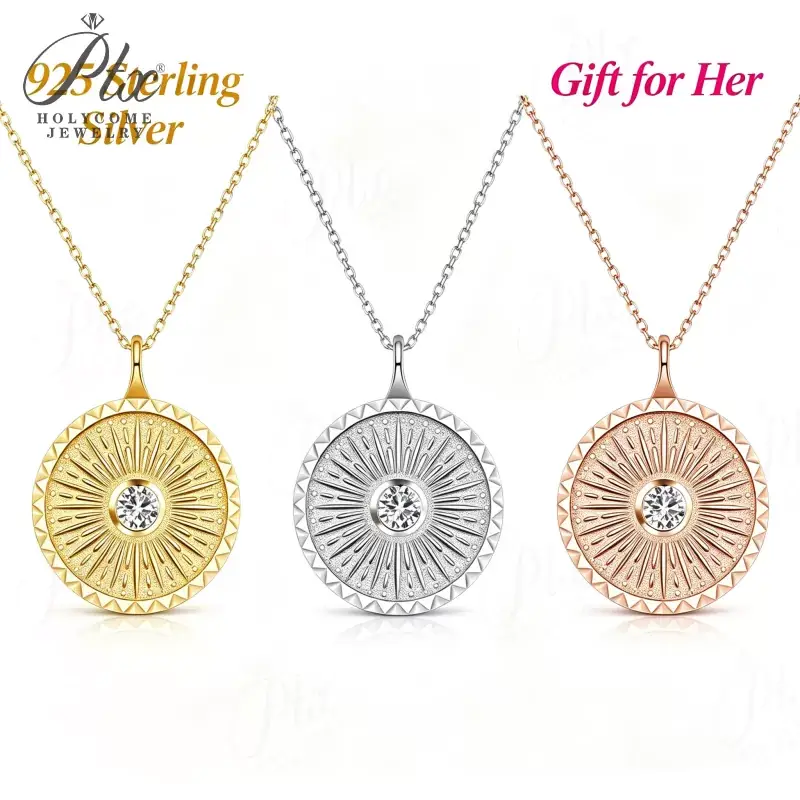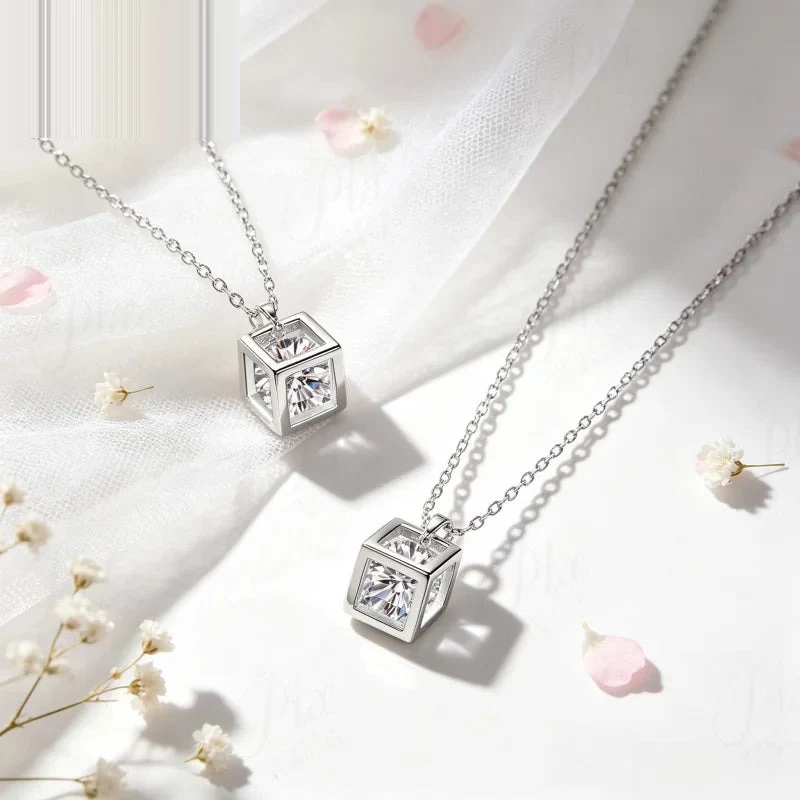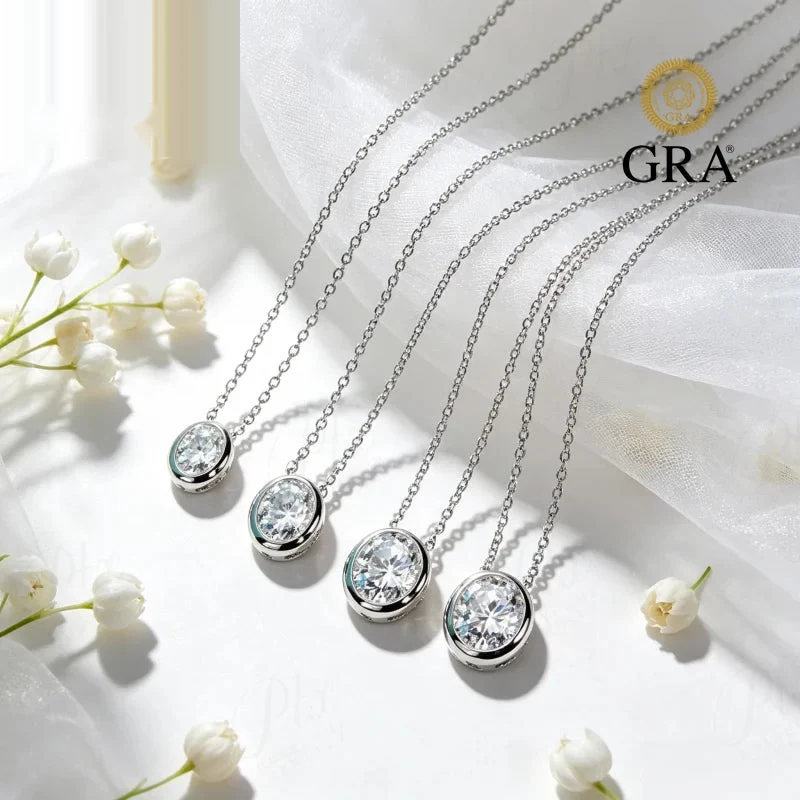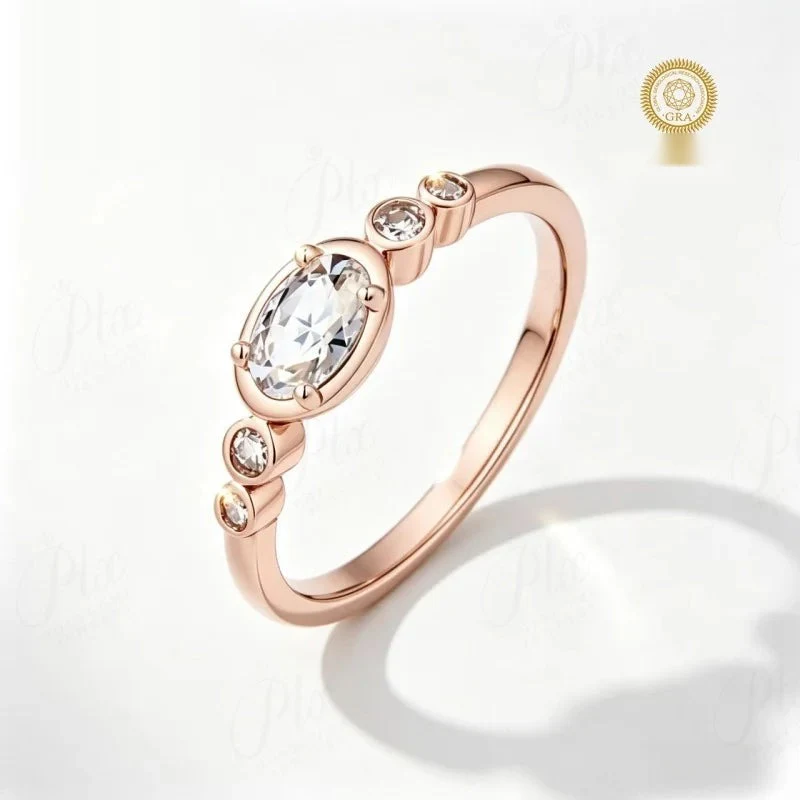
For a few years, jewelry styling was defined by accumulation: layered chains, stacked rings, visible logos, and statement hoops. That look still sells, but a counter-current has been building, and it is durable rather than fleeting. Shoppers, especially twenty-five-to-forty-year-olds with disposable income, are choosing fewer pieces that look expensive without announcing themselves. The industry calls it quiet luxury, and sterling silver is the perfect metal for it.
What quiet luxury actually means in jewelry
Quiet luxury is the aesthetic of discretion. It is a thin polished band instead of a wide engraved one, a single small stud instead of a cluster earring, a slim box chain instead of a tangled stack. The value is signaled by finish and material, not by size or branding. A perfectly polished 925 silver hoop with clean lines reads expensive because the craft is visible up close, even if nobody can name the logo.
This mindset lines up with a broader shift toward buying less and better. Customers who once cycled through cheap costume pieces want items they keep for years. Solid sterling silver that will not irritate skin and can be polished back to life fits that value precisely. We see the same appetite in minimalist silver jewelry, but quiet luxury adds an emphasis on weight, finish, and understated design language.
The core SKUs that move
If you are merchandising this trend, prioritize pieces that read polished and restrained:
- Thin polished signet bands with a subtle matte face
- Small, uniform hoop earrings in a single versatile size
- Plain cable or box chains in medium lengths, worn alone
- Low-profile stacking bands that sit flush
- Smooth bezel pendants in a neutral shape
These are not exciting in isolation, and that is the point. They photograph cleanly, pair with everything, and earn repeat purchases as a customer builds a small, coherent wardrobe. Avoid loud charms, exaggerated shapes, and visible branding for this shelf.
Why silver, not gold, for this shopper
Quiet luxury shoppers often cite cost-per-wear. Solid 14k gold is genuinely quiet luxury, but its price puts it out of reach for many. Rhodium-finished sterling silver delivers the cool, bright, polished look of white metal at a price point that lets a customer build a whole set. The metal comparison is detailed in silver vs gold vs platinum, but the retail reality is that silver captures the aesthetic without the sticker shock.
How to merchandise it
Display quiet luxury pieces on neutral backgrounds with soft, even lighting. Close-up shots of the polished edge and the hallmark do more than dramatic styling. Write product copy that emphasizes weight, finish, and everyday versatility rather than "statement" or "bold." Group the shelf as a capsule: a hoop, a chain, a band, a pendant that all belong together.
Bundle a couple of these pieces into a coordinated set and you give customers the complete quiet-luxury look in one purchase, which lifts average order value without adding clutter.
Why this trend has staying power
Fad trends spike and crash within a season. Quiet luxury is tied to how people want to live and dress long-term: less waste, more intentionality, neutral wardrobes that mix and match. That mindset does not reverse quickly, and it pairs naturally with durable silver that outlasts fast-fashion plating. For retailers, it means a stable shelf that does not require constant reinvention.
Who the quiet-luxury customer actually is
Think of the shopper who owns a pair of good leather boots, a neutral wool coat, and a small number of well-made basics. She does not buy jewelry to signal a brand; she buys it to finish an outfit she will wear for years. That customer reads marketing that talks about craftsmanship, weight, and material, and she ignores marketing that shouts "deal" or "trending." Adjust your language accordingly. A short note on the product page describing the weight, the hallmark, and the finish speaks directly to her.
This shopper also values aftercare. She wants a piece she can polish and keep, not replace in six months. Including a small care cloth and honest storage guidance reinforces that you sell something built to last, which is the entire promise of the aesthetic.
Pricing the quiet-luxury shelf
Quiet luxury buyers are not hunting for the lowest price; they are hunting for value. Price your restrained silver pieces fairly, with a clear sense that they outlast costume jewelry, rather than racing to the bottom. A small premium for solid 925 construction, a hallmark, and thoughtful packaging is accepted by this customer because the alternative she is comparing against is cheap plating that turns green. Frame the price around longevity and finish, not around discounts.
Watch for shoppers asking about weight, material, and finish rather than discount. Those questions are the clearest signal that you have reached this customer, and answering them in detail closes the sale.
Stock the restrained pieces, photograph them honestly, and let the finish do the talking. The customer who wants quiet luxury will recognize it immediately.
Sterling silver terminology used in this guide follows the Wikipedia entry on sterling silver.
Frequently Asked Questions
How do I prevent sterling silver from tarnishing in storage?
Use anti-tarnish bags with a sulfur absorber, keep humidity under 60% and avoid paper wrapping. Rhodium plating adds a further barrier on high-turn SKUs.
Is rhodium plating worth the added cost?
Yes for display and gift lines. It resists tarnish for 12–18 months and keeps shelf pieces bright, which reduces markdowns.
What purity do you supply?
925 sterling silver, stamped and hallmarked. Fine silver (.999) is available for beads and bullion-style pieces.
What is the MOQ and lead time?
50 pieces per design, samples 3–5 days, bulk 15–20 days.