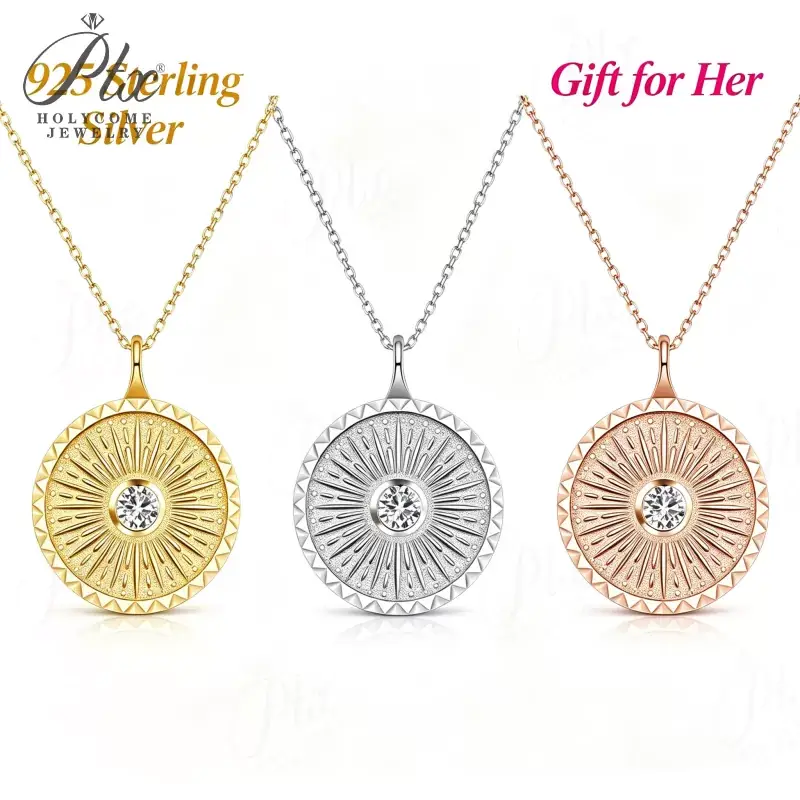
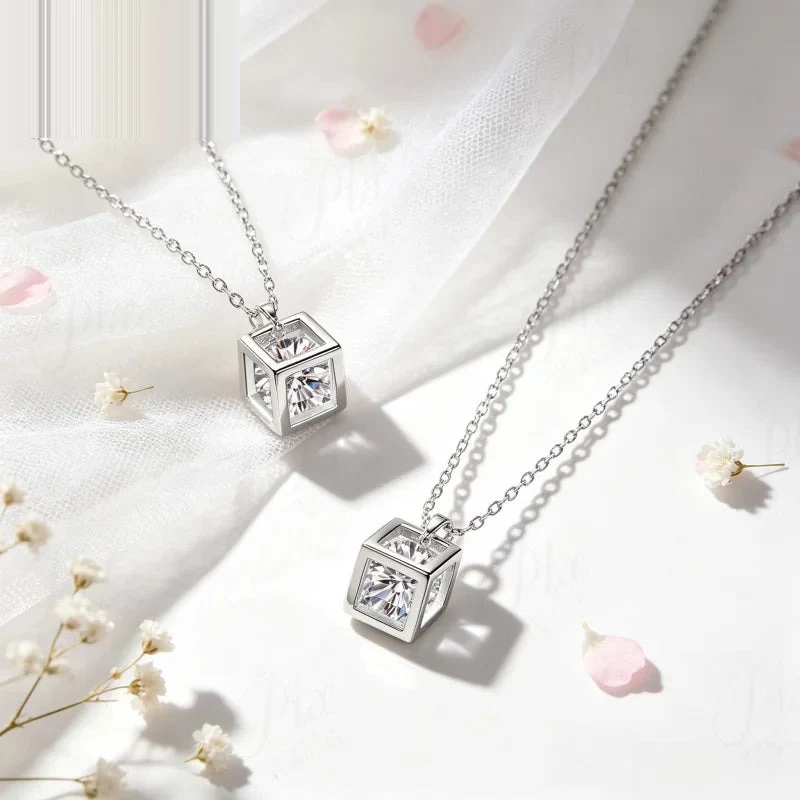
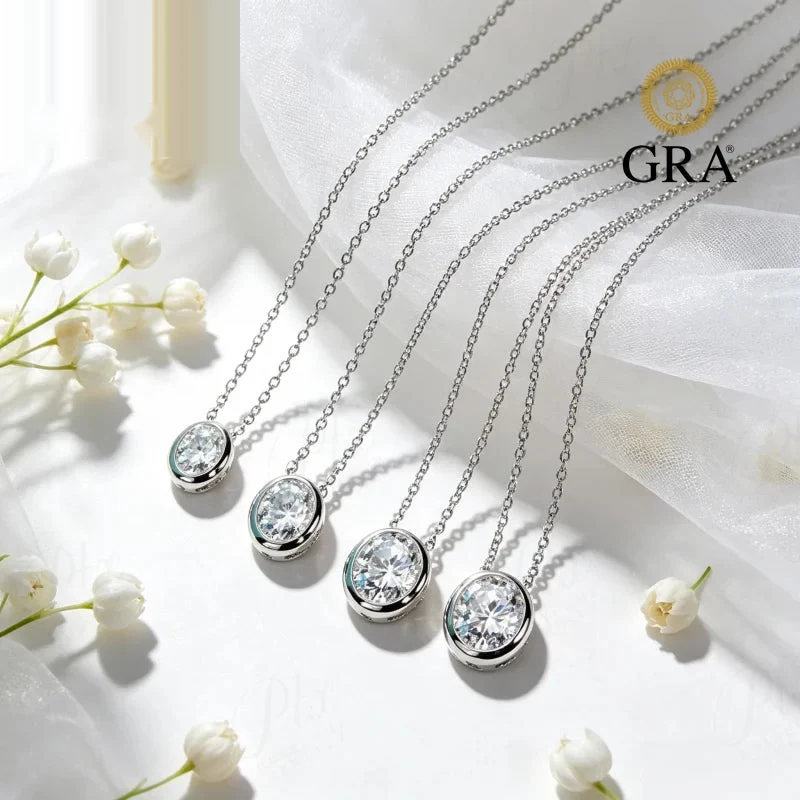
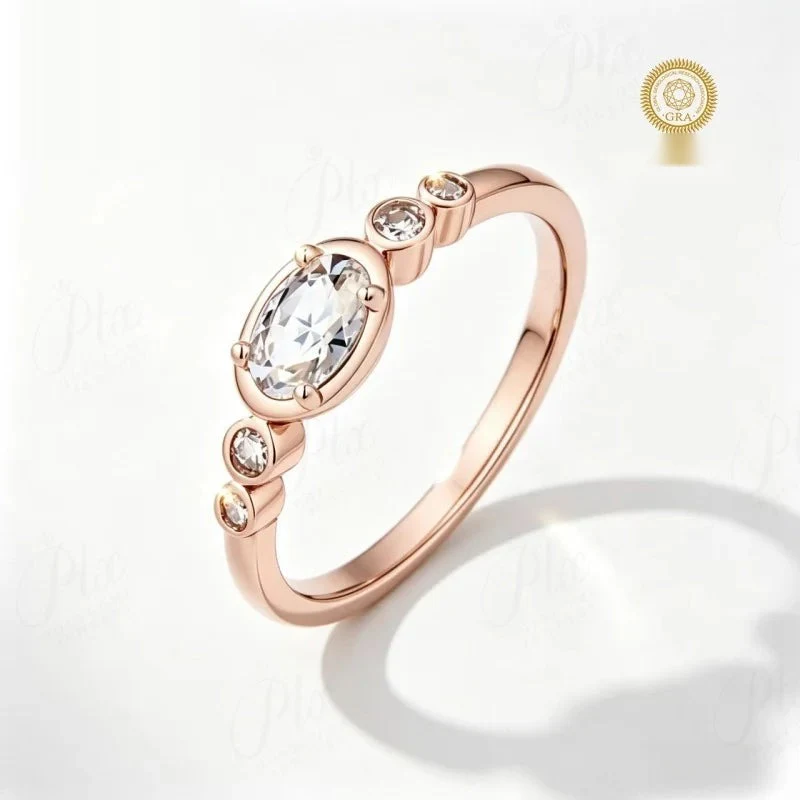
If you run a jewelry boutique, an online store or an accessories brand, the material you choose decides everything: how the piece feels on your customers' skin, how long it keeps its shine, and how much margin you can protect. Among all affordable fashion jewelry materials, 925 (ISO 925 sterling silver standard) sterling silver stands out as the safest and most profitable choice.
What 925 sterling silver actually is
Pure silver is too soft to wear every day, so jewelers alloy it with 7.5% of durable metals like copper. The result, 925 sterling silver, is 92.5% pure silver stamped on every piece. It is strong enough for rings, bracelets and earrings, yet still carries the bright, cool luster customers associate with fine jewelry.
Hypoallergenic and skin-friendly
Nickel and lead are the main causes of green skin and irritation. Reputable 925 silver suppliers test pieces to be nickel-free, which meets EU REACH and US consumer standards. Rhodium plating adds an extra barrier, keeping jewelry bright and tarnish-resistant through hundreds of wears. This matters a lot for repeat customers and positive reviews.
Excellent profit margins
Wholesale 925 silver pieces start from as low as a few dollars, while retail prices typically sit between $25 and $80. That 3 to 5x markup is one of the healthiest in fashion retail. Because the material is genuine, customers trust the price, and your store does not get stuck in the disposable-accessory trap.
Trend resilience
Plated brass and alloy pieces go out of style in one season and tarnish quickly. 925 silver classics, like hoop earrings, signet rings, paperclip chains and moissanite pendants, stay in demand year after year. You can build a catalog that sells through seasons, not just months.
Why buyers choose Holycome
At Holycome Jewelry, every piece is stamped 925 and checked with a four-stage QC process. Our defect rate stays below 0.5%, and we supply the official 925 purity certificate on request. With MOQ as low as 5 pieces and dropshipping support, you can test new styles without tying up cash in inventory. Request a sample today and feel the difference for yourself.
Plating thickness is the number that decides reorder rate
Two silver pendants can look identical in a photo and behave completely differently after six weeks on a neck. The variable is plating, and it is usually the one line a new buyer forgets to specify.
At 0.1 micron of rhodium over 925, a piece survives light wear and reads bright on the card. At 0.3 micron and above, the same piece survives daily wear, perfume and a shower. The cost difference per unit is small; the difference in complaint rate is not.
Ask for the micron figure in writing. A supplier who cannot give you a number is quoting a look, not a finish.
A cost sheet for one silver set
Retailers who stock fashion sets usually buy them as a unit, so the useful comparison is per set, not per piece. Here is how the money splits on a three-piece set at our pricing.
| Line | Alloy stock | 925 with 0.3 micron plate | What it changes |
|---|---|---|---|
| Metal cost | USD 2.10 | USD 4.80 | Silver content, not labor |
| Plating | USD 0.30 | USD 1.20 | Wear life, roughly 3x |
| Stone setting | USD 0.80 | USD 0.80 | Same bench operation |
| Landed at 40 sets | USD 128 | USD 272 | About USD 3.60 per set gap |
The gap per set is smaller than most buyers assume. Spread across a retail price of USD 24 to 39, it is under a fifth of the margin... which means the complaint rate, not the unit cost, decides whether the cheap route was cheap.
How minimums and sampling work here
We open with a sample run so you can test the plate before committing to a season. Sample quantities are small and priced at unit cost, not at a premium.
Bulk minimums are agreed per style once the design, plate thickness and packaging are fixed. Dropshipping buyers can start with a mixed cart across several styles rather than one deep run, which keeps cash in the business while you learn what sells.
What we see going wrong, and how to avoid it
The most expensive mistake is buying a set with a chain, a pendant and earrings at three different plate thicknesses. The earrings go first, the pendant lasts, and the customer concludes the whole brand is inconsistent.
Second is packaging that outlasts the piece. If the box is premium and the plate is thin, the unboxing raises an expectation the metal cannot hold. Match the two, or upgrade the plate.
Frequently asked questions
Is 925 sterling silver safe for sensitive skin?
Yes, when the alloy is nickel-free and the plate is intact. Keep a written nickel declaration on file and put it on the product page.
Can I order mixed styles below a full run?
Yes. A mixed cart across styles is how most of our new accounts start, and it counts toward the same freight tier.
How do I test plate thickness without a lab?
Wear test one piece for thirty days against your own skin, and ask for the micron spec on the invoice. Two data points beat one claim.
Next step
Send your best-selling silhouette and the plate spec you want and we will price a mixed sample cart. Related: moissanite versus diamond comparison, silver care guide, and starting a dropship line.
Packaging that matches the plate
A premium box raises the expectation the metal has to meet. If the plate is thin and the box is heavy, the customer judges the piece against the packaging and the piece loses.
Our rule is one notch: match a mid-grade pouch to a standard plate, and reserve rigid boxes for pieces plated above 0.3 micron. Test it with a real customer before you commit a season to it.
Also print the metal and plate on the insert card. It costs cents and it ends the argument at the return desk.
Related Articles- Moissanite vs Diamond: Which Is Better for Your Jewelry Store?
- The Complete Guide to Moissanite Cuts and Shapes
Frequently Asked Questions
How do I prevent sterling silver from tarnishing in storage?
Use anti-tarnish bags with a sulfur absorber, keep humidity under 60% and avoid paper wrapping. Rhodium plating adds a further barrier on high-turn SKUs.
Is rhodium plating worth the added cost?
Yes for display and gift lines. It resists tarnish for 12–18 months and keeps shelf pieces bright, which reduces markdowns.
What purity do you supply?
925 sterling silver, stamped and hallmarked. Fine silver (.999) is available for beads and bullion-style pieces.
What is the MOQ and lead time?
50 pieces per design, samples 3–5 days, bulk 15–20 days.
Related reading: Wholesale Sterling Silver Jewelry: MOQ, Budget and Supplier Checklist, Sterling Silver Jewelry Sets Buying Guide: What to Check, Fashion Jewelry Sets: Sterling Quality vs Disposable Costume.