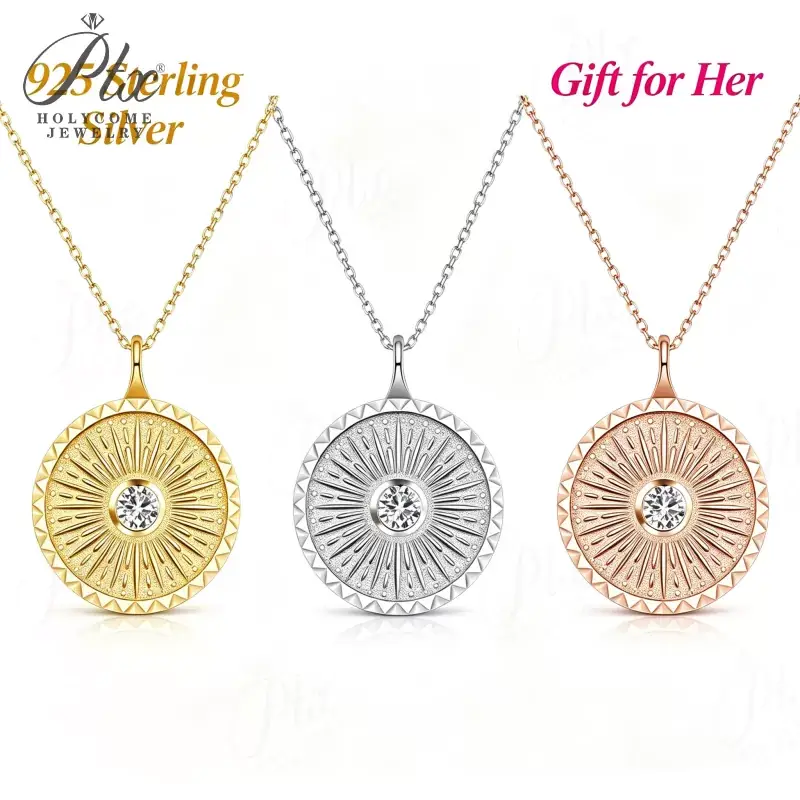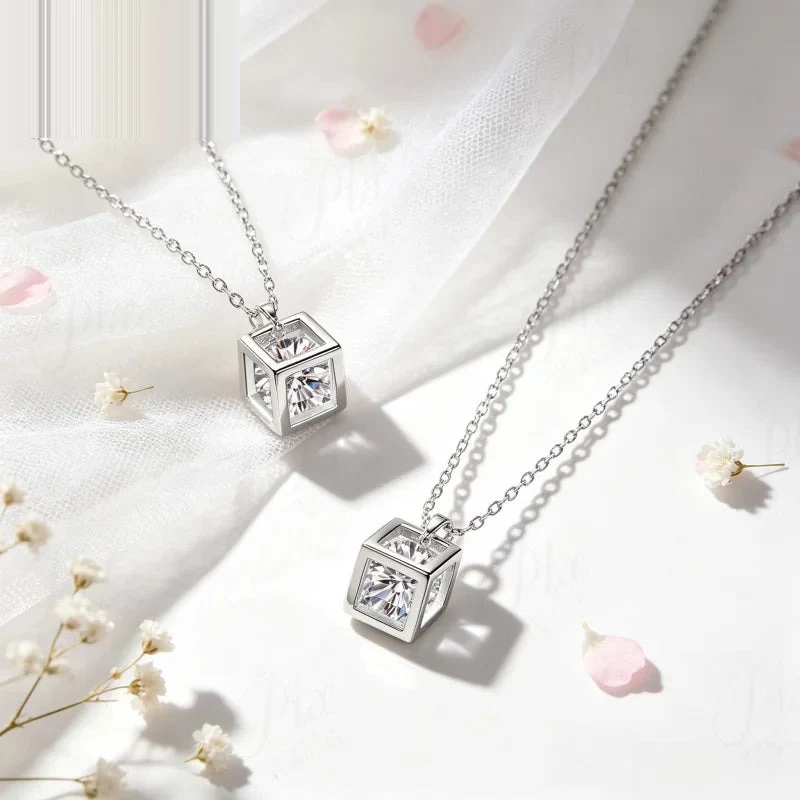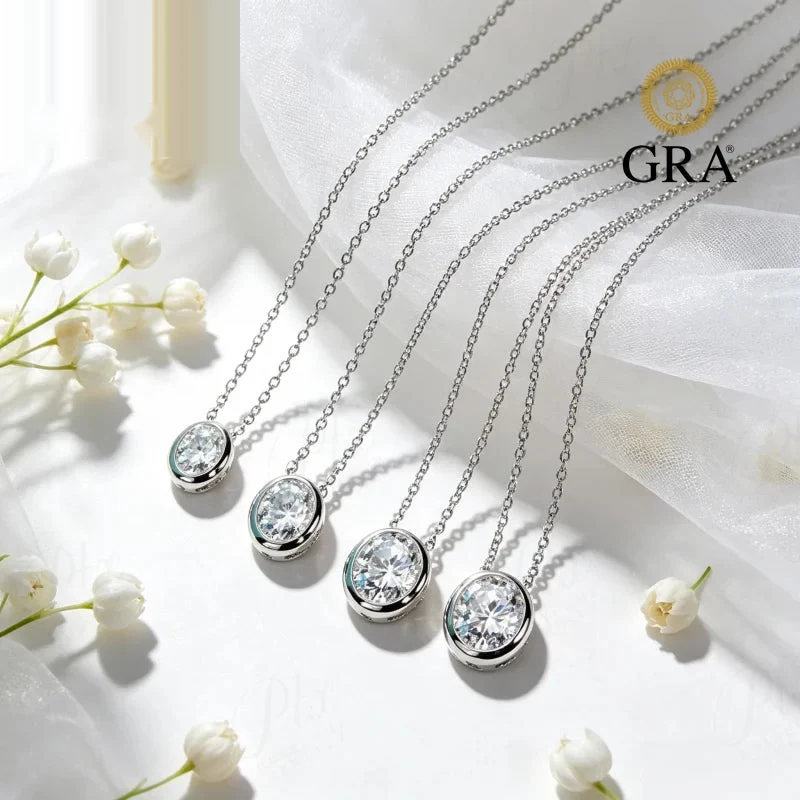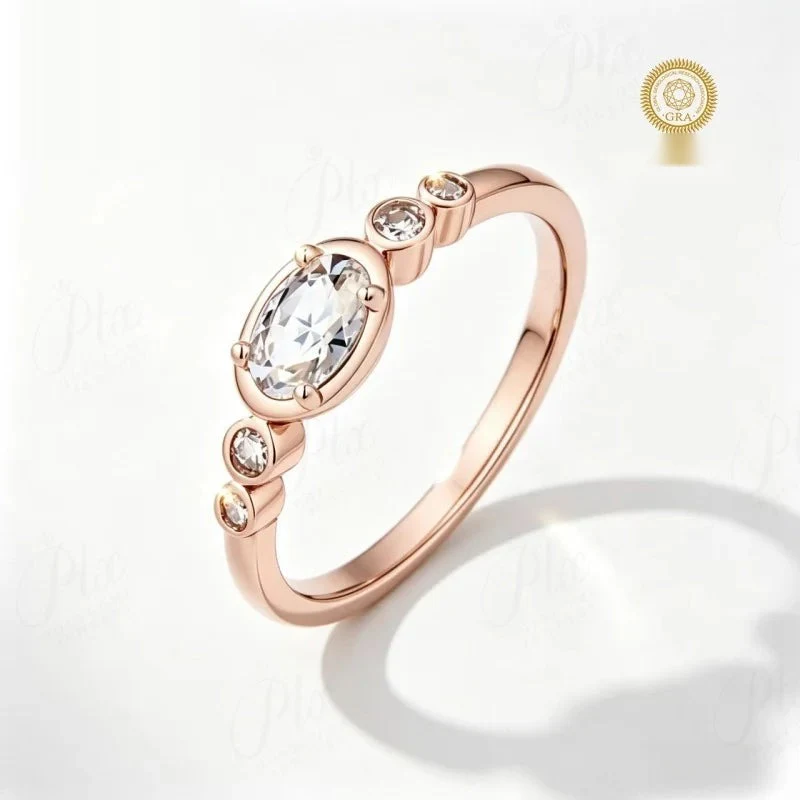
A first-time buyer in Warsaw asked us to quote the same 6.5 mm solitaire in 925 sterling and in 14K yellow gold. The silver quote came in 38 percent lower. Twelve months later the buyer returned three of the silver pieces for retipping and one for a cracked shank; the 14K pieces had come back once for a polish. The metal choice had not just changed the cost, it had changed the warranty profile.
Below is the alloy breakdown we give wholesale buyers: material cost, karat standard, nickel and tarnish behaviour, and the break-even point where silver stops being the cheaper option.
Material cost: the casting number vs the lifetime number
925 sterling silver runs at a fraction of 14K gold at the bench. On a 3 g solitaire shank, the silver alloy cost is about USD 4 to 6; the 14K gold alloy cost is USD 60 to 80 at current spot. That 38 percent headline saving is real on day one. It erodes when the silver piece needs retipping at USD 8 per prong, when it tarnishes and comes back for polish, and when the shank thin-wears after about 18 months of daily wear. Our silver versus 10K write-up covers the 10K middle ground.
Karat standard and alloy composition
14K gold is 58.3 percent gold by weight, alloyed with copper, silver and zinc for yellow; white 14K adds palladium or silver and then rhodium plates. The karat standard follows ISO 9202 on fineness marking, and US marking rules follow 16 CFR Part 23. Sterling silver is 92.5 percent silver, usually alloyed with 7.5 percent copper. We mark every piece with the alloy stamp (S925, AU585) and the maker's mark, as required on finished jewellery sold into the US and EU. Mis-stamping an alloy is a FTC jewellery guide violation, so we photograph the stamp on every QC pack.
Nickel release and skin contact
White 14K gold in the US historically uses nickel as a whitener; EU and UK buyers must stay under the REACH nickel release limit for pierced and prolonged skin contact. We build EU-bound white gold orders with a palladium-based white alloy (no nickel) and a thicker rhodium plate (0.5 micron) to keep the white finish. Nickel-bearing white gold is quoted only for non-pierced, non-EU orders. This is the single most common alloy clarification we handle on custom orders, and we flag it on the proforma.
Tarnish, polish and after-sales cost
Sterling silver tarnishes on contact with sulphur in the air and in skin; the rate depends on climate. A silver solitaire sold to a customer in a coastal humid city returns for polish every three to four months. 14K gold does not tarnish; it dulls from wear and takes a polish once a year. Buyers who price silver for the margin should price the after-sales polish service into the customer relationship, not assume the piece ships once and is done. Our after-sales guide lists the polish and retipping fees we offer on the warranty pack.
Break-even: when to switch from silver to gold
Our rule of thumb: silver for fashion lines, gifts and occasional-wear pieces priced under USD 120 retail; 14K gold for engagement, wedding, promise and everyday-wear pieces priced above USD 200 retail. Between USD 120 and USD 200 we let the buyer choose based on the customer profile. A piece that will be worn daily and sold with a warranty should be 14K; a piece sold as a seasonal fashion item can be silver. Our small-batch MOQ guide lets buyers test both alloys on a 10-piece run before committing.
Is sterling silver strong enough for a moissanite solitaire?
For occasional wear, yes. For daily wear, no. The prong walls on silver wear faster than on 14K; we spec a 0.45 mm prong wall on silver versus 0.35 mm on gold to compensate, which adds about 8 percent to the silver labour cost.
Does rhodium plating hide yellow silver?
We plate silver white gold for a brighter finish, but the plate wears off in six to nine months. A re-plate is an after-sales service. Buyers who want a permanent white finish should move to 14K white gold.
Can I mix silver and gold in one piece?
Yes. We build two-tone pieces, but the solder compatibility between silver and gold requires a transition layer. Two-tone adds about 15 percent to the labour cost; we quote it separately on the brief.
What alloy do you recommend for a bridal line?
14K gold across the line, white and yellow. Bridal pieces are worn daily and sold with a lifetime warranty expectation; silver's tarnish and wear profile does not match that promise.
Send us the retail price band and the wear profile. We return a silver-versus-14K recommendation, the alloy stamp and the estimated warranty return rate on the signed brief. Ask us to alloy-spec your next custom moissanite line.
Frequently Asked Questions
Is moissanite a good diamond alternative for retail buyers?
Yes for price-sensitive customers who want brilliance and hardness. Moissanite ranks 9.25 on the Mohs scale, holds up to daily wear and costs a fraction of a natural diamond of the same size, so it resells fast in bridal and fashion lines.
What is the minimum order for wholesale moissanite?
MOQ starts at 50 pieces per design for stock items. Custom cuts and private-label settings usually start at 100–300 pieces depending on the mold.
Do you provide certificates with moissanite stones?
Yes. Every parcel ships with GRA or IGI documentation listing carat weight, color grade and cut. We recommend passing the certificate to your end customer for trust.
How long does sample and bulk production take?
Samples ship in 3–5 days. Bulk runs take 15–20 days under 500 pieces, and 25–30 days for custom work.