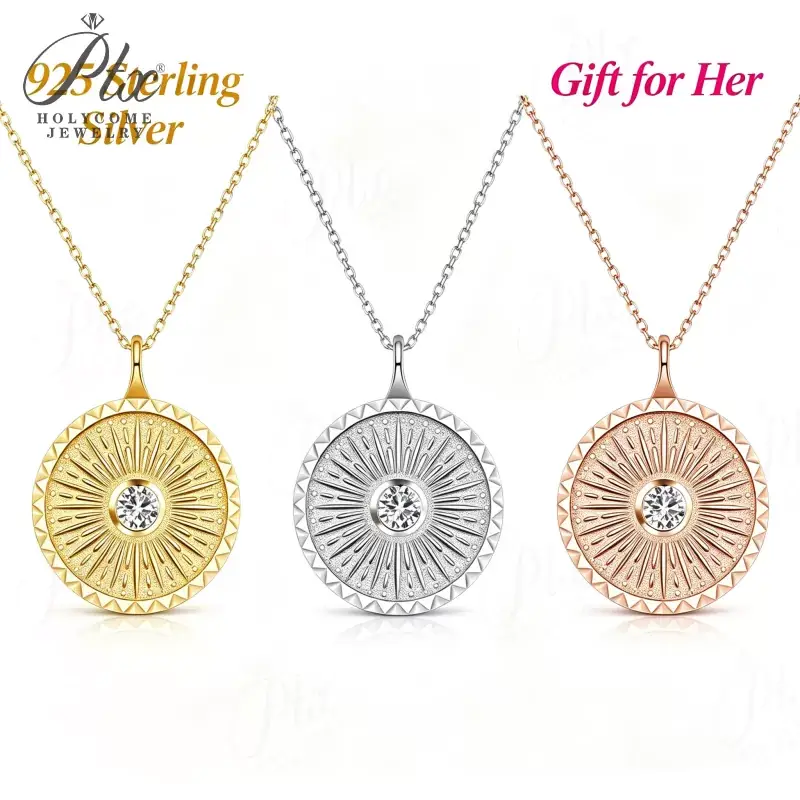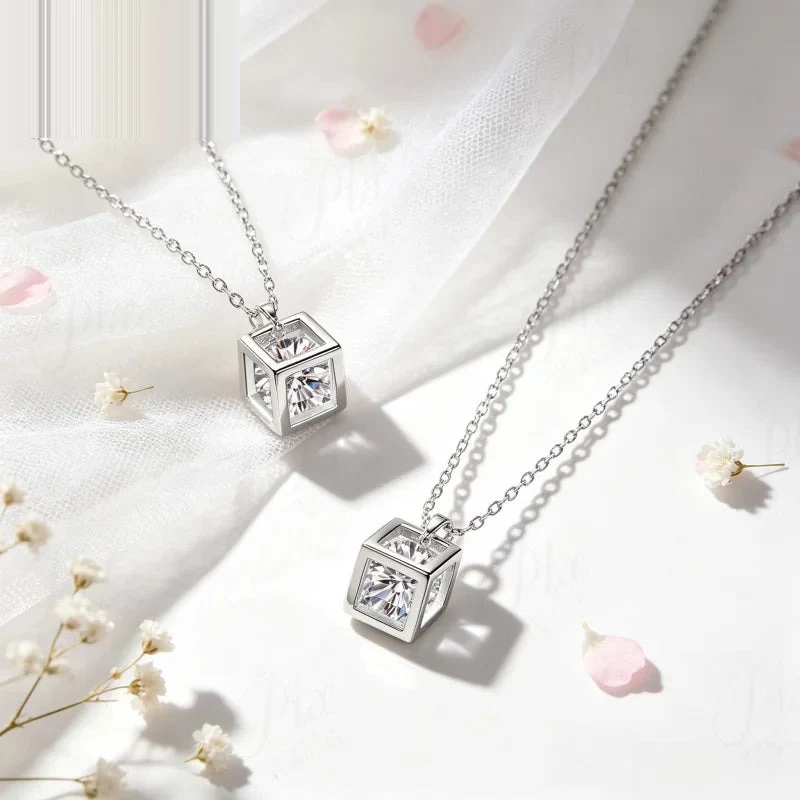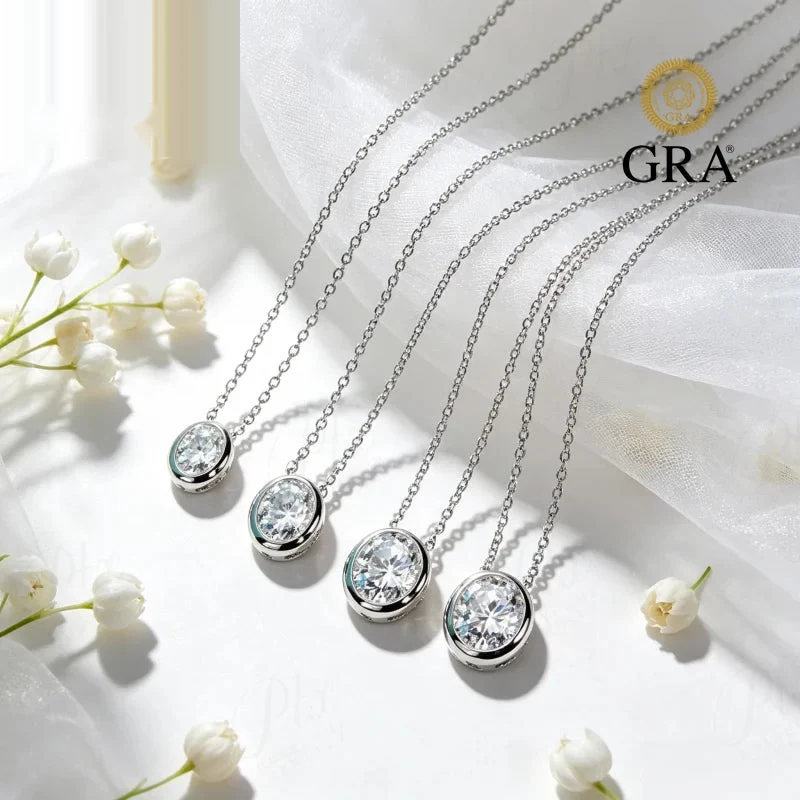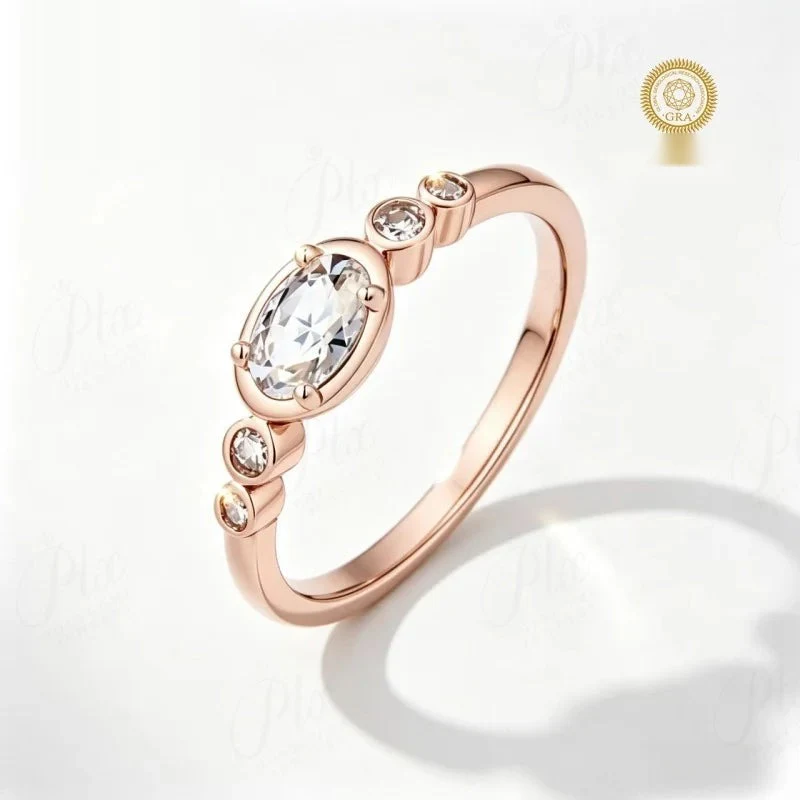
A buyer in Manchester asked us why a 925 sterling moissanite ring shipped back from their EU market with a customer complaint about green skin, while the 10K gold version of the same design did not. The short answer was that the sterling piece had been shipped rhodium-plated, the plating had worn through in three months, and the copper in the alloy had oxidized against the skin. That conversation is the basis for the material spec we now walk every wholesale buyer through before they lock a custom line. Below is the alloy, compliance and margin comparison between 925 sterling and 10K gold on a custom moissanite piece.
Alloy composition and karat stamping
925 sterling is 92.5% silver alloyed with 7.5% copper (or, for nickel-free versions, copper plus a small zinc or silicon addition). 10K gold is 41.7% pure gold alloyed with 58.3% other metals - typically copper, silver and zinc for a yellow tone, or nickel and copper for a white tone. Both are required to carry a quality mark. For the alloy definitions we reference Wikipedia's sterling silver entry and the karat standards in 16 CFR Part 23, which requires karat marks on gold jewelry sold in the US. We stamp every piece with the alloy mark (e.g., 925 or 10K) and our maker's mark.
Tarnish, plating and nickel release
Sterling tarnishes because the copper component oxidizes with air and skin acids. Rhodium plating slows this but wears through in 12 to 24 months. 10K gold does not tarnish; it holds its surface for years. The second issue is nickel. White 10K gold traditionally uses nickel as a bleaching alloy, and EU regulation under REACH limits nickel release to 0.5 micrograms per square centimeter per week for items intended to come into direct and prolonged skin contact. We ship EU-bound 10K pieces in a nickel-free white alloy (palladium- or zinc-based) and provide the test reference from ECHA's REACH pages with the invoice. Sterling pieces for the EU ship nickel-free as standard because most sterling alloys already use no nickel.
Price gap and weight math
On a typical 6 mm men's band weighing 5 g, the price gap between sterling and 10K gold is dominated by the gold content. At the time of writing, 10K gold runs roughly 4 to 5 times the sterling price per gram of alloy. The margin story flips at retail: sterling pieces carry a higher percentage margin because the base-metal cost is low, while 10K pieces carry a higher absolute margin per piece but a lower percentage. Buyers positioning a price-driven entry line choose sterling; buyers positioning a premium durable line choose 10K. Our small-batch MOQ guide shows how the per-unit price moves at 5- and 20-unit batches in either metal.
Which pieces sell better in each metal
From our order mix:
- Sterling (with rhodium): earrings, pendants, thin bands, gifting pieces, young-buyer lines. Roughly 55% of our custom sterling orders are earring and pendant pieces.
- 10K gold: wedding bands, men's rings, engagement-adjacent solitaries, pieces clients expect to keep for years. Roughly 70% of 10K orders are rings.
- 14K gold: the premium step above 10K; buyers who want a deeper gold color and a softer setting metal.
For men's pieces specifically, our men's ring spec covers why 10K or 14K is the default for daily-wear bands.
Plating wear and after-sales cost
The hidden cost of a sterling line is the re-plate. A rhodium-plated sterling piece that comes back after 12 to 18 months for a refresh is a labor cost for the buyer, not a manufacturing cost. We offer a fixed re-plate rate and stock rhodium for our wholesale buyers so they can send pieces back in batches. A 10K gold piece does not need a re-plate; it only needs a re-polish, which is a fraction of the labor. That after-sales difference is what tips many buyers from sterling to 10K on a line they expect to sell for years. Our bracelet spec is one of the lines where buyers most often ask us to quote both metals side by side.
Is 925 sterling silver compliant for the EU?
Yes, when it is nickel-free. We ship EU-bound sterling nickel-free as standard and provide the REACH nickel-release reference with the invoice.
What does 10K gold actually contain?
41.7% pure gold by weight, alloyed with copper, silver and zinc for yellow, or palladium / zinc for nickel-free white. It carries a 10K stamp under 16 CFR Part 23.
Does sterling silver tarnish under rhodium?
Rhodium plating slows tarnish but wears through in 12 to 24 months of daily wear. After that, the copper alloy underneath oxidizes. We disclose this on the quote.
Which metal has the better margin?
Sterling carries a higher percentage margin; 10K carries a higher absolute margin per piece. The choice depends on whether the buyer is positioning on price or on durability.
Can we plate sterling in yellow gold?
Yes, 2-micron yellow gold plating over sterling is available. It wears through in 12 to 18 months and is sold as a plated piece, not as gold jewelry, under FTC labeling rules.
Send us the design and the target retail market. We will return a sterling and a 10K quote side by side, with the compliance markings, within three working days. Start your custom material selection today.
Frequently Asked Questions
How do I prevent sterling silver from tarnishing in storage?
Use anti-tarnish bags with a sulfur absorber, keep humidity under 60% and avoid paper wrapping. Rhodium plating adds a further barrier on high-turn SKUs.
Is rhodium plating worth the added cost?
Yes for display and gift lines. It resists tarnish for 12–18 months and keeps shelf pieces bright, which reduces markdowns.
What purity do you supply?
925 sterling silver, stamped and hallmarked. Fine silver (.999) is available for beads and bullion-style pieces.
What is the MOQ and lead time?
50 pieces per design, samples 3–5 days, bulk 15–20 days.