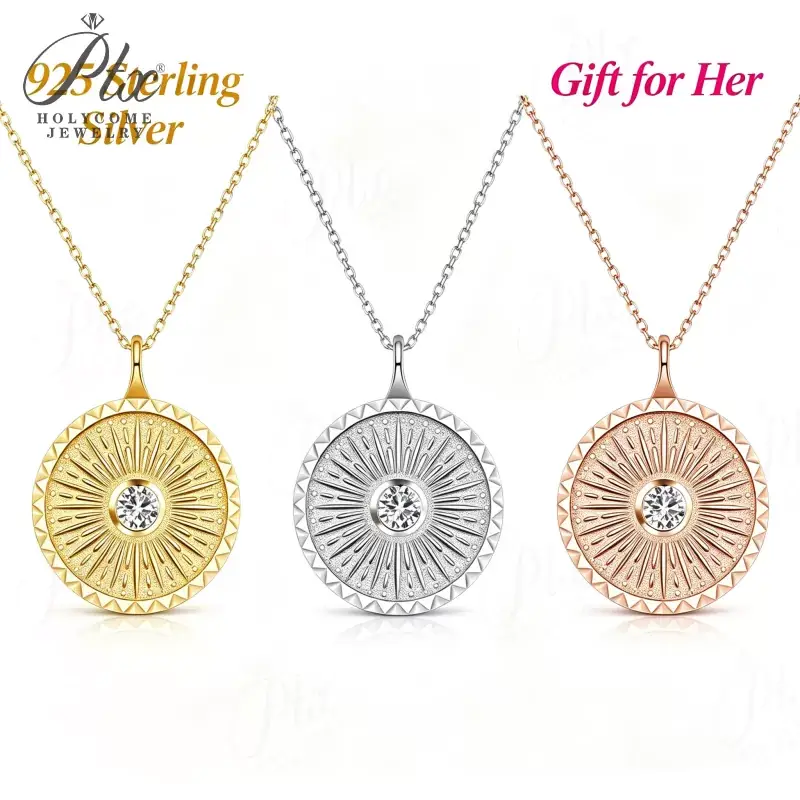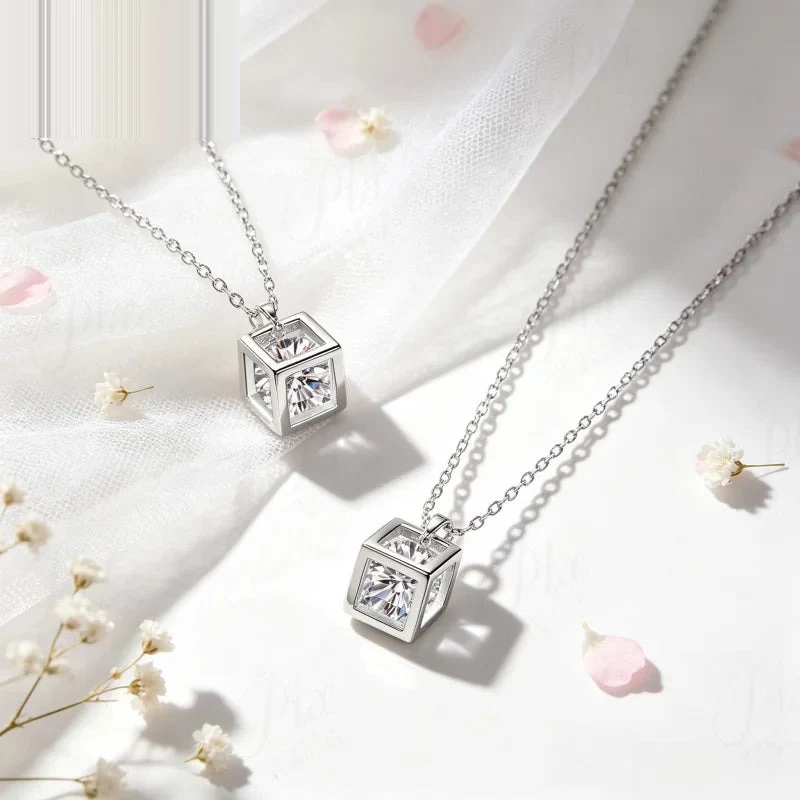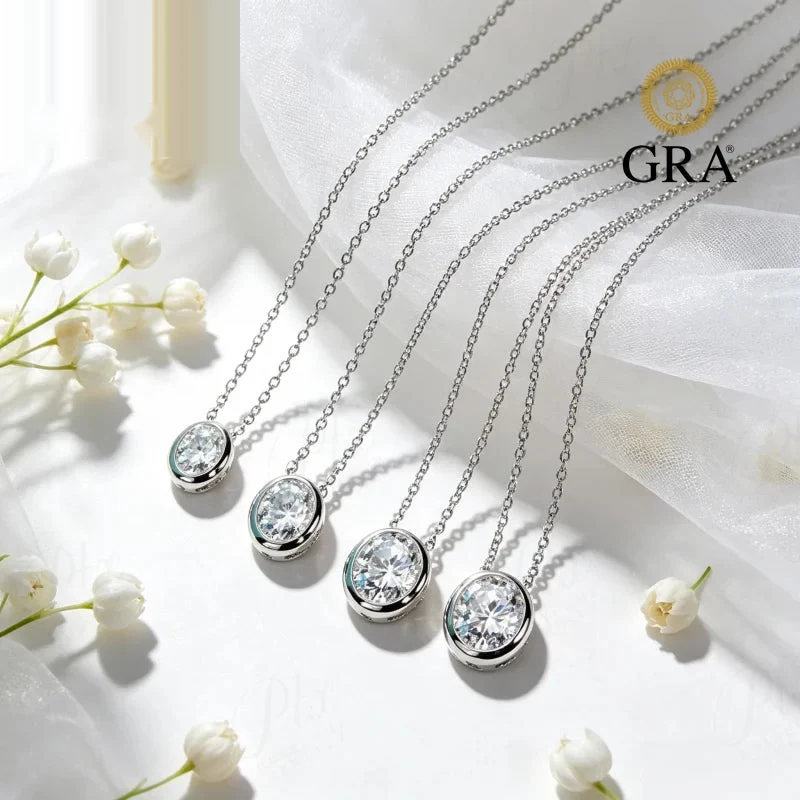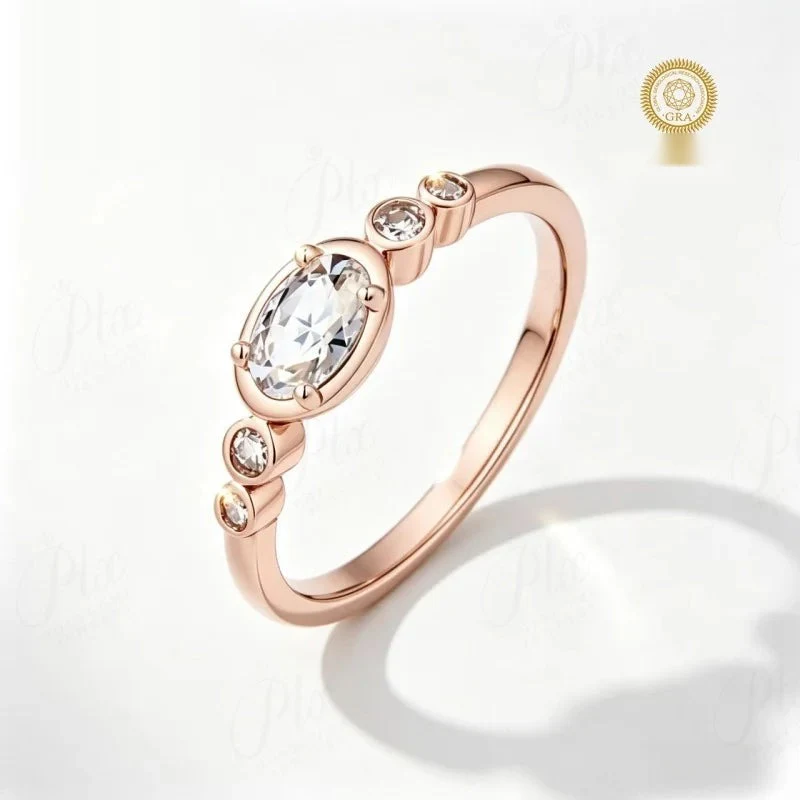
Every jewelry brand hopes no ring breaks, no chain snaps, and no stone goes missing. It will happen anyway. A clasp fails after six months, a chain catches on a bag, a customer scuffs a band on a workbench. What matters is what you do next. Brands that offer a clear warranty and simple repair service turn those moments into loyalty, while brands that go silent lose the customer and often get a chargeback as well. For silver jewelry specifically, a repair program is surprisingly affordable to run and pays back in reviews and repeat orders.

Sterling silver is a forgiving material. It can be soldered, polished, replated, and reshaped. Unlike plated fashion jewelry that is thrown away when it wears, solid silver pieces are worth repairing. That fact is the foundation of a warranty program: because repair is cheap for you, you can afford to be generous, and that generosity sells.
What a basic warranty should cover
Keep the promise simple and honest. A one-year warranty against manufacturing defects covers broken clasps, loose stones, and cracked bands that are not the result of obvious misuse. That is enough to build trust without exposing you to unlimited cost. Be explicit about what it does not cover: accidental loss, damage from chemicals, normal wear, and resizing outside your policy. Customers read these lines carefully, and clarity prevents disputes.
For plating, set expectations. Rhodium plating wears over time, especially on pieces that contact skin daily. Offer a free re-plating within the warranty window and a paid re-plating after that. This is low-cost for you and feels like premium service to the customer. The same logic applies to rhodium-finished silver across your range, so write the rule once and apply it consistently.
Repair tiers that keep costs down
Most issues fall into three buckets. Minor fixes are free and fast: tightening a loose stone, replacing a clasp, re-polishing, straightening a bent ear wire. Moderate fixes are low-cost: re-plating, resizing, replacing a missing jump ring. Major repairs are rare: rebuilding a damaged band or replacing a stone entirely. Price the moderate tier with a small fee plus return shipping, and absorb the minor tier as a goodwill gesture.
Set up a simple intake process. A dedicated email or a form on your site asking for the order number, a photo, and a description. Respond within two business days with a clear yes/no and a turnaround estimate. Customers forgive delays when they are told what to expect. Silence is what turns a broken clasp into a public complaint. Pair this with a clear returns and exchanges policy so customers know the whole process before they buy.
How repair service builds sales
A customer who sends a ring in for a new clasp and gets it back polished and gleaming is a customer who buys again. They also tell friends. Warranty and repair are marketing channels as much as service channels. Mention the warranty on product pages, in packaging, and in post-purchase emails. The phrase "covered for a year" reduces the hesitation that holds back online jewelry buyers, who worry about buying something they cannot touch.
Repair work also gives you a reason to reach back out. A polite email asking how the piece is wearing, sent six months after delivery, is a natural touchpoint. It opens the door to a new purchase or a referral. Brands that treat customers as long-term relationships outperform brands that treat them as one-off transactions, especially in a category like jewelry where retention drives most revenue.
Working with a repair partner
If you do not have an in-house jeweler, partner with a local bench or a specialized repair service. Most tasks take days, not weeks, and the per-piece cost is low. Negotiate a flat rate for common repairs so you can quote customers instantly. Keep a small supply of spare clasps, jump rings, and ear wires on hand so simple fixes do not have to wait on a supplier. This is the same spare-parts discipline that helps with quality control: the problems are predictable, so prepare for them.
Track every repair. Note the part that failed, the design, and the batch. If a specific clasp keeps breaking across orders, switch supplier. If a plating wears off in weeks, change the plating thickness. Warranty data is one of the cheapest quality-control tools you have, because customers are telling you exactly where your product is weak.
Turning the policy into a selling point
Write the warranty in plain language, not legal language. A short block on your product page that says what is covered, for how long, and how to claim it converts better than a wall of terms. Customers expect jewelry to feel permanent; a clear promise tells them your brand expects the same. For a small silver label, that promise is often the difference between a shopper choosing you and choosing a generic competitor.
Warranty and repair are not costs to minimize. They are the cheapest trust-building tool a jewelry brand has. Run it generously, respond quickly, and let the service speak for itself. The reviews, repeat orders, and reduced chargebacks will more than cover the small cost of a new clasp or a quick polish.
The 92.5% silver composition and properties of sterling silver are described in the Wikipedia entry on sterling silver.
Frequently Asked Questions
What ring sizes can you supply in bulk?
US sizes 5–12 including half sizes. Send a size breakdown with your order and we cast to that curve; comfort-fit inner bands reduce resize requests.
Can I order a mixed size run instead of one size?
Yes. Mixed runs are standard for wholesale: specify quantity per size and we pack and label by size at no extra labor cost.
What is the MOQ for custom ring designs?
50 pieces per design for existing molds; 100–300 pieces when a new mold or CAD model is required.
How should I price rings for retail margin?
Most partners use a 3–4x markup on FOB cost for sterling and 2.5–3x for moissanite solos, which keeps landed cost under 30% of retail.