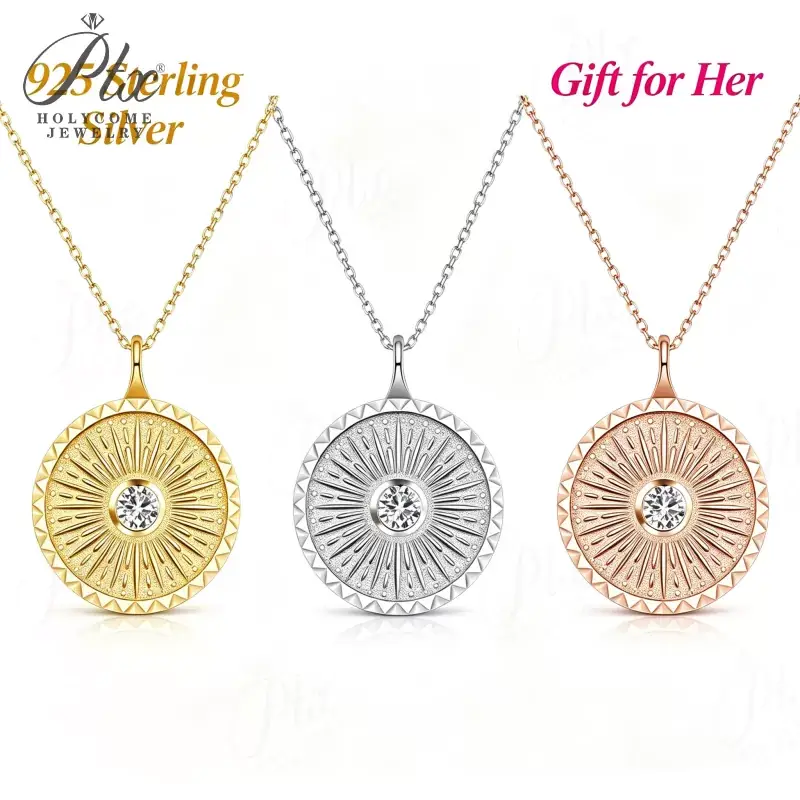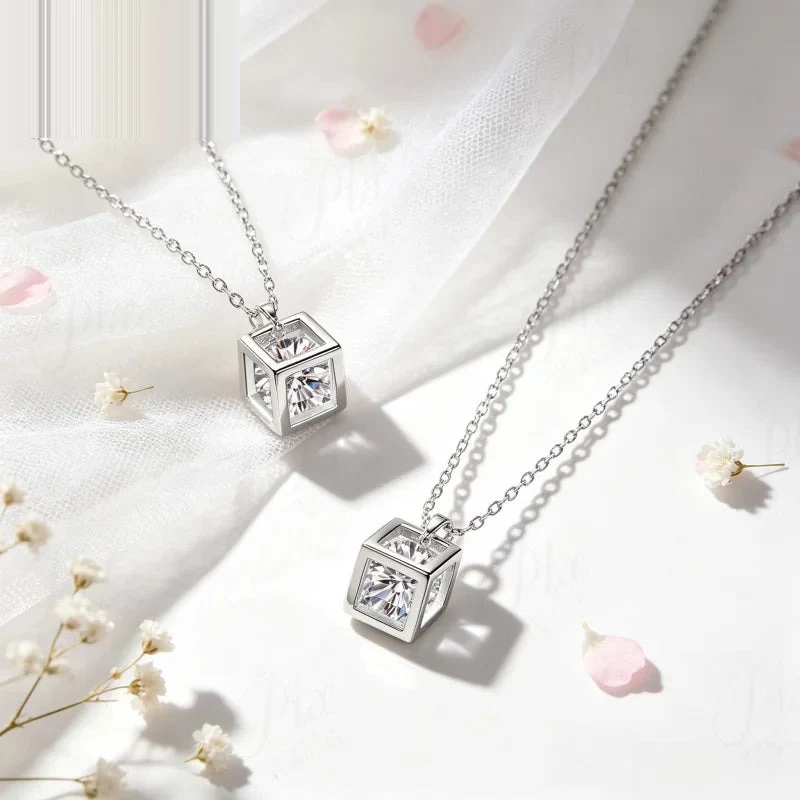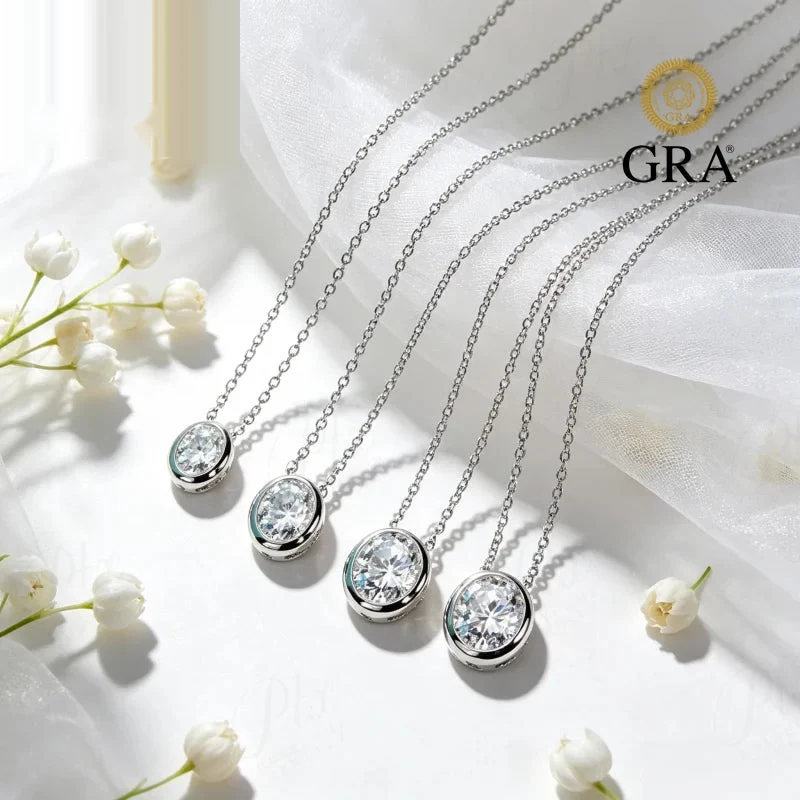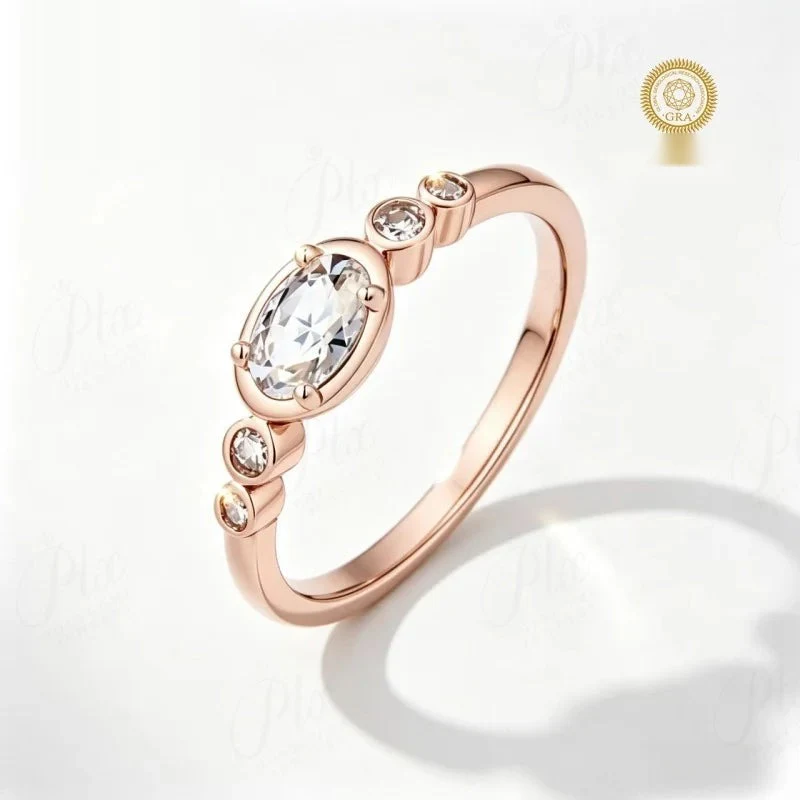
Most new jewelry entrepreneurs dread returns. They picture opened boxes, tarnished pieces, and refunds erasing a week's profit. Yet the stores that grow fastest are often the ones with the most generous, clearly written policies. Shoppers hesitate on jewelry for the same reason they hesitate online: they cannot try it on. A returns policy removes that fear, and a nervous shopper who trusts your terms converts far more often than one who does not.
The trick is to write a policy that protects you without sounding defensive. Here is how to structure one for a custom moissanite and 925 silver brand.
Start with the window
Decide on a return window and state it in days. Thirty days from delivery is common for fashion jewelry and gives customers time to wear a piece at home, where they will actually decide if they love it. Keep the clock running from delivery, not order date, so shipping time does not eat into the window.
Make the refund method explicit. Money back to the original payment method is the most buyer-friendly and usually converts best. Store credit only is a legitimate choice, but expect lower conversion and more support emails. Pick one and say it plainly.
Separate ready-to-ship from custom orders
This is the line that saves most jewelers. In-stock 925 silver pieces can be returned like any other product. Custom work, engraving, and made-to-order sizes are a different story: you cannot resell a ring engraved with someone's name, so these should be final sale or exchange-only.
State this exception loudly, not in a footnote. A customer who clicks "final sale" knowingly is far less likely to dispute a charge later. This is exactly why the custom design process should confirm order details and sign-off before production begins.
Define condition and hygiene rules
Jewelry touches skin, so condition rules matter. Accept returns only on unworn pieces in their original packaging with tags. For earrings, add a hygiene note: pierced earrings are often final sale for health reasons, which customers understand. Tarnish from normal wear is not a defect, but shipping damage is, and you should cover how to photograph and report damage on arrival.
A small restocking fee, often ten to fifteen percent, can discourage casual returns while staying fair. Just disclose it before checkout. Sudden fees discovered after the fact are the fastest route to a bad review.
Build in an RMA process
Do not invite customers to ship things back without authorization. Require a return merchandise authorization number issued through your support email or form. This does three things: you can tell an incoming box apart from a customer's personal mail, you can log the reason for the return, and you can spot patterns like one shopper returning everything.
Return reasons are free product feedback. If multiple customers send back the same necklace saying it was longer than pictured, your sizing description needs work. We cover how to read these signals in turning buyers into loyal customers, but the data only exists if you log reasons at the RMA stage.
Size exchanges deserve their own rule
Ring sizing is the single most common reason for a jewelry exchange. Instead of a full return, offer a faster, cheaper resizing or exchange path. A customer who can swap a ring size for a small shipping fee is a customer who keeps the relationship, buys again, and recommends you. Make sizing help easy before purchase with a clear ring sizing guide, and you will shrink return volume before it starts.
Watch the chargeback trap
When a policy is unclear, some customers skip returns entirely and file a chargeback with their bank instead. Chargebacks cost you the product, the fees, and often a penalty. A friendly, fast return offer almost always resolves the issue cheaper than fighting a dispute. If a customer contacts you about a problem, reply the same day and offer a fair resolution before they escalate.
Write it like a human
Skip the legalese. A policy that reads "We accept unworn returns within 30 days; custom engraved pieces are final; email us for a return label" converts better than four paragraphs of boilerplate. Place a link in your footer and a short summary on the product page near the add-to-cart button. Customers should never have to hunt for your terms when they are deciding whether to trust you.
Tell customers what to expect on arrival
Many returns start with an unboxing that did not match the listing. Clear product photos that show scale against a coin or a hand, accurate chain lengths, and honest color notes cut down on "this is smaller than I thought" returns more than any policy language. Photograph the piece in natural light, list exact measurements, and describe the finish. The fewer surprises at delivery, the fewer boxes that come back.
You can also offer a live-chat sizing check before the order ships. A two-minute conversation confirming a ring size or necklace length prevents a return that would have cost you shipping both ways. Treat support before purchase as a cost-saving tool, not a burden.
A well-crafted policy is a promise, not a wall. Set fair rules, honor them quickly, and the returns you handle become repeat customers rather than losses.
Independent background on moissanite — how its hardness and refractive index compare with diamond — is documented in the Wikipedia article on moissanite.
Frequently Asked Questions
How do I verify a factory before placing a bulk order?
Request a production video, business license, export records and a paid sample run. A factory that accepts a 50-piece test order is usually a real manufacturer.
What payment terms do you offer?
30% T/T deposit with the balance against the bill of lading. This protects both sides on first orders and can move to net terms after a track record.
What is your normal reject rate?
3–5% under 10x loupe inspection for cast and set pieces. Defective units are replaced free in the next shipment.
Where is the factory located?
Wuzhou, Guangxi, China—the core lab-grown and moissanite manufacturing cluster. Shipments go via Guangzhou or Shenzhen ports.