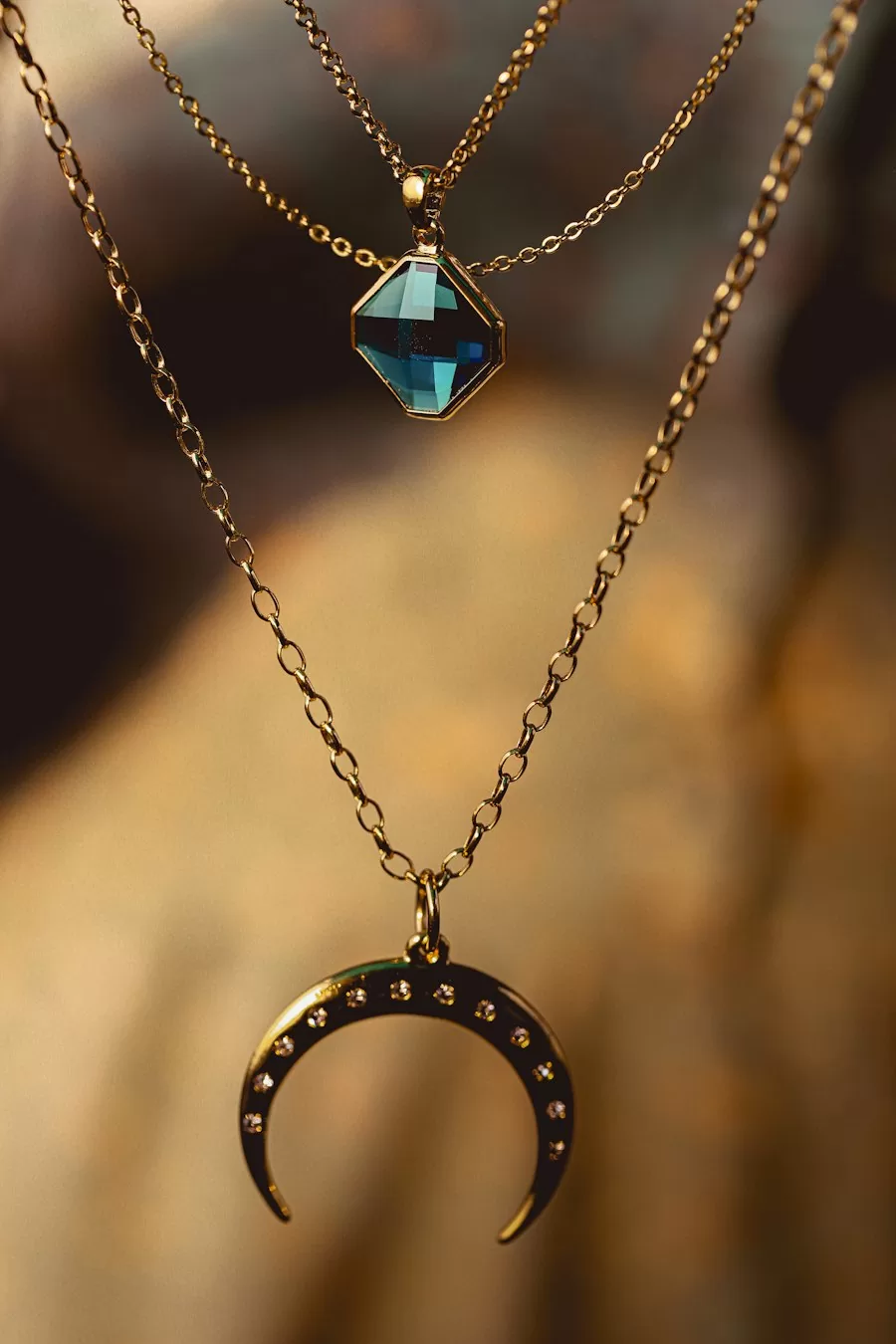
Body chains used to read as a festival piece, something reserved for a music set or a beach cover-up. That has quietly changed. Over the last two seasons, sterling silver body chains have settled into the wider layering conversation, worn over turtlenecks, under blazers, across bare collarbones for evening. The shopper buying one today is not necessarily planning a festival. She is building a styling layer in her jewelry box, the way she would buy a longer pendant necklace.
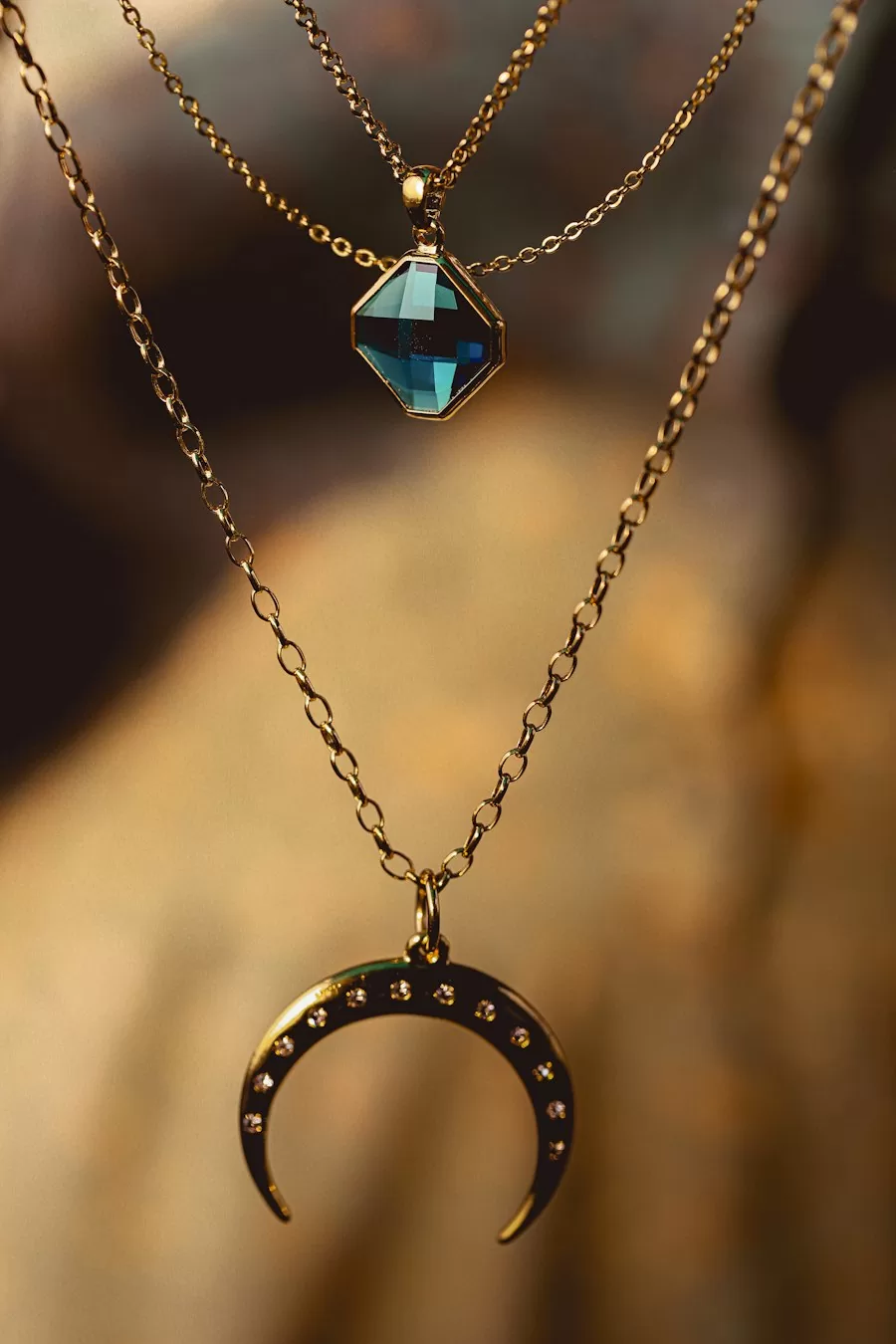
The styles actually selling
Belly and waist chains are the entry point. A single fine chain across the hips, worn low over jeans or a skirt, is the most accessible version and the easiest first purchase. Neck-to-waist body chains run from the neckline down across the torso and read as intentional, editorial layering. Bra and harness chains wrap across the chest and sit over a camisole or under an open shirt. Single shoulder drapes run from one shoulder across to the opposite hip, giving an asymmetrical line that photographs well.
For a starter assortment, lead with the fine waist chain and the shoulder drape. Those two cover the most body types and the most outfits. Save the harness style for your trend-forward buyer.
How to style them for real life
The trick customers need help with is that a body chain works best when it peeks out rather than fully shows. Worn over a fitted long-sleeve tee, a fine waist chain adds a line of light under a jacket. Worn under a low V-neck blouse, a shoulder drape appears as a subtle shimmer at the collarbone. Worn with a sundress, the belly chain sits just above the hip and breaks up a solid dress.
Silver is the natural metal for this trend because it reads modern and cool rather than bridal. It pairs cleanly with the layered silver necklaces people already own, and it echoes the layering and stacking habit driving multiple jewelry purchases right now. Encourage customers to mix the body chain with their existing silver rather than treating it as a one-off outfit piece.
Sizing and comfort questions
Body chains fit differently from necklaces, and that confuses first-time buyers. Waist chains measure across the natural waist or hips depending on where the customer wants to wear them, and most come with an extender so they can be adjusted. Fine-gauge chains are more comfortable under clothing than chunky ones, which is why the dainty versions sell for everyday while chunky ones sell for statement events. Remind buyers that a body chain worn under tight clothing can catch, so looser fabrics and mid-rise fits work best.
Because comfort and fit are the unknowns, clear size guidance in the listing prevents returns. Include a measurement diagram, note whether the chain sits at the waist or hips, and mention the extender length. This same fit-first habit is what makes your other mixed-metal styling content feel trustworthy.
Why retailers should test the category
Body chains have low return risk when sized well, strong average order value when bundled, and high shareability on social. A customer wearing one in a mirror selfie is free content. The category also attracts a younger shopper who might otherwise skip your classic necklace range, and once she buys a body chain she often returns for the matching bracelet or earrings.
Stock a narrow edit at first: two fine waist chains, one shoulder drape, and one pave-accented version for evening. Photograph each on a real body over three different outfits so shoppers see the range. Overstocking this trend is the mistake to avoid, because it is still seasonal and style-led rather than a wardrobe staple like studs.
Care and longevity
Sterling silver body chains spend more time against skin and clothing than a ring, so care guidance matters. Tell customers to put the chain on after lotion and perfume, to store it flat in a pouch, and to clean it with a soft cloth. Because fine chains tangle easily, a storage tip in the packaging earns loyalty. For more on keeping silver bright, review our layering and storage guidance.
Layering with what customers already own
Many shoppers hesitate because they assume a body chain needs a whole new outfit built around it. It does not. A waist chain works as the second layer under a shirt they already wear, and a shoulder drape reads as the silver accent in a stack that includes their usual pendant. Encourage customers to start with one piece, wear it for a week, and then decide whether a second layer feels right rather than buying a full set on impulse. That patience keeps the look modern instead of costume-y.
Body chains are not a throwaway festival trend anymore. Treated as a layering layer alongside necklaces and bracelets, they give a silver jewelry line a fresh, photo-friendly entry point that younger shoppers actually want to wear out of the house.
The 92.5% silver composition and properties of sterling silver are described in the Wikipedia entry on sterling silver.
Related reading: Body Chains: The Layering Trend Moving Beyond the Neck, Men's Silver Layering: How to Stack Chains, Rings, and Bracelets, Sterling Silver Navel Rings: The Body-Jewelry Trend Repeating in 2026.
Frequently Asked Questions
What ring sizes can you supply in bulk?
US sizes 5–12 including half sizes. Send a size breakdown with your order and we cast to that curve; comfort-fit inner bands reduce resize requests.
Can I order a mixed size run instead of one size?
Yes. Mixed runs are standard for wholesale: specify quantity per size and we pack and label by size at no extra labor cost.
What is the MOQ for custom ring designs?
50 pieces per design for existing molds; 100–300 pieces when a new mold or CAD model is required.
How should I price rings for retail margin?
Most partners use a 3–4x markup on FOB cost for sterling and 2.5–3x for moissanite solos, which keeps landed cost under 30% of retail.