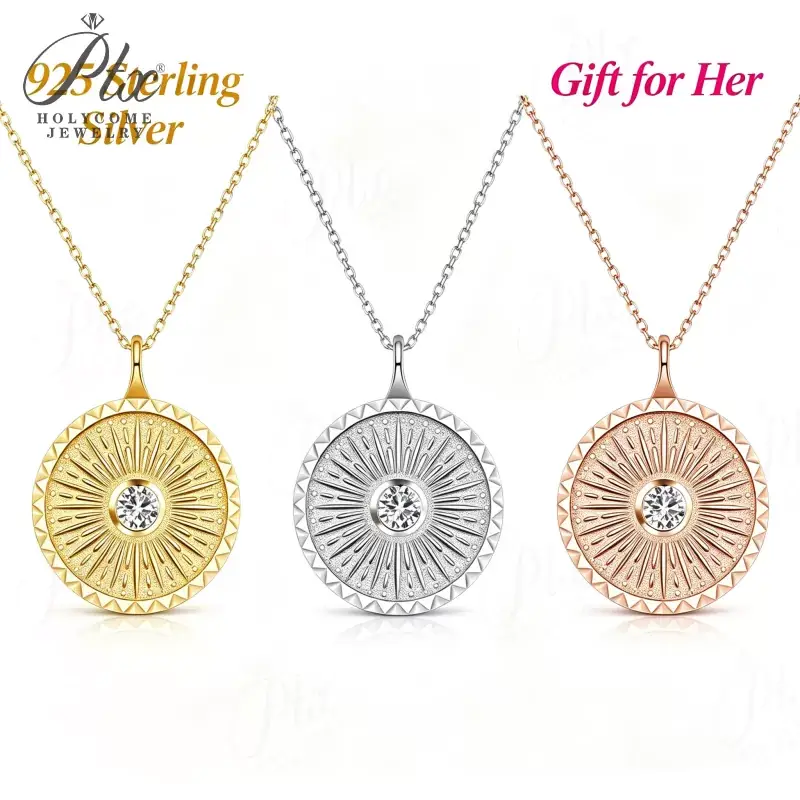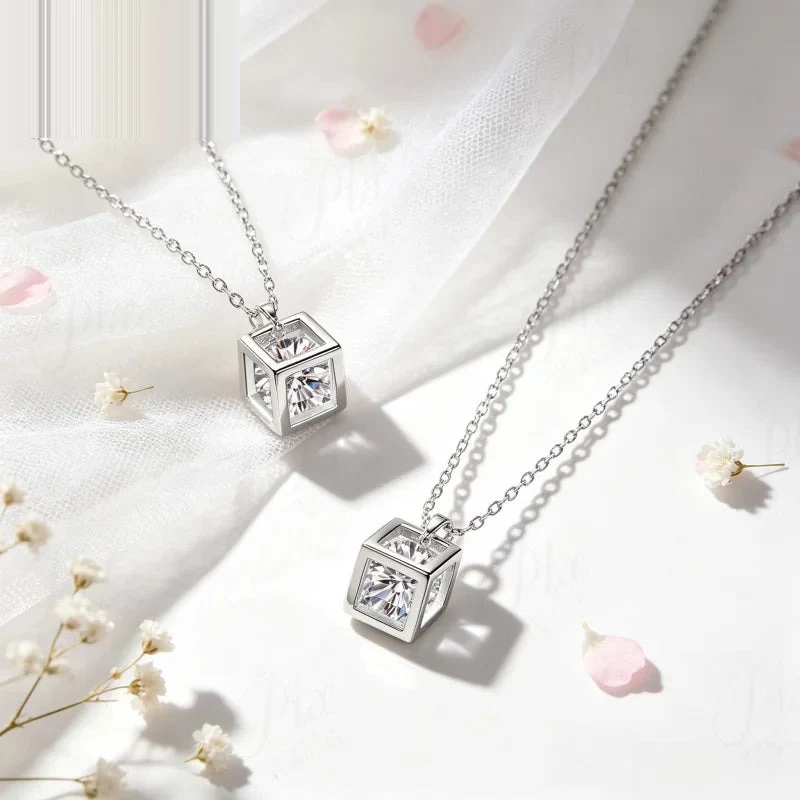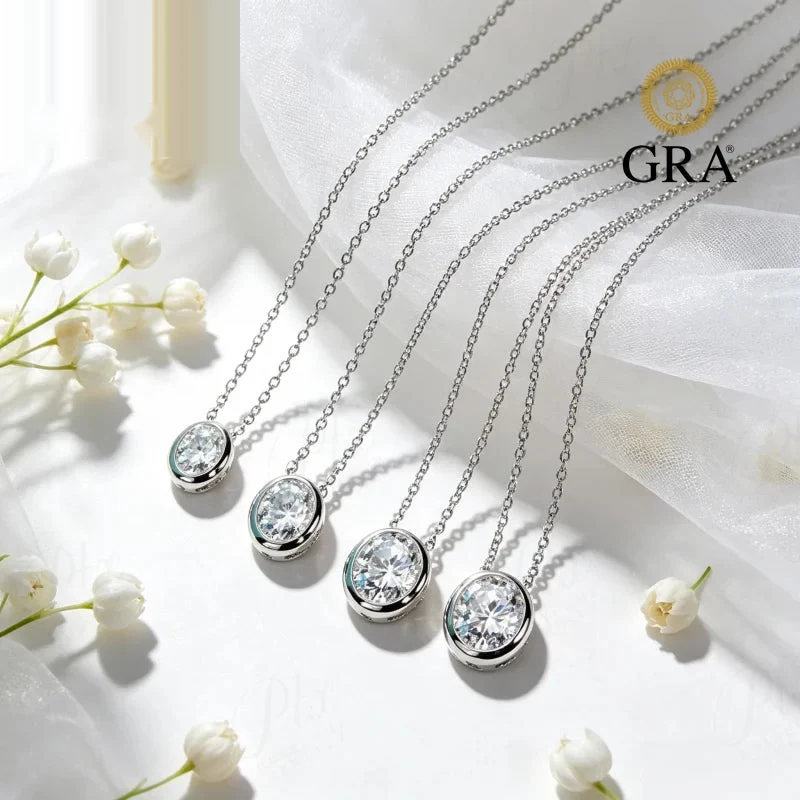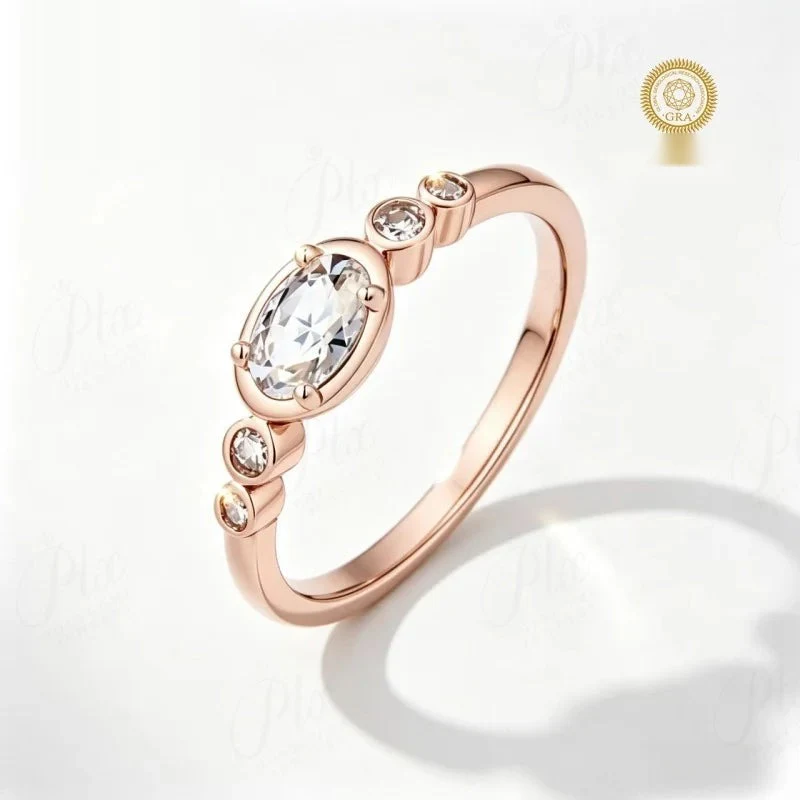
For years, body chains lived in one narrow corner of fashion: festival season, swimwear shoots, editorial beach stories. Then the layering trend that started with stacked necklaces and stacked bracelets ran out of places to go on the wrist and the collarbone, and designers looked further down the body. Suddenly a silver chain draping across the torso over a tank top stopped looking like a costume and started looking like a styling choice.
Retailers who dismissed body chains as a niche festival item are now seeing steady, repeat interest from customers who wear them three seasons a year. Here is why the trend has staying power, which silhouettes deserve shelf space, and how to merchandise them without confusing the casual browser.
What changed
Two things shifted the category. First, quiet-luxury and old-money aesthetics pulled body chains away from heavy, ornate festival versions and toward thin, refined sterling silver lines that sit almost invisibly under clothing. Second, the way people dress — layered tanks, open button-downs, slip dresses, swimwear as outerwear — created actual surfaces to hang the jewelry on. A body chain is no longer a statement in itself; it is a detail that appears when a jacket comes off.
The buyers are not only going to the beach. They are styling a delicate silver torso chain under a sheer top for dinner, over a swimsuit for a weekend trip, or layered with a longer pendant for a night out. Our piece on layering silver necklaces covers the same instinct applied to the collarbone; body chains simply extend the logic downward, treating the whole torso as a canvas.
The silhouettes that sell
The simplest and most wearable style is the single shoulder-to-hip drape on a fine cable or Figaro chain. It works with nearly every outfit and reads as intentional rather than theatrical. The next tier up is the double chain, one across the chest and one along the waist, which suits strapless and V-neckline outfits. The most adventurous version is the belly chain, worn low on the hips over high-waisted bottoms — the closest to the original festival look and the one that still divides mainstream shoppers.
Sterling silver matters here because body jewelry spends hours against skin and often sits near sunscreen, salt water, and chlorine. Plated brass tarnishes quickly under those conditions; 925 silver holds up and can be polished back. The plating explainer covers exactly why base-metal body jewelry disappoints fast, and why a slightly heavier price tag pays off over a summer of wear.
Sizing and adjustability
Body chains are harder to size than necklaces because they drape over a moving body, and the right length changes with the outfit. Look for designs with an extender chain or adjustable clasp, so the wearer can shorten the drape over a thick swimsuit or lengthen it over a fitted tank. A one-size-fits-all torso chain usually fits nobody perfectly, and that frustration kills repeat purchases. Adjustable options photograph better too, because the model can cinch the chain to sit exactly where it looks best. For buyers who want to layer, recommend mixing one fine drape with one slightly heavier chain rather than stacking several thin ones, which quickly looks tangled.
How to wear one well
A body chain needs an outfit built around it. It reads best over a simple, fitted base — a ribbed tank, a swimsuit, a slip dress — because the chain itself is the decoration. Busy prints and chunky knits fight it. Keep the rest of the jewelry restrained; the chain is doing enough work. Most first-time buyers underestimate how visible a body chain is under sheer fabric, so advise them to test the look in daylight before committing to an outfit for an event.
How to merchandise it
Do not bury body chains in a body-jewelry drawer next to belly rings. Hang them on a torso display bust or a mannequin layered over a simple tank, because the product makes no visual sense on a flat card. Price them as a considered add-on rather than a cheap impulse buy, and pair them with the necklaces and bracelets in your layering section so customers think in outfits instead of single pieces. Photograph them on real bodies in real light, because a body chain shot on a hanger tells the shopper almost nothing.
Cleaning is straightforward: wipe the chain with a soft cloth after wear, rinse off salt water or sunscreen at the end of a beach day, and polish with a silver cloth when it dulls. Avoid sprays and perfumes directly on the chain, because the fine links trap residue and tarnish unevenly. Treated this way, a silver body chain outlasts several cheaper versions bought over a single summer.
Body chains are not replacing earrings or pendants. They are the next layer in a wardrobe that already treats jewelry as continuous. Stock the refined, everyday versions, show them on a figure, and the category will quietly grow into a reliable repeat buyer, especially through spring break and summer wedding season.
Sterling silver terminology used in this guide follows the Wikipedia entry on sterling silver.
Frequently Asked Questions
What ring sizes can you supply in bulk?
US sizes 5–12 including half sizes. Send a size breakdown with your order and we cast to that curve; comfort-fit inner bands reduce resize requests.
Can I order a mixed size run instead of one size?
Yes. Mixed runs are standard for wholesale: specify quantity per size and we pack and label by size at no extra labor cost.
What is the MOQ for custom ring designs?
50 pieces per design for existing molds; 100–300 pieces when a new mold or CAD model is required.
How should I price rings for retail margin?
Most partners use a 3–4x markup on FOB cost for sterling and 2.5–3x for moissanite solos, which keeps landed cost under 30% of retail.