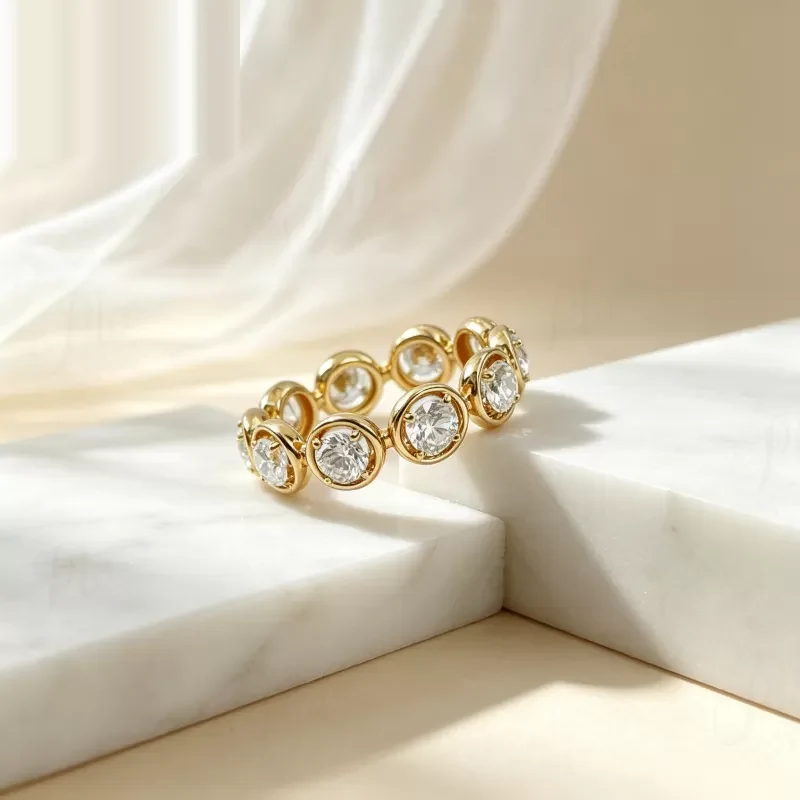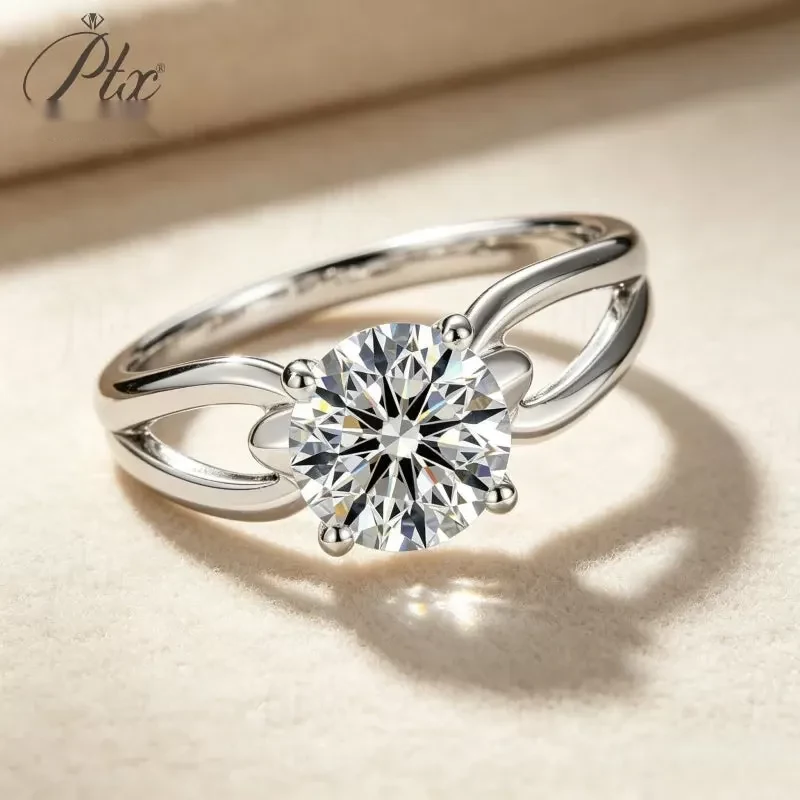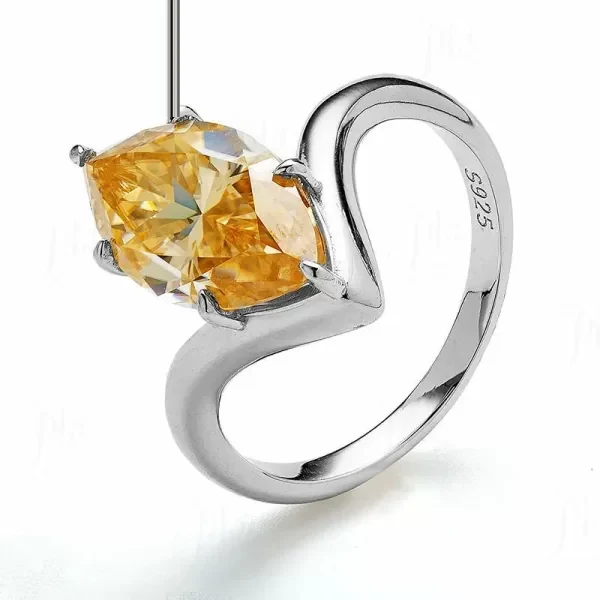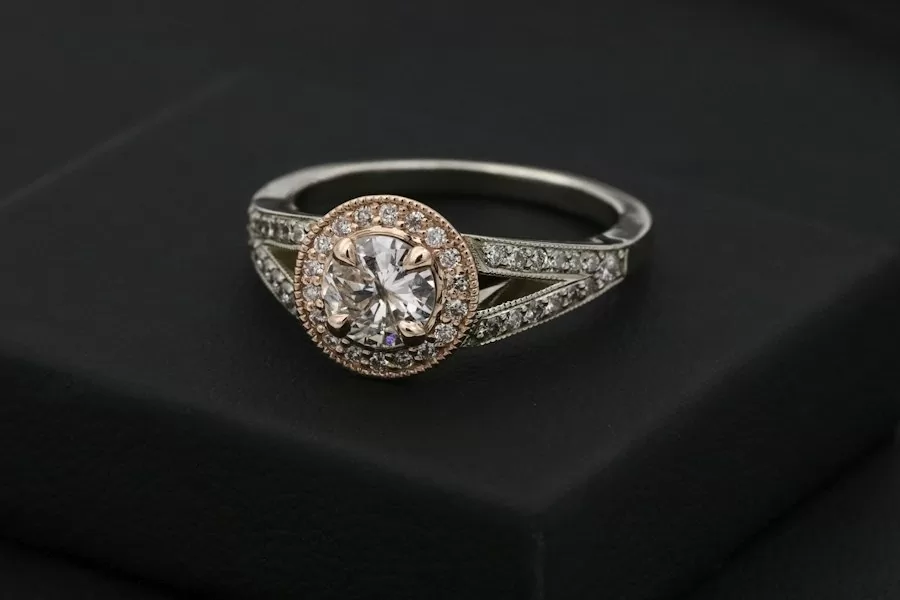
A ring on the right hand and a ring on the left hand can mean completely different things, even when the jewelry looks identical. Most people wear silver rings purely because they like how they look, which is perfectly valid, but it helps to know the quiet signals you are sending. Whether you are styling a stack or choosing a single signet, the finger you pick changes the story. Here is a simple breakdown of what each hand and finger traditionally communicates, and how to wear silver rings without second-guessing yourself.
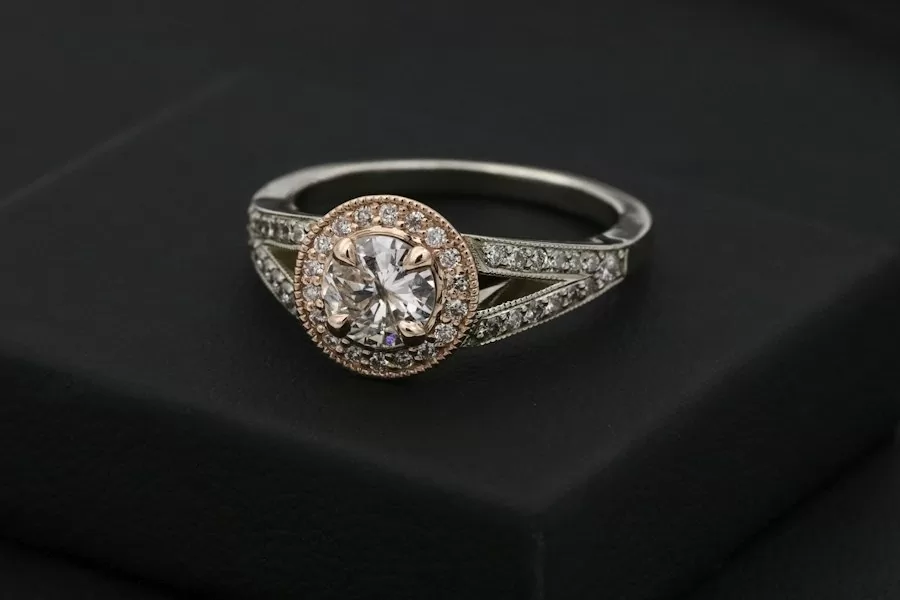
The ring finger, left hand
Traditionally, the left ring finger is reserved for engagement and wedding rings. This comes from the old belief that a vein ran directly from this finger to the heart. In much of the world, wearing a ring here signals commitment. If you are not married but love the look, a thin silver band on the left ring finger is common in modern fashion, but be aware people may read it as a relationship status. If you are planning that moment, our proposal ring guide covers how the engagement-to-wedding stack builds out.
The right ring finger
The right ring finger is the freedom zone. In many cultures it is used for promise rings and fashion rings, and in some countries it is even the wedding hand. For everyday styling, the right ring finger is where most people wear a meaningful silver band without sending a marital signal. It is also a popular spot for statement rings because it is visible and comfortable. Our promise rings guide explains how this finger fits that category.
The middle finger
The middle finger is the largest and most central, so it naturally draws the eye. A wider silver band here looks bold and balanced, and it does not carry the commitment connotation of the ring finger. It is a great choice for a chunky signet or a statement piece that you want noticed. Because it sits in the middle, a middle-finger ring pairs well with slimmer rings on the index and pinky. For proportions, our band width guide helps you match thickness to finger size.
The index finger
Historically, the index finger was where signet and family crest rings were worn, a signal of status and identity. Today it is one of the most stylish places to wear a silver statement ring. An index-finger ring looks confident and intentional, and it does not conflict with wedding bands. This is the finger many men choose for a bold piece, and it works for women who want a ring with presence. Browse the range in our signet rings guide.
The pinky finger
The pinky finger is where personal style really takes over. It carries almost no traditional meaning, so a silver pinky ring reads as purely fashionable. It is a favorite for slim bands and small signets, and it sits nicely next to an index ring. Because it is a smaller finger, keep the pinky ring thin so it does not look cramped. We go deep on this placement in our mens pinky rings guide, though the look works for any gender.
The modern rule: your hand, your choice
Traditional meanings are useful context, not laws. Many people wear silver rings purely as decoration, and stacking multiple rings across the fingers is a stylistic choice, not a statement about relationship status. The practical tips still matter: balance heavier rings with lighter ones, keep the ring finger free if you wear a wedding band, and choose a comfortable fit. Our ring sizing guide ensures whatever finger you choose, the band actually fits.
Stacking across fingers without looking crowded
Once you understand the finger rules, stacking becomes a composition, not a pile. A common winning arrangement puts a slimmer band on the middle finger, a slightly bolder piece on the index, and a delicate ring on the pinky, leaving the ring finger clear for a wedding band if you wear one. Vary the widths so each ring has its own space. Two chunky rings on adjacent fingers will always fight; a chunky one beside a thin one reads intentional. Silver is forgiving here because all the pieces share the same cool tone, so the stack looks unified even when the styles differ.
Watch the practical side too. Rings on the index and middle fingers catch on desks and keyboards more than pinky or ring finger pieces. If you work at a computer, keep your heavier rings off the most active fingers, or choose smooth bands without raised settings that can dig into your palm. Comfort and dexterity matter more than a perfect arrangement in a photo. The right stack feels as natural as it looks, and that is when people stop noticing the rings as objects and start noticing how polished your hands look.
The finger you pick gives a ring its quiet story. Left ring finger says commitment, right ring finger says style, middle and index say confidence, and the pinky says pure fashion. Once you know the shorthand, you can stack silver rings deliberately and wear them with total confidence.
For third-party reference, the Wikipedia article on moissanite details moissanite’s discovery, optical properties and use in jewellery.
Frequently Asked Questions
What ring sizes can you supply in bulk?
US sizes 5–12 including half sizes. Send a size breakdown with your order and we cast to that curve; comfort-fit inner bands reduce resize requests.
Can I order a mixed size run instead of one size?
Yes. Mixed runs are standard for wholesale: specify quantity per size and we pack and label by size at no extra labor cost.
What is the MOQ for custom ring designs?
50 pieces per design for existing molds; 100–300 pieces when a new mold or CAD model is required.
How should I price rings for retail margin?
Most partners use a 3–4x markup on FOB cost for sterling and 2.5–3x for moissanite solos, which keeps landed cost under 30% of retail.