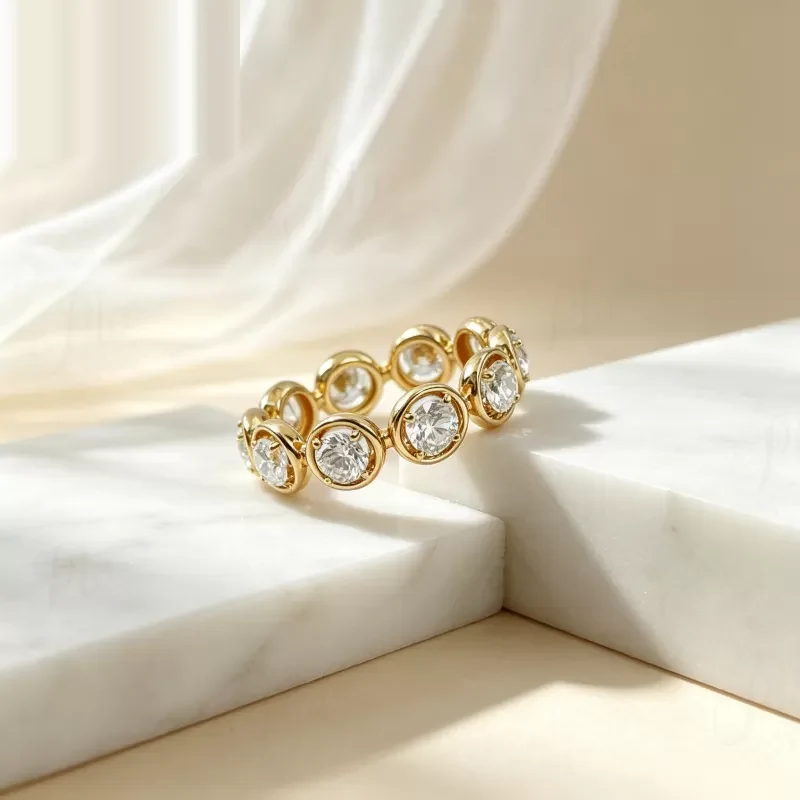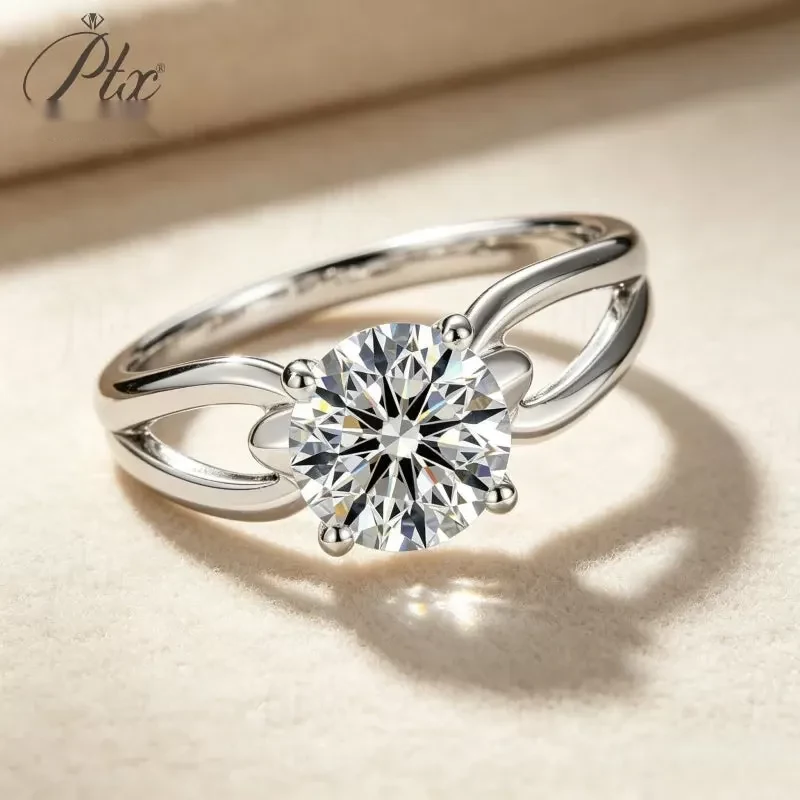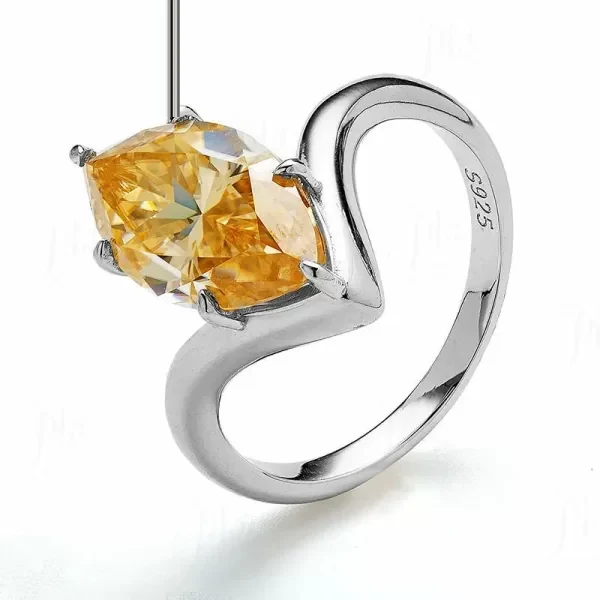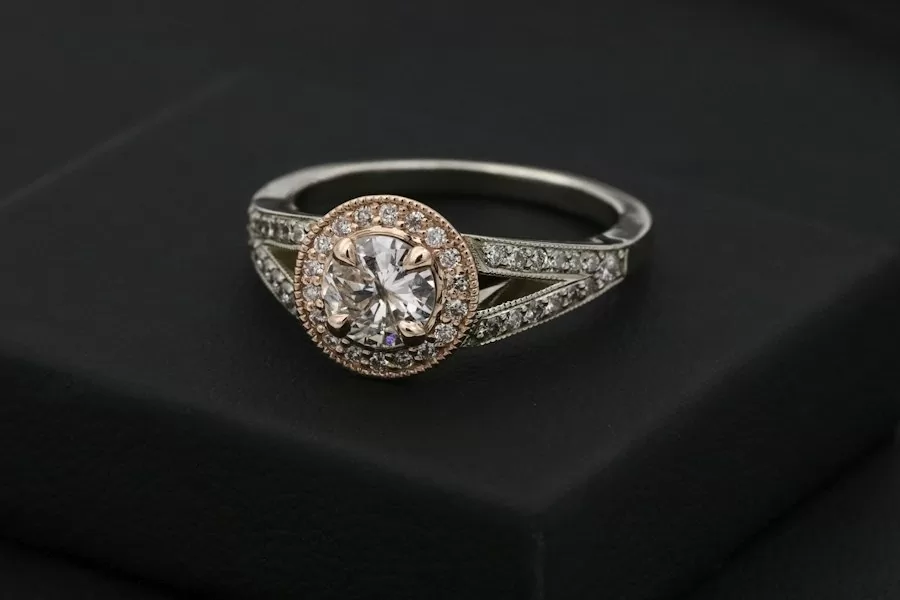
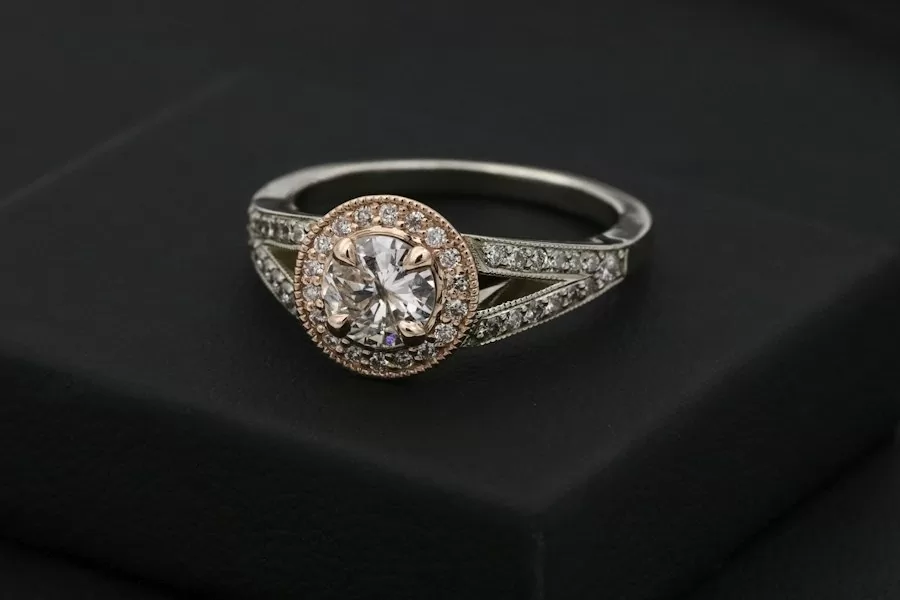
Two rings can be the same size, same metal, and same finish, yet one looks elegant on a hand and the other looks wrong. The difference is often the band width. Most buyers choose a stone or a style first and treat the band as a given. Once you understand how width interacts with finger shape and size, picking a band becomes a precise choice rather than a guess.
How width changes your ring size
This surprises first-time buyers: a wider band fits tighter than a narrow one at the same numerical size. A wide band covers more surface area and presses against more skin, so it needs a slightly larger size to slide comfortably over the knuckle. If you normally wear a size 7 on a slim band, a 6mm or wider band may fit more like a 7.5. When you order a wide ring, size up by half. The full process is in the 925 silver rings sizing and fit guide.
Width and finger length
The guiding visual rule is proportion. Short or slender fingers benefit from narrower bands, roughly 2 to 4mm, which leave visible skin on either side and elongate the hand. Long fingers can carry wider bands, 6mm and up, without looking swallowed. A wide band on a short finger can make the finger look stubbier; a thin band on a long finger can disappear entirely.
This is why the wide-band sterling silver rings trend reads differently on different hands. It is a great look, but it is not a one-width-fits-all.
Knuckle and comfort fit
Width also affects how the ring moves over the knuckle. A wide band with a flat inner edge can catch on a large knuckle even if it sits right at the base. Comfort-fit bands, with a slightly rounded interior, slide more easily and are worth choosing on widths above 5mm. If you have knuckles noticeably wider than your finger base, a comfort-fit wide band saves a lot of frustration.
Stacking and mixing widths
Width is where stacking gets interesting. A single wide band anchors the look, while two or three thin bands stack beside it for texture. A common, flattering formula is one statement width paired with two slim bands of slightly different thicknesses. Avoid stacking three equally wide bands; they merge into a single heavy block that looks bulky. Our stackable silver rings guide covers the formulas in more detail.
Gender-neutral logic
Men often default to wide bands, and women to narrow, but proportion beats assumption. A man with slender fingers may prefer a 4mm band; a woman wanting a bold look may love an 8mm signet. The width should serve the hand, not the stereotype. Measure the finger, compare it to the width charts on product pages, and adjust size up on wide bands.
How it wears daily
Wider bands cover more skin and can feel warmer and stiffer, which is fine for a statement piece but may annoy an everyday ring. Narrow bands are easier to wear 24/7 under gloves and keyboards. Decide whether the ring is an everyday piece or an occasion piece before choosing width, because that tradeoff is real.
The quick checklist
- Short or slender fingers: lean narrow, 2 to 4mm.
- Long fingers: carry 6mm and up with confidence.
- Wide band: size up by half for a comfortable fit.
- Large knuckles: choose a comfort-fit interior.
- Stack: one wide anchor plus thin companions, not three equal widths.
How width changes the feel of a stone
A narrow band makes a solitaire stone look larger and more prominent, because more finger skin shows around the setting. A wide band frames the same stone and can make a ring look chunkier and more grounded. If you want a moissanite solitaire to look its biggest, pair it with a slim band. If you want a modern, architectural look, a wider band emphasizes the setting itself. This choice is purely visual, but it changes the character of the ring a lot.
Width and knuckle rings
Midi or knuckle rings are worn higher on the finger, where the knuckle is the narrowest point. These almost always work best at narrow widths, since a wide band at that position digs and slides around. A thin midi band stacks neatly with a wider main ring lower on the same finger, creating a graduated look that stays comfortable. Avoid wide bands on knuckle positions, no matter how good they look in a photo.
Width and engraving
Engraving needs room. A band under about 4mm is too narrow for clean engraved text, so if you want a personal inscription or coordinates, plan for a band of at least 5 to 6mm. That extra width doubles as a visual choice, so decide whether you want a dainty band or an engraving canvas rather than trying to force both into a narrow ring. Popular inscriptions include names, coordinates, and dates.
Width is the cheapest upgrade in ring styling. Pick it with intention and the same stone suddenly looks like it was made for your hand.
Sterling silver terminology used in this guide follows the Wikipedia entry on sterling silver.
Frequently Asked Questions
What ring sizes can you supply in bulk?
US sizes 5–12 including half sizes. Send a size breakdown with your order and we cast to that curve; comfort-fit inner bands reduce resize requests.
Can I order a mixed size run instead of one size?
Yes. Mixed runs are standard for wholesale: specify quantity per size and we pack and label by size at no extra labor cost.
What is the MOQ for custom ring designs?
50 pieces per design for existing molds; 100–300 pieces when a new mold or CAD model is required.
How should I price rings for retail margin?
Most partners use a 3–4x markup on FOB cost for sterling and 2.5–3x for moissanite solos, which keeps landed cost under 30% of retail.