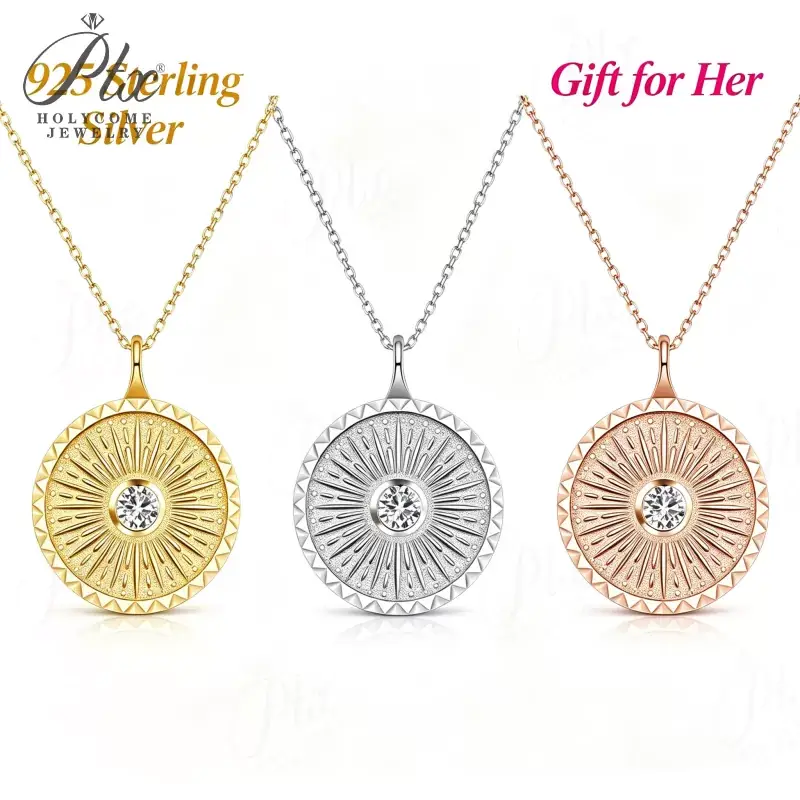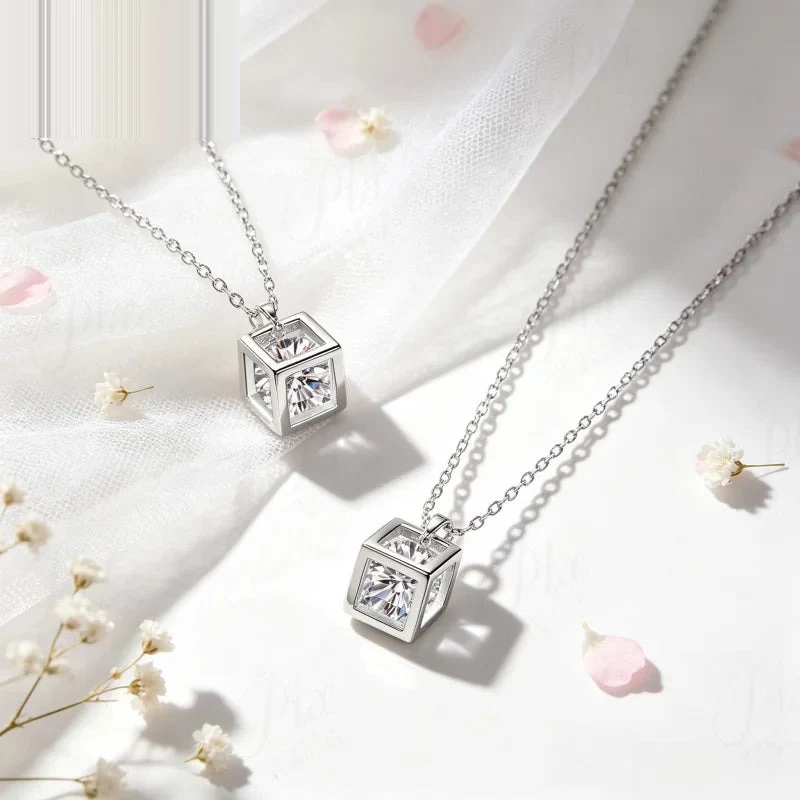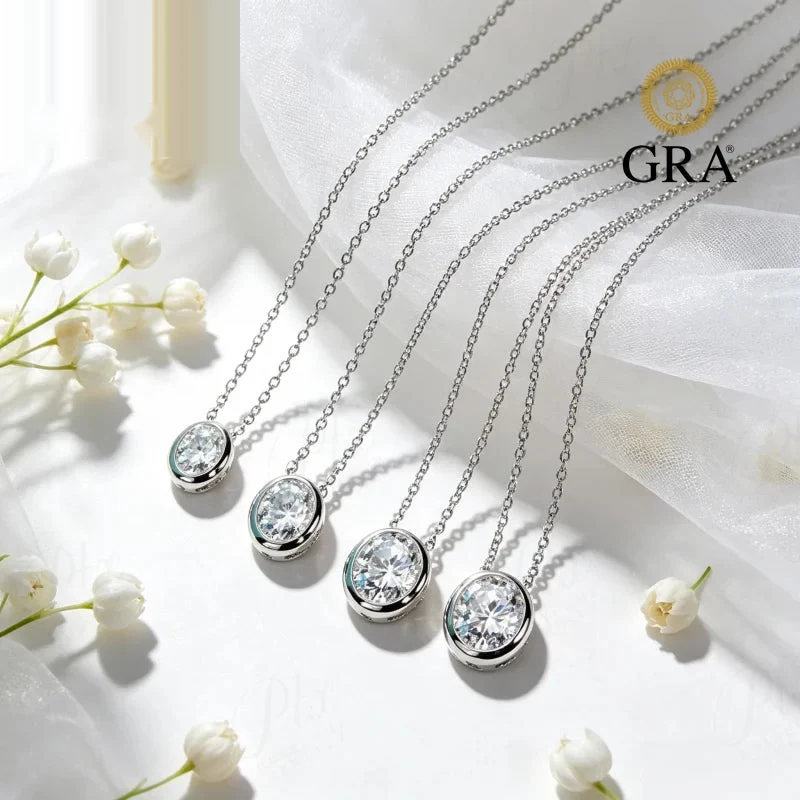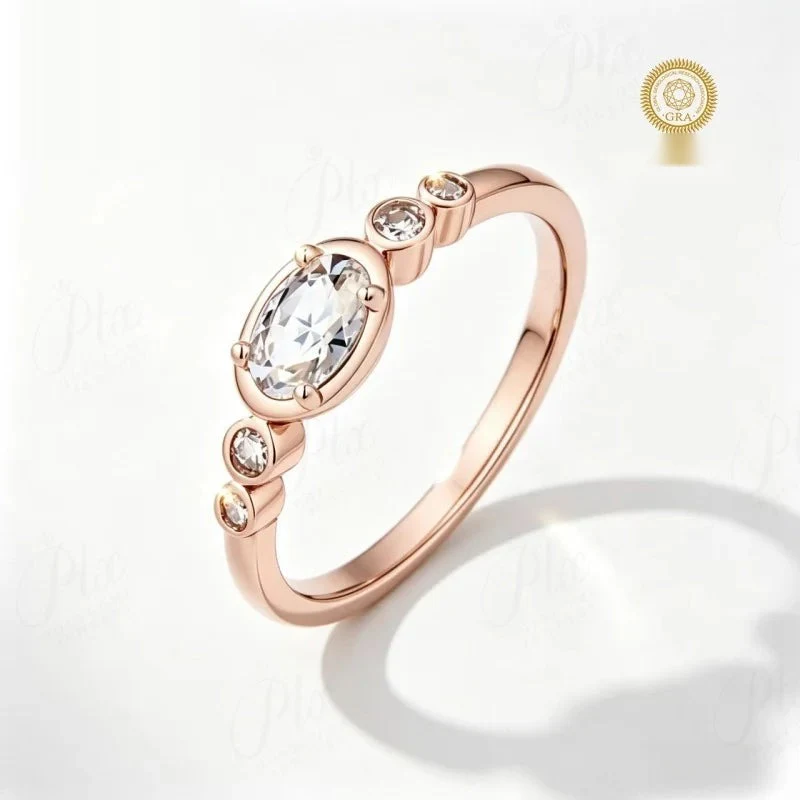
The hardest part of opening a boutique is not finding inventory. It is choosing what to spend on first, because every dollar that goes into a display case is a dollar not on the shelf, and every dollar spent on decor is a dollar that cannot buy the pieces that actually sell. A planned launch keeps the opening lean and leaves room to buy what moves. Most new jewelers overspend on the storefront and underspend on the first order, then wonder why the shelves look empty three months in. This checklist is built to avoid that trap.
It assumes you are opening a small store focused on affordable silver and moissanite fashion jewelry, the kind of shop where studs start under thirty dollars and a few engagement rings anchor the back case. It is built for the owner who wants to open within a few months, not a full-service jewelry department.
1. Lock the location before the lease details
Foot traffic beats square footage. A smaller store on a walking street out-earns a larger one in a dead strip mall, because jewelry is a purchase people make when they are already out and in the mood to browse. Look at how many people pass at 5 pm on a weekday, not on a Saturday when the whole area looks busy. Proximity to cafes, salons and clothing boutiques matters more than parking, because your best customers are people who wandered in while doing something else. Negotiate a few months of rent abatement for build-out; most landlords will agree if you ask.
2. Paperwork and trust signals
You will need a business license, resale certificate, sales-tax permit, and liability insurance before you unlock the door. For a jewelry store, insurance is not optional: a single theft claim can close a young business before it finds its feet. Get a proper safe bolted to the floor, and a camera system visible from the street. Buyers who walk in and see security feel the merchandise is worth protecting, which raises their willingness to spend. This is cheap trust, and it pays for itself in the first month.
3. Start with a tight opening inventory
Do not buy wide. Buy deep in the categories that move. For a silver fashion store, that means everyday studs, stackable rings, charm bracelets and pendant necklaces. A supplier with a low minimum order lets you test twenty styles before betting on two hundred, which is exactly the posture a new store should take. Price tiers should be simple: a wall of impulse pieces under $30, a mid tier from $30 to $80, and a small case of signature engagement and promise rings above that. Most first-time buyers will hover in the middle tier, so stock it deepest.
4. The case and the lighting
Lighting sells more than the jewelry itself. Warm, high-CRI LED strips inside the cases make moissanite and silver glow; flat overhead fluorescents make everything look like costume, no matter how nice the piece is. Spend here before you spend on wallpaper or decor. Read our notes on jewelry photography, because the same color-temperature rules that make product shots pop apply to a glass case, and a case that looks like a catalog will sell like one.
5. POS and the follow-up
A card reader that asks for an email at checkout is your cheapest marketing hire. Build the list on day one, because repeat buyers in a boutique are worth far more than walk-ins. A simple email that says your silver piece should be polished once a season turns a one-time sale into a relationship, and it gives you a reason to reach out without sounding salesy. Track the email capture rate on the receipt screen; a store that captures a third of its buyers will be mailing to hundreds of people by the end of the first year.
The first month is for learning
The first month is not about profit. It is about learning. Spend it watching who walks in, what they pick up, and what they put back without buying. A shopper who tries on five rings and leaves is telling you something about price, sizing or finish. A shopper who asks for a style you do not carry is telling you exactly what to reorder. Track these quietly on a notepad behind the counter, because they are worth more than any business plan you wrote before signing the lease. Staff yourself lightly at first, because two bored associates can make a small store feel awkward, and bring on extra hands only when the foot traffic genuinely justifies it.
6. The opening week
Invite the neighbors, not just your friends. Local business owners bring steady referrals, because they send customers your way and you send yours back. Run one simple promotion, like a free polishing cloth with any purchase, and keep the display clean and sparse. A crowded case reads cheap; a curated case reads expensive, even when the price tags are the same. Open small, watch what people actually touch, and reorder that first. The boutiques that last are the ones that bought less on day one and learned faster in the first ninety days.
For third-party reference, the Wikipedia article on moissanite details moissanite’s discovery, optical properties and use in jewellery.
Frequently Asked Questions
How do I verify a factory before placing a bulk order?
Request a production video, business license, export records and a paid sample run. A factory that accepts a 50-piece test order is usually a real manufacturer.
What payment terms do you offer?
30% T/T deposit with the balance against the bill of lading. This protects both sides on first orders and can move to net terms after a track record.
What is your normal reject rate?
3–5% under 10x loupe inspection for cast and set pieces. Defective units are replaced free in the next shipment.
Where is the factory located?
Wuzhou, Guangxi, China—the core lab-grown and moissanite manufacturing cluster. Shipments go via Guangzhou or Shenzhen ports.