Office dress codes have loosened, but jewelry still sends a message. A polished, considered choice says you pay attention to detail. A loud, clattering choice can undermine it, especially when you are on camera or in a client meeting. Sterling silver is the ideal office metal for exactly this reason. It looks clean, it photographs well under conference room lighting, and it does not read as flashy. The goal is to build a small capsule of work-appropriate pieces that coordinate with everything in your closet and survive a long day.
Start with the earring. Studs are the default for a reason: they sit close to the ear, do not swing when you turn your head in a meeting, and never click against a phone headset. Small sterling silver studs, a single tiny moissanite, or a plain ball stud all work across industries. Hoops can work too, but keep them medium and thin. Large hoops or long drops belong at dinner, not at the quarterly review. If your ears are sensitive from years of cheaper costume earrings, solid silver studs are worth the switch; our note on hypoallergenic silver for sensitive skin explains why.
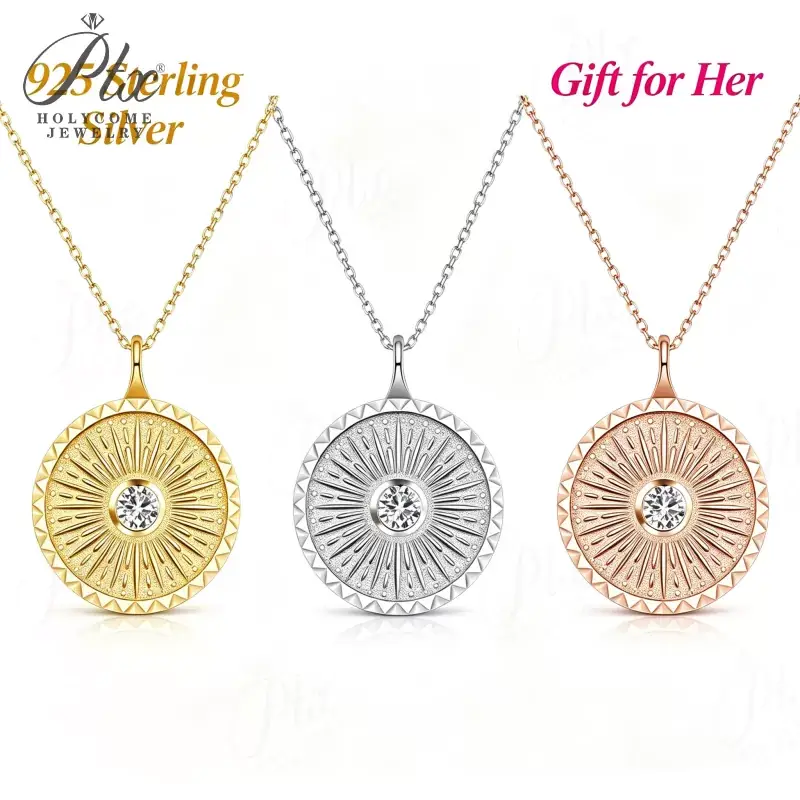
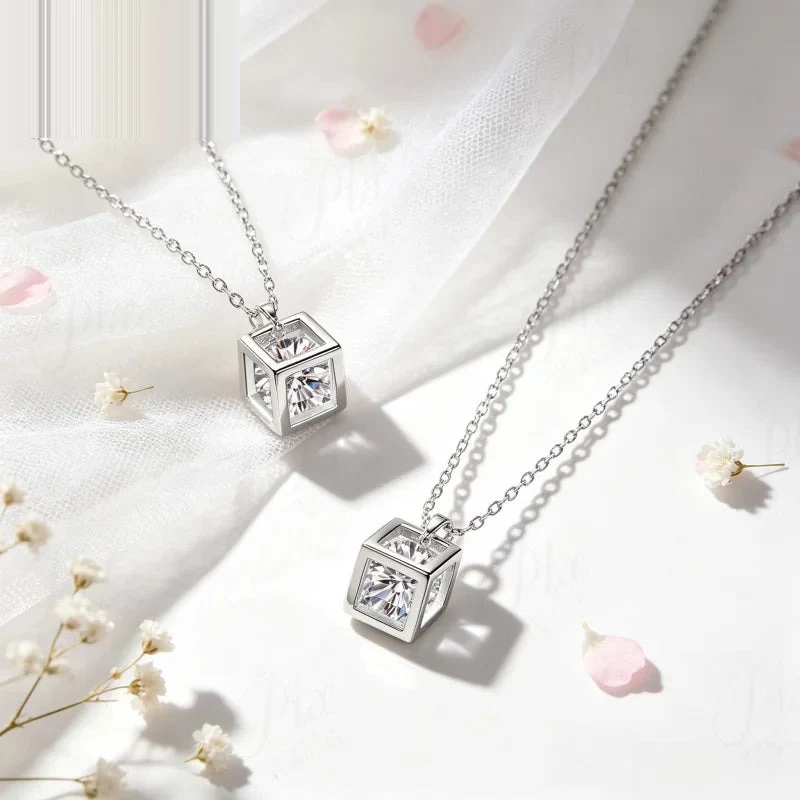
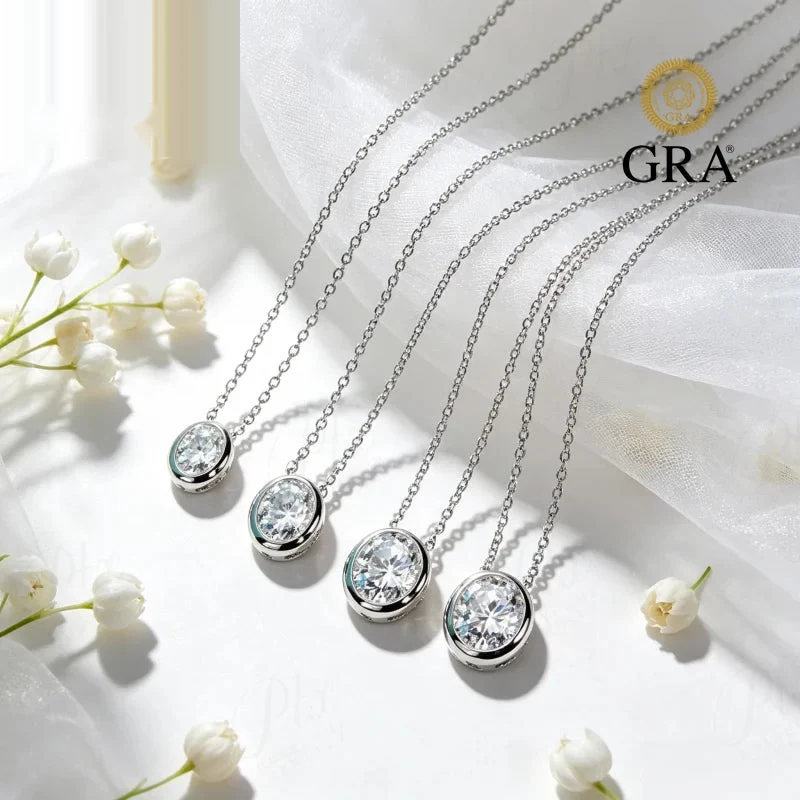
Necklaces should follow your neckline. A simple pendant at the collarbone, or a thin chain worn solo, reads as put-together under a blazer. Avoid anything that jingles or sits so low that it distracts during video calls. On camera, a mid-length chain catches light nicely and frames the face, which is genuinely useful on a Zoom screen where half your chest is in frame. Our guide to silver necklace lengths helps you pick the drop that works with crewnecks, collared shirts, and blouses alike.
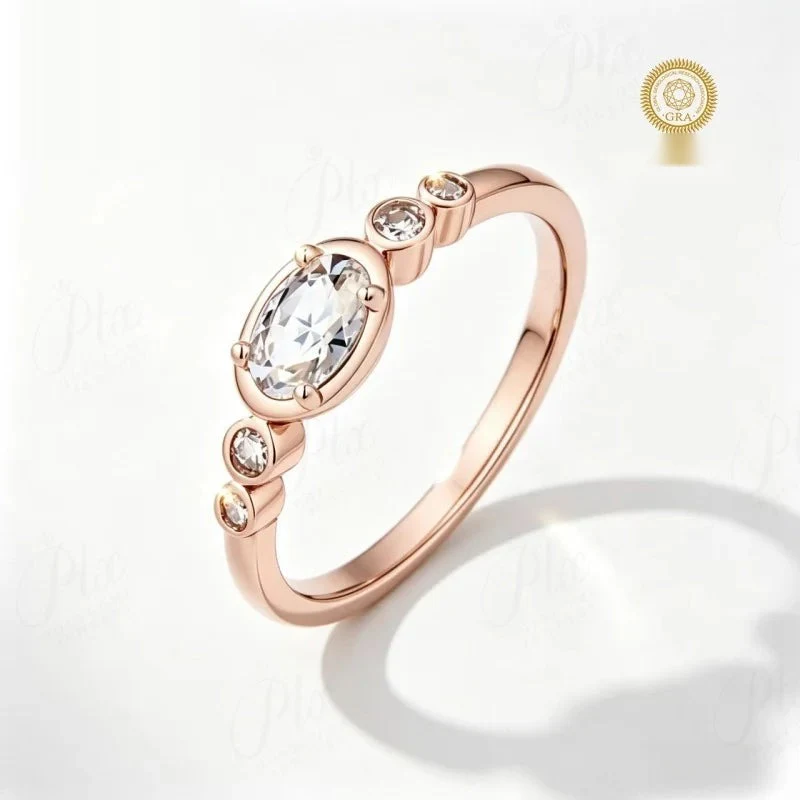
Rings should be quiet and comfortable. One well-made band, or a simple signet, looks intentional. Several stacked rings can read as distracting on camera, especially when you gesture while talking. Choose a band width that feels balanced on your hand; our piece on ring band width and finger proportions helps you avoid a band that looks either too bulky or too thin for your fingers. Skip anything that protrudes enough to click against a keyboard or a microphone.
Bracelets are where office jewelry most often goes wrong. A stack of bangles that clatters every time you type will annoy everyone on your team. If you wear a bracelet at work, choose a slim chain that lies flat, or a watch-style bangle that stays quiet. A thin silver bracelet worn alone, or paired with a simple watch, looks polished and professional. For men navigating the same question, our guide to pairing silver with watches covers the balancing act.
Think about your industry. In a law firm, finance, or a formal corporate environment, lean toward the quieter end: studs, a slim pendant, one ring. In creative fields, tech, or casual offices, you can add a little more personality, perhaps a textured ring or a small charm. The principle stays the same: jewelry should support your authority, not compete with it. When in doubt, choose less. You can always add a pair of larger earrings after work for dinner.
Video calls have changed office jewelry quietly but permanently. On camera, matte or heavily textured pieces can look flat, while polished silver and small faceted stones catch light favorably. That is one reason moissanite studs have become a workwear favorite: they give a subtle brightness without looking like evening jewelry. If you spend hours on calls, invest in two or three pieces that look good on screen and wear them on rotation.
Interview dressing deserves a quick note. For a first meeting, choose the quietest pieces you own. A single pair of studs and a slim pendant read as confident and put-together without distracting from what you are saying. Save the statement earrings and stacked rings for when you already work there. The person across the table should remember your answers, not your jewelry.
Building the capsule takes one afternoon. Start with what you already wear most. If you live in button-downs, add a slim pendant and small studs. If your wardrobe leans toward turtlenecks and blazers, a pair of medium hoops and a textured ring may be more useful. The point is not to buy everything at once. Pick two or three pieces that work with eighty percent of your closet, then rotate. When you stop deciding what to wear, mornings get faster and the jewelry stops feeling like an afterthought. That is the quiet benefit of a professional capsule: it removes a small daily decision so you can focus on the work itself.
Durability matters because office pieces get worn constantly. Solid 925 sterling silver handles daily wear far better than plated fashion jewelry, which can chip or discolor with handwashing and hand sanitizer. Keep a polishing cloth at your desk and give pieces a quick wipe on Friday. A little routine care keeps silver looking fresh without effort. The result is a small set of go-to pieces that make getting dressed in the morning faster and make every meeting feel a little sharper.
The 92.5% silver composition and properties of sterling silver are described in the Wikipedia entry on sterling silver.
Frequently Asked Questions
How do I prevent sterling silver from tarnishing in storage?
Use anti-tarnish bags with a sulfur absorber, keep humidity under 60% and avoid paper wrapping. Rhodium plating adds a further barrier on high-turn SKUs.
Is rhodium plating worth the added cost?
Yes for display and gift lines. It resists tarnish for 12–18 months and keeps shelf pieces bright, which reduces markdowns.
What purity do you supply?
925 sterling silver, stamped and hallmarked. Fine silver (.999) is available for beads and bullion-style pieces.
What is the MOQ and lead time?
50 pieces per design, samples 3–5 days, bulk 15–20 days.