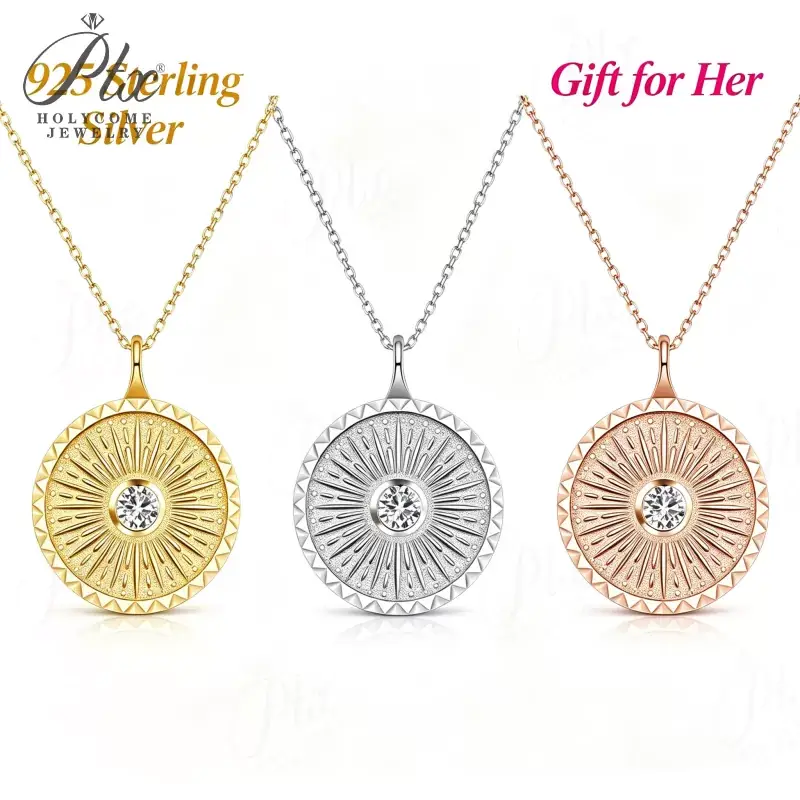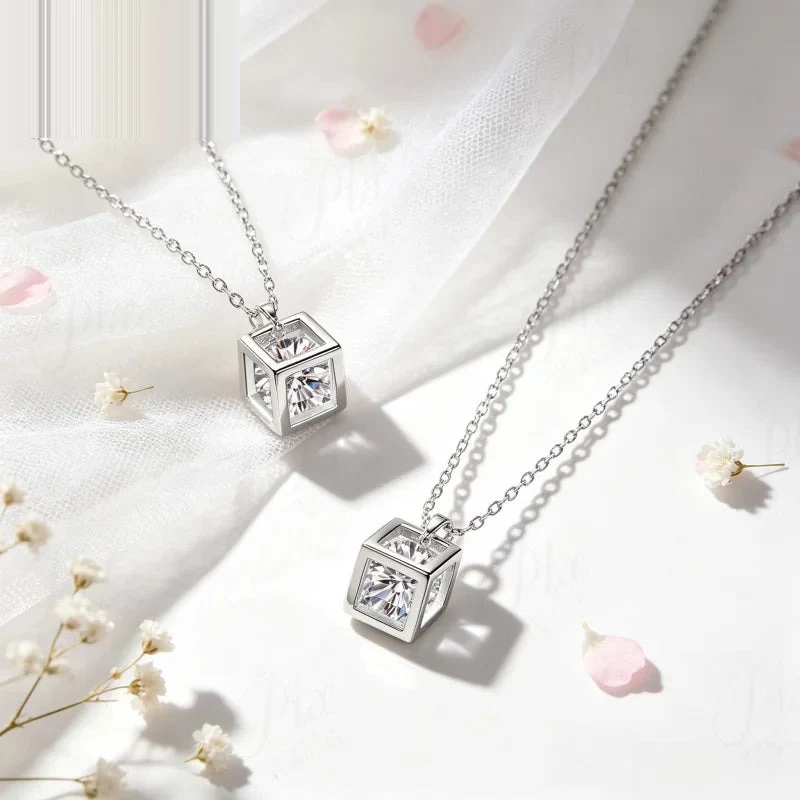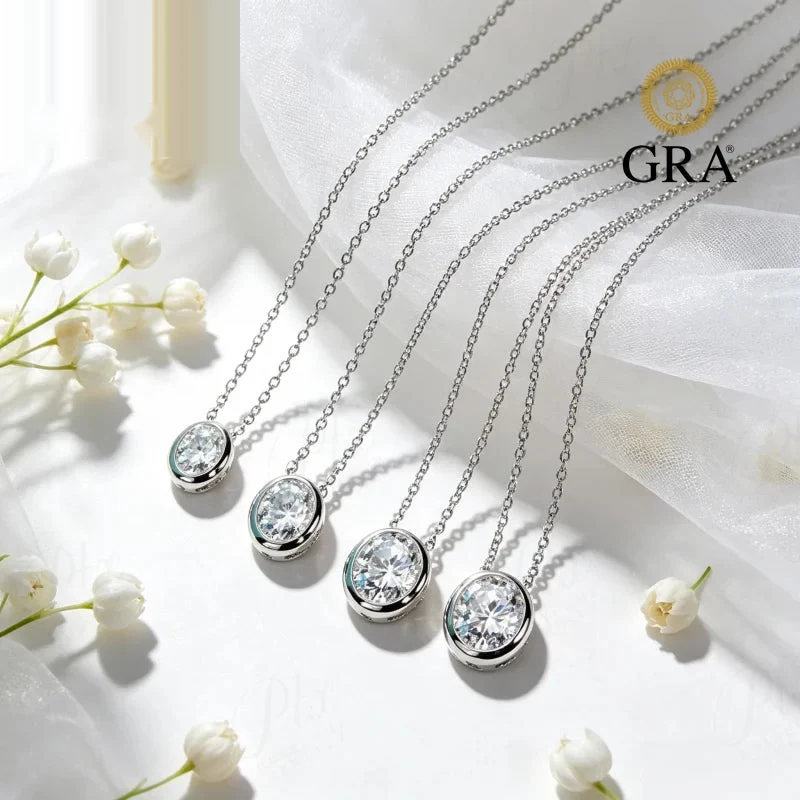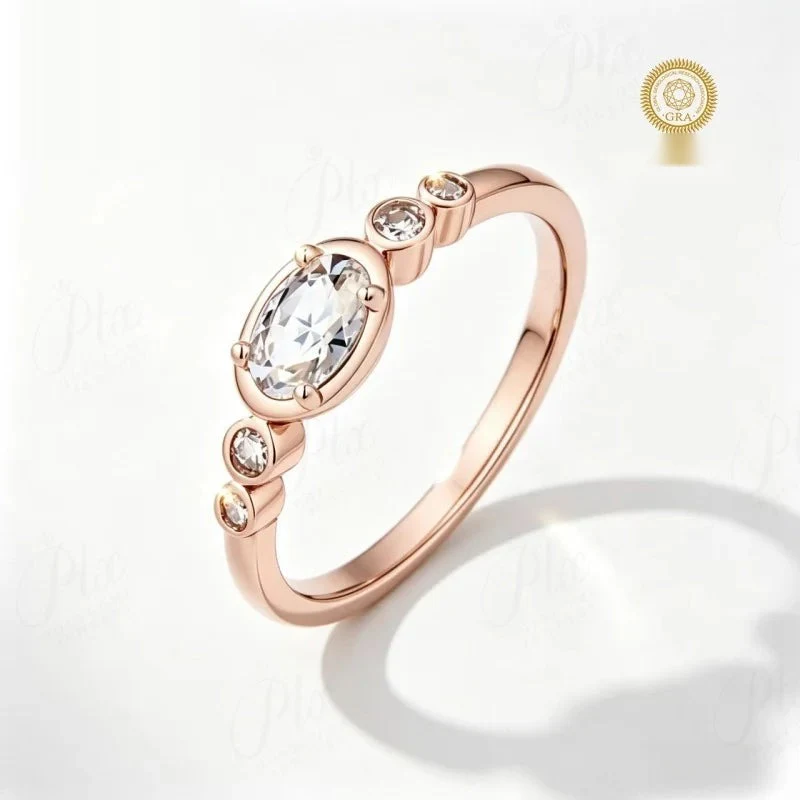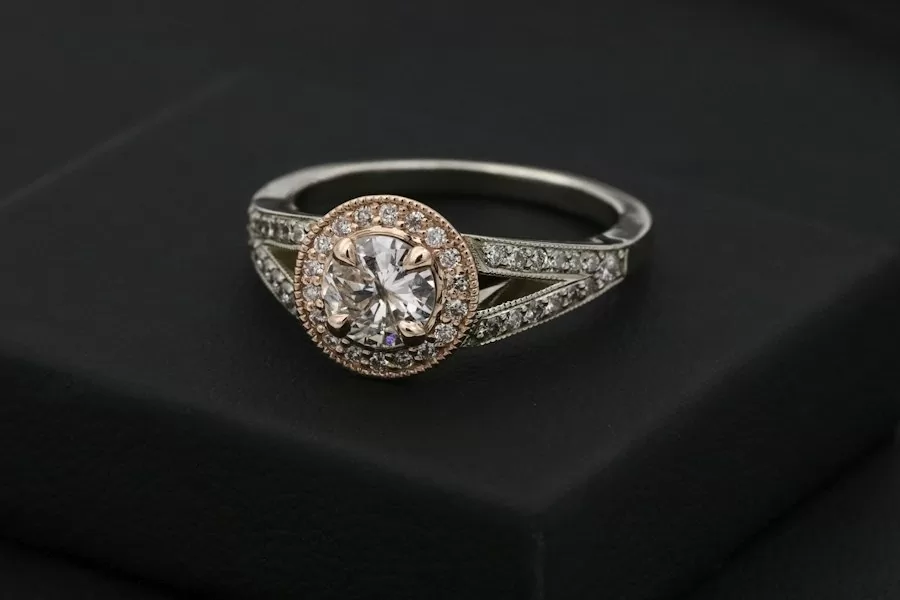
If you sell sterling silver (ISO 925 sterling silver standard) jewelry and you do not offer engraving, you are leaving margin and loyalty on the table. Engraving turns a ring, bracelet, or pendant from a nice object into something tied to a name, a date, or a private joke. That emotional jump is exactly why customers pay more, wait longer, and rarely comparison-shop afterward. The upside is real, but engraving is also the kind of service that creates headaches if you run it loosely, because once a date is etched in, it cannot be undone.
The economics are friendly. A typical engraving charge runs from a few dollars to a couple of dozen depending on length and font, while the actual cost in machine time and labor is a fraction of that. On top of the direct fee, engraving raises the average order value by pushing customers toward higher-quality base pieces, because a ring you plan to engrave feels worth upgrading. This is the same logic that powers personalized jewelry growth; the customization is the reason the customer buys, not an afterthought.
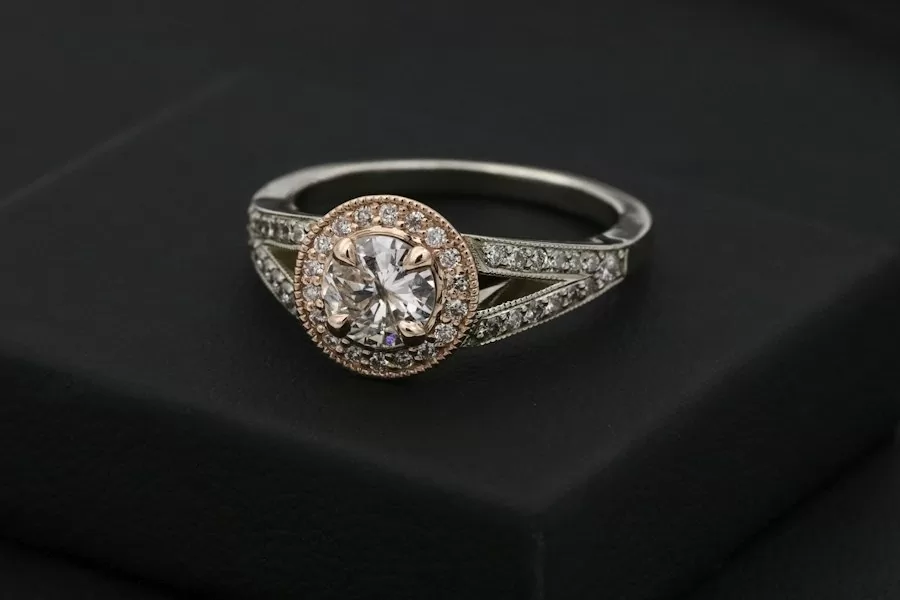
Decide early what you will and will not engrave. Ring inner bands, pendant backs, bracelet bars, and disc charms are straightforward. Thin chains and very narrow bangles are hard to engrave cleanly and should be excluded. Moissanite settings need care: engraving near a stone risks damage, so keep text on the opposite side of the band. If you already sell engraved ring personalization ideas to shoppers, you already know the formats people love: names, Roman numeral dates, coordinates, initials, and short inside jokes. Offering those as presets reduces typos.
Set your turnaround honestly. Engraving adds processing time, usually one to three business days beyond shipping, and that must be visible at checkout. Surprise delays are the top complaint for personalized orders. A small "engraved items ship in 3 to 5 days" note saves dozens of support tickets. If a customer is ordering a gift, remind them of the timeline at checkout, because gift timing anxiety is real and preventable.
The non-returnable policy is the part to state loudly. Once you engrave a piece, you cannot restock it, so clearly mark engraved items as final sale. This protects you, but it also means your order process must catch mistakes before the machine does. Build a confirmation step: show the exact text, capitalization, and font back to the customer before engraving, ideally with an email they must review. A single confirmation screen eliminates the majority of "I spelled it wrong" disasters.
Tools depend on scale. Small operations often outsource engraving to a local jeweler while they test demand. Once volume justifies it, a decent entry-level laser engraver pays for itself quickly and gives you full control over fonts and turnaround. Keep a few proven fonts rather than offering endless choices, because unlimited options slow production and increase errors. Pair the service with clean product photography, showing a close-up of engraved script so buyers see the quality. This is the same visual discipline that makes jewelry product photography convert; a blurred engraving shot sells the service short.
Price engraving as an upgrade, not a freebie. Offer a few tiers: a short internal-band engraving included at no charge to drive adoption, a longer text or a script font for a modest fee, and a custom logo or handwriting option at a premium. Tiers nudge customers toward the higher-margin option while making the free tier feel generous. Show a few example engravings in your product photos so buyers can picture their own text. Seeing real examples of script, Roman numerals, and coordinates removes the "what do I even write?" hesitation that stops many custom orders.
Handle mistakes with grace even with a confirmation step. If an engraving error slips through on your side, remake the piece quickly and ship a return label; the cost of one remake is nothing compared to a public review about broken trust. If the error is the customer's, your clear final-sale policy protects you, but a goodwill discount on a reorder keeps the relationship. Engraving is emotional by nature, so the way you handle the rare problem becomes a story customers tell, for better or worse. Fast, honest fixes turn one glitch into a loyal fan.
Promote the service in the right places. Feature an "add engraving" option on product pages for rings, bars, and discs, and mention it in order confirmation emails and gift-focused campaigns. Customers rarely remember to ask unless you put the option in front of them. A one-line suggestion at checkout, such as "Make it personal with engraved initials," converts a meaningful share of orders without any hard sell.
Done well, engraving becomes a brand signature. Customers remember the shop that helped them engrave an anniversary date or a child's name, and they return for the next milestone. Done poorly, it becomes a stream of return requests and bad reviews. The difference is almost entirely in the confirmation step, the timeline honesty, and knowing which pieces are safe to engrave in the first place.
Frequently Asked Questions
What ring sizes can you supply in bulk?
US sizes 5–12 including half sizes. Send a size breakdown with your order and we cast to that curve; comfort-fit inner bands reduce resize requests.
Can I order a mixed size run instead of one size?
Yes. Mixed runs are standard for wholesale: specify quantity per size and we pack and label by size at no extra labor cost.
What is the MOQ for custom ring designs?
50 pieces per design for existing molds; 100–300 pieces when a new mold or CAD model is required.
How should I price rings for retail margin?
Most partners use a 3–4x markup on FOB cost for sterling and 2.5–3x for moissanite solos, which keeps landed cost under 30% of retail.