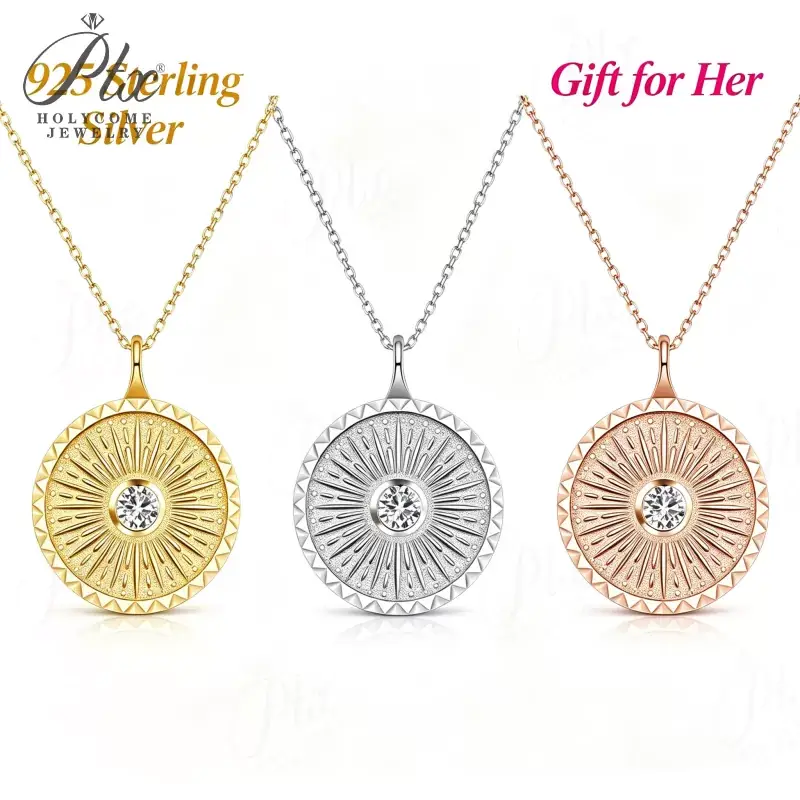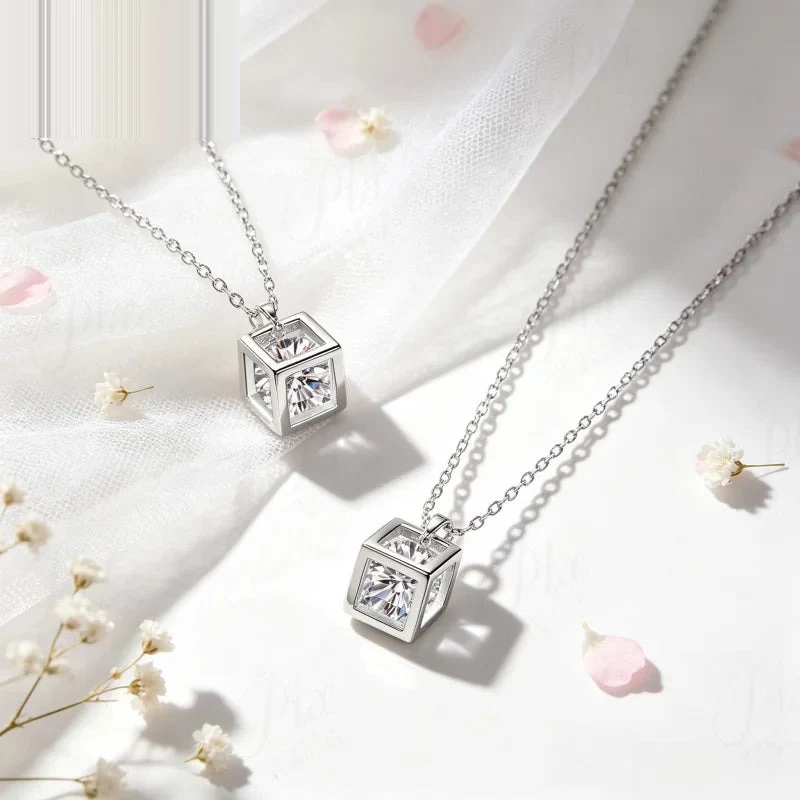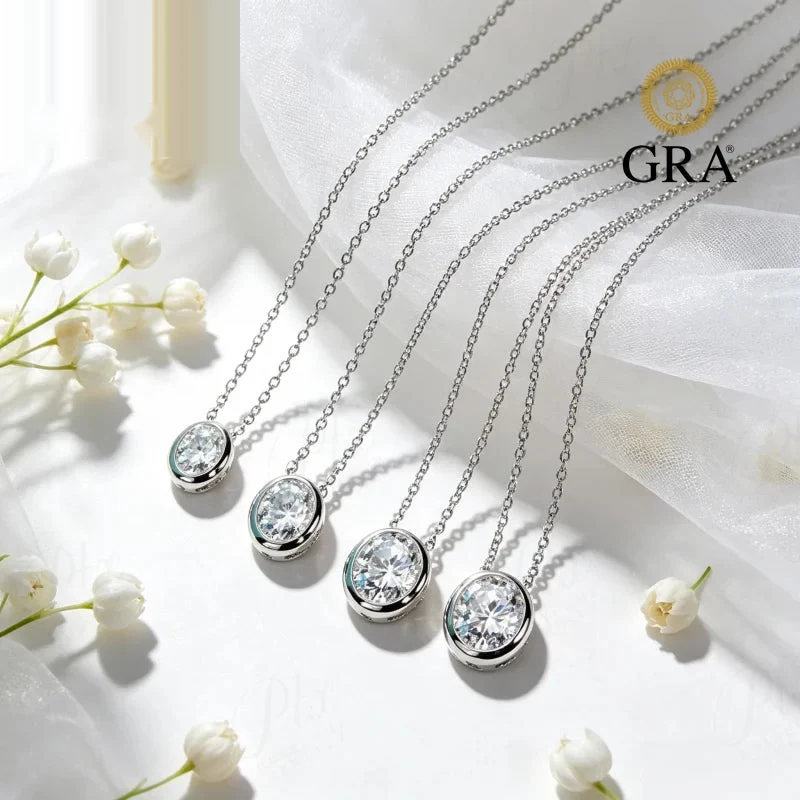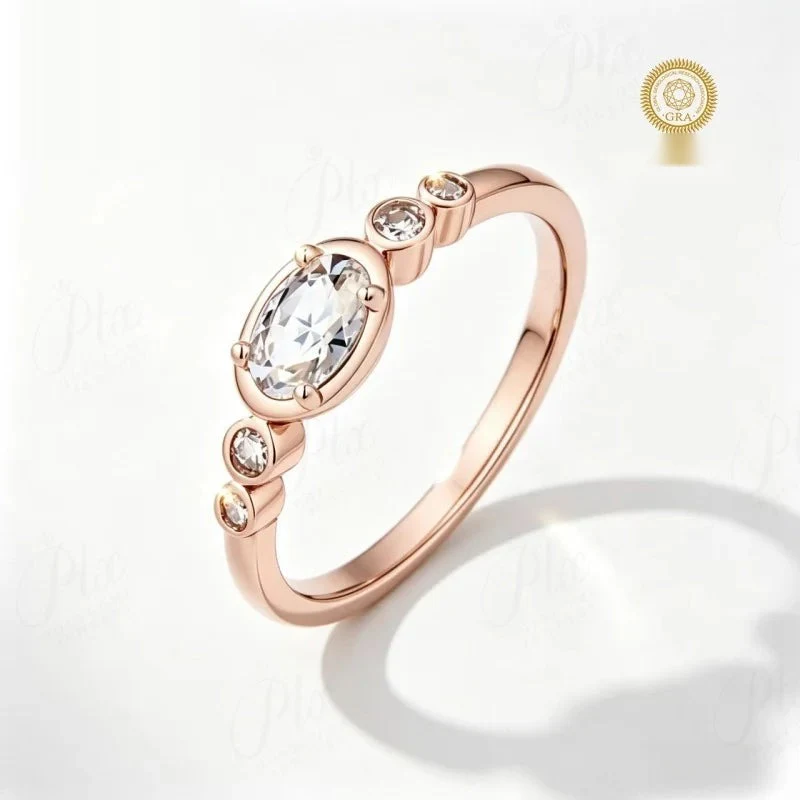
Moissanite is a brilliant, durable, affordable gemstone with a genuine story. It does not need to be disguised as something else to sell. Yet sellers constantly sabotage themselves with sloppy wording, calling it a "real diamond," a "natural stone," or implying it was mined. Those phrases get listings removed, ad accounts restricted, and customers furious the moment they learn the truth. Honest marketing is not a limitation for moissanite; it is the thing that makes repeat buyers trust you.
The core rule is simple: name it what it is. Moissanite is a lab-created, simulated gemstone that looks similar to a diamond but is its own material. Saying "diamond alternative," "diamond lookalike," or "a diamond-like brilliance" is accurate and compelling. Saying "real diamond" or "natural" is false. The distinction matters to regulators and marketplaces, and it matters to shoppers who increasingly research before they buy. A buyer who feels tricked leaves the kind of review that costs you years of sales.
Be upfront about the optical differences too. Moissanite has more fire, meaning more rainbow flashes, than a diamond, and under some lights it can read slightly more colorful. That is a feature, not a flaw, and disarming it early builds trust. If you explain that moissanite in natural light has its own sparkle character, you set expectations that match reality. Shoppers who know what to expect keep the ring; shoppers promised "exactly like a diamond" return it.
Certification claims need the same care. Moissanite is commonly assessed with lab reports such as GRA certificates, but it is not graded like a diamond by the major diamond labs in the same way. Do not claim diamond-standard grading unless you can produce the exact document. Explain certificates accurately as proof of stone dimensions, cut, and carat equivalent. This mirrors the honest approach behind moissanite certification explanations: the report supports the sale, it does not replace the truth.
Price messaging should stay grounded. You can say moissanite offers "the look of a diamond at a fraction of the cost," which is true and effective. Avoid claims like "as valuable as a diamond" or "a great investment," because moissanite, like most fashion gems, holds little resale value and implying otherwise misleads buyers about what they are purchasing. Position it as beautiful, wearable jewelry, not an asset, and your customers will not feel let down later.
Platform rules are stricter than ever. Marketplaces and ad networks routinely review jewelry claims around "diamond," "real," and "natural." If your product title packs in "real diamond" or "genuine diamond" to chase search traffic, you risk suspension. Use the right keywords instead: "moissanite," "diamond alternative," "simulated diamond," "lab-created." These terms attract buyers who already understand the category, which means higher conversion and fewer angry returns. Pair that clear labeling with strong content about moissanite versus cubic zirconia, because educating shoppers on why moissanite beats CZ sells the product on quality, not deception.
Let customer reviews carry the comparison. Instead of you calling moissanite "as good as a diamond," let a verified buyer say "I compared it side by side with my sister's diamond and couldn't tell." That voice is far more persuasive and far less risky than your own claim. Encourage honest reviews that mention both the sparkle and the difference, because balanced reviews build credibility. A page that only says "perfect, looks real" reads suspicious; a page that says "beautiful, slightly more rainbow flash than a diamond, and I love that" reads trustworthy.
Align your return policy with your honesty. If you set clear expectations, a generous return window actually costs you less, because buyers who know what they are keeping do not return it. Explain the care requirements, the stone character, and the metal composition up front, and you will spend less on reverse logistics and support. The sellers who struggle the most are usually the ones who overpromised in the listing and then fielded a flood of "this isn't what I expected" tickets. Honesty in copy and honesty in returns are the same strategy, working together.
Teach your customers the vocabulary so they can explain you to their friends. Shoppers who understand that moissanite is lab-created, durable, and diamond-like become confident recommenders, and confident recommenders are worth more than any ad. A short, honest education section on your site turns buyers into advocates without a single inflated claim. The category grows fastest when sellers compete on clarity and quality, not on disguising what the stone is.
The long game is trust. Moissanite buyers tend to become moissanite fans, and they tell friends. A seller who is honest up front, who shows real photos, who explains the stones, and who stands behind quality earns a customer for life. The seller who masks moissanite as diamond gains one sale and a bad reputation. In a category where social proof and word of mouth drive growth, the honest wording is not just the safe choice; it is the most profitable one.
The Gemological Institute of America’s gem encyclopedia is an authoritative, widely cited reference on moissanite and diamond quality factors.
Frequently Asked Questions
Is moissanite a good diamond alternative for retail buyers?
Yes for price-sensitive customers who want brilliance and hardness. Moissanite ranks 9.25 on the Mohs scale, holds up to daily wear and costs a fraction of a natural diamond of the same size, so it resells fast in bridal and fashion lines.
What is the minimum order for wholesale moissanite?
MOQ starts at 50 pieces per design for stock items. Custom cuts and private-label settings usually start at 100–300 pieces depending on the mold.
Do you provide certificates with moissanite stones?
Yes. Every parcel ships with GRA or IGI documentation listing carat weight, color grade and cut. We recommend passing the certificate to your end customer for trust.
How long does sample and bulk production take?
Samples ship in 3–5 days. Bulk runs take 15–20 days under 500 pieces, and 25–30 days for custom work.