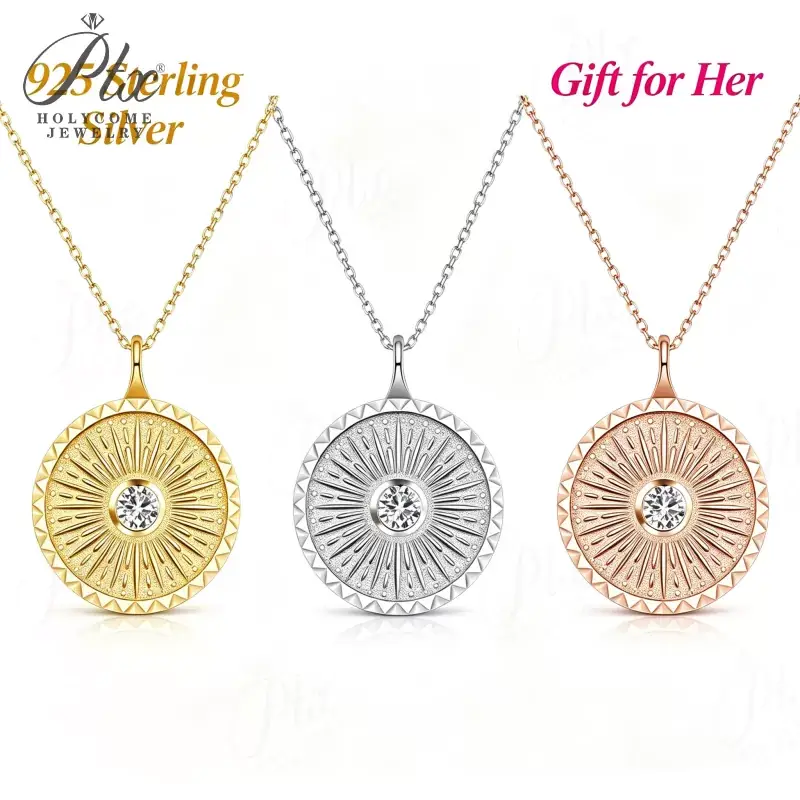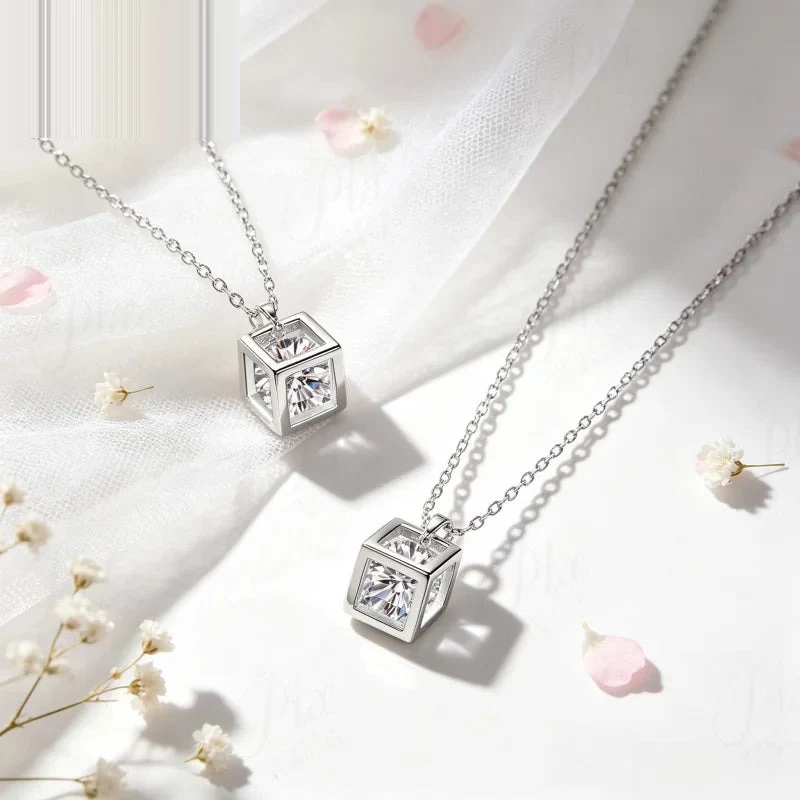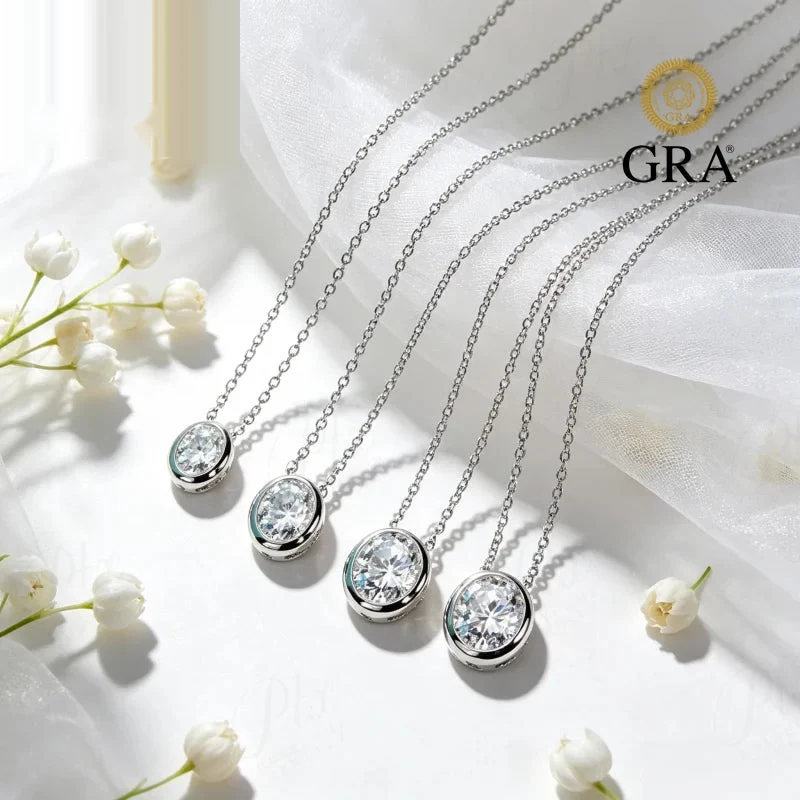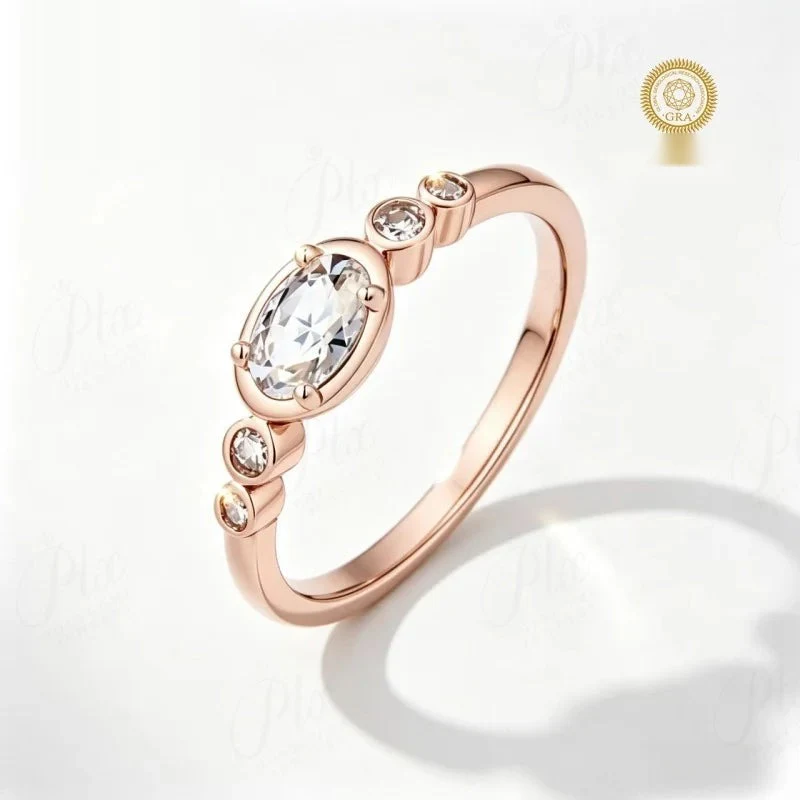
The subscription box era was supposed to turn every product into a recurring monthly delivery. Food, cosmetics, socks, and books all built businesses on the model. Jewelry was a natural candidate, yet very few jewelry subscription boxes became household names. The idea is attractive because recurring revenue makes cash flow predictable. The reality is that jewelry has a churn problem, and the brands that succeed plan around it from day one. Here is an honest look at the model, the math, and whether it fits your silver and moissanite brand.
How the model works
A jewelry subscription asks customers to pay a flat monthly or quarterly fee in exchange for a curated piece or a small set. The pitch is discovery: subscribers get something new to wear without choosing it themselves. Charm and dainty silver categories fit this well, because customers enjoy building a collection one piece at a time. Our charm bracelet collection guide describes exactly this incremental, add-one-more behavior. The appeal is obvious. Predictable monthly billings make forecasting easy.
The churn problem nobody advertises
Here is the catch. Most people do not want a new piece of jewelry every single month. Unlike food or cosmetics, jewelry is not consumed, so a subscriber who accumulates ten pieces starts feeling like she owns enough. Churn spikes after the third or fourth box. High churn means you are constantly spending to replace canceled subscribers, which eats the margin. The brands that survive offer quarterly cadences, flexible skip options, and tiers that feel like curation rather than clutter.
The unit economics have to work
Do the math before you launch. If a box sells for thirty dollars a month, your cost of goods, packaging, shipping, and payment fees cannot swallow most of it. Jewelry sits in a sweet spot: 925 silver and moissanite pieces can be sourced affordably at volume, which leaves room for margin. That affordability is exactly why our wholesale moissanite silver guide emphasizes low-Moq sourcing. Keep the box price high enough to cover the piece plus fulfillment, and low enough that customers do not hesitate. Thin margins here kill the model.
Packaging and unboxing are half the product
Subscription customers are buying the ritual as much as the jewelry. The box, the card, the reveal moment all matter. This is where your brand lives between shipments. Invest in clean packaging that photographs well, because subscribers will post their unboxings. Our guide to jewelry packaging expectations covers what customers associate with a premium delivery. A beautiful box also reduces refunds, because the experience feels worth the price.
Use the box as a funnel, not just a product
The smartest subscription brands treat recurring boxes as a customer-acquisition channel. A subscriber who loves one piece will buy a higher-priced item from your main collection. The box introduces customers to your aesthetic at a low commitment, then your email list and customer service turn them into full-price buyers. That is how you offset churn: the recurring product feeds the one-time sales. Pair this with the tactics in our guide to customer retention to keep those relationships alive.
Who should and should not try it
A subscription box suits a brand with a cohesive, dainty, or charm-driven aesthetic and reliable low-Moq sourcing. It is a poor fit if your catalog is high-tempo or one-of-a-kind, because subscribers expect consistency. Start small: a quarterly charm box with a waitlist, test the churn rate for a few months, and only scale once you see renewal numbers you trust.
How to slow the churn with better curation
The brands that keep subscribers longest treat each box like a small surprise rather than a random drop. Theme the seasons around moods, milestones, or building a specific look, so customers feel they are collecting a coherent set instead of accumulating random pieces. Offer a short style quiz so the box matches her taste, and give subscribers a skip or pause button. Flexibility feels generous, and it actually reduces cancellations because people do not feel trapped. A subscriber who can pause for a month is a subscriber who comes back.
Price psychology also matters. A box that feels too cheap looks cheap, and a box that feels too expensive triggers immediate cancellation. The sweet spot sits between the impulse buy and the serious purchase, where the customer feels she is getting real 925 silver value without debating the decision. Always include a small card explaining the piece and how to wear it. That extra touch raises perceived value and gives subscribers something to talk about on social media, which is free acquisition you do not have to pay an influencer for.
A jewelry subscription box can build recurring revenue, but only if you respect the churn problem. Price the box to cover the piece and fulfillment, make unboxing part of the product, and use the recurring relationship to feed full-price sales. Done carefully, the box becomes your most loyal customer pipeline. Done carelessly, it becomes an expensive churn machine.
Independent background on moissanite — how its hardness and refractive index compare with diamond — is documented in the Wikipedia article on moissanite.
Frequently Asked Questions
How do I verify a factory before placing a bulk order?
Request a production video, business license, export records and a paid sample run. A factory that accepts a 50-piece test order is usually a real manufacturer.
What payment terms do you offer?
30% T/T deposit with the balance against the bill of lading. This protects both sides on first orders and can move to net terms after a track record.
What is your normal reject rate?
3–5% under 10x loupe inspection for cast and set pieces. Defective units are replaced free in the next shipment.
Where is the factory located?
Wuzhou, Guangxi, China—the core lab-grown and moissanite manufacturing cluster. Shipments go via Guangzhou or Shenzhen ports.