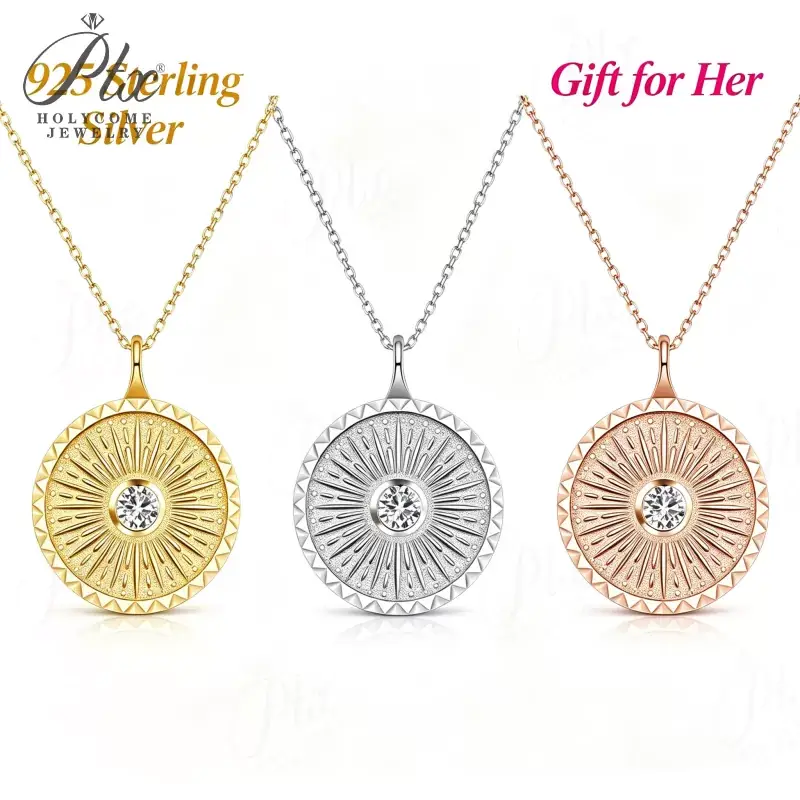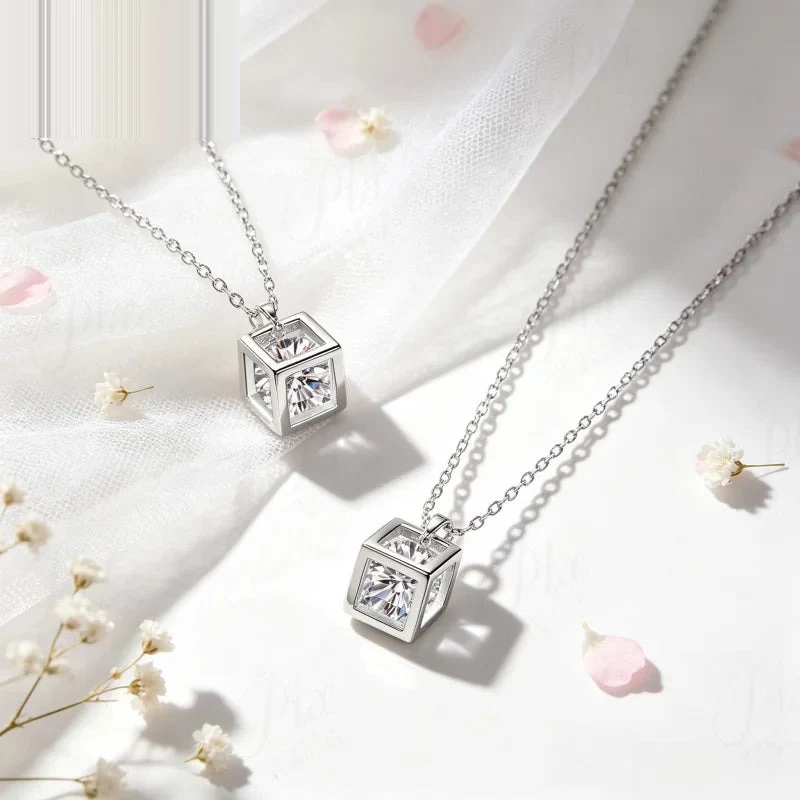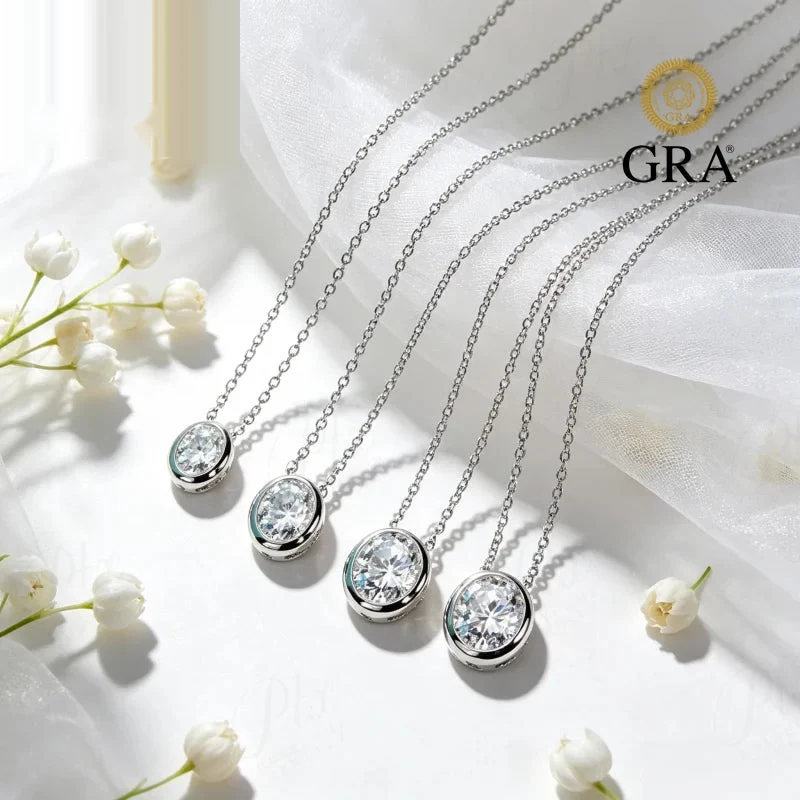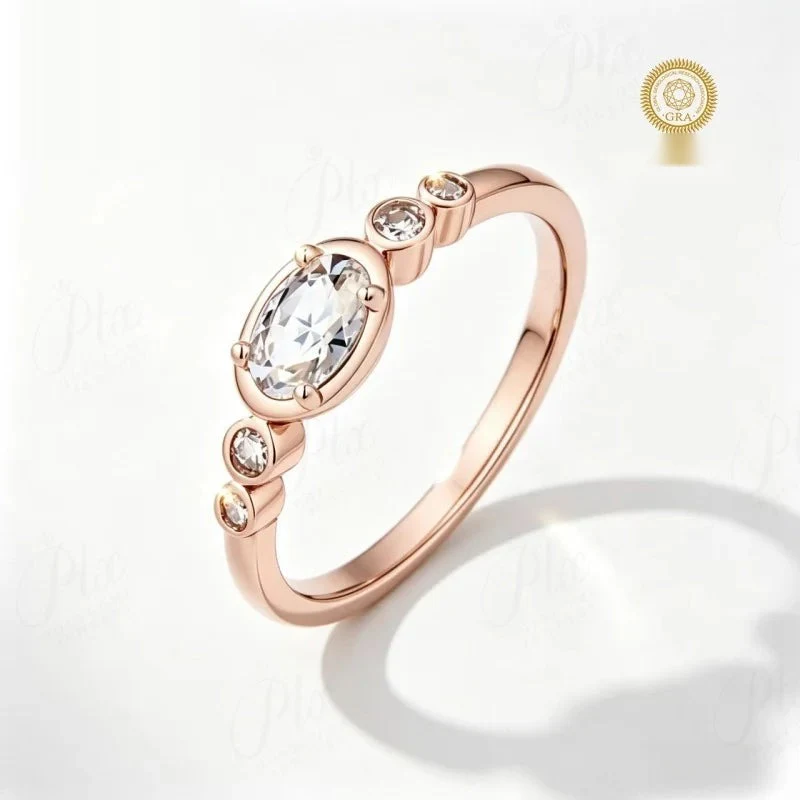
Most silver jewelry retailers think of themselves as sellers. They buy stock, price it, display it, and move it. The shops that quietly outearn their competitors do something else: they fix things. Offering jewelry repair is one of the most underused margin levers in a small accessories business, and it pairs naturally with sterling silver and moissanite pieces.

Why repair is better than a new sale
A new sale ends when the customer leaves. A repair starts a relationship. Someone who drops off a broken clasp is in your store again in a week to pick it up, and while they are there they look at the new arrival case. Repair customers also trust you with pieces they already own, which makes them far more likely to buy gifts from you later. The service itself carries high margin because the labor is yours and the parts are cheap.
The simple services that pay off
You do not need a full bench to start. A handful of common repairs covers the bulk of demand: clasp replacement on chains and bracelets, soldering a broken ring shank, re-tipping loose prongs, restringing beaded pieces, polishing, and rhodium plating refresh. Earring backs and posts are another steady stream. These jobs are quick to learn, low-cost in materials, and customers will pay comfortably above part cost. For moissanite pieces, prong re-tipping and stone tightening are natural upsells to existing buyers.
Turn repairs into repeat sales
Frame the repair conversation around the piece's future. When a customer brings in a tarnished silver chain, clean it, fix it, and mention that regular care keeps it wearable for years. Hand them a small care cloth with the returned piece. That gesture costs pennies and turns a transaction into a memory. It is also the perfect opening for our customer care program approach, which your staff can mirror.
Pricing repairs without scaring people
The biggest mistake retailers make is being vague about price. Customers fear a $100 bill on a $40 necklace. Publish a small price list: clasp X dollars, polish Y dollars, prong check Z dollars. Transparency lowers the barrier to drop things off. You can always quote more for a complex job after seeing it, but the menu builds trust. For reference on pricing logic, our jewelry markup strategy applies the same way to services.
Repairs as a reason to message customers
Most shops stop talking to a customer after the sale. A repair program gives you a natural reason to reach out: "Spring is chain-season, bring in any broken pieces for a free prong check." That email is welcome, not spam, because it offers something useful. Tie it to anniversaries and holiday prep. Customers will schedule a drop-off before a wedding or a vacation, which puts them in the door at exactly the right moment to also buy.
What to outsource
Not every repair belongs on your bench. Stone replacement in high-value pieces, ring sizing down more than two sizes, and complex welding are usually better sent to a trusted local jeweler. Build a relationship with one. Mark up the job slightly for your time. The customer still gets a one-stop shop, you still earn a margin, and you avoid the learning curve on work that needs real equipment. For sizing questions customers ask, our ring resizing guide gives you the answers to hand them at the counter.
Common small jobs worth learning include closing a stretched jump ring, replacing a worn earring post, and giving a quick ultrasonic or dip clean. These take minutes once you have the tools, and customers perceive them as a favor that keeps them loyal. The trick is to offer them at the counter without being pushy; a quick "we can fix that while you wait" turns a walk-in into a relationship.
The care-cloth upsell
Small retail add-ons compound. Sell a polish cloth, a tarnish-prevent pouch, or a soft brush with every repair return. These are cheap to stock, perceived as useful, and they remind the customer how to care for the piece themselves. It also signals that you stand behind the jewelry you sell, not just the transaction.
Start small, grow with demand
You do not need to open with a full bench. Post a small repair menu, train one staff member on clasp replacement and polishing, and learn the rest as requests come. Within a season, repairs become a steady service line that cushions the slow months between holiday rushes. That is the quiet advantage the sellers never notice.
Selling jewelry moves inventory. Repairing it builds a shop. Both matter, but only one brings customers back for years.
Sterling silver terminology used in this guide follows the Wikipedia entry on sterling silver.
Frequently Asked Questions
What ring sizes can you supply in bulk?
US sizes 5–12 including half sizes. Send a size breakdown with your order and we cast to that curve; comfort-fit inner bands reduce resize requests.
Can I order a mixed size run instead of one size?
Yes. Mixed runs are standard for wholesale: specify quantity per size and we pack and label by size at no extra labor cost.
What is the MOQ for custom ring designs?
50 pieces per design for existing molds; 100–300 pieces when a new mold or CAD model is required.
How should I price rings for retail margin?
Most partners use a 3–4x markup on FOB cost for sterling and 2.5–3x for moissanite solos, which keeps landed cost under 30% of retail.