A ring that does not fit is a ring that never gets worn. Whether you sell online, at a booth, or through a wholesale catalog, sizing questions will dominate your inbox. The good news: sterling silver (ISO 925 sterling silver standard) resizes well. The nuance: not every silver ring can be resized cleanly, and telling a customer otherwise turns into an expensive repair job. Here is what you need to know before you promise anything.

Why silver resizes more easily than most metals
Sterling silver is soft enough to bend, cut, and solder, which makes it friendly to bench jewelers. Unlike titanium, tungsten, or some stainless steel pieces that cannot be sized at all, a plain silver band can usually be opened and closed by a professional. That is one reason silver is such a forgiving first ring for buyers and a low-friction product for sellers.
When resizing is simple
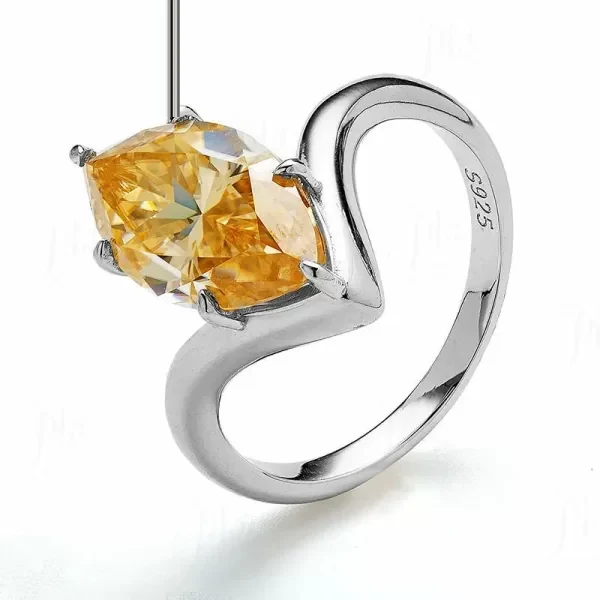
A thin, plain band with no stones, no engraving, and a continuous circle sizes beautifully. The jeweler cuts the shank, removes a small section to go smaller or adds a silver sliver to go larger, solders the seam, and polishes it out. On a simple band the repair is nearly invisible. If your catalog is mostly slim solitaires and smooth bands, you can confidently tell customers a local jeweler can adjust the fit. Pair that reassurance with the measurement advice in the 925 silver rings sizing and fit guide.
When resizing gets complicated
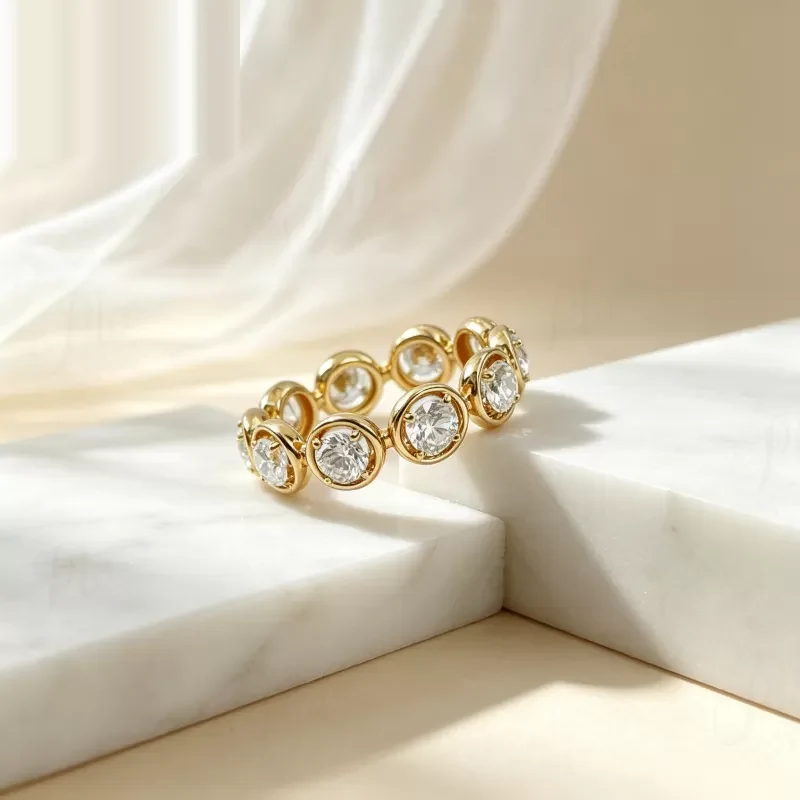
Several designs resist clean resizing. Wide bands change finger geometry in ways a simple cut cannot fix. Engraved or stamped messages along the shank can be distorted when the band is opened. Eternity bands or full-circle pave settings crack their stones when bent. Hollow or assembled rings split instead of stretching. Two-tone or plated silver rings lose their finish at the solder point. If a piece falls into any of these categories, be honest: offer an exchange or a made-to-order remake rather than promising a resize.
Up or down by how much?
Most simple bands tolerate about one full size up or down before the metal work becomes risky. A change of two or more sizes may require replacing the shank entirely, which can cost more than the ring itself. Set that expectation clearly. Buyers who bought a ring as a surprise are especially prone to guessing the size, so encourage them to borrow a current ring or use a printable sizer before ordering.
What about the stones?
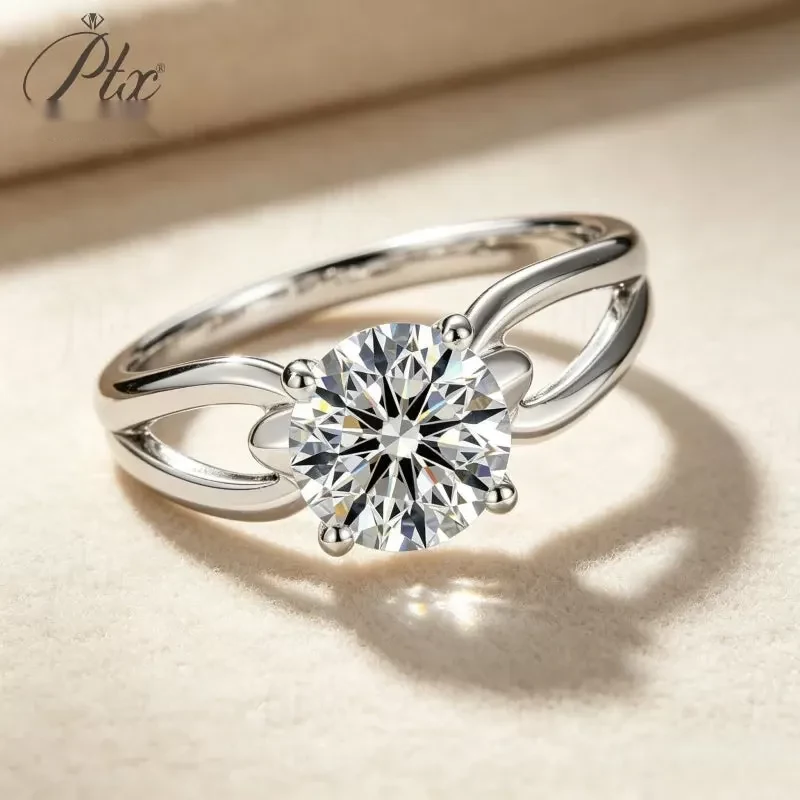
A moissanite or gemstone ring with a single center stone in a solitaire setting can usually be sized, but the jeweler must protect the stone from heat during soldering. Pave and channel-set rings are the exception. If a customer wants a stone-heavy band resized, route it to a bench jeweler rather than guessing. The care advice you give mirrors the gentle maintenance we cover in how to clean sterling silver rings.
Selling smarter so resizing rarely comes up
The best resizing problem is the one you prevent. Publish a sizing chart, show band widths, and note which rings cannot be resized on the product page. Offer half sizes where you can. A buyer who measures correctly the first time becomes a repeat customer; a buyer who has to mail a ring back becomes a support ticket. Small sellers who nail sizing early see return rates drop sharply.
The cost conversation, up front
Customers rarely ask how much a resize costs, but you should volunteer it. A simple band resize runs to a local jeweler for a modest fee, and the work is quick. If a piece needs a shank replacement or stone removal, the cost climbs and the turnaround stretches. Being transparent about that range protects you from angry messages after the fact, and it signals that you understand your own product. Pair the note with realistic expectations about turnaround time so the customer is not left wondering where their ring went.
Surprise purchases need extra care
An engagement or promise ring bought as a surprise is the highest-risk sizing order. You cannot ask her ring size directly without giving the moment away, so suggest clever workarounds: borrow a ring she already wears from the correct hand, use a printable sizer with her family's help, or plan on an easy first resize as part of the gift. A buyer who feels handled through that process becomes a customer for life, which ties into the loyalty habits behind customer retention for jewelry brands.
Resizing is normal and solvable, but it is not magic. Know what your own pieces can and cannot tolerate, say so plainly on the listing, and the awkward emails turn into confident sales. A well-fitted silver ring on the right finger is the kind of photo customers tag you in for years.
Frequently Asked Questions
What ring sizes can you supply in bulk?
US sizes 5–12 including half sizes. Send a size breakdown with your order and we cast to that curve; comfort-fit inner bands reduce resize requests.
Can I order a mixed size run instead of one size?
Yes. Mixed runs are standard for wholesale: specify quantity per size and we pack and label by size at no extra labor cost.
What is the MOQ for custom ring designs?
50 pieces per design for existing molds; 100–300 pieces when a new mold or CAD model is required.
How should I price rings for retail margin?
Most partners use a 3–4x markup on FOB cost for sterling and 2.5–3x for moissanite solos, which keeps landed cost under 30% of retail.