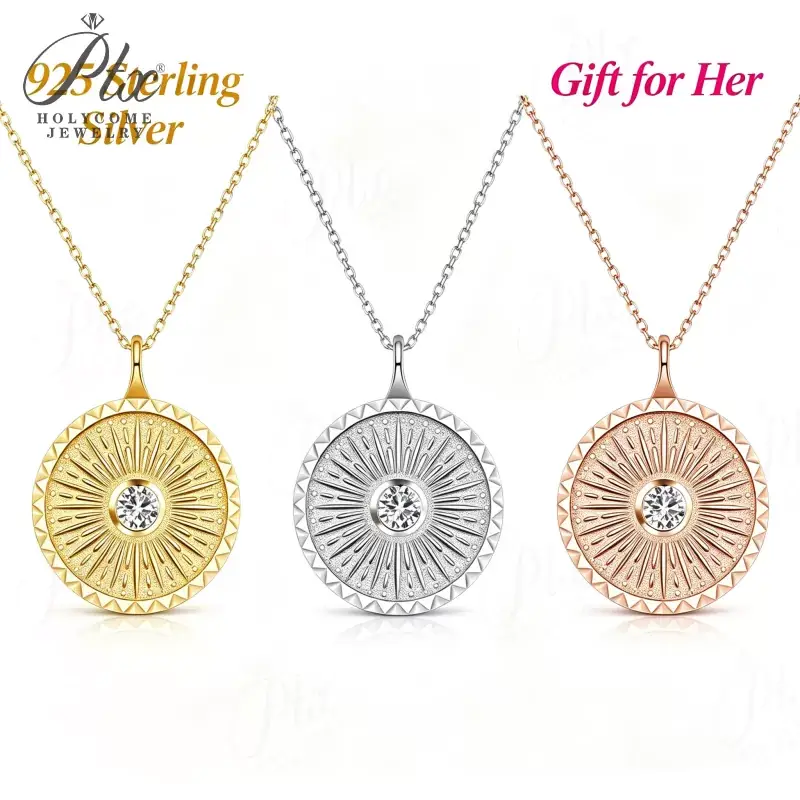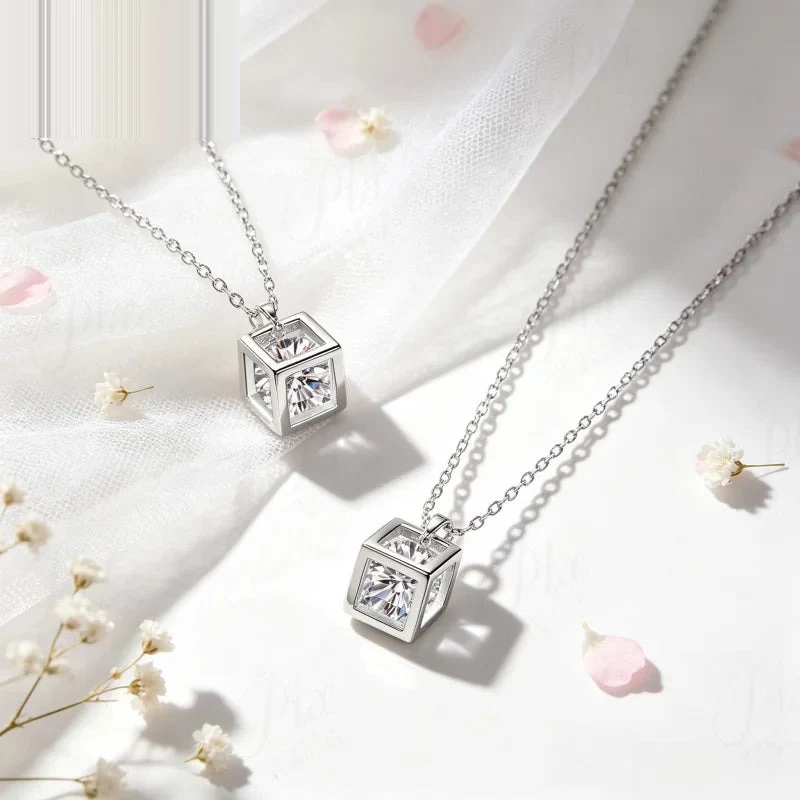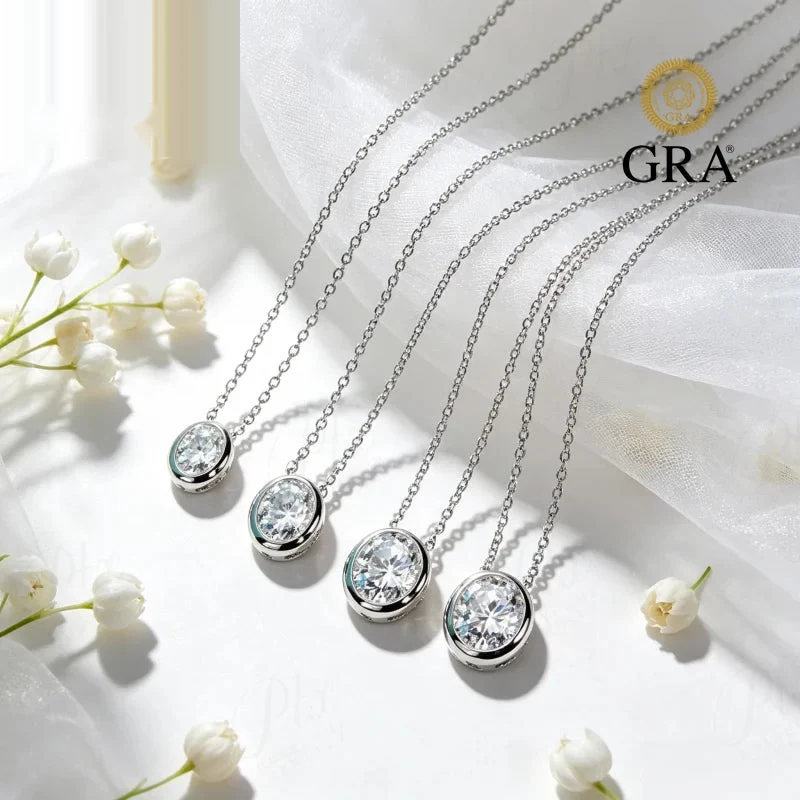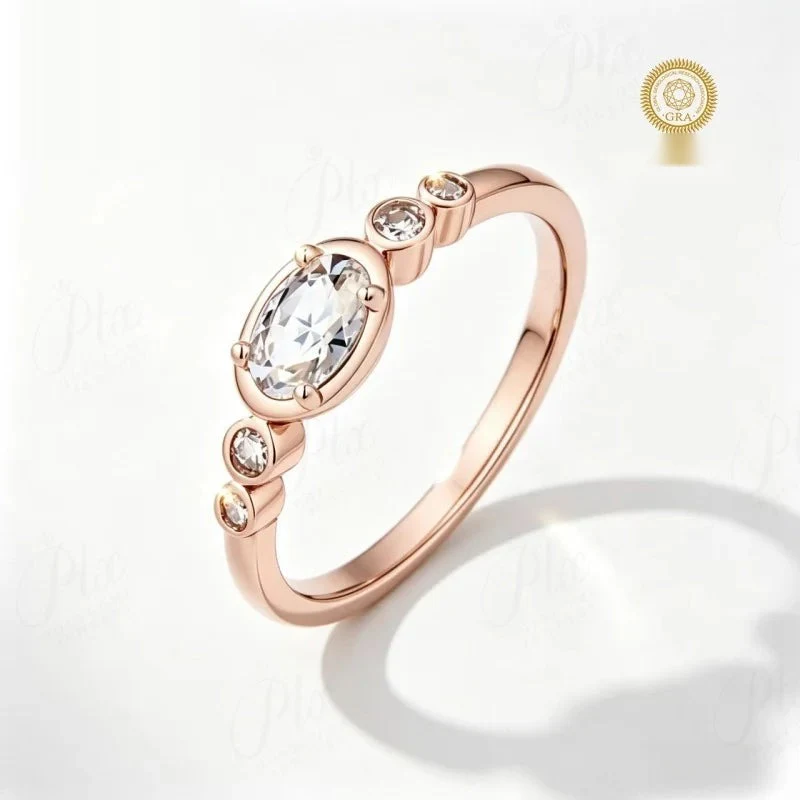
Scroll through any jewelry seller's feed and you will notice the same thing: the brands growing fastest are not posting pretty photos. They are live. A three-hour live stream can outsell a week of static posts because jewelry is tactile, and live video is the closest thing to a counter that a screen allows. You can hold a ring to the light, drop a pendant into a palm, and stack bracelets in real time. If you sell moissanite and 925 silver, that demonstration is the whole pitch.
Set the stage before the first viewer arrives
Jewelry lives or dies on light. A ring shot under a warm overhead bulb looks yellow and dull; the same ring under a cool, diffused ring light pops. Use two soft lights angled at forty-five degrees, a neutral backdrop (off-white or light gray works best), and a small turntable or a clean rotating stand for hero pieces. Keep your hands clean, your nails neutral, and wear a simple long-sleeve top so nothing competes with the metal.
Your camera angle matters almost as much as the light. Shoot from slightly above eye level when you show a piece on a hand, because that is how a customer looks at her own fingers. Have a macro lens or clip-on for close-ups of facets and hallmarks. Showing the 925 stamp on camera builds trust instantly.
Plan inventory like a TV producer
The worst live streams wander. The best ones are scripted slots. Group your products into segments: a five-minute hook piece, a ten-minute best-seller deep dive, a mid-stream price-drop, and a closing set. Keep about a dozen hero pieces within arm's reach, each on its own display card with the SKU and price written on the back so you never guess mid-pitch.
Flow matters. Open with your most accessible, lowest-price item to pull in browsers, then move into the higher-ticket pieces once viewers are warmed up. Save your hero engagement ring or your most dramatic statement necklace for the middle of the stream when your viewer count peaks. End with a limited bundle or a "stream-only" price to force the last-minute buy.
Demonstrate, do not just describe
Buyers cannot touch your inventory, so your hands have to do the convincing. Hold the moissanite ring near the light and tilt it slowly so the fire shows. Stack three silver bracelets on one wrist and lift it toward the lens to show the layering effect. Put a pendant on over a crewneck and again over a V-neck so the viewer sees how the length changes the look. Sound out the clasp: a satisfying click tells people it is secure.
Speak in outcomes, not features. Instead of "this is a two-millimeter box chain," say "this chain sits flat under a collared shirt and never tangles." Translate every spec into a thing the buyer actually cares about, which is the same habit that makes your Instagram and TikTok posts convert.
Handle the questions that decide the sale
Almost every jewelry live stream gets the same questions. Have your answers ready. "Is it real silver?" Yes, 925 sterling, rhodium plated. "Will it tarnish?" With normal wear and basic care, no faster than any sterling piece. "What size is the chain?" Have a length chart on screen. "Will it turn my finger green?" No, because it is solid sterling rather than plated base metal.
When someone asks a sizing question, invite them to comment their size and reserve it. That public reservation creates social proof and nudges the next viewer to buy before stock runs out. Scarcity works, but keep it honest: if you have ten of a style, say ten.
Make checkout frictionless
The moment a buyer is emotional is the moment they should be able to buy. Pin the product link, keep the shopping cart enabled, and pin a comment that lists the price and shipping window. If your platform allows it, pin the discount code in the first comment and repeat it every fifteen minutes. Repeat the shipping and return policy out loud at least twice during the stream, because hesitation almost always lives in "what if it does not fit."
After the stream, repost the best three minutes as a short clip. The ring moment, the stack reveal, the price drop. Good clips feed the algorithm and pull viewers into your next live. Pair this with solid product photography so the profile they land on looks as polished as the stream did.
Build a live schedule viewers can count on
Live selling compounds. The first stream may have twenty viewers. The twentieth has two hundred, because regulars return at the same time each week and bring friends. Pick a fixed slot, promote it forty-eight hours ahead, and show up even when the numbers look small. Treat the stream as a storefront with hours, not a gamble. Over a season you will find that your live regulars become your repeat buyers, your review writers, and your best word-of-mouth.
Start small: one ninety-minute stream a week, six hero pieces, good light, and honest answers. That is enough to learn the rhythm. From there the channel grows on its own, and it becomes the place where your silver and moissanite line finally gets the demonstration it deserves.
Sterling silver terminology used in this guide follows the Wikipedia entry on sterling silver.
Related reading: Selling Jewelry at Pop-Ups and Craft Fairs: A Seller's Playbook, Jewelry Live Stream Selling: How to Host Shows That Actually Sell, How to Sell More Silver Jewelry on Pinterest: A Retailer's Playbook.
Frequently Asked Questions
How do I prevent sterling silver from tarnishing in storage?
Use anti-tarnish bags with a sulfur absorber, keep humidity under 60% and avoid paper wrapping. Rhodium plating adds a further barrier on high-turn SKUs.
Is rhodium plating worth the added cost?
Yes for display and gift lines. It resists tarnish for 12–18 months and keeps shelf pieces bright, which reduces markdowns.
What purity do you supply?
925 sterling silver, stamped and hallmarked. Fine silver (.999) is available for beads and bullion-style pieces.
What is the MOQ and lead time?
50 pieces per design, samples 3–5 days, bulk 15–20 days.