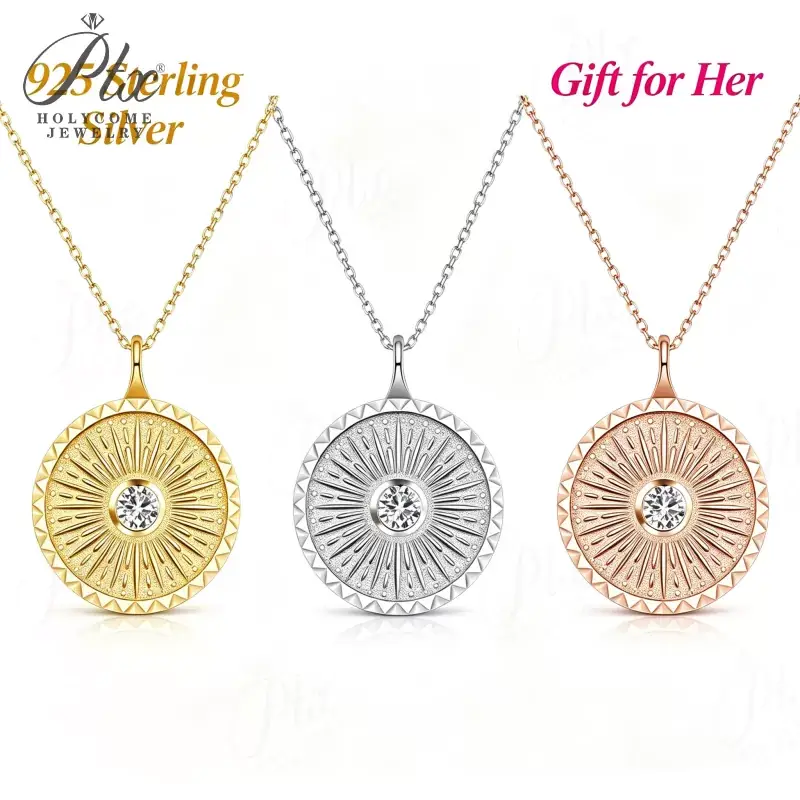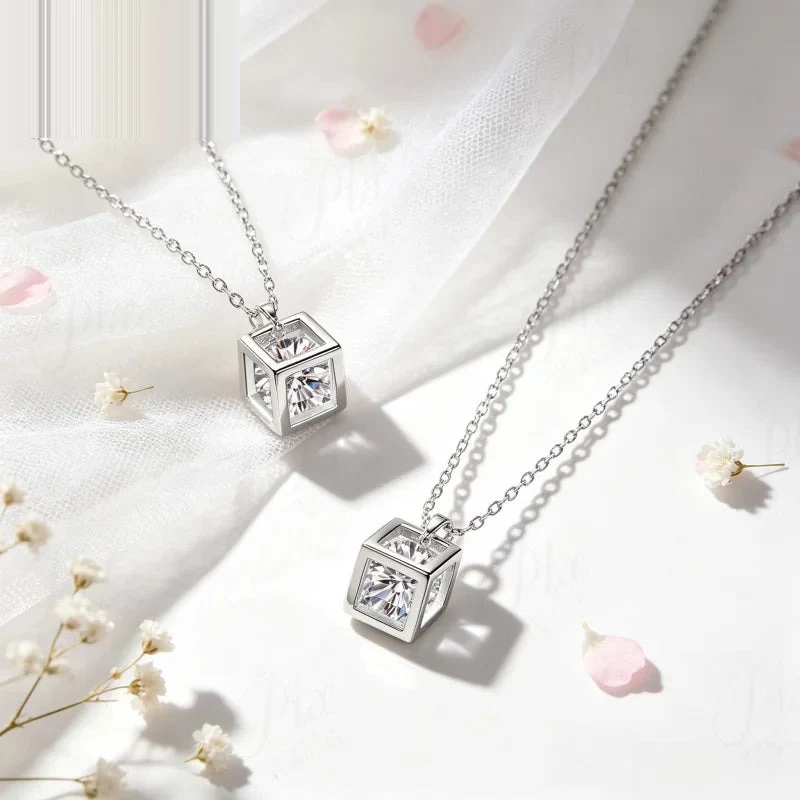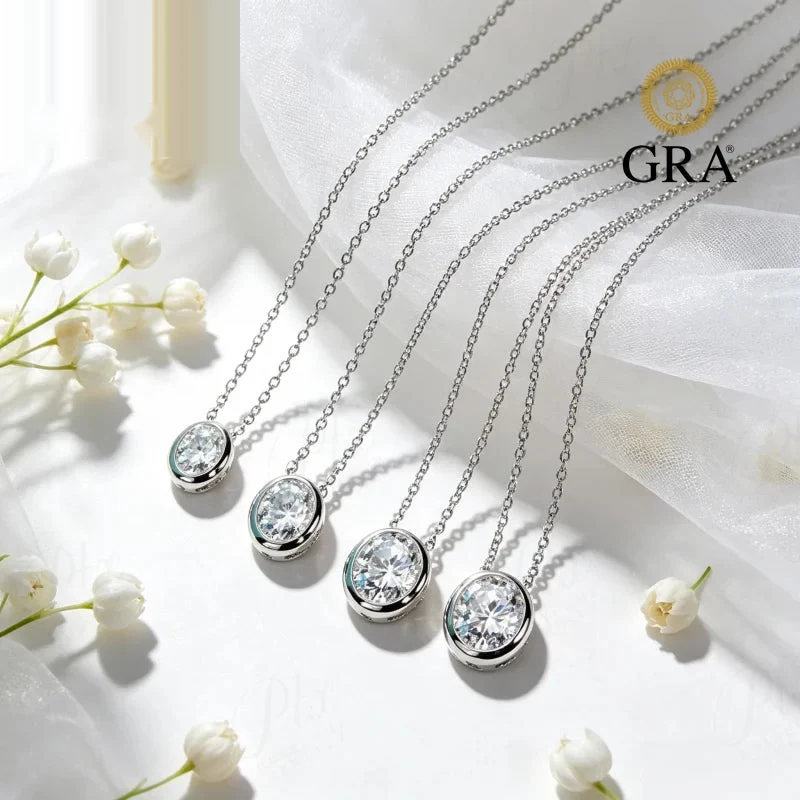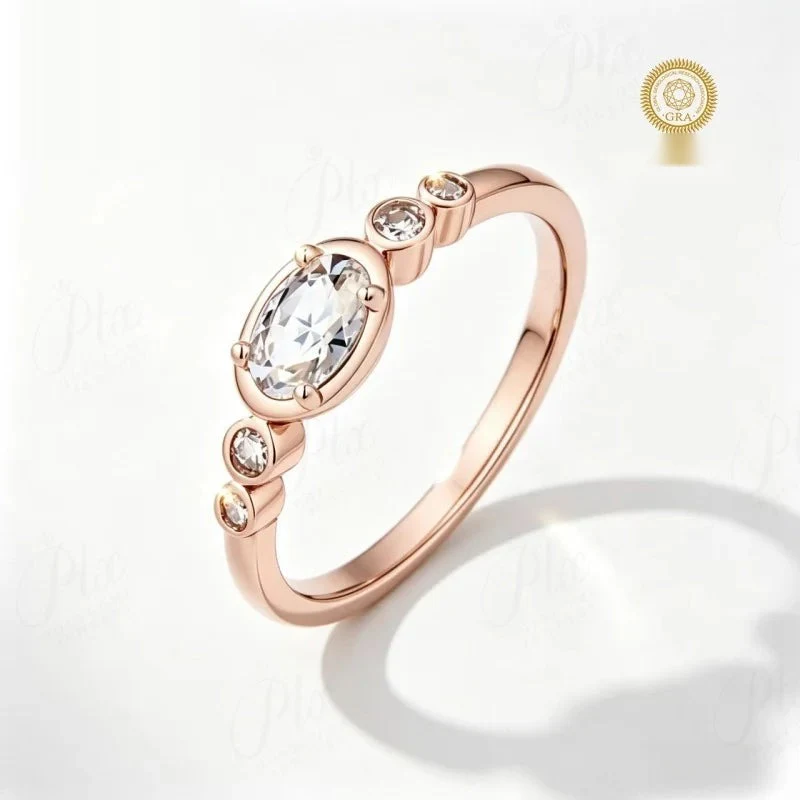
For a new or growing silver jewelry brand, influencer collaborations are often the fastest credible way in front of buyers. A creator holding your moissanite pendant up to the light for thirty seconds does more than any banner ad, because jewelry is emotional and visual, and a real face showing the piece on a real ear sells the look in a way a product page cannot. The mistake most brands make is treating influencer work like advertising: paying for a post and hoping. The brands that win treat it like a relationship and a measured channel.
Pick the right size of creator
Big reach is not the goal. The goal is the right audience. For a small jewelry brand, micro-creators with ten thousand to a hundred thousand engaged followers usually outperform macro-influencers. Their audience trusts them more, their engagement rate is higher, and their pricing fits a starter budget. A creator who posts styling and outfit content, not just hauls, will naturally wear your pieces repeatedly. A creator whose feed is already about silver, minimalism, or bridal styling is warmer than a general lifestyle account.
Look at the comments before you pitch. If real people are asking "where is that from," you have a buyer. If the comments are emojis from bots, skip. This same audience judgment applies across the channels covered in Instagram and TikTok marketing.
Structure the deal that actually converts
Free product alone rarely moves enough volume. The strongest small-brand setups combine product, a modest fee, and a trackable discount code for the creator's audience. The code does two jobs: it gives the buyer an incentive, and it tells you which creator actually drove sales. For a first partnership, keep the scope small: one Reel, one Story set, and a pinned link. Do not over-commit to a six-post campaign before you know the creator's audience converts.
Give the creator freedom to wear the piece in their own styling. Jewelry looks best when it fits a real outfit, not a scripted commercial. A piece layered naturally over a sweater performs better than a stiff product shot. This is why authentic TikTok jewelry trends spread: they look like real life.
Brief clearly without scripting the soul out
Send the creator a short brief: the price point, the material (925 sterling, rhodium plated, moissanite), the key styling message, the discount code, and any claims you cannot make (avoid overpromising). But let them speak naturally. A creator who reads a brand script out loud loses the trust that made them worth working with in the first place. The best briefs are one page and end with "wear it your way."
Make sure they disclose the partnership clearly. Transparency protects both the creator and your brand, and it does not hurt sales the way people fear; audiences are used to it.
Measure what matters
Vanity metrics are the trap. Views and likes feel good, but they do not pay back. Track the discount code redemptions, click-through to your product page, and sales attributed to the partnership. Compare the cost of the deal against the revenue it brings. One creator who sells thirty pieces is worth more than ten creators who each get fifty thousand views and no orders. Build a simple sheet and after three partnerships you will see which style of creator consistently converts for your line.
When a partnership works, do not let it end. Invite the creator back for your next drop, send new pieces, and turn them into an ongoing ambassador. Repeat partnerships outperform one-off posts every time, because the audience sees the piece worn repeatedly rather than once. This compounds with the branding work in building a private label brand.
Avoid the common money pits
Do not pay premium rates to creators whose engagement looks bought. Do not send one hundred pieces to one hundred tiny creators with no tracking. Do not expect a single post to launch a brand. And do not ignore the micro-creators just because they are small: for affordable sterling silver and moissanite, their audience is exactly your buyer.
Creating content together instead of handing it over
The best collaborations feel less like an ad and more like the creator genuinely chose the piece. Sending extra styling notes, suggesting two or three outfit ideas, and offering a short video call before filming helps the creator show the jewelry the way it is meant to be worn. When the content comes out, ask permission to repost it on your own feed and product pages. UGC from a real creator converts far better than studio shots, and a creator who feels involved is far more likely to say yes to your next drop.
Influencer marketing for jewelry works when it is treated like a real partnership: choose the right creator, give them the product and freedom, track the code, and double down on who converts. Done that way, a modest budget builds both sales and the social proof a new brand needs.
The 92.5% silver composition and properties of sterling silver are described in the Wikipedia entry on sterling silver.
Related reading: How to Partner With Micro-Influencers for Your Jewelry Brand, Building a Private Label Jewelry Brand: Step by Step, Selling Jewelry at Pop-Ups and Craft Fairs: A Seller's Playbook.
Frequently Asked Questions
How do I verify a factory before placing a bulk order?
Request a production video, business license, export records and a paid sample run. A factory that accepts a 50-piece test order is usually a real manufacturer.
What payment terms do you offer?
30% T/T deposit with the balance against the bill of lading. This protects both sides on first orders and can move to net terms after a track record.
What is your normal reject rate?
3–5% under 10x loupe inspection for cast and set pieces. Defective units are replaced free in the next shipment.
Where is the factory located?
Wuzhou, Guangxi, China—the core lab-grown and moissanite manufacturing cluster. Shipments go via Guangzhou or Shenzhen ports.