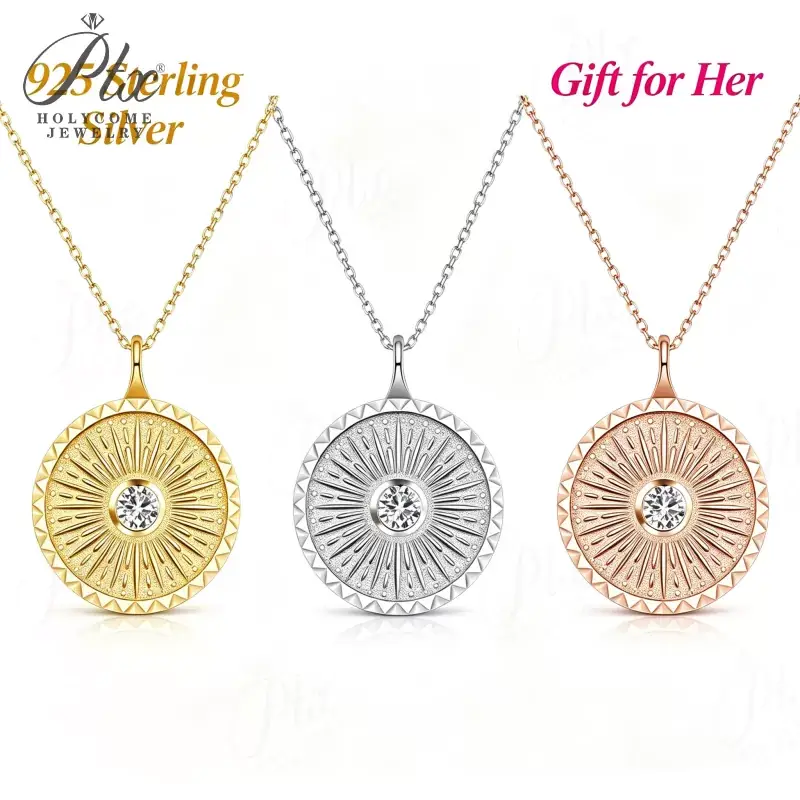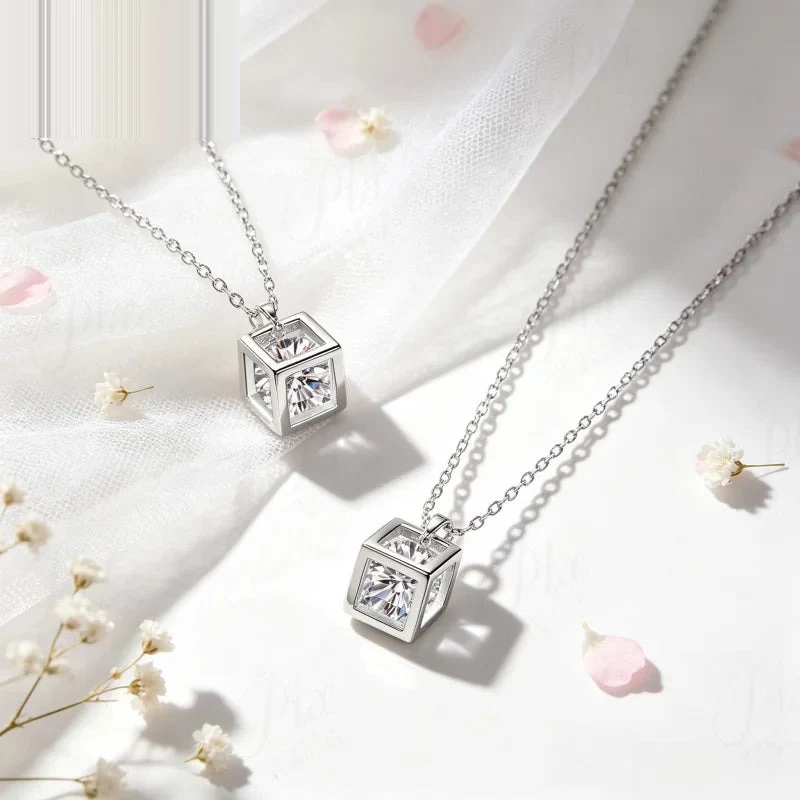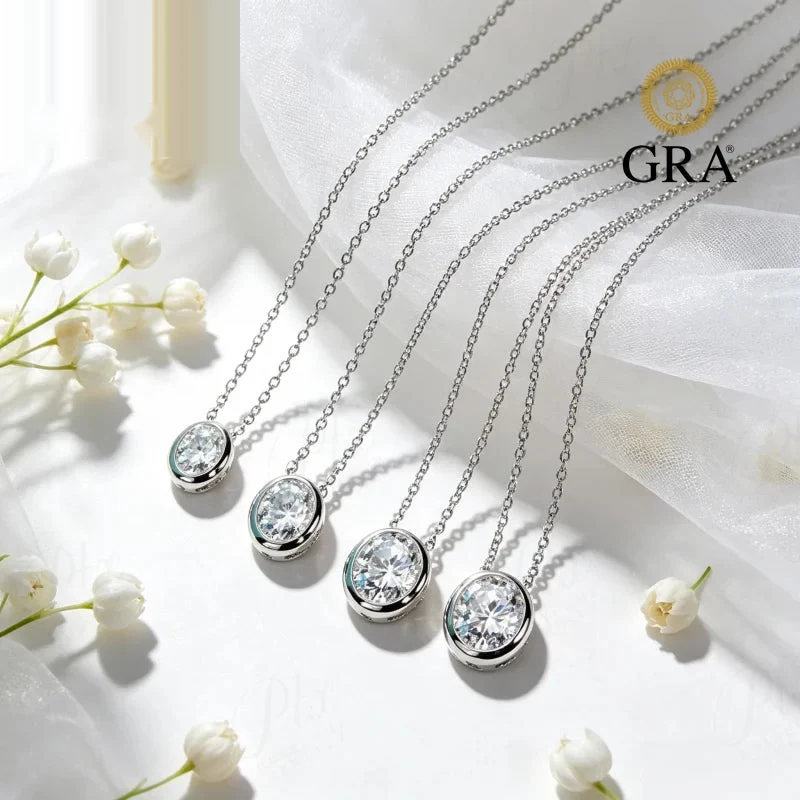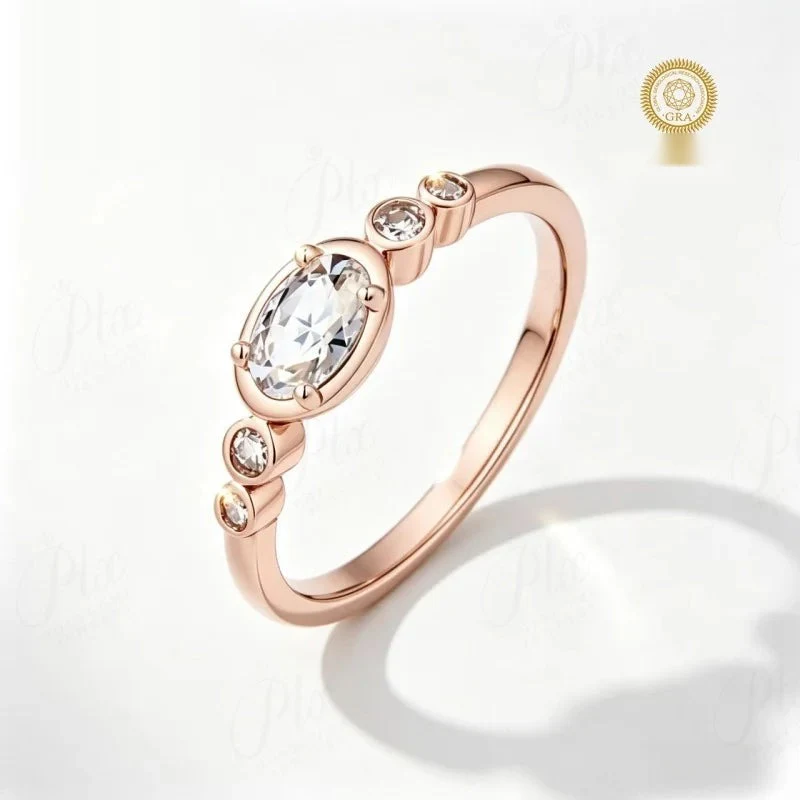
Most jewelry brands waste their first influencer budget on the wrong accounts. They look at follower numbers, send product to someone with 300,000 followers, and watch the post get a hundred likes from an audience that never buys anything. The brands that actually grow through influencer marketing do the opposite: they hunt for small, tightly connected accounts where the audience trusts the person holding the jewelry.
A micro-influencer — usually someone between 5,000 and 50,000 followers — has a community, not a crowd. Their comments feel like conversations. Their recommendations feel like advice from a friend. For a visual, tactile product like sterling silver and moissanite, that trust is worth more than a million impressions. Here is how to build a program that works rather than one that looks good on a report.
Find accounts that already wear your category
Do not search by niche in the abstract. Search by behavior. Look for people who post unboxing clips, try-on hauls, outfit reels, or “what I wore this week” stories. Pay attention to who is already tagging affordable jewelry brands and getting real engagement in the comments. A creator who consistently talks about everyday silver pieces, layered necklaces, or stackable rings is already warmed up to your price range. For context on the channels that perform, our piece on marketing silver jewelry on Instagram and TikTok maps the content formats that convert.
Engagement rate matters more than follower count. Divide the average likes and comments on their last ten posts by their follower count. A healthy micro account sits above three percent. Anything below one percent, even at 40,000 followers, usually means a purchased or inactive audience. Also read the comments: genuine fans ask where the necklace is from, what size the ring is, and whether it turns skin green. If the comment section is full of fire emojis and nothing else, the reach is hollow.
Pitch like a human being
The generic DM — “Hi, we love your page, want free product?” — gets ignored. Reference a specific reel, mention why their aesthetic fits your brand, and make the offer clear up front. Jewelry works well with a hybrid deal: free product plus a modest fee or a commission through a trackable discount code. Do not expect a creator to drive sales for exposure alone; that era ended years ago. Be transparent about what you can pay and what you expect in return, because creators who sense an ambush move on fast.
Give them a simple brief but not a script. Tell them the three product benefits you want mentioned — hypoallergenic sterling silver, moissanite brilliance, custom engraving — and then let them film in their own voice. The posts that sound like ads fail. The posts that sound like someone genuinely showing off a new necklace on their way to coffee win. Encourage them to show the piece worn in real light, because shoppers buy based on how silver looks at 6 p.m., not in a studio.
Structure the deal for measurable returns
Every collaboration needs a tracking mechanism. A unique discount code per creator is the easiest starting point. A link in bio with a UTM parameter gives you the same data inside your analytics. Agree on deliverables in writing: one Reel, two Stories, a static post, and the rights to repurpose the clip in your own ads. Usage rights matter because a creator’s honest clip, when boosted through your ad account, often outperforms anything your studio team can film.
Set a testing budget you can afford to lose. Five creators at a modest cost each tells you more than one expensive partnership, because you learn which audiences actually convert to buyers. Track not just clicks but the order value, since a discount code shared with a tight community often brings back repeat customers who subscribe to your email list.
Common mistakes that waste the budget
The first trap is over-scripting. A creator handed a word-for-word read sounds like a commercial, and the audience notices instantly. The second trap is judging a partnership by reach alone. A video that reaches 20,000 of the right people beats one that reaches 200,000 random scrollers, because jewelry is an emotional, considered purchase rather than an impulse snack. The third trap is forgetting usage rights — a clip you cannot reuse in your own ads is a one-hit wonder, while a clip you can boost for months keeps paying. Keep your brief loose, your codes trackable, and your expectations realistic, and the channel compounds instead of flaring.
Start small and stack what works
Test five creators at once with a small budget. Track which codes generate real orders, not just clicks. The one or two accounts that convert become long-term partners. Repeat collaborations beat one-off posts every time, because the audience sees the creator wearing your brand repeatedly and the recommendation stops feeling like a sponsorship. Over a season, five steady micro-partners will out-sell one viral post that fades in a week. Build that list slowly, pay fairly, give creators creative room, and treat them like the reliable sales channel they have become.
Sterling silver terminology used in this guide follows the Wikipedia entry on sterling silver.
Frequently Asked Questions
How do I verify a factory before placing a bulk order?
Request a production video, business license, export records and a paid sample run. A factory that accepts a 50-piece test order is usually a real manufacturer.
What payment terms do you offer?
30% T/T deposit with the balance against the bill of lading. This protects both sides on first orders and can move to net terms after a track record.
What is your normal reject rate?
3–5% under 10x loupe inspection for cast and set pieces. Defective units are replaced free in the next shipment.
Where is the factory located?
Wuzhou, Guangxi, China—the core lab-grown and moissanite manufacturing cluster. Shipments go via Guangzhou or Shenzhen ports.