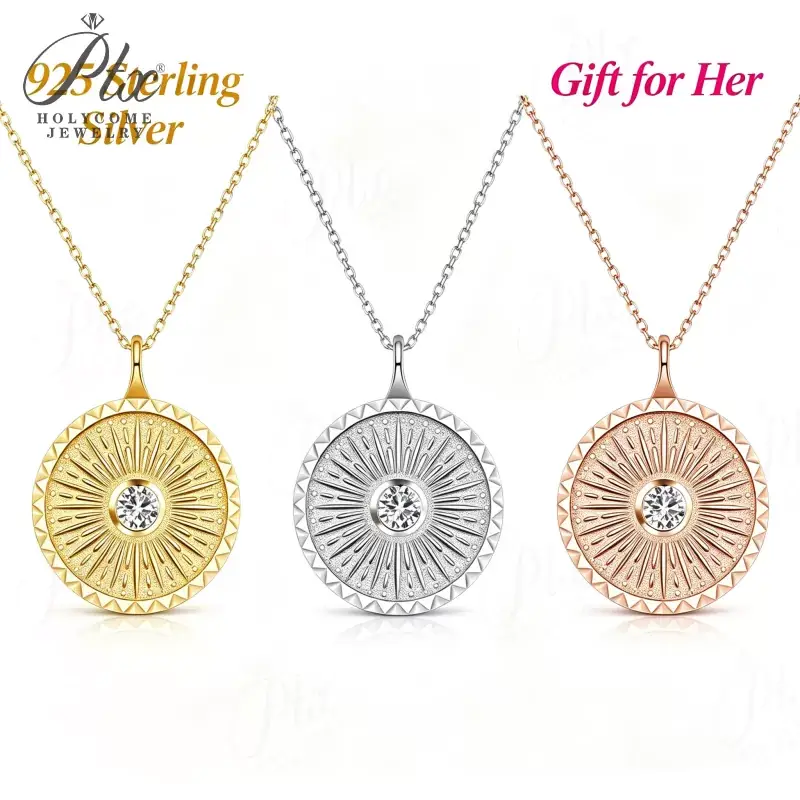
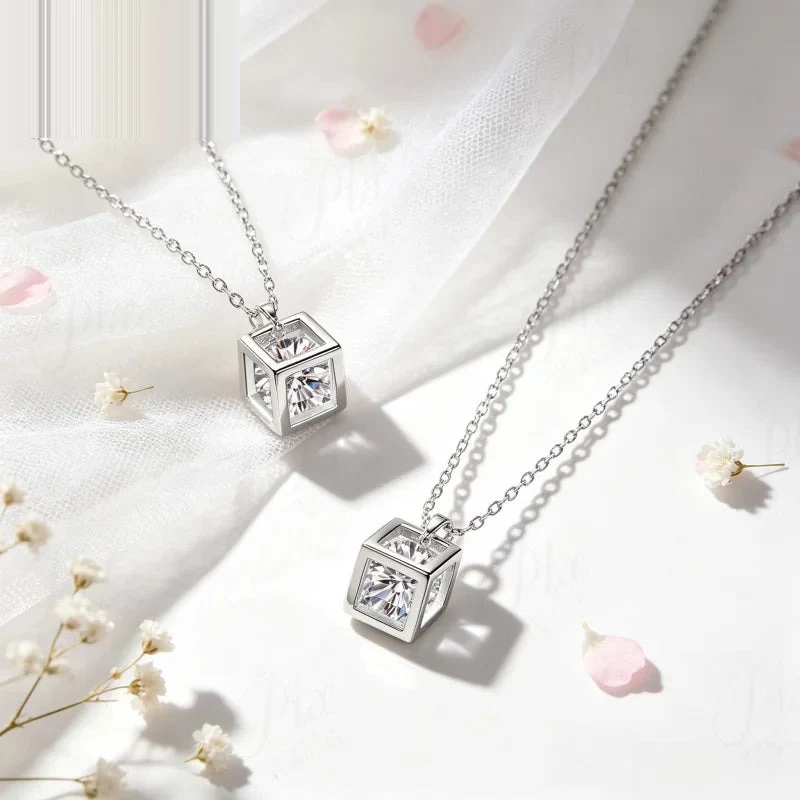
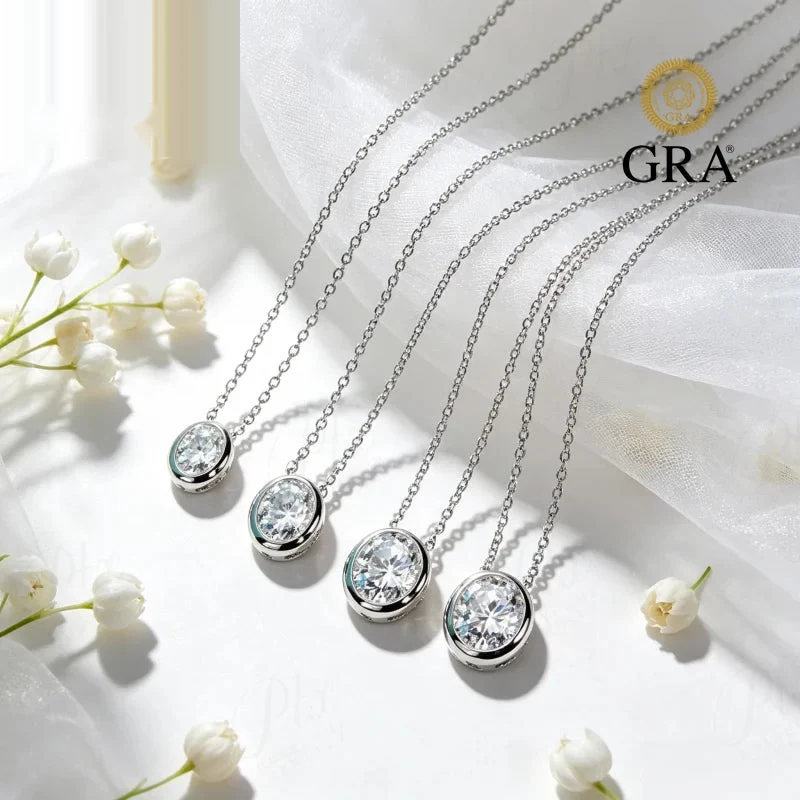
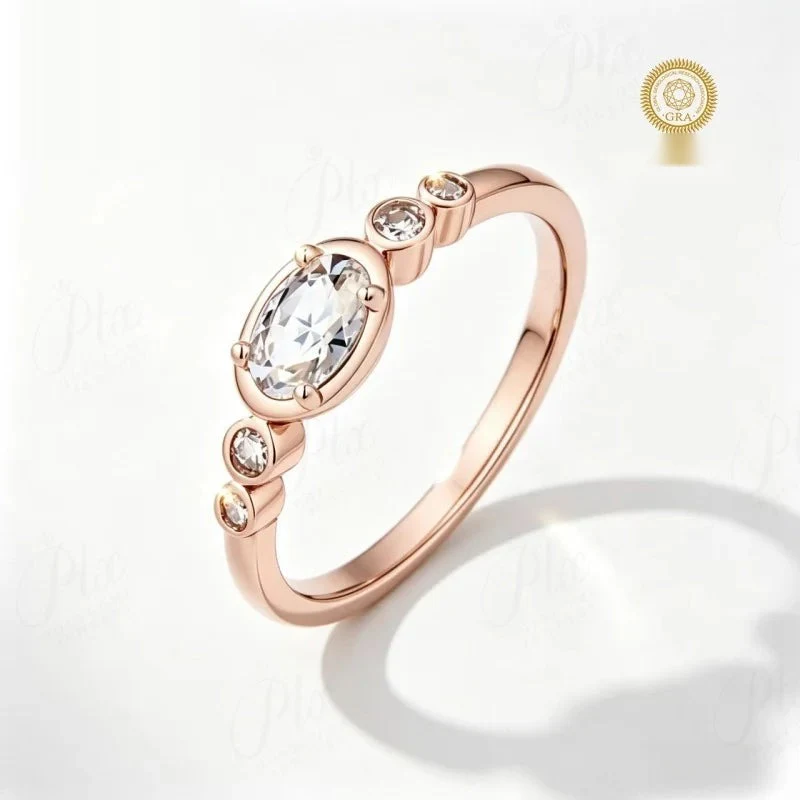
Walk into a jewelry store and you will hear people say silver looks "bad on them" or gold makes them look tired. Almost always, that reaction is not about the person—it is about undertone. Skin sits warm, cool, or somewhere in between, and the metal you put next to it either complements or fights that undertone. Once you know how to read it, styling customers gets much easier, and your product descriptions become a lot more useful.
Find the undertone first
The vein test is the fastest starting point. Look at the inside of your wrist in natural light. Blue or purple veins usually point to a cool undertone, green or olive to warm. Burn test works too: cool skin burns pink and rarely tans, warm skin tans easily. If both feel true, you are likely neutral, and almost every metal flatters you. Undertone is not the same as skin depth—a deep brown customer can be cool-toned just as a pale customer can be warm. Jewelry boxes and silver pieces next to your face in a mirror is another quick check: if silver makes you glow, lean cool; if gold does, lean warm.
Why sterling silver flatters cool undertones
Cool skin has hints of pink, red, or blue underneath. Polished sterling silver carries a bright, slightly icy reflection that echoes those tones and makes skin look luminous. Cool customers tend to look washed out in yellow gold, which can clash with the pink in their cheeks. If your shopper is cool-toned, lean into rhodium-plated silver, white gold tones, and platinum-colored finishes. Moissanite reads beautifully against cool skin because its fire leans cool and colorless. Oxidized silver with dark patina also suits cool skin dramatically, especially in autumn and winter wardrobes.
Why warm undertones lean gold
Warm skin has peachy, golden, or olive undertones. Yellow gold, rose gold, and brass tones blend in rather than compete. Warm customers often say silver makes them look pale or gray next to their face. That does not mean silver is off-limits—it just means the piece needs a warm accent, like a gold vermeil layer or a colored stone, to bridge the gap. Our comparison of silver, gold, and platinum choices digs into the merchandising side. Rose gold is the most forgiving middle ground, working on almost every warm complexion and many neutral ones.
Neutral and olive undertones have the most freedom
Neutral skin wears every metal, so these customers are the ones who pull off mixed-metal stacking effortlessly. Olive undertones, common across many skin depths, are a special case: bright silver and antique gold both work, but brassy yellow can look muddy. A dark oxidized silver or a two-tone piece usually wins. We cover the styling angle in mixed-metal styling with silver. Darker skin depths also carry larger pieces and brighter finishes better, so encourage customers with deep complexions to try bolder hoops and wider bands they might otherwise skip.
Use stone color as a bridge
If a warm customer loves silver, give them silver with a warm stone—amber, champagne, yellow moissanite, or a pink setting. If a cool customer loves gold, give them gold vermeil with a cool stone like blue sapphire or white moissanite. The stone acts as the translator between the skin and the metal. That is one reason colored moissanite has become such a versatile stock option. Skin tone also shifts slightly in summer versus winter, so customers who hesitate between metals often end up buying one in each finish and rotating by season.
How to write product descriptions that sell
Instead of "looks great on everyone," tell the shopper who the piece is for. "Cool-undertone friendly," "warm-skin go-to," and "neutral skin approved" actually help. Customers trust guidance that feels specific, and it cuts down on returns because they are buying with intent. You do not need to diagnose their skin tone in the listing—just point them toward the right corner of your catalog. A short quiz on the product page that asks "do veins look blue or green?" funnels shoppers to the right material without feeling clinical.
Quick undertone checklist
- Blue or purple veins point cool; green or olive veins point warm.
- Cool skin glows in sterling silver and rhodium plating.
- Warm skin leans gold, rose gold, and vermeil.
- Neutral skin pulls off mixed metals without effort.
- Use a colored stone to bridge a customer who loves the "wrong" metal.
Undertone is also a useful merchandising filter. Group your silver pieces with cool-toned models and your vermeil pieces with warm-toned models on the homepage, and let the customer self-select. You will see fewer "this looks different in person" emails because the visual context already set the right expectation.
Jewelry styling stops being guesswork once you stop treating metal color as a trend and start treating it as a match. The right silver piece on the right customer does not just accessorize—it makes them glow.
Rhodium plating, which gives white gold jewellery its bright finish, is covered in the Wikipedia article on rhodium.
Frequently Asked Questions
How do I verify a factory before placing a bulk order?
Request a production video, business license, export records and a paid sample run. A factory that accepts a 50-piece test order is usually a real manufacturer.
What payment terms do you offer?
30% T/T deposit with the balance against the bill of lading. This protects both sides on first orders and can move to net terms after a track record.
What is your normal reject rate?
3–5% under 10x loupe inspection for cast and set pieces. Defective units are replaced free in the next shipment.
Where is the factory located?
Wuzhou, Guangxi, China—the core lab-grown and moissanite manufacturing cluster. Shipments go via Guangzhou or Shenzhen ports.