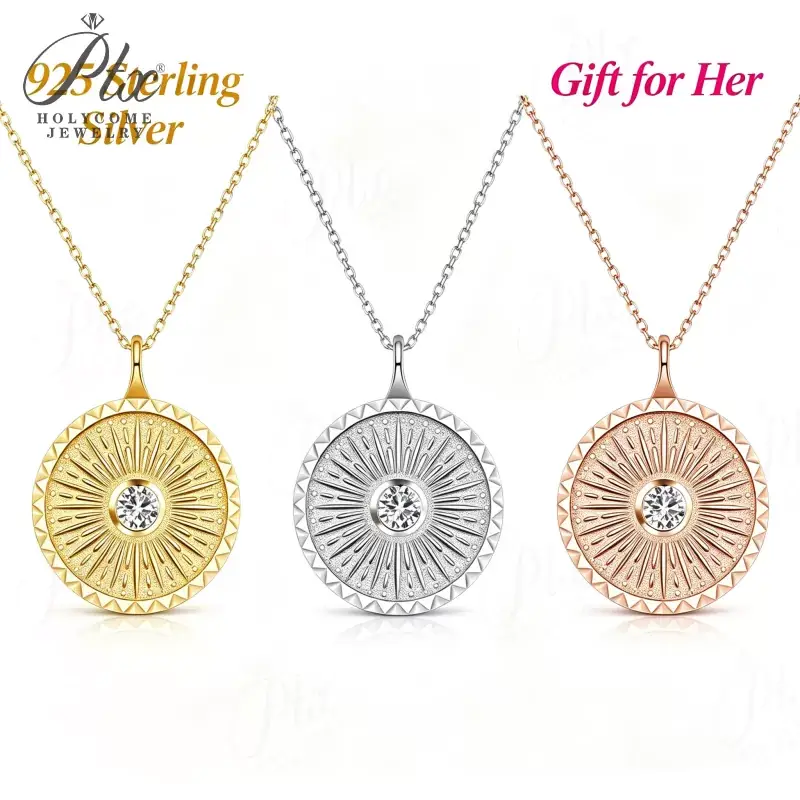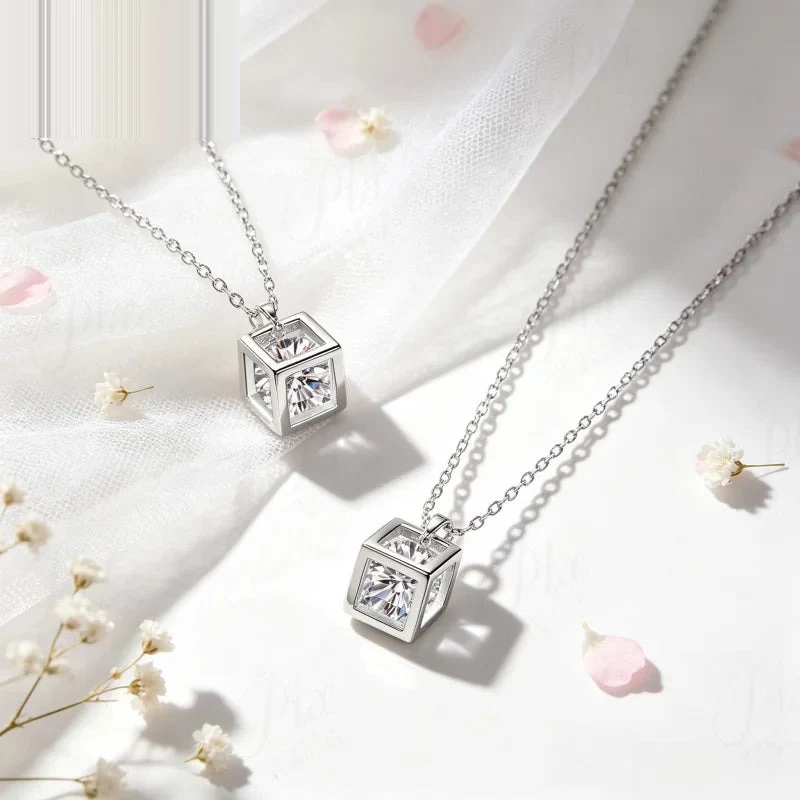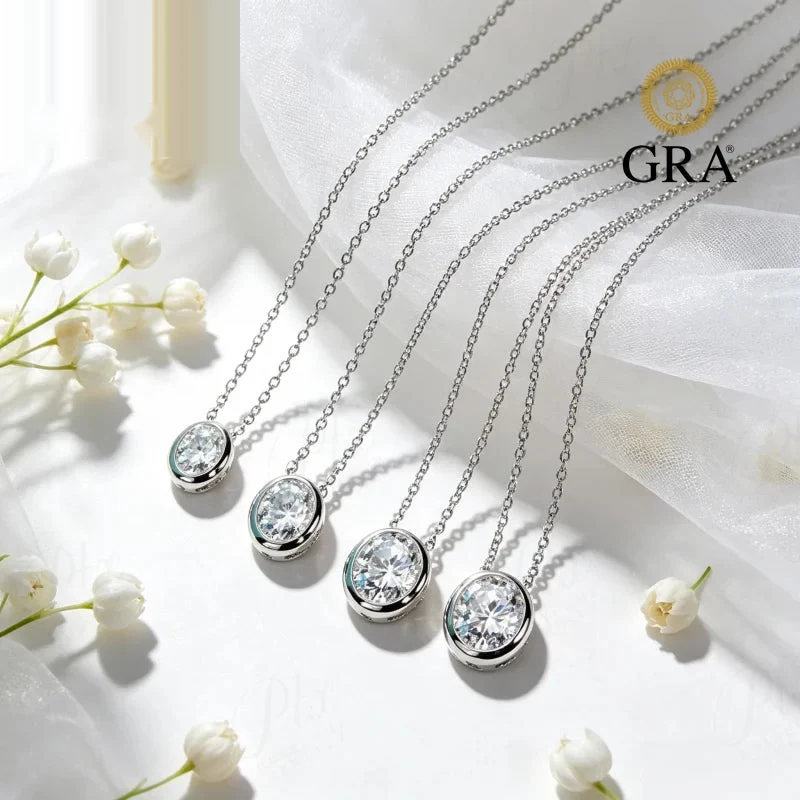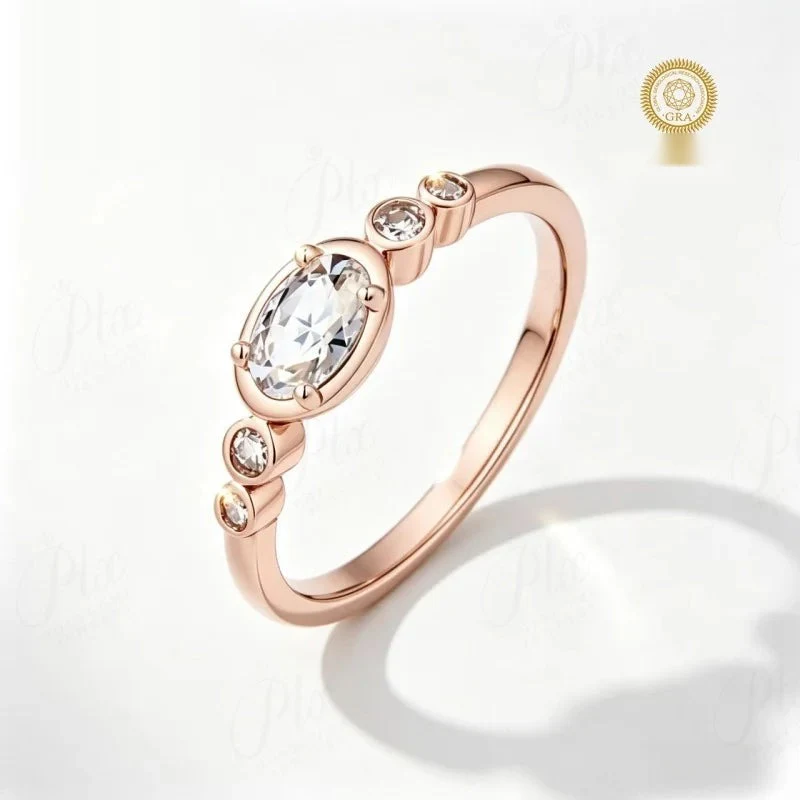
Selling moissanite well is not about being pushy. It is about being prepared. Nearly every shopper who pauses in front of a moissanite ring has heard one of the same handful of objections floating around online. The sellers who win are the ones who answer those questions calmly, with facts, instead of defensively. Here are the seven we hear most, and how experienced retailers respond.
Objection 1: Is moissanite fake?
This is the most common opener, and it is usually a phrasing problem rather than a challenge. Moissanite is a real, durable gemstone made in a controlled laboratory. It is not cubic zirconia, and it is not a coating over glass. Explain that it shares the same hardness range as sapphire and is far tougher than anything sold as fashion costume stone. We break the difference down in moissanite versus cubic zirconia, and handing a customer that comparison builds credibility fast.
Objection 2: It will look too sparkly or fake in sunlight
This concern usually comes from seeing a cheap stone under harsh store lighting. The answer is to let them look at it outside. High-quality moissanite balances fire with a white brilliance that reads beautifully in natural light. Encourage the customer to walk to the window or step outside. When the stone responds normally in daylight, the objection often dissolves on its own. For the science behind the optics, see does moissanite look real in natural light.
Objection 3: A diamond tester will reveal it
Some shoppers worry a tester will expose their ring, usually because they read a forum thread about it. The honest answer is that moissanite conducts heat similarly enough to diamond that basic testers can indeed react to it, which is exactly why dedicated moissanite testers exist. We explain this directly in why moissanite can trip a diamond tester. Being upfront about it shows confidence rather than concealment.
Objection 4: Will it hold its value like a diamond?
This one deserves a straight answer. No diamond actually resells close to its retail price either. Moissanite is a value purchase, not an investment asset. Position it honestly: the buyer keeps the money they would have overpaid, and they get a stone that rivals diamond appearance. Customers appreciate that honesty far more than a fabricated resale-value promise.
Objection 5: Is it too soft for everyday wear?
Moissanite scores around 9.25 on the Mohs scale, second only to diamond among commonly used gems. It is more than hard enough for an engagement ring. The real enemy is not hardness but impact, because moissanite can chip under a hard blow against a hard surface. That is a care conversation, not a disqualification. Point them to the Mohs scale guide for the full picture.
Objection 6: Where is the certificate?
Bring it out. Reputable moissanite ships with a grading report, often a GRA certificate, detailing color, clarity, and carat. If you stock certified stones, keep the report visible or easily retrievable. Walk through what the numbers mean instead of just handing over paper. See moissanite certification explained so your team speaks the same language as the customer.
Objection 7: My family expects a diamond
This is emotional, not technical. Acknowledge it. Many buyers feel pressure from parents or tradition. Your job is not to talk them out of a diamond but to give them language: moissanite is a deliberate, modern, value-focused choice that leaves budget for a home, a honeymoon, or savings. Customers who feel supported in that decision remember the store that respected them, and they bring friends.
The through-line
Every one of these objections shrinks when you stop defending and start informing. Keep the comparisons on hand, let the stone do the talking in daylight, and answer the value question honestly. The stores that treat objections as education opportunities earn a loyal following far faster than the ones that argue.
Objection 8: It will not last as long as I expect
This is usually a worry about tarnish on the silver setting rather than the stone itself. The moissanite will look the same in ten years; the 925 silver band may need a polish and a refresh of rhodium plating. Explain that jewelry, whatever the stone, needs occasional care. A customer who understands that a quick clean and a replate restores the look stops seeing wear as a flaw and starts seeing it as normal maintenance. Point them to the basics in silver jewelry care so they know exactly what to do at home. When the aftercare conversation happens before the sale, satisfaction goes up and returns go down.
Build a FAQ page before you need it
The fastest way to handle objections is to stop repeating yourself. Turn the questions above into a simple FAQ on your product pages and let the customer read the answer while they hesitate. A well-placed line about hardness, certification, or natural light does the selling while your staff stays free. Customers who find the answers themselves feel more confident than customers who are talked into anything. Pair that with clear product photos and a sizing note, and the objections you field in person drop sharply.
The Gemological Institute of America’s gem encyclopedia is an authoritative, widely cited reference on moissanite and diamond quality factors.
Related reading: Moissanite vs CZ in Sterling Silver: A Reseller's Honest Comparison, Moissanite vs Diamond: Which Is Better for Your Jewelry Store?, Moissanite Silver Rings: A Wholesale Buying Guide.
Frequently Asked Questions
Is moissanite a good diamond alternative for retail buyers?
Yes for price-sensitive customers who want brilliance and hardness. Moissanite ranks 9.25 on the Mohs scale, holds up to daily wear and costs a fraction of a natural diamond of the same size, so it resells fast in bridal and fashion lines.
What is the minimum order for wholesale moissanite?
MOQ starts at 50 pieces per design for stock items. Custom cuts and private-label settings usually start at 100–300 pieces depending on the mold.
Do you provide certificates with moissanite stones?
Yes. Every parcel ships with GRA or IGI documentation listing carat weight, color grade and cut. We recommend passing the certificate to your end customer for trust.
How long does sample and bulk production take?
Samples ship in 3–5 days. Bulk runs take 15–20 days under 500 pieces, and 25–30 days for custom work.