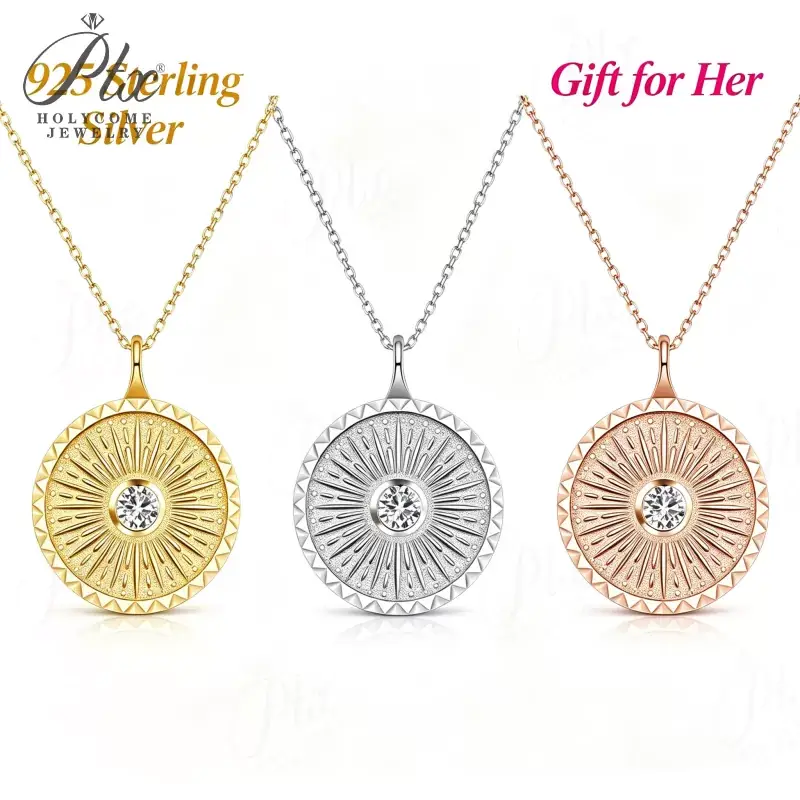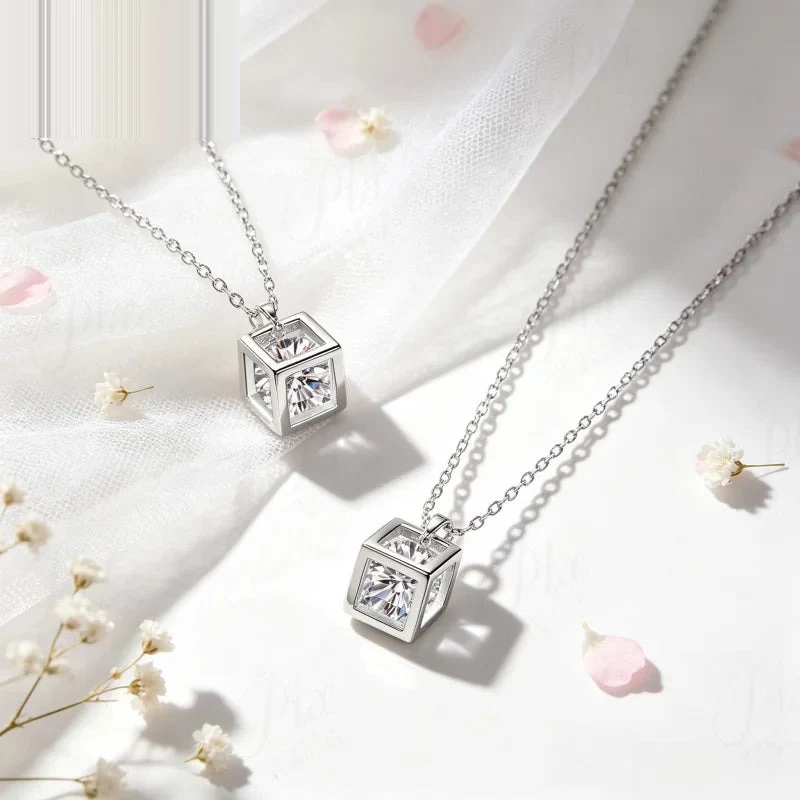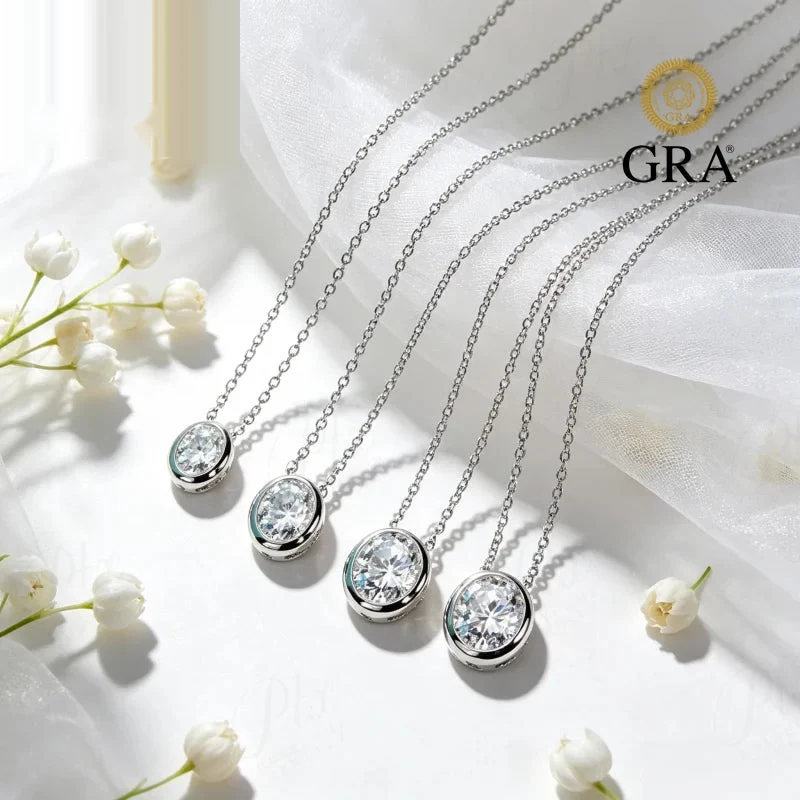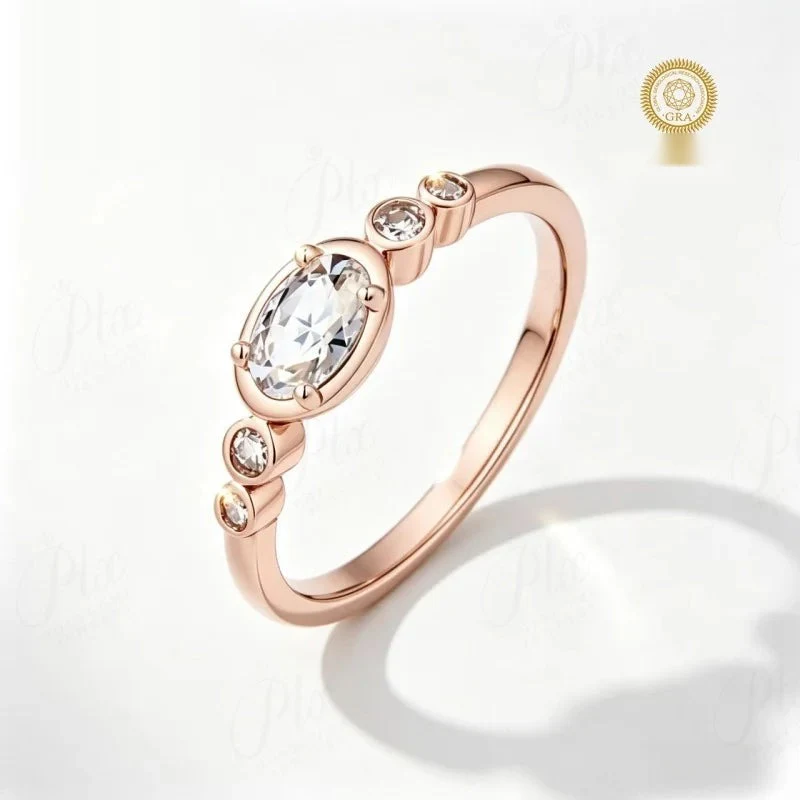
Getting your ears pierced is a small, exciting moment, but the weeks that follow decide whether the piercing heals cleanly or becomes an irritation. A huge number of problems with fresh piercings come down to one thing: the wrong metal. Cheap fashion studs often contain nickel or brass alloys that leach into healing skin, causing redness, swelling, and prolonged discomfort. That is why piercers and dermatologists alike point people toward solid 925 (ISO 925 sterling silver standard) sterling silver starter studs. They are gentle on healing skin, affordable, and they look clean enough to wear long after the piercing settles.
Why does the metal matter so much right after a piercing? A fresh hole is an open wound, and it reacts to whatever touches it. Nickel is the single most common contact allergen in the world, and it sits in the base of most inexpensive fashion earrings. When a healing piercing contacts nickel, the body's immune response turns the area red, itchy, and slow to close. Sterling silver at 92.5% silver alloyed with copper contains essentially no nickel, which removes that trigger. It is not the absolute inertest metal, which is why a small number of people still prefer titanium for the very first stage, but for most people it is a clear upgrade over drugstore studs. Our guide to hypoallergenic jewelry and sensitive skin goes deeper on the chemistry.
Choose simple, flat-backed studs for the healing phase. Hoops, drops, and dangly catches can snag on hair or bedding and reopen a tender piercing. A plain ball stud, a tiny moissanite, or a small pearl-style sphere all work well because they sit close to the earlobe. Make sure the post is smooth and the back is secure but not pinched. A back that is screwed on too tight traps moisture against the hole and slows healing. Leave a small gap so air can circulate. If you want options once the piercing settles, our guide to sterling silver studs covers shapes and sizes that transition from healing to everyday wear.
Aftercare follows a few simple rules. Wash your hands before touching the area at all. Clean the front and back of the piercing with a saline solution recommended by your piercer, once or twice a day, and avoid over-cleaning. Do not twist or spin the stud; modern aftercare guidance has moved away from that old advice because it re-traumatizes the healing tissue. Avoid swimming pools, hot tubs, and lakes until the piercer says it is safe, and keep hair products, perfume, and makeup away from the new hole. Sleeping on your back or on the opposite side helps too.
When can you change the starter stud? Usually not before the piercer says the channel has closed, which for earlobes is often around six weeks but can take longer. Changing too early is one of the most common mistakes. Once the piercing is healed, solid sterling silver studs remain a good everyday choice because they keep the nickel risk low. Our note on earring backs helps you pick secure backs once you are free to wear what you like.
Sterling silver does tarnish, and on a fresh piercing that can feel alarming. A slight darkening around the stud is normal oxidation, not infection. If the area becomes hot, very red, swollen, or discharges anything thick or yellow, contact the piercer or a doctor rather than treating it yourself. Otherwise, a gentle saline clean and patience are usually enough. Once healed, keep silver studs bright with a soft cloth; avoid dipping solutions on a healing piercing because they can irritate open skin.
Give the piercing time. It is tempting to swap in a favorite pair after a week, but rushing the change leads to irritation that lasts far longer than the wait. Patience in the early weeks pays off in a piercing that settles quickly and stays comfortable for years.
Parents buying starter earrings for children should pay the same attention. A child's skin is sensitive, and a cheap stud that reacts can put a child off piercings for years. Solid sterling silver studs with secure, smooth backs are the safest first choice, and they look modest enough for school. Remind the child not to touch the stud with dirty hands, and check the area gently during bath time. If irritation appears, do not remove the stud yourself unless a piercer advises it, because the hole can close and trap irritation inside. Keep a small saline spray in the bathroom so aftercare becomes part of the daily routine rather than a chore.
The takeaway is straightforward. The earrings you wear in the first six weeks are not just jewelry. They are part of the healing process. Choosing solid 925 sterling silver starter studs removes the most common source of irritation, keeps the look simple and clean, and gives you a pair you can keep wearing long after the piercing settles. Treat the early weeks gently, and your ears will reward you with years of comfortable wear.
Frequently Asked Questions
What ring sizes can you supply in bulk?
US sizes 5–12 including half sizes. Send a size breakdown with your order and we cast to that curve; comfort-fit inner bands reduce resize requests.
Can I order a mixed size run instead of one size?
Yes. Mixed runs are standard for wholesale: specify quantity per size and we pack and label by size at no extra labor cost.
What is the MOQ for custom ring designs?
50 pieces per design for existing molds; 100–300 pieces when a new mold or CAD model is required.
How should I price rings for retail margin?
Most partners use a 3–4x markup on FOB cost for sterling and 2.5–3x for moissanite solos, which keeps landed cost under 30% of retail.