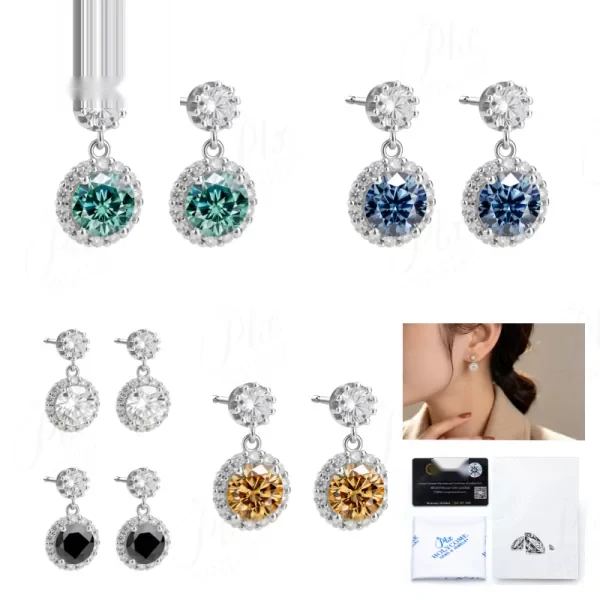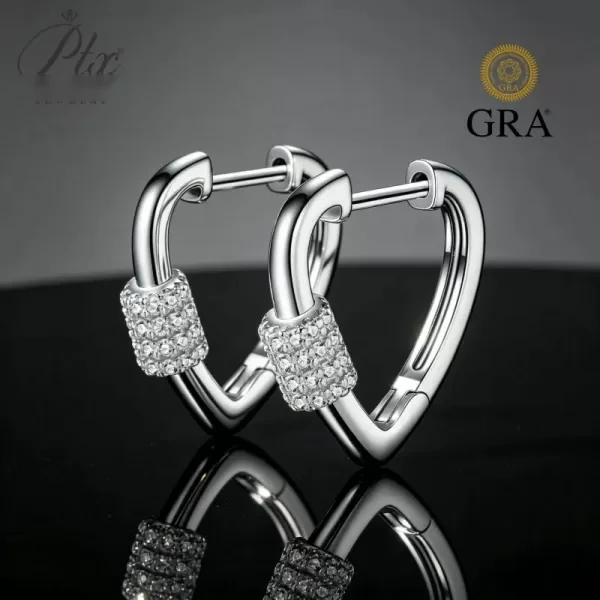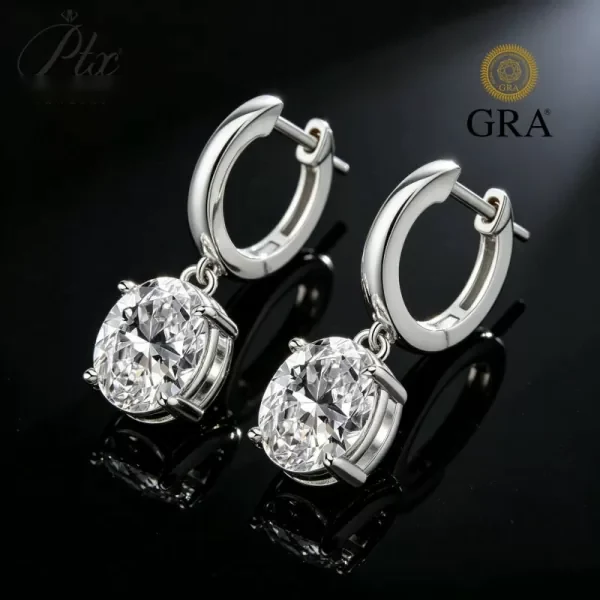
If you have ever stared at a photo of someone's earrings and thought there were two pieces where only one seemed possible, you have already met the ear jacket. The style pairs a small front stud with a decorative back that peeks out behind the earlobe, creating a front-and-back look that reads as layered jewelry without extra piercings.
Ear jackets have quietly become one of the most versatile silhouettes in modern ear curating. They sit somewhere between a stud and a drop earring, and they photograph beautifully. For retailers, they are an easy add-on sale because most customers already own studs and are curious about the next step up.
How an ear jacket actually sits on the ear
A classic jacket has two parts: a front piece, usually a small stud or solitaire, and a back piece that slides onto the post behind the lobe. When worn, the back peeks out—a fan, a crescent, a wing, or a bar—so the ear looks finished from every angle. Some designs flip the formula, with the drama at the front and a simple dot behind.
Because the post passes straight through the lobe and the back rests against the skin behind the ear, the metal touches more surface area than a standard stud. That is exactly why material matters so much here.
Why 925 sterling silver suits the jacket shape
Ear jackets sit close to the skin and are worn for long hours. Nickel-plated or low-grade alloy backs can irritate, especially where metal presses behind the earlobe all day. 925 sterling silver is naturally hypoallergenic for most wearers, sturdy enough to hold the back piece in place, and takes a bright polish that makes the design read clean and modern.
Sterling silver (ISO 925 sterling silver standard) also holds fine detail well. The delicate cut-outs that make a jacket interesting—thin crescents, tapered wings, open arcs—need a metal that will not bend out of shape with daily on-and-off. Silver's durability-to-detail ratio is hard to beat at this price tier.
Styling them for everyday wear
The easiest entry point is a minimalist jacket: a tiny moissanite or plain stud front with a slim silver bar or crescent behind. It adds a whisper of structure to a work outfit without drawing attention away from the face. Pair it with a clean chain and a watch for an understated, professional look that echoes the quiet luxury mood shoppers keep searching for.
For a bolder daytime statement, choose a jacket where the back is the showpiece—a fan or feather shape that fans out behind the lobe. Keep the rest of the ear quiet so the jacket stays the focus.
Dressing them up for evening
After dark, ear jackets shine. A jacket with a pavé or moissanite back catches light from the side, which is exactly where evening photos and candlelit dinners sit. They also pair elegantly with an updo, because the back piece becomes visible once the hair is off the neck.
Because jackets are asymmetrical by nature in how they read, you can lean into it: wear a dramatic jacket on one ear and a simple huggie on the other for a curated, deliberate mismatch. This is the kind of styling tip that turns a one-earring sale into a two-piece purchase.
Pairing with other piercings
Ear jackets love company. On a fully curated ear, a jacket on the lobe plays nicely with a helix or conch stud above it. Keep the metal tone consistent so the whole ear reads as one composition rather than a collection. Mixed silver and gold can work, but it takes confidence; for most customers, all-925 silver is the safest, most flattering starting point.
Care and selling notes
Because jackets have moving parts and fine details, remind customers to undo the back gently rather than yanking it. Wiping the post after wear and storing pieces flat prevents the delicate back pieces from bending. A short care note in the package reduces returns and builds trust.
For a retailer, ear jackets are a high-margin, low-risk style: they photograph uniquely, they are easy to explain, and they fill the gap between basic studs and full drop earrings. Once customers try the front-and-back look, they rarely go back to plain posts.
Finding the right size for your earlobes
Proportion matters. If you have smaller earlobes, a slim bar or tiny crescent back reads elegant; an oversized fan can overwhelm. Full lobes carry a larger jacket beautifully. When you merchandise in person or on a size guide, note the total drop length so customers can picture it against their own ears. This is the same sizing logic we apply to hoop sizes—the measurement on a chart helps shoppers decide far better than a product photo alone.
Because ear jackets are a slightly unfamiliar style for some buyers, a short how-to-wear note in the listing—thread the post, slide the back on from behind—prevents confusion and returns. Once customers understand the front-and-back construction, the style clicks and often becomes their new favorite in the jewelry box.
Frequently Asked Questions
What ring sizes can you supply in bulk?
US sizes 5–12 including half sizes. Send a size breakdown with your order and we cast to that curve; comfort-fit inner bands reduce resize requests.
Can I order a mixed size run instead of one size?
Yes. Mixed runs are standard for wholesale: specify quantity per size and we pack and label by size at no extra labor cost.
What is the MOQ for custom ring designs?
50 pieces per design for existing molds; 100–300 pieces when a new mold or CAD model is required.
How should I price rings for retail margin?
Most partners use a 3–4x markup on FOB cost for sterling and 2.5–3x for moissanite solos, which keeps landed cost under 30% of retail.