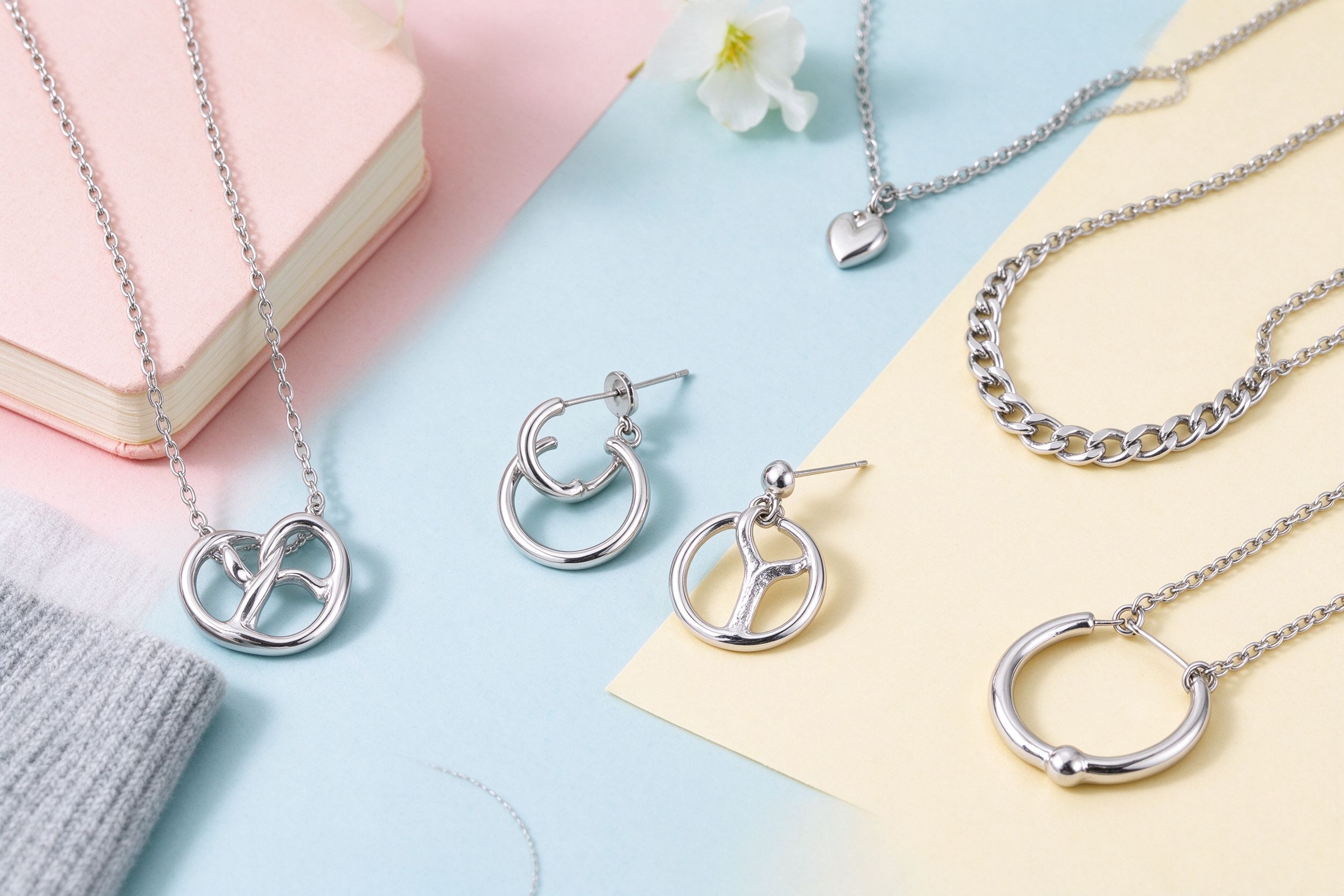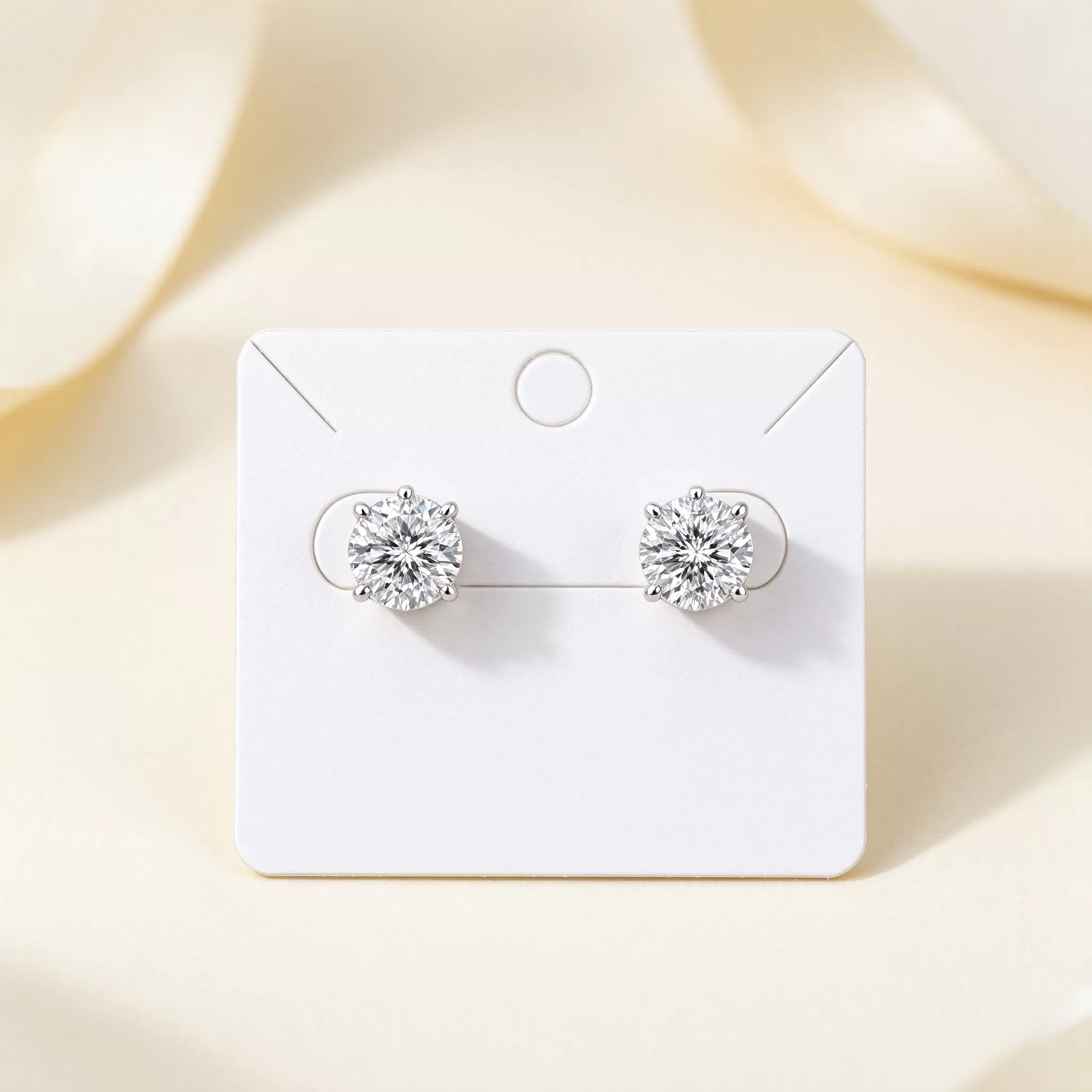
Ear curating—the art of building a deliberate stack of piercings around the ear—has turned earring buying into a layered, repeat business. A customer who starts with one lobe stud often comes back for a helix, a conch, and a tragus, each with its own tiny silver jewelry. For a retailer, knowing the piercing placements and which silver styles suit each one unlocks a whole ladder of sales beyond the single lobe pair.
The Main Piercing Placements
Each part of the ear has a name, and each suits a different jewelry style.
- Lobe (lower): the classic soft area—studs, hoops, drops all work.
- Upper lobe: a second hole on the lobe, great for small studs.
- Helix: the outer rim of cartilage; suited to tiny hoops, studs, and cuffs.
- Forward helix: the front fold of the upper ear; compact small pieces.
- Tragus: the little flap in front of the ear canal; small studs or mini hoops.
- Conch: the large inner bowl; larger flat studs or thin hoops.
- Daith: the inner ridge; small hoops and curved pieces.
- Rook: the upper inner fold; curved barbells or small hoops.
Why Sterling Silver Is the Right Choice for Fresh Piercings
Cartilage piercings take months to heal, and cheap jewelry can slow healing or trigger reactions. Solid 925 sterling silver is a popular everyday option because it is affordable, bright, and smooth. For fresh healing piercings, many piercers prefer implant-grade titanium, but once healed, sterling silver is comfortable and fashionable. Because silver is softer, avoid rough posts that could snag on healing skin. Our sensitive ears guide covers metal reactions in more depth.
Styles That Suit Each Placement
Match the jewelry to the anatomy for the best look and comfort.
- Helix: tiny silver hoops (8–10mm), mini studs, or hinged segment rings.
- Conch: flat-backed studs or slightly larger thin hoops that fit the curve.
- Tragus: very small studs or snug mini hoops that don't press on the canal.
- Daith/Rook: curved or circular pieces that follow the fold.
- Upper lobe: any small stud that coordinates with lower lobe pieces.
This curation approach is exactly what we describe in our ear curating guide—building a balanced stack rather than buying random pairs.
Curating a Balanced Ear Stack
A stack looks intentional when pieces relate to each other. Follow these principles:
- Repeat a material: all sterling silver, or silver with one gold accent.
- Vary scale: one statement piece, several tiny supporting pieces.
- Leave breathing room between piercings so no two pieces touch.
- Match a theme: celestial, minimal, or birthstone colors.
Cuffs and Climbers for No-Pierce Options
Not every customer wants a new piercing. Ear cuffs and climbers clip onto the helix or crawl up the ear without a hole, giving the curated look instantly. These are strong add-on sales because they are cheap and photograph beautifully. Our ear cuffs and climbers guide details the styles.
Common Questions
How many piercings should a curated ear have?
Three to five piercings (lobe plus a couple of cartilage spots) is the sweet spot. More than that starts to look crowded. Leave space so each piece can breathe.
Can I wear sterling silver in a fresh helix piercing?
Once the piercing is fully healed, yes. While healing, follow your piercer's material advice. Silver is best introduced after the initial healing period to avoid irritation.
What size hoop fits a helix?
An 8–10mm hoop is the standard helix size. Conch and daith vary by anatomy, so when in doubt, a small hinged segment ring is the most forgiving. Pair these with our huggies for a cohesive look.
Cartilage piercings turn one earring purchase into a whole collection. Stock the tiny hoops, flat studs, and cuffs that each placement needs, and watch customers build their stack over years. See more in our trendy earring guides.
Healing and Everyday Comfort
Cartilage piercings heal slowly—often six months to a year—and during that time the jewelry needs to stay put. Avoid changing the piece early, and choose smooth, snag-free designs that won't catch on hairbrushes or hoodies. Once healed, sterling silver is comfortable for daily wear because it is smooth and hypoallergenic. Encourage customers to sleep on their side carefully, to avoid knocking the new piercing during sports, and to clean the area with saline rather than harsh alcohol. A well-healed cartilage piercing becomes a favorite place to add tiny hoops and studs over the years, which means repeat purchases for your store as the collection grows.