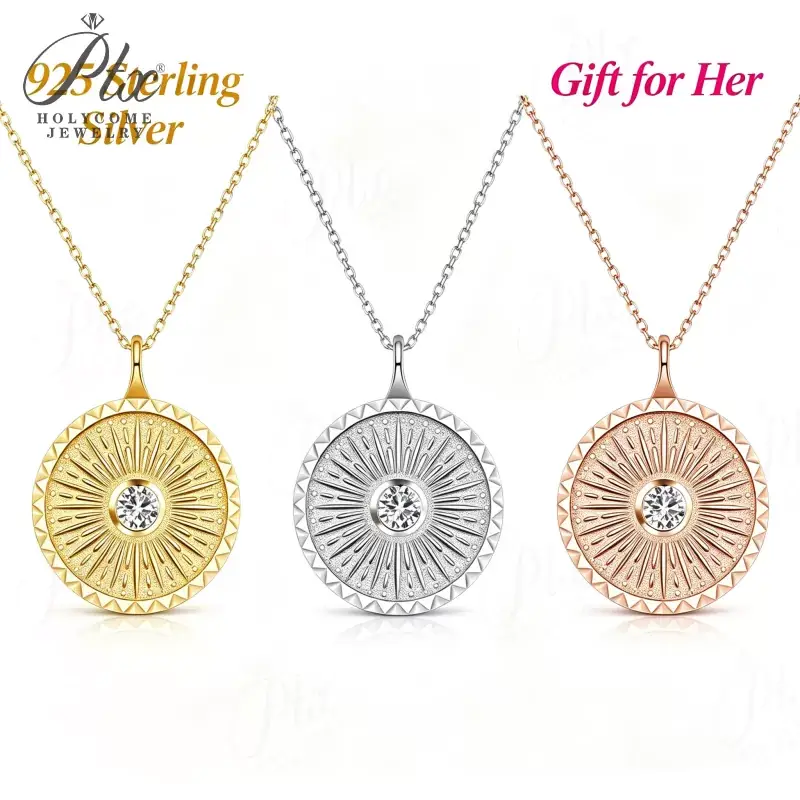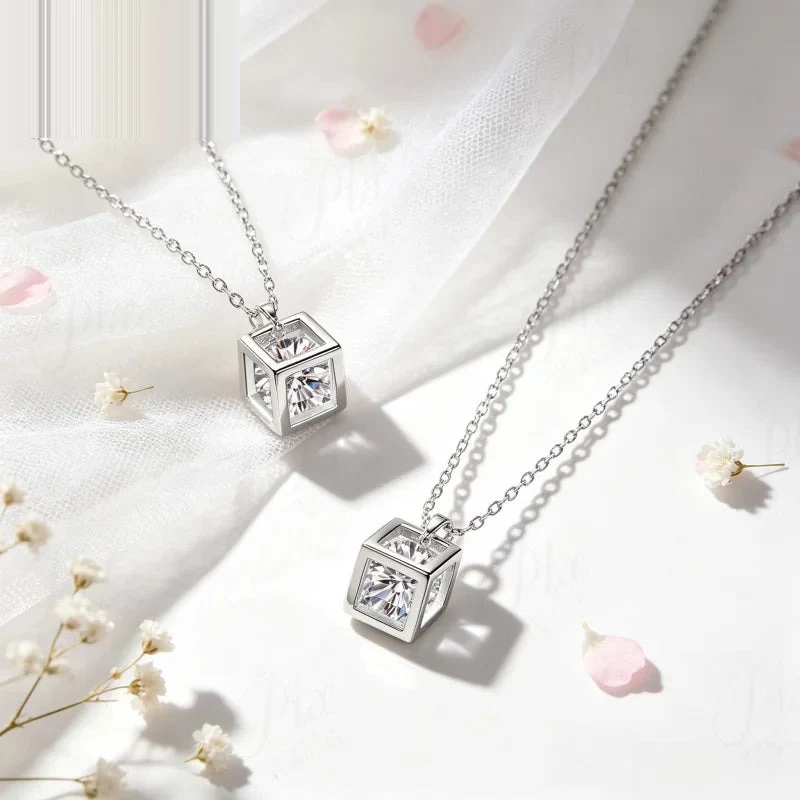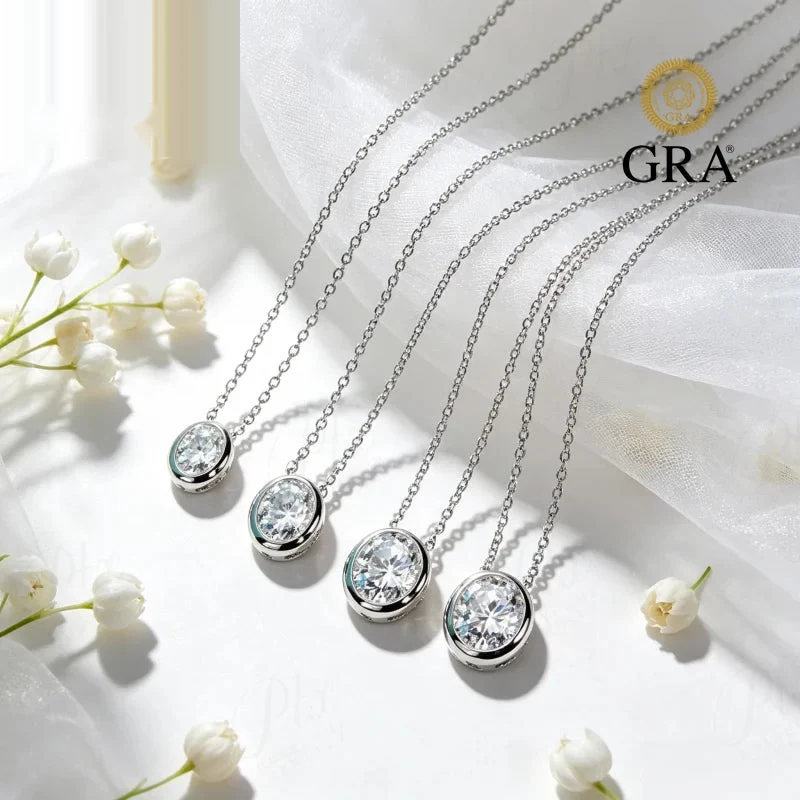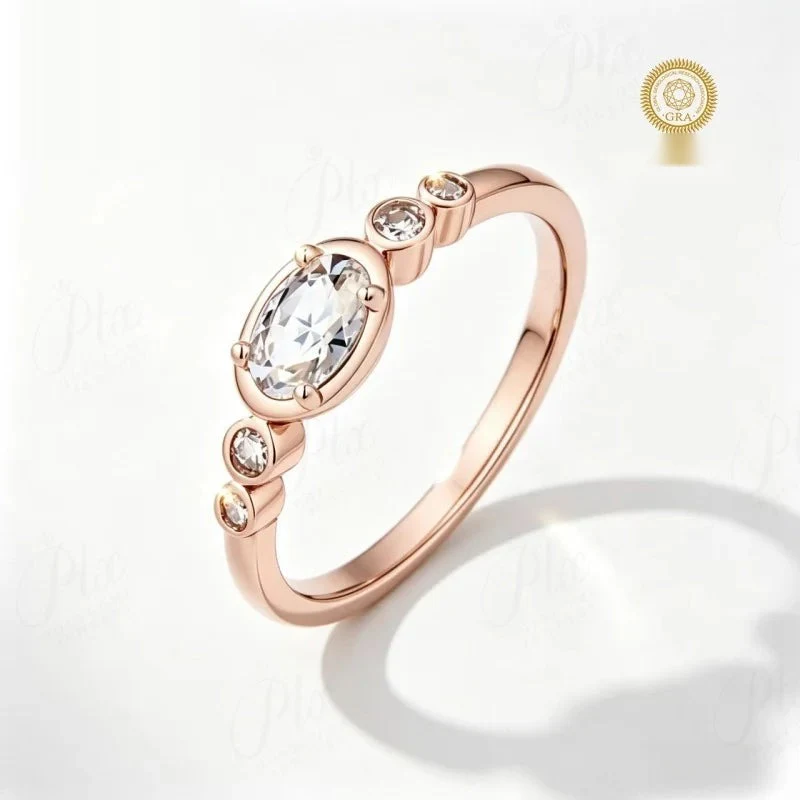
A buyer in Melbourne insured a customer's engagement ring and, eight months later, filed a loss claim. The insurer asked for a valuation report that listed the stone, the metal, the weight and the retail replacement value. The retailer had shipped the ring with a generic certificate that said only moissanite, white metal. The insurer paid a fraction of the claim. The problem was not the ring. It was the paperwork. A custom moissanite piece is insurable, but only when the appraisal lists the right detail, and we build that report into every order.
If you want the shipment side of the paperwork, our online design process covers how QC and shipping tie into the record. Below is what the appraisal must contain.
What the valuation report must list
A report an insurer will accept lists the piece by description: the centre stone shape and diameter in millimetres, the moissanite material, the metal and its karat stamp, the gross weight in grams, and the retail replacement value. It states the date and the shop it was supplied from. A report that says only moissanite ring, gold cannot support a claim, because the insurer has no basis to value the piece. We issue the report on our own letterhead with the piece photos matched to the order, so the claim trail runs from order sheet to appraisal to insured item.
Retail replacement value, not cost value
Insurance covers what it costs the client to replace the piece at retail, not what the buyer paid us wholesale. The appraisal states the retail replacement figure, which is the number the insurer uses to settle. Undervaluing the report to save on premium means the client is underinsured and the claim comes back short. We discuss the intended retail price with the buyer before the report is issued, so the replacement value matches what the piece actually retails for. The grading language we use for the stone borrows the 4Cs vocabulary that GIA publishes; moissanite is not GIA-graded, but the descriptive terms translate so the insurer understands the stone.
Why a generic certificate is not enough
Moissanite often ships with a material certificate from the producer, which proves the stone is moissanite but does not value the finished piece. Insurers need a valuation of the set jewellery, not a gemmological note on the loose stone. A combined report that covers both the stone and the finished setting is what we provide. For clients who also want independent verification, we can coordinate the report against the standards that bodies like IGI publish for finished jewellery documentation, even though IGI does not grade moissanite itself. The metal purity we state on the report follows the stamped karat mark, held to ISO 9202.
Keeping the claim trail current
A valuation ages. We recommend the buyer re-appraise a custom piece every three to five years, especially if gold prices move, because the replacement value drifts. We keep the order record on file so a re-appraisal can be issued quickly without re-measuring the piece. For the retailer, this means the documentation we ship becomes a repeat touchpoint, not a one-off form. The matching documentation philosophy carries through to the pieces we build; our tennis bracelet build guide and pendant chain guide ship with the same report format.
Does moissanite hold insurance value like diamond?
It is insured at its retail replacement value, which is lower than a comparable diamond because the material cost is lower. The appraisal states that value honestly, and the premium reflects it.
Is a moissanite certificate the same as an appraisal?
No. The certificate proves the stone material; the appraisal values the finished, set piece. Insurers need the appraisal, which is what we provide.
How often should the piece be re-appraised?
Every three to five years, or after a gold price move. We keep the order file so a re-appraisal is quick.
Can you insure the shipment itself?
Yes. We ship tracked and insured, and the transit cover is separate from the end-client's jewellery policy. Both are noted on the order.
How the appraisal pairs with the order record
We keep the CAD, the casting weight and the stone measurements on file for every order, so a re-appraisal or a duplicate certificate is a quick pull rather than a re-measure. When a retailer sends a client back years later asking for a second valuation, we can issue it from the existing record without the client posting the ring. That continuity is part of the wholesale service, and it keeps the insured value current as gold prices move.
We keep the CAD, casting weight and stone measurements on file, so a re-appraisal is a quick pull, not a re-measure.
Send us the piece and the intended retail price. We return the matched valuation report, ready for insurance, with the parcel. Ask us to include a claim-ready appraisal with your next custom moissanite order.
Frequently Asked Questions
Is moissanite a good diamond alternative for retail buyers?
Yes for price-sensitive customers who want brilliance and hardness. Moissanite ranks 9.25 on the Mohs scale, holds up to daily wear and costs a fraction of a natural diamond of the same size, so it resells fast in bridal and fashion lines.
What is the minimum order for wholesale moissanite?
MOQ starts at 50 pieces per design for stock items. Custom cuts and private-label settings usually start at 100–300 pieces depending on the mold.
Do you provide certificates with moissanite stones?
Yes. Every parcel ships with GRA or IGI documentation listing carat weight, color grade and cut. We recommend passing the certificate to your end customer for trust.
How long does sample and bulk production take?
Samples ship in 3–5 days. Bulk runs take 15–20 days under 500 pieces, and 25–30 days for custom work.