Sustainable Silver Jewelry
Sustainability in jewelry used to be a niche marketing angle. In 2026, it is a purchase criterion. Customers ask where their silver was mined, whether the stone was lab-grown, and who made the piece they are wearing. For sterling silver and moissanite, the sustainability story is genuinely strong: both materials can be sourced ethically, recycled and traced. This guide breaks down what sustainable silver actually means, what certifications matter, and how to shop and brand with confidence rather than vague eco-claims.
What Sustainable Silver Actually Means
Sustainable silver is an umbrella term, and it is easy to overstate. At its core, sustainable jewelry means minimizing environmental harm and respecting people across the supply chain. For silver, this has three pillars: recycled content, responsible mining for virgin silver, and fair labor in manufacturing. A piece can be called sustainable if it hits at least two of these pillars, but marketing claims vary widely, so buyers should ask for specifics. Vague phrases like eco-friendly or ethically made without numbers or names are not enough anymore.
The most honest sustainable silver is 100 percent recycled sterling. Recycled silver comes from old jewelry, industrial scrap and electronic components, refined back to 92.5 percent purity. It requires no new mining, which is the single biggest environmental impact reduction available in silver jewelry. Our sustainable jewelry overview explains why ethical sourcing now matters more than ever, including the generational shift in buyer expectations.
Recycled Sterling Silver: The Supply Chain
Recycled silver is not a single material. It is a refining process. Scrap silver from jewelers, manufacturers and old pieces is collected, melted, assayed and alloyed with copper to return to 925 sterling. The resulting metal is chemically identical to newly mined silver, because silver is an element and recycling does not change its properties. The difference is purely in the environmental footprint. Recycled silver requires 95 percent less energy than mining virgin silver, according to industry data, and it eliminates the habitat disruption that comes with new mines.
Not all recycled silver is equal. Some refiners process mixed scrap without tracking origins. Others specialize in clean, post-industrial scrap from known jewelry factories. For customers who want full traceability, ask for chain-of-custody documentation. For most buyers, a straightforward recycled 925 stamp on a piece from a transparent brand is enough. The 925 sterling silver guide explains the alloy that recycled silver returns to, including why the 7.5 percent copper content is essential for durability and does not undermine the sustainability claim.
Ethical Mining and Fair Labor
When virgin silver is needed, responsible mining matters. Artisanal small-scale mining, if certified fair trade, can improve lives in mining communities. Large-scale mining carries environmental risks from tailings and water use. The most ethical virgin silver comes from mines certified to strict environmental and labor standards, where workers are paid fairly and local ecosystems are protected. The difference between a responsible mine and a problematic one is not visible from the finished ring, which is why traceability and certification matter.
Fair labor extends beyond the mine to the workshop where the piece is made. Many silver pieces are still made in workshops where hours, wages and safety standards are undocumented. Transparent brands visit their factories, pay living wages and publish audit reports. This is less about a certificate and more about an ongoing relationship. The supplier selection guide covers what retailers should ask, including how to audit a factory remotely before placing a bulk order.
Moissanite as an Ethical Gemstone Choice
Moissanite is the gemstone that pairs naturally with sustainable silver. Unlike mined diamonds or colored stones, moissanite is created in a laboratory under controlled conditions. It requires no mining, no excavation and no habitat disruption. The energy used to grow a moissanite is steadily decreasing as manufacturing improves, and the stone extreme hardness means it will last for generations rather than being discarded. A moissanite can be worn for fifty years, passed down, and reset into another piece, which means the environmental investment is amortized over decades.
This is why moissanite set in recycled sterling silver is one of the most sustainable fine jewelry combinations available. The silver is recycled, the stone is lab-grown, and the piece is durable enough to be worn daily and repaired indefinitely. The affordable luxury of this combination means customers do not have to choose between ethics and budget. The moissanite manufacturing guide explains the growth process, which is more controlled and less energy-intensive than customers often assume.
Certifications and Transparency to Look For
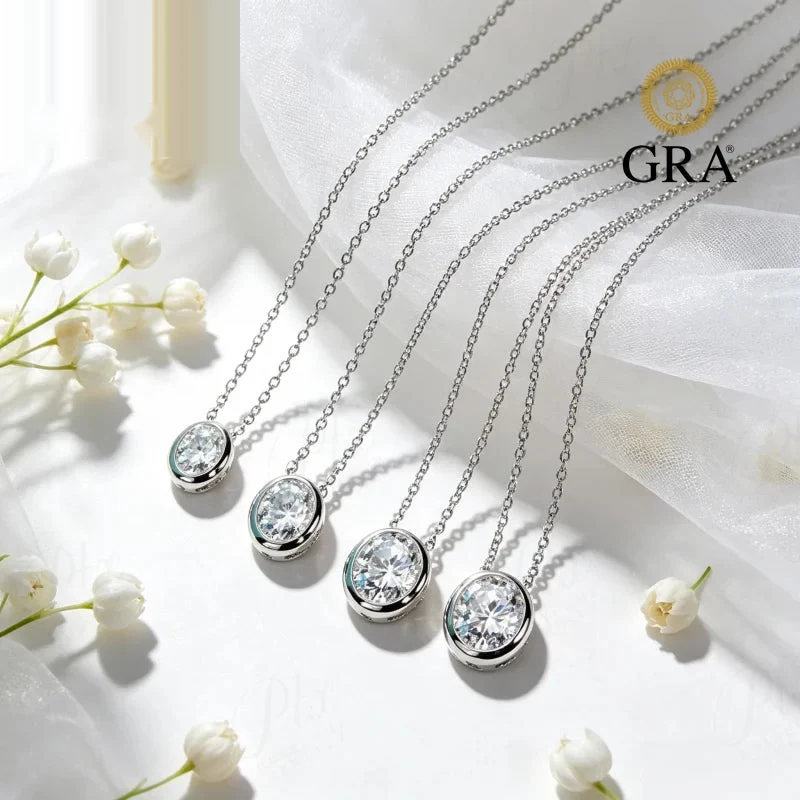
Certifications help, but they are not the whole story. Common jewelry certifications include recycled content standards, fair labor certifications and gemstone certificates. For silver, look for statements about recycled content percentage and refining partners. For moissanite, look for GRA or equivalent certificates that verify the stone characteristics. For manufacturing, look for factory audit reports and living wage commitments. A brand that publishes all three is ahead of most competitors; a brand that publishes none is asking customers to trust vague language.
| Claim | What to Verify | Red Flag |
|---|---|---|
| Recycled silver | Percentage and refiner | Vague eco language, no numbers |
| Ethical mining | Certification body, mine name | No mine named, no audit |
| Fair labor | Factory visits, wage reports | Generic fair trade badge |
| Ethical gemstone | GRA certificate, origin | No certificate, vague origins |
The GRA-certified moissanite guide explains how to verify a stone certificate yourself, including checking the certificate number online and comparing the listed dimensions to the stone in hand. The certification guide decodes the difference between GRA, IGI and other lab reports, so customers understand what they are looking at.
Why Consumers Care About Traceability
The shift toward sustainable jewelry is generational. Younger buyers, who have grown up with climate awareness and supply-chain transparency, expect to know the story behind what they buy. They are willing to pay a modest premium for pieces they can trace, and they are suspicious of brands that make broad green claims without evidence. This is not a passing trend; it is a permanent expectation that will only strengthen as more buyers prioritize ethics in every purchase category, from coffee to clothing to jewelry.
Traceability also builds loyalty. A customer who trusts a brand supply chain will buy repeatedly, recommend friends and defend the brand online. The cost of being transparent is low compared to the reward of that trust. Brands that publish their factory locations, refine partners and material sources outperform brands that stay vague. The online jewelry selling guide covers how to communicate these stories on product pages without sounding preachy, which is a fine line but an important one.
Building a Sustainable Jewelry Brand
For retailers and brands, sustainability starts with material choices. Choose recycled sterling silver for base metal. Choose lab-grown moissanite over mined stones. Work with factories that pay living wages and publish audits. Be specific on product pages: say 90 percent recycled silver, not eco-friendly silver. Name the refining partner. Name the gemstone certificate. Customers can tell the difference between a brand that is serious about sustainability and one that is borrowing the language for marketing.
Sustainability also means designing pieces that last. Avoid thin plated pieces that tarnish in months. Choose solid 925 settings that can be replated and repaired. Offer repair services so customers do not discard broken pieces. The care guide teaches customers to extend the life of their jewelry, which is the most sustainable act of all, because a piece that is worn and maintained never needs to be replaced. The quality control guide covers how to ensure pieces are well-made enough to last, which is the foundation of any credible sustainability claim.
Circular Jewelry Business Models
The end goal of sustainable silver is a circular model: pieces are made, worn, repaired and eventually recycled into new pieces, with no waste. Several brands are already offering take-back programs where customers return old silver pieces for credit toward new ones. The old silver is melted and refined back into 925, closing the loop. This model reduces demand for new mining and gives customers a responsible way to refresh their jewelry without discarding the old.
Repair services are the first step toward circularity. Brands that offer prong tightening, re-polishing and rhodium plating extend the life of every piece they sell, which reduces returns and replacements. The quality control guide covers how to build pieces that are repairable rather than disposable, which is the foundation of a credible circular business. The online selling guide covers how to market these services to customers who want to buy less but buy better.
Carbon Footprint of Silver Jewelry
The carbon footprint of a silver piece comes mostly from mining and refining, not from the finished ring itself. Recycled silver cuts that footprint by over 90 percent, because the metal has already been mined and refined. The remaining footprint comes from manufacturing, shipping and packaging. Brands that use recycled silver, local manufacturing and minimal packaging can reduce the total footprint of a piece to a small fraction of a mined-silver equivalent.
Moissanite adds to the sustainability story because it is lab-grown. While the energy used to grow a moissanite is not zero, it is far lower than the energy and habitat impact of mining a diamond or a colored gem. The moissanite manufacturing guide covers the energy profile of the growth process, which is improving as manufacturers switch to renewable electricity. For customers who want to compare, the moissanite vs diamond guide covers the full environmental comparison.
Regulatory Trends in Jewelry Ethics
Governments are starting to regulate jewelry supply chains. The EU and US have introduced due-diligence requirements for mined minerals, and jewelry brands will soon have to document their supply chains more rigorously. This favors brands that already use recycled silver and lab-grown stones, because their supply chains are simpler to document. Brands that rely on vague mining origins will face compliance costs and consumer suspicion.
For shoppers, this means the certifications available today will only become more standardized. GRA-certified moissanite, recycled silver content claims and fair-labor audits will move from differentiators to legal requirements. Brands that are already transparent will adapt easily; brands that hide origins will struggle. The GRA guide explains how certification works today, and the certification overview covers how the lab-report landscape is evolving. The result is a market where sustainability claims are verified rather than marketed, which benefits honest brands and careful shoppers.
Why Fast Fashion Silver Fails the Sustainability Test
Cheap silver-plated fashion jewelry is one of the least sustainable products in the accessories industry. The base metal is usually brass or zinc, the plating wears off in months, and the pieces end up in landfills. They cannot be easily recycled because the plating and base metals are mixed. The cheap price encourages a buy-and-discard cycle that generates constant waste. Customers who care about sustainability quickly learn to avoid these pieces, even though they look attractive in the store.
The alternative is solid 925 sterling, which can be worn for decades, repaired and eventually recycled. The upfront cost is higher, but the per-year cost is lower. A thirty-dollar fashion bracelet worn three times costs ten dollars per wear. A one-hundred-dollar silver bracelet worn every day for ten years costs three cents per wear. The solid vs plated guide teaches customers how to tell the difference, and the authentication guide covers how to check for a real 925 stamp. The fast fashion sourcing guide covers why the cheap cycle persists.
Gifting Sustainable Silver
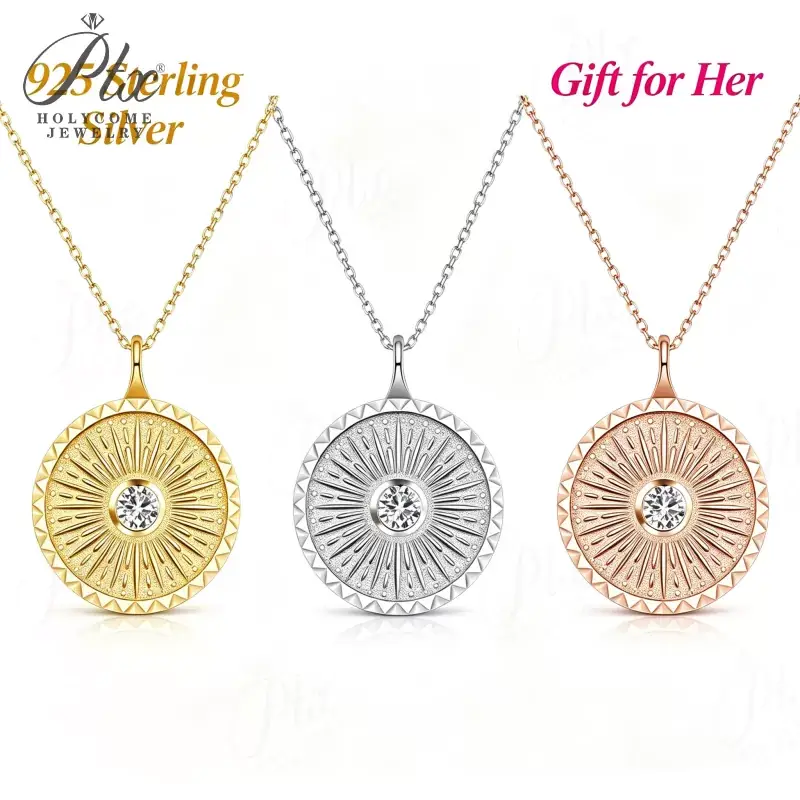
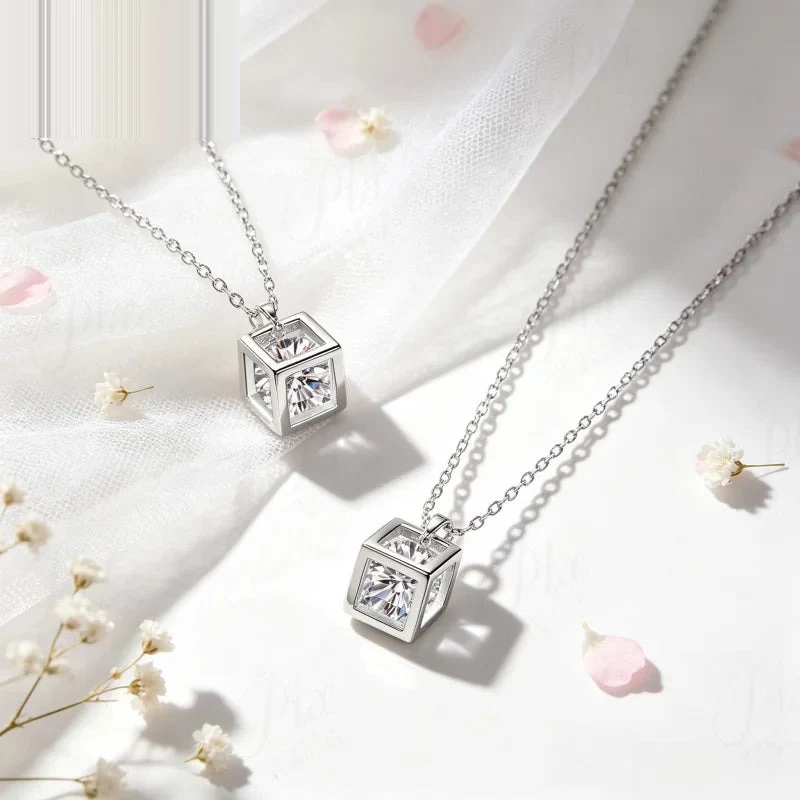
Sustainable silver is a meaningful gift because it carries an ethical story. A recycled silver necklace with a moissanite pendant says you care about the recipient and about the world they live in. These gifts are especially popular for weddings, anniversaries and graduations, when the recipient values thoughtfulness over flash. Brands that explain the sustainability story on the gift note give the giver language to share the meaning with the recipient.
The gift buying guide covers which sustainable pieces suit which occasions, and the jewelry sets guide covers how to bundle a recycled silver pendant with matching earrings. The affordable luxury guide explains why sustainable silver is not more expensive than conventional silver, which is a common misconception. The sustainability overview covers how to talk about these gifts without sounding preachy.
Frequently Asked Sustainable Silver Questions
Shoppers new to sustainable silver ask consistent questions. What does recycled silver mean? Old silver melted and refined back to 925. Is recycled silver as good as new? Yes, chemically identical. Is moissanite really ethical? Yes, lab-grown with no mining. How do I know a brand is telling the truth? Look for numbers, names and certifications, not vague claims. Does sustainable silver cost more? Often not, because recycled metal can be cheaper than newly mined. Can I recycle my old silver? Yes, many jewelers accept it for credit.
The most common confusion is between green marketing and real sustainability. A brand that says eco-friendly without details is likely marketing. A brand that says 90 percent recycled silver, refined by X, set with GRA moissanite, made in a fair-wage factory, is being specific. The sustainability overview explains the difference, and the GRA guide covers stone certification. The quality guide covers durable pieces. The 925 guide covers the material.
Choosing Sustainable Silver You Can Trust
If you want to buy sustainable silver, the practical approach is to ask three questions before purchasing. What percentage of the silver is recycled? Where was it refined? What is the stone certificate? If a brand answers these specifically, you can trust it. If the answers are vague or absent, keep shopping. You do not need to audit a mine yourself; you just need a brand that is willing to name its suppliers and back up its claims. This small due diligence takes five minutes and ensures your purchase actually aligns with your values.
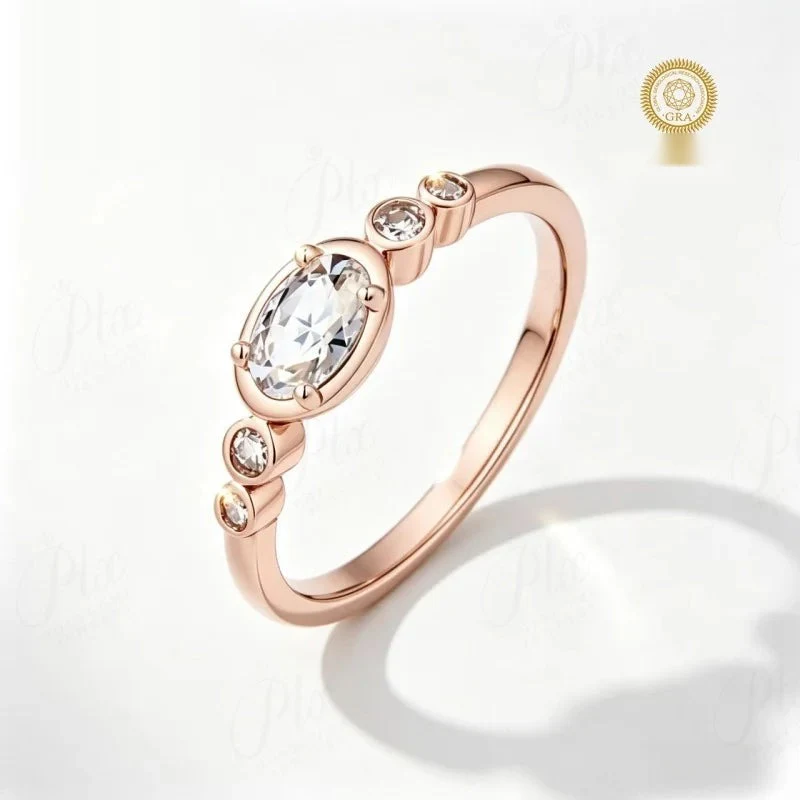
The easiest sustainable entry point is a recycled 925 silver piece set with GRA-certified moissanite. This combination checks both material boxes: recycled metal and lab-grown stone. It is also affordable, so you do not pay a premium for ethics. Over time, you can build a small collection of pieces that are both beautiful and responsible. The sustainability overview explains why this matters, and the GRA guide covers stone certification. The 925 guide covers the metal, and the affordable luxury guide shows the price point.
The most sustainable choice you can make is to keep what you already own. A silver ring that has been on your finger for ten years has a lower footprint than any new sustainable piece you could buy, because it required no new mining, shipping or packaging. Caring for that ring, repairing it when needed, and wearing it daily is the most ethical jewelry act possible. Sustainable silver is not just about how new pieces are made; it is about how long you keep the ones you have. When both habits align, the jewelry you wear becomes part of a circular rather than disposable system.
The sustainable silver movement is still young. Certifications are incomplete, supply chains are not fully transparent, and greenwashing remains common. But the direction is clear. Customers are asking harder questions, regulators are writing stricter rules, and brands that get ahead of the curve will benefit. For shoppers, the practical takeaway is simple: buy solid 925, choose lab-grown stones, ask for specifics, and keep what you buy. Over time, these small choices add up to a jewelry habit that is both beautiful and responsible.
The end state is a jewelry industry where sustainability is the default rather than the exception. Recycled silver, lab-grown stones, fair wages and repair services will no longer be selling points; they will be table stakes. Customers will not have to ask, because every brand will already be doing it. Until that day, the shoppers who ask the right questions will drive the change. Every recycled silver ring bought, every moissanite chosen over a mined stone, every piece kept and repaired, is a vote for the kind of jewelry industry that people actually want to live in.
Sustainable silver is not a niche for activists. It is the future of the whole industry. As more customers demand transparency, more brands will supply it, and the cost of ethical jewelry will fall to match conventional pieces. Within a decade, buying recycled silver and moissanite will be as ordinary as buying organic coffee. The transition is already underway, and it is being led by the shoppers who care enough to ask where their jewelry comes from. That quiet pressure is the most powerful force for change in the jewelry industry today.
The practical first step is simple. The next time you buy a silver piece, check whether it is recycled. The next time you buy a gemstone, check whether it is lab-grown. These small choices, repeated across millions of shoppers, reshape the supply chain. You do not need to audit a mine or join a movement. You just need to ask one question before you buy: where did this come from? The answer will tell you everything. The brands that answer well will earn your business, and the ones that cannot answer will lose it. That is how the market moves, one informed purchase at a time.
The most sustainable wardrobe is the one you already own. A silver ring worn for ten years has a smaller footprint than any new eco-friendly piece you could buy today. Care for what you have, repair when needed, and buy new pieces only when you truly need them. This is the quiet truth behind sustainable jewelry: the greenest piece is the one you never had to make. As you build your collection, choose pieces that last, wear them daily, and pass them on. That is the end of the waste cycle, and the beginning of a jewelry habit that does cost the earth.
Care That Extends Jewelry Life
The most sustainable jewelry is jewelry you keep. A piece that is cared for properly lasts decades and never needs replacing. Simple habits: store silver in anti-tarnish cloth, wipe after wearing, avoid perfume and chlorine, and clean with a soft cloth rather than harsh dips. Repair prongs, re-polish surfaces and re-plate rhodium when it wears. These small acts keep pieces out of landfills and reduce demand for new mining. The most sustainable purchase is not a new piece; it is continuing to wear and repair the one you already own.
When a piece truly cannot be repaired, recycle it. Many jewelers accept old silver for credit toward new pieces, and the metal returns to the supply loop. This circular model: wear, repair, recycle, re-wear, is the end state of sustainable silver jewelry. The tarnish chemistry guide explains why proper storage is the first step in extending any silver piece life. The silver cleaning guide covers gentle cleaning methods that preserve patina rather than strip it. Together these habits turn a silver purchase into a long-term relationship, which is the most sustainable outcome of all.
Related Articles
- Trending Silver Earring Styles Every Boutique Should Stock
- Vintage-Inspired Silver Jewelry: Timeless Styles That Sell
On responsible sourcing of minerals, the OECD Due Diligence Guidance for Responsible Supply Chains of Minerals is the international reference framework.
Authoritative References
For buyers who need to verify the technical and regulatory basis of this guide, the following independent institutions publish authoritative reference data:
- Wikipedia: Sterling Silver - the 92.5% silver alloy standard and hallmarking conventions.
- ISO 9001 Quality Management - the international standard for consistent production quality.
Frequently Asked Questions
How do I prevent sterling silver from tarnishing in storage?
Use anti-tarnish bags with a sulfur absorber, keep humidity under 60% and avoid paper wrapping. Rhodium plating adds a further barrier on high-turn SKUs.
Is rhodium plating worth the added cost?
Yes for display and gift lines. It resists tarnish for 12–18 months and keeps shelf pieces bright, which reduces markdowns.
What purity do you supply?
925 sterling silver, stamped and hallmarked. Fine silver (.999) is available for beads and bullion-style pieces.
What is the MOQ and lead time?
50 pieces per design, samples 3–5 days, bulk 15–20 days.